5 Most Snake-Filled Bodies Of Water In New Mexico
New Mexico summers run hot enough that the local rivers and reservoirs start to look appealing well before swimsuit weather elsewhere in the country. The water deserves a second look before anyone steps in. The state holds about 46 native snake species, eight of which are venomous, and several of those venomous species are competent swimmers. Seven of the eight are rattlesnakes and the eighth is the Texas coral snake, which means rattlesnakes account for most reported shoreline encounters. The other species in the water are non-venomous, but several of them mimic rattlesnake behavior closely enough to confuse anyone surprised by one. Knowing which body of water hosts which species makes a swim or a shoreline walk meaningfully safer.
The five rivers and lakes ahead host the highest snake concentrations and the widest snake species diversity in the state.
Rio Grande

The Rio Grande runs approximately 1,896 miles from headwaters in the Colorado San Juan Mountains down through New Mexico, then along the Texas-Mexico border to the Gulf of Mexico. Along its New Mexico stretch, a narrow forested floodplain known as the Bosque (Spanish for "woodland") supports cottonwood-willow gallery forest of substantial age, with individual Rio Grande cottonwoods (Populus deltoides wislizenii) living up to 150 years. The Bosque ecosystem supports more than 280 bird species and a substantial reptile community, including several aquatic and semi-aquatic snakes.
Non-venomous species found in and along the river include the New Mexico threadsnake (Rena dissecta, formerly classified as a subspecies of Rena dulcis), the Great Plains ratsnake (Pantherophis emoryi), the western ribbon snake (Thamnophis proximus), and the bullsnake (Pituophis catenifer sayi). The bullsnake puts on a convincing rattlesnake mimic when threatened: it hisses loudly, flattens its head into a triangle, puffs its body, and vibrates its tail against dry leaves to produce a buzzing sound. The bite is non-venomous but the jaw is strong enough to break skin.

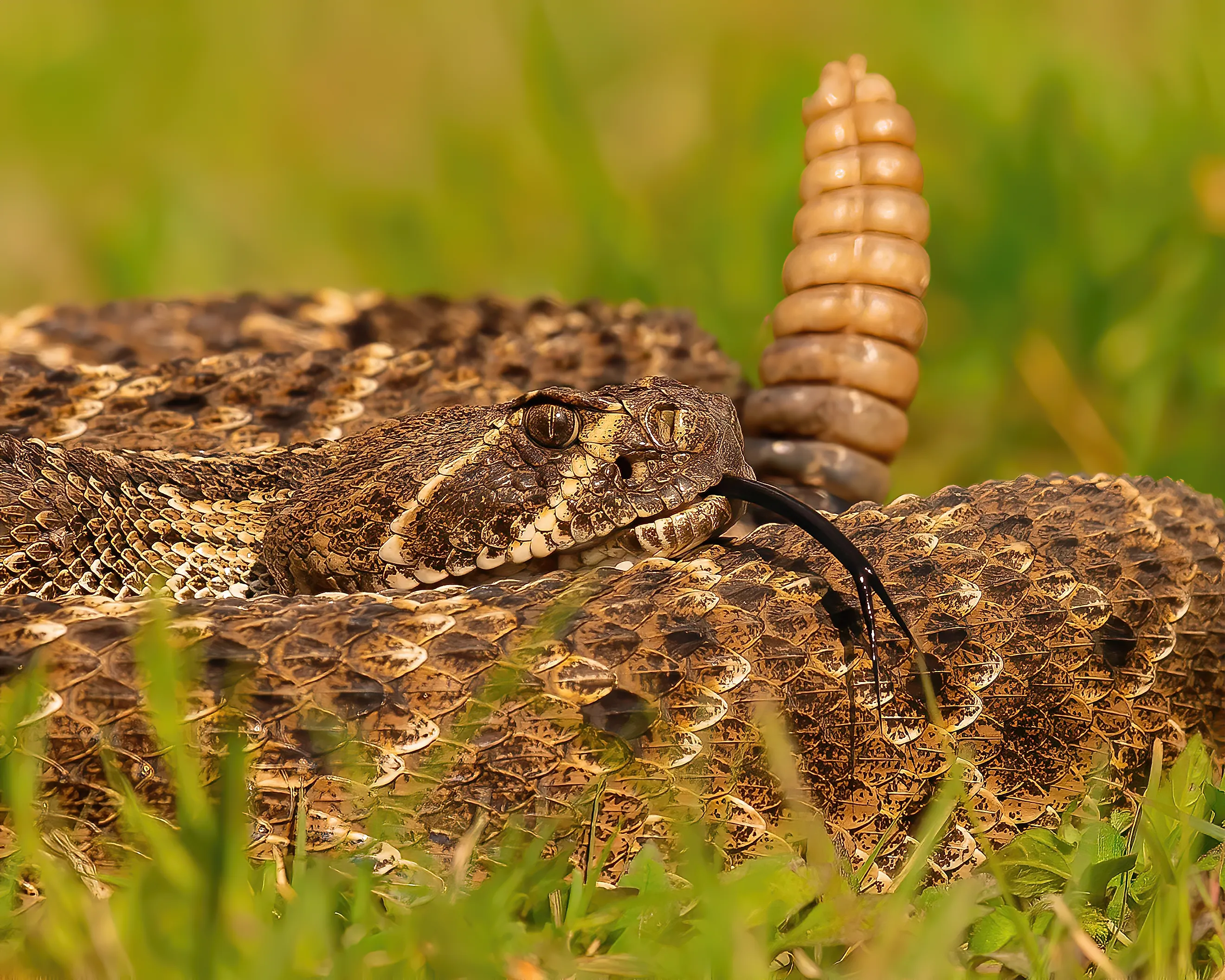
Two venomous species share the same range. The western diamond-backed rattlesnake (Crotalus atrox) is responsible for more snakebite envenomations in the United States than any other species. Its venom is primarily hemotoxic, damaging tissue and disrupting blood clotting. The Texas coral snake (Micrurus tener) is far less commonly encountered and tends to flee rather than strike. Its venom is neurotoxic, attacking the nervous system, and it must hold and chew to deliver an effective dose through its short, fixed front fangs. Bites from either species require emergency medical attention; antivenom for both is available through major New Mexico hospitals.
Elephant Butte Lake

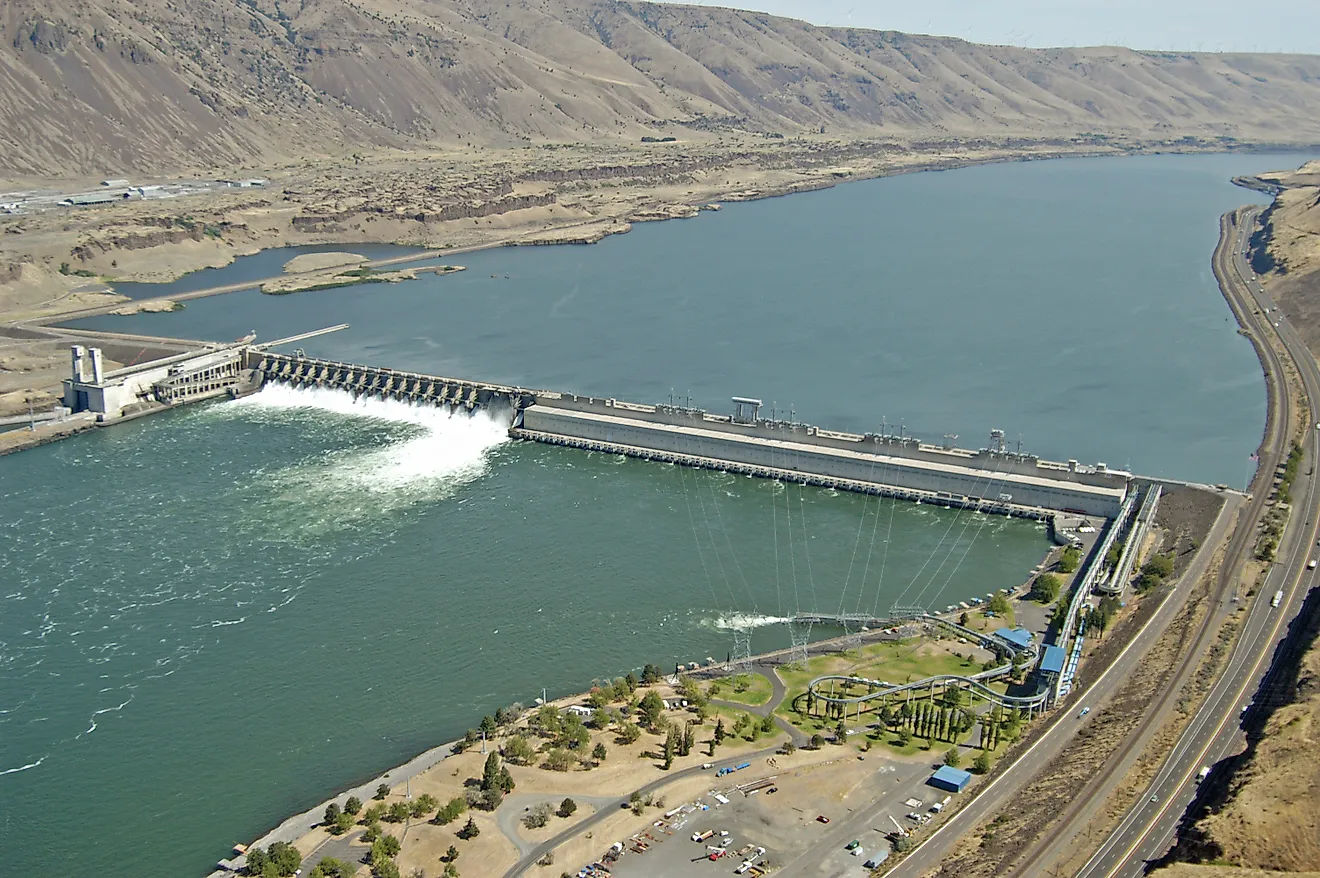
Elephant Butte Lake sits in Sierra County in the southern part of the state, fed by the Rio Grande and impounded by Elephant Butte Dam, completed in 1916. The lake is the largest reservoir in New Mexico, with a full-pool surface area of about 36,500 acres, though drought conditions have kept levels well below capacity for most of the past two decades. The nearest sizable town is Truth or Consequences, about 5 miles southwest; the nearest major city is Las Cruces, approximately 75 miles south. The lake supports New Mexico's most popular state park by visitation, with boating, fishing for white bass and striped bass, and lake camping as the primary draws.
Non-venomous snakes commonly observed around the lake include the checkered garter snake (Thamnophis marcianus), the Sonoran whipsnake or striped whipsnake (Masticophis taeniatus, sometimes placed in Coluber under recent revisions), and the ground snake (Sonora semiannulata). Venomous species reported include the western diamond-backed rattlesnake (Crotalus atrox) and the northern black-tailed rattlesnake (Crotalus molossus molossus). The diamondback is the more defensive of the two and accounts for most reported encounters. Rattlesnakes give acoustic warning when threatened, but the warning is not guaranteed: many bites occur when a person steps directly on or near a coiled snake before it has time to rattle.
Cochiti Lake

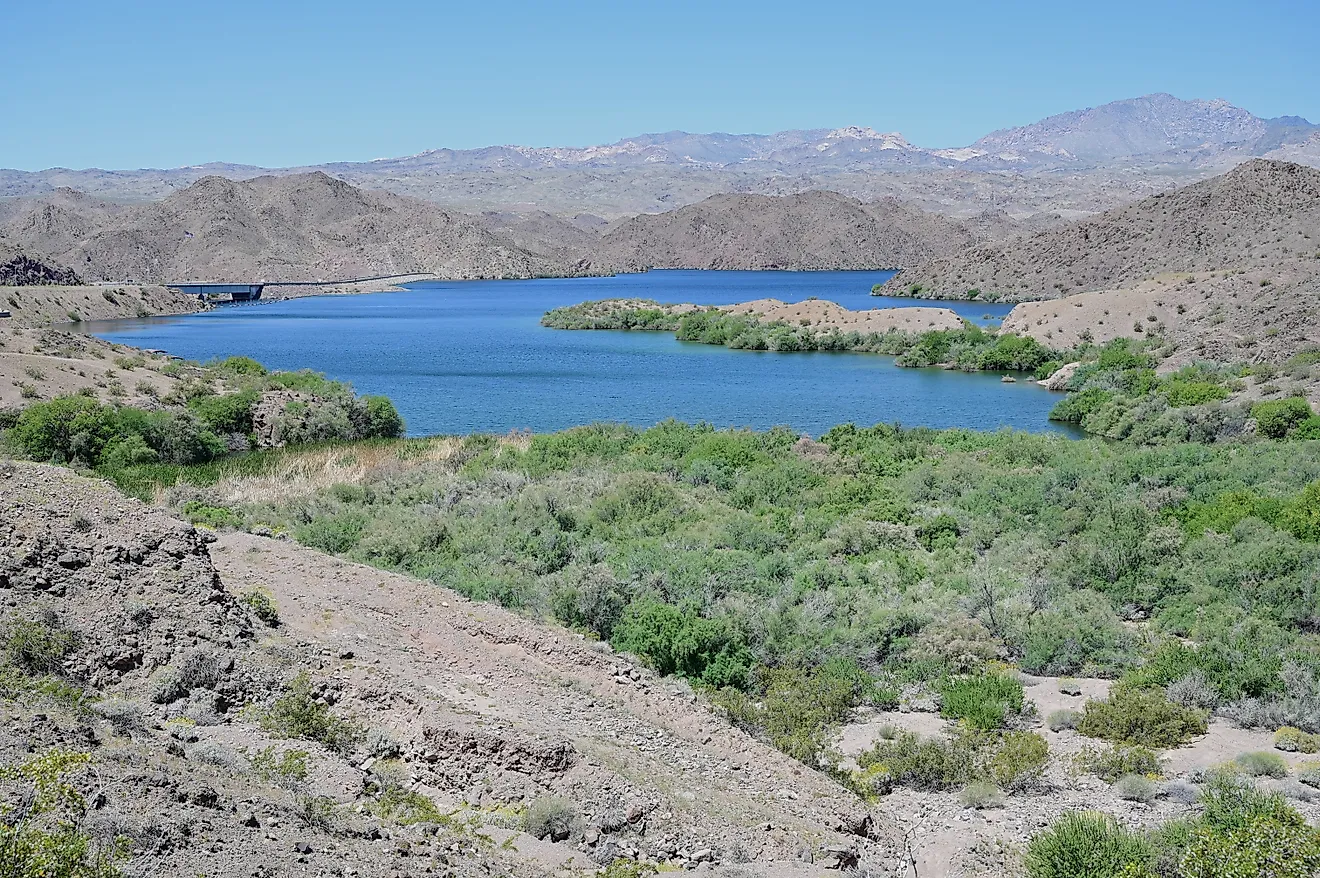
Cochiti Lake was formed in 1975 when the U.S. Army Corps of Engineers completed Cochiti Dam, the eleventh-largest earthen dam in the world by volume. The reservoir sits on the lands of the Pueblo de Cochiti, a 50,000-acre sovereign tribal nation, and the recreation areas are operated under a cooperative agreement between the Pueblo, the Army Corps, and Cochiti Lake Village. The lake sits about 50 miles southwest of Santa Fe and 30 miles northwest of Albuquerque, with views of the Jemez Mountains in the background. Most of the surrounding reservation is closed to outside access, which has helped keep the area undeveloped and reliable as snake habitat.
The western diamond-backed rattlesnake (Crotalus atrox) has been documented around the recreation areas, particularly on the rocky shoreline that absorbs and retains heat. Non-venomous species observed in the area include the wandering garter snake (Thamnophis elegans vagrans), the bullsnake (Pituophis catenifer sayi), and the coachwhip (Masticophis flagellum). The coachwhip is one of North America's fastest snakes, capable of bursts of about four miles per hour, and is more likely to flee than confront when disturbed.
All snakes can swim, not just water snakes. Rattlesnakes and bullsnakes alike will enter water to cross between hunting grounds or to cool down. Visitors swimming at Cochiti or any New Mexico reservoir need to watch the water as well as the shoreline.
Conchas Lake

Conchas Lake was built by the U.S. Army Corps of Engineers, with the dam completed in 1939 for flood control and irrigation along the South Canadian River. The lake sits in San Miguel County, about 30 miles northwest of Tucumcari and roughly 75 miles east of Las Vegas, New Mexico. Conchas Lake State Park surrounds the reservoir and offers three separate recreation areas with about 200 campsites combined. The Conchas Dam Golf Course, a 9-hole layout near the south recreation area, ranks among the more unusual amenities at a New Mexico reservoir, and ancient petroglyphs scattered across exposed sandstone outcrops indicate human use of the area going back at least 1,000 years.
Two venomous rattlesnake species share the area. The prairie rattlesnake (Crotalus viridis) is the dominant venomous species at this elevation and latitude; the western diamond-backed rattlesnake (Crotalus atrox) is also present, more often on the rockier south-facing slopes. Non-venomous species commonly recorded include the bullsnake (Pituophis catenifer sayi), the coachwhip (Masticophis flagellum), and the Great Plains rat snake (Pantherophis emoryi). Snakes have been observed swimming across coves and inlets, and shoreline fishing areas have produced several reported encounters during summer.
Sandia Lakes

Sandia Lakes Recreation Area sits on the Sandia Pueblo, about 8 miles north of downtown Albuquerque along the east bank of the Rio Grande. The three lakes total approximately 19 surface acres and operate as a Pueblo-run fishery, stocked with rainbow trout in cool months (typically October through April) and channel catfish in warm months (May through September). The lakes are part of the Rio Grande Bosque ecosystem, with cottonwood-willow gallery forest, dense understory shrubs, and a permanent water source.
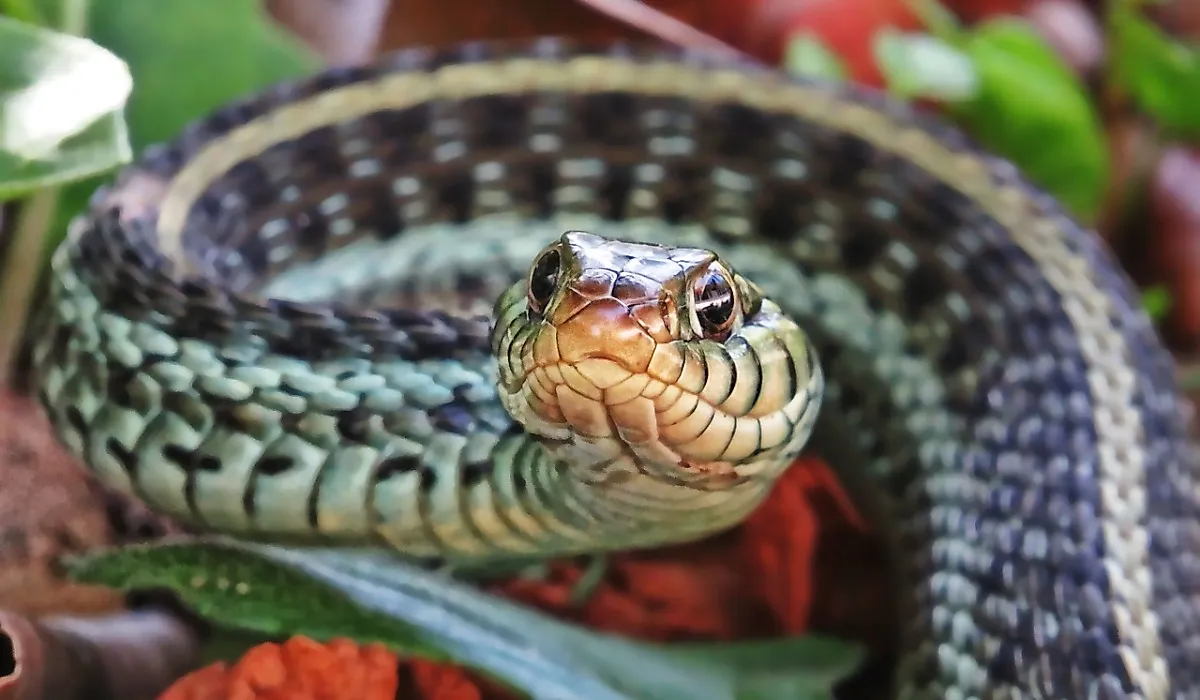
Non-venomous species recorded at Sandia Lakes include the striped whipsnake (Masticophis taeniatus), the New Mexico garter snake (Thamnophis sirtalis dorsalis), the glossy snake (Arizona elegans), and the long-nosed snake (Rhinocheilus lecontei). The striped whipsnake moves with exceptional speed when threatened and may bite defensively if cornered, but the bite is harmless. Venomous species reported from the surrounding Bosque include the western diamond-backed rattlesnake (Crotalus atrox) and the northern black-tailed rattlesnake (Crotalus molossus molossus); both occur primarily in the drier areas above the immediate floodplain.
What to Do If Bitten
For a venomous bite anywhere in New Mexico, the New Mexico Poison and Drug Information Center at the University of New Mexico (1-800-222-1222) is the front line. Get the bitten person to medical care as soon as possible; do not apply ice, do not use a tourniquet, do not attempt to suck out venom, and do not try to capture or kill the snake. Photograph the snake from a safe distance if possible, but a clear description is enough for hospital staff to select the right antivenom. All major hospitals in Albuquerque, Las Cruces, and Santa Fe stock CroFab antivenom for rattlesnake bites, and coral snake antivenom is available through coordinated state stocking arrangements. Most New Mexico snake encounters end without a bite if the snake is given space to leave.