The Longest Lakes In The World
Ranking lakes by length is a gloriously unfair way to do it, and that is exactly why it is fun. Measure a lake by surface area and the fat, round, sprawling ones win. But measure it end to end, tip to tip, and suddenly the trophy goes to the long, skinny string beans of the lake world, the ones squeezed into narrow rift valleys and drowned river canyons. This is the ranking where a lake's shape matters more than its bulk, where Lake Superior, the undisputed heavyweight, gets out-stretched by an African lake it could swallow whole. Grab a tape measure. Here are the longest lakes on the planet.
Lake Tanganyika, Africa
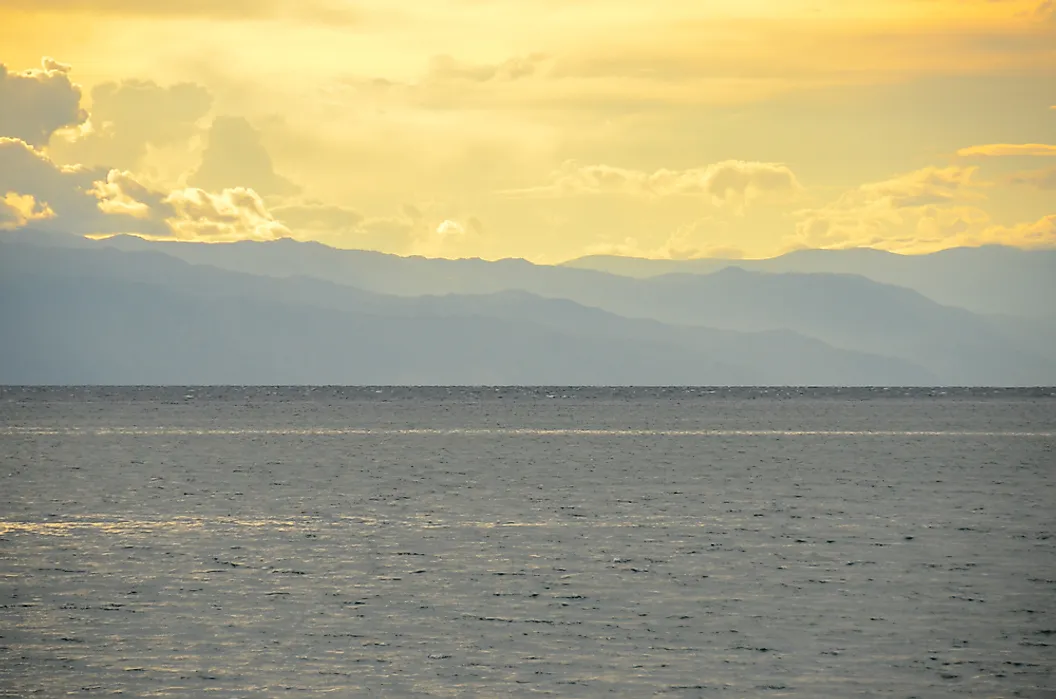
Meet the champion. Lake Tanganyika runs an absurd 418 miles (673 km) from top to bottom, making it the longest freshwater lake in the world by a comfortable margin. It is so long that it forms the shared border of four separate countries, so a fish at the north end in Burundi and a fish at the south end in Zambia are basically living in different time zones of the same lake. The reason it got this ludicrously stretched is geology: Tanganyika sits in a crack in the Earth's crust, the East African Rift, which pulled the land apart into a long, narrow, staggeringly deep trench. It is not just the longest, it is the second-deepest and second-oldest lake anywhere. An overachiever in every direction except width.
Lake Baikal, Russia
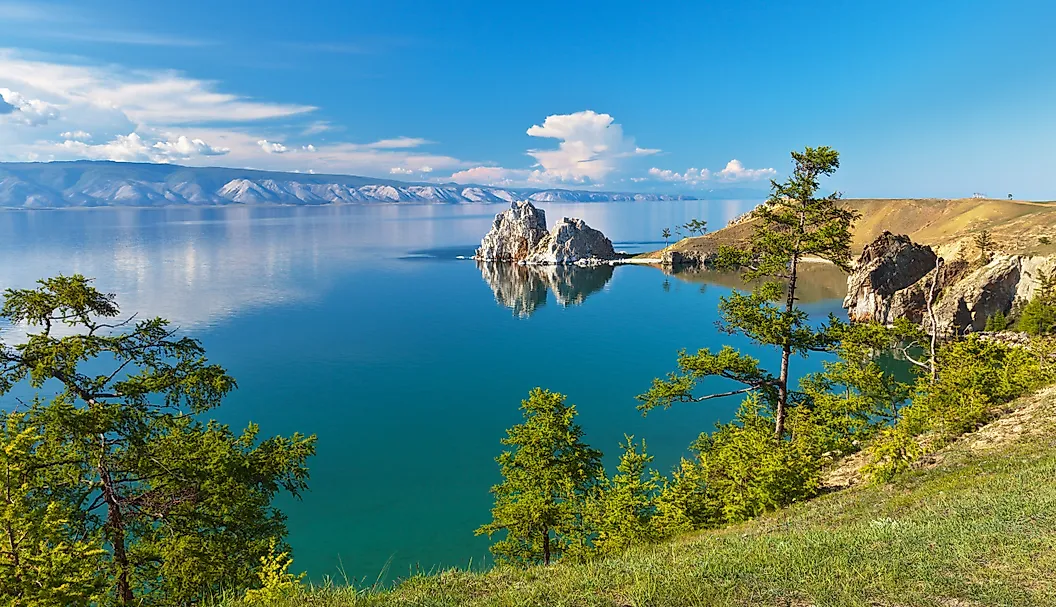
Coming in a very close second is Siberia's Lake Baikal, stretching 395 miles (636 km) through the frozen heart of Russia. Baikal is Tanganyika's spiritual twin, another ancient rift lake gouged out by the Earth splitting apart, and it holds the trump card of being the deepest lake on the planet, plunging over a mile straight down. It is also home to a fifth of all the unfrozen fresh water on Earth's surface, which is a genuinely bananas statistic for one skinny lake in Siberia. Long, deep, ancient, and stuffed with more water than all five Great Lakes combined. Baikal does not do anything by halves.
Lake Malawi, Africa

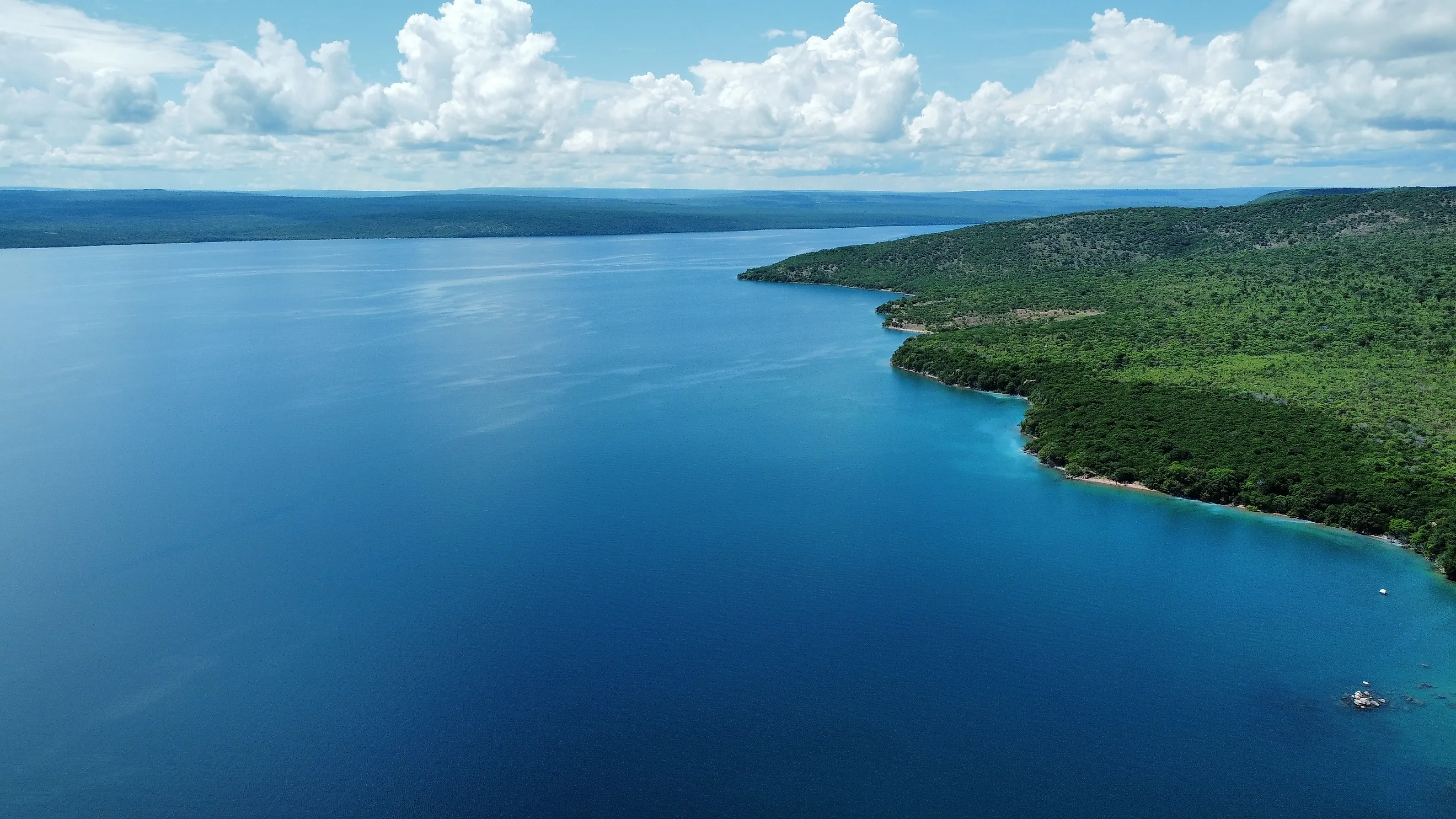
Africa's Rift Valley strikes again with Lake Malawi, also called Lake Nyasa, which stretches roughly 360 miles (579 km) down the map. It has earned the best nickname on this list: the "Calendar Lake," because it is often cited as being about 365 miles long and 52 miles wide, which, if you squint, matches the days and weeks of a year. Whether or not the tape measure fully cooperates, it is a wonderful bit of trivia. Beyond its convenient dimensions, Malawi is a biological wonderland, home to more fish species than any other lake on Earth, including well over a thousand kinds of colorful cichlids found nowhere else.
Lake Superior, United States and Canada

Here is where the unfairness of this ranking really bites. Lake Superior is the largest freshwater lake in the world by surface area, a genuine inland sea that could hold all the other Great Lakes plus a few extra. And yet, measured purely by length, it manages a still-enormous but less dominant 350 miles (563 km). Superior is built like a sumo wrestler, huge in every direction, so it loses the long-jump contest to the lanky rift lakes that are all length and no width. It is a good reminder that the biggest kid in class is not always the tallest.
Lake Michigan, United States

Its Great Lakes sibling Lake Michigan stretches about 307 miles (494 km), and it gets to wave a small flag the others cannot: it is the largest lake located entirely within one single country, sitting wholly inside the United States while its siblings all have to share with Canada. That length is why a beach day in the Indiana Dunes at the southern tip and a trip to the Upper Peninsula wilderness at the northern end feel like completely different worlds, despite technically sitting on the same body of water. One lake, an entire day's drive from one end to the other.
Great Slave Lake, Canada

Up in the wild Northwest Territories, Great Slave Lake reaches about 300 miles (480 km) in length, all of it in some of the emptiest country in North America. Being the deepest lake on the continent, it doubles down on the "long and deep" combo, and it is so far north and so sparsely populated that most of its enormous length is fringed by pure, untouched wilderness. This is a lake you experience by float plane and fishing lodge, not by lakeside condo, and its sheer scale is a big part of why it feels less like a lake and more like a freshwater frontier.
Lake Winnipeg, Canada

Canada takes another slot with Lake Winnipeg, which snakes about 258 miles (416 km) down through Manitoba in a shape best described as a long, wobbly ribbon. This is the entry that most obviously wins on length by being narrow: Winnipeg is skinny and stretched, the anti-Superior, proof that you do not need to be a giant to make a length list, you just need to commit fully to being long. It is a shallow, wind-whipped lake that punches well above its weight, and its remarkable reach across the prairie is exactly the kind of body shape this particular contest was built to reward.
The Caspian Sea (The Asterisk Champion)

And now for the entry that would humiliate everyone else, if we let it play. The Caspian Sea stretches an outrageous 750 miles (1,200 km) from north to south, nearly double the length of mighty Tanganyika. Technically, it is the largest lake on Earth: a completely landlocked body of water with no connection to the ocean, which is the textbook definition of a lake. The catch is the name and the salty water, which have people arguing to this day over whether it is a true lake or an inland sea. So it sits here with a giant asterisk, the undisputed longest lake in the world on a technicality, permanently stuck at the kids' table of an argument nobody can win.