The Lakes Where Whitefish Grow Largest
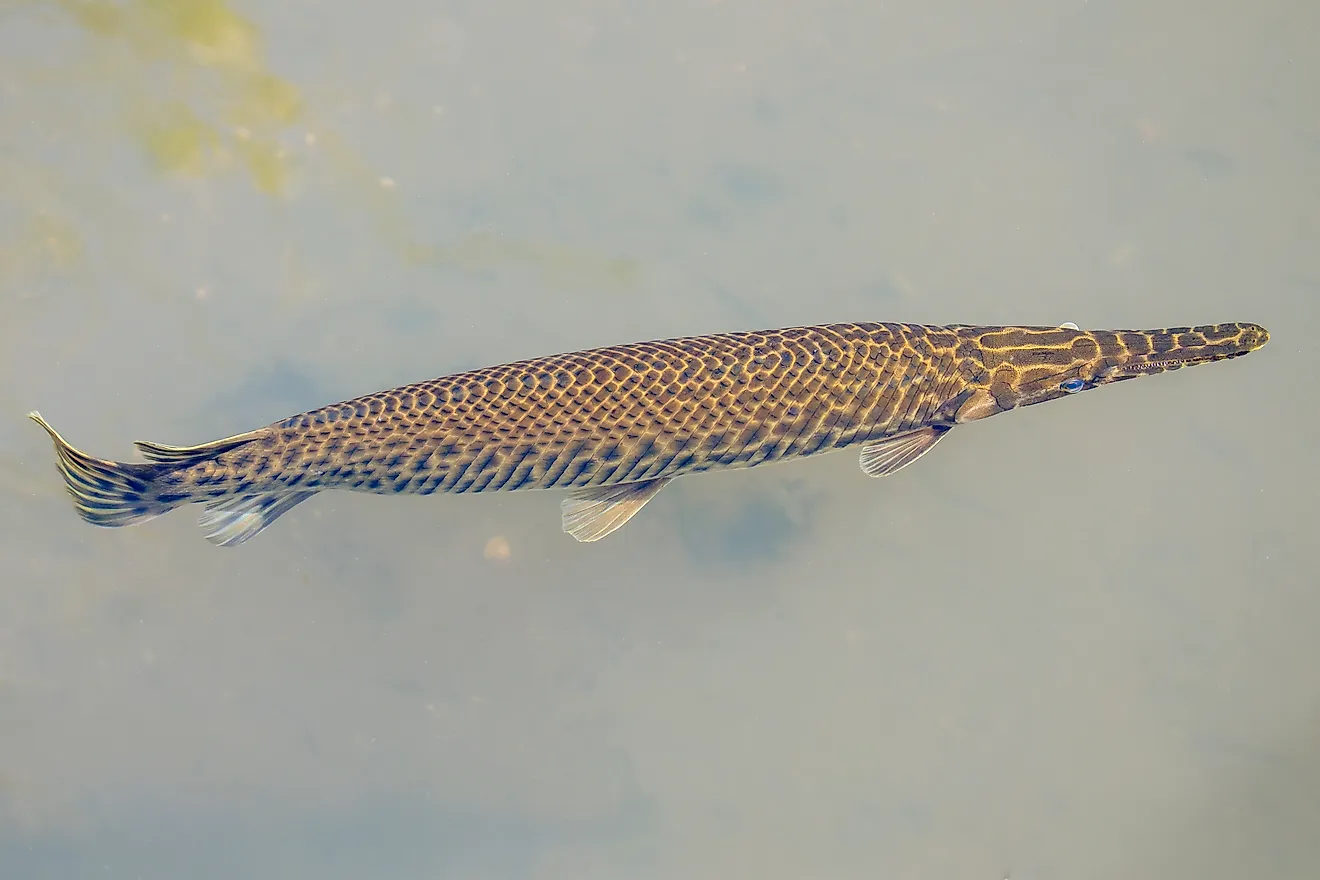
Picture a whitefish and you are almost certainly picturing the wrong animal. The thing in your head is a mild, vacuum-packed fillet from a Great Lakes smokehouse, a fish that averages four and a half pounds and has never threatened anybody. The largest whitefish in the world weighs 53 pounds, has a gaping mouth like a tarpon, is armed with sandpaper teeth, eats other fish, and lives in Arctic Alaska. It is called the inconnu, which is French for unknown, because the voyageurs who first met it had no idea what they were looking at and the name stuck. So the honest answer to where whitefish grow largest is a place most Americans could not find on a map, and the fish is named after the confusion it caused.
Here is the whole family, from the one nobody can catch to the one everybody eats.
First, Whitefish Is Not A Fish

It is a subfamily. Coregoninae contains dozens of species across the northern hemisphere, and the ones people actually mean are wildly different animals.
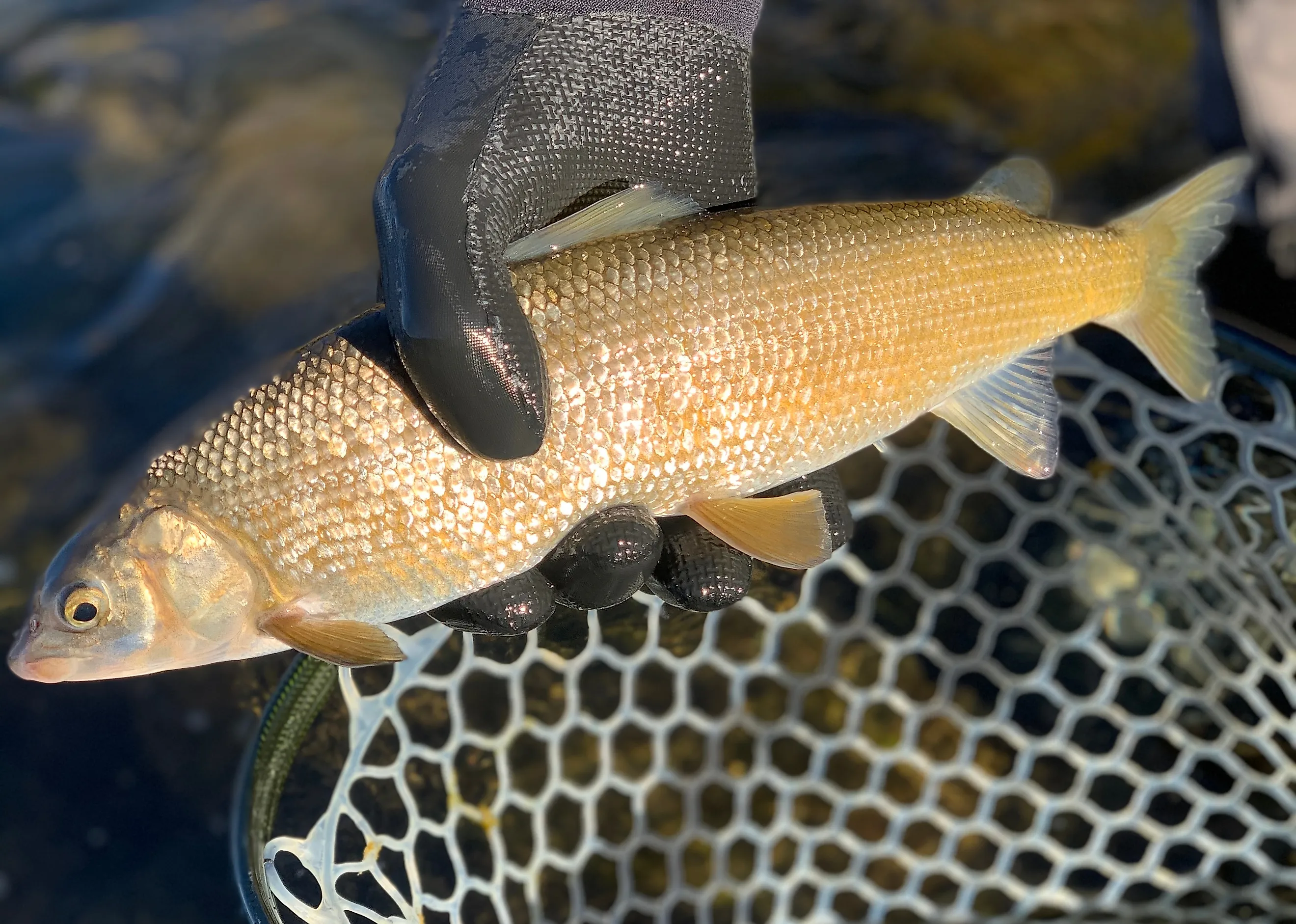
Lake whitefish average about four and a half pounds. Cisco, also called lake herring, run around two. Mountain whitefish top out near six and a half. Humpback whitefish need eight years to reach 22 inches and five pounds. And then there is the sheefish, which is in the same subfamily and roughly ten times the size of everything else in it.
Asking where whitefish grow largest is a bit like asking which member of the cat family gets biggest and being handed a tiger.
Selawik And The Kobuk, Alaska

This is the answer, and the numbers back it up decisively.
The Alaska Department of Fish and Game puts the record sport-caught sheefish at 53 pounds, taken from the Pah River in the northwest of the state in 1986. In the Selawik and Kobuk drainages, sheefish routinely reach around 60 pounds and exceed 42 inches, which is a genuinely different order of fish from anything in the Great Lakes.
You will also see 83 pounds cited online. Treat it carefully. The state agency that maintains the record lists 53, and it is the authority worth trusting here.
These fish move like nothing else in the family. Some populations are anadromous, running between fresh and salt water, and individuals have been tracked covering more than a thousand miles in a year. Biologists on the Yukon in the 1990s traveled over a thousand miles by boat simply to find where they spawn.
The Inconnu Is Barely Studied

MeatEater ran a feature on the sheefish under the headline The Greatest Sportfish You've Never Heard Of, which is unusually accurate as headlines go.
The scientific name is doing some work too. Stenodus leucichthys breaks down from Greek as narrow teeth and white fish, which is a fairly clinical description of an animal that hits a lure, in the words of one Alaskan guide, like a Hoover vacuum.
Spawning is a serious undertaking. Females produce between 100,000 and 400,000 eggs and the energy cost is high enough that most skip seasons entirely, spawning every two years or more. They broadcast eggs over gravel in late September and early October and leave within two weeks. Nobody builds a nest.
Communities across remote Alaska call it sii and have dried and smoked it for generations as winter protein, which is the oldest and least publicized fishery on this page.
Great Slave Lake, Northwest Territories

If the sheefish is disqualified for being a river fish with lake habits, Great Slave is the strongest true-lake answer.
It is the deepest lake in North America, it is cold, it is enormous, and it holds both lake whitefish and inconnu at the southern edge of the sheefish range. Cold water and a long growing life is the standard recipe for oversized coregonids, and this lake has more of both than almost anywhere.
The commercial whitefish fishery here has run for decades, which is the practical measure of how many large fish a lake actually holds.
The Great Lakes, Where The Fish Is Famous And Small
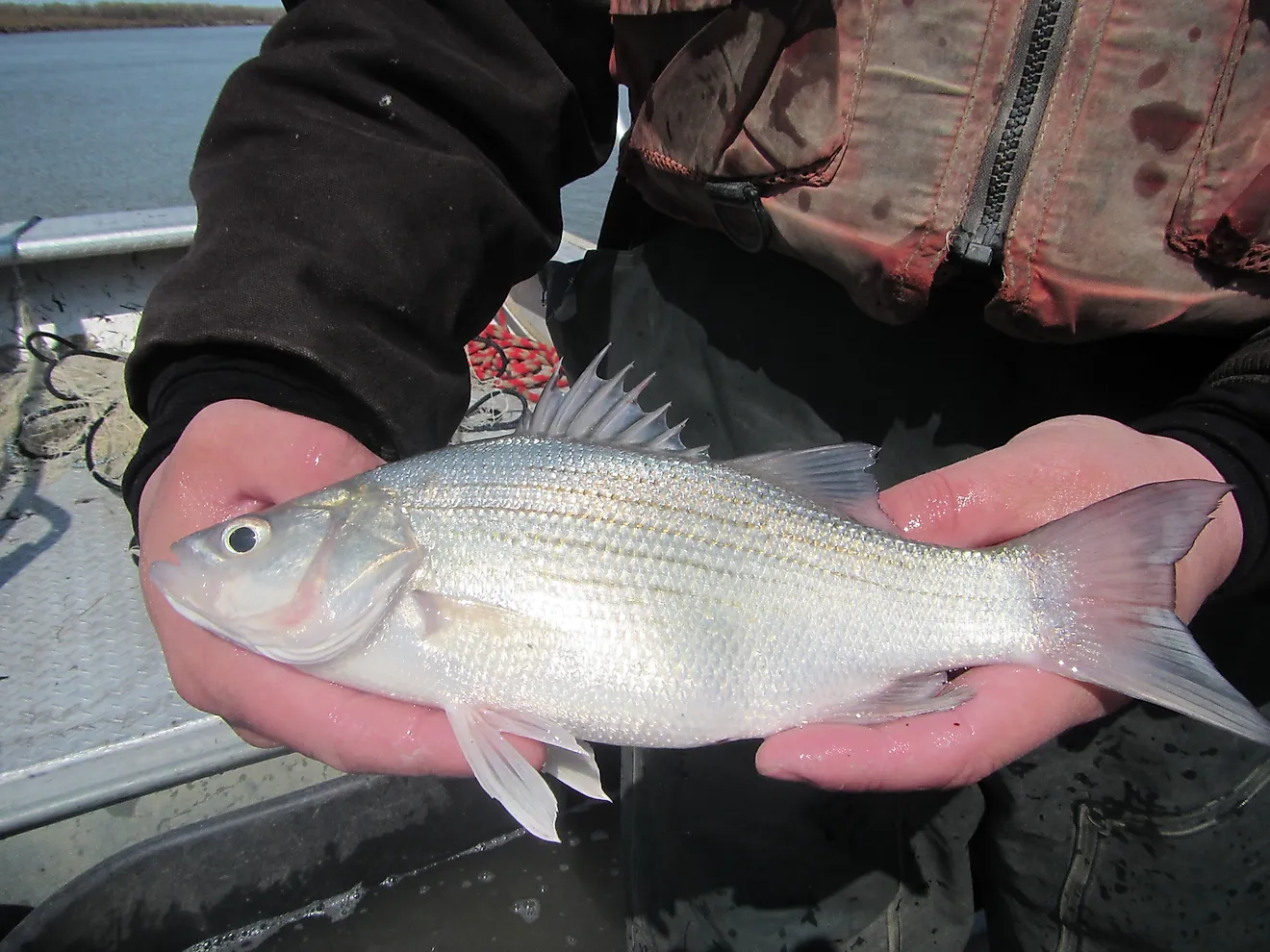
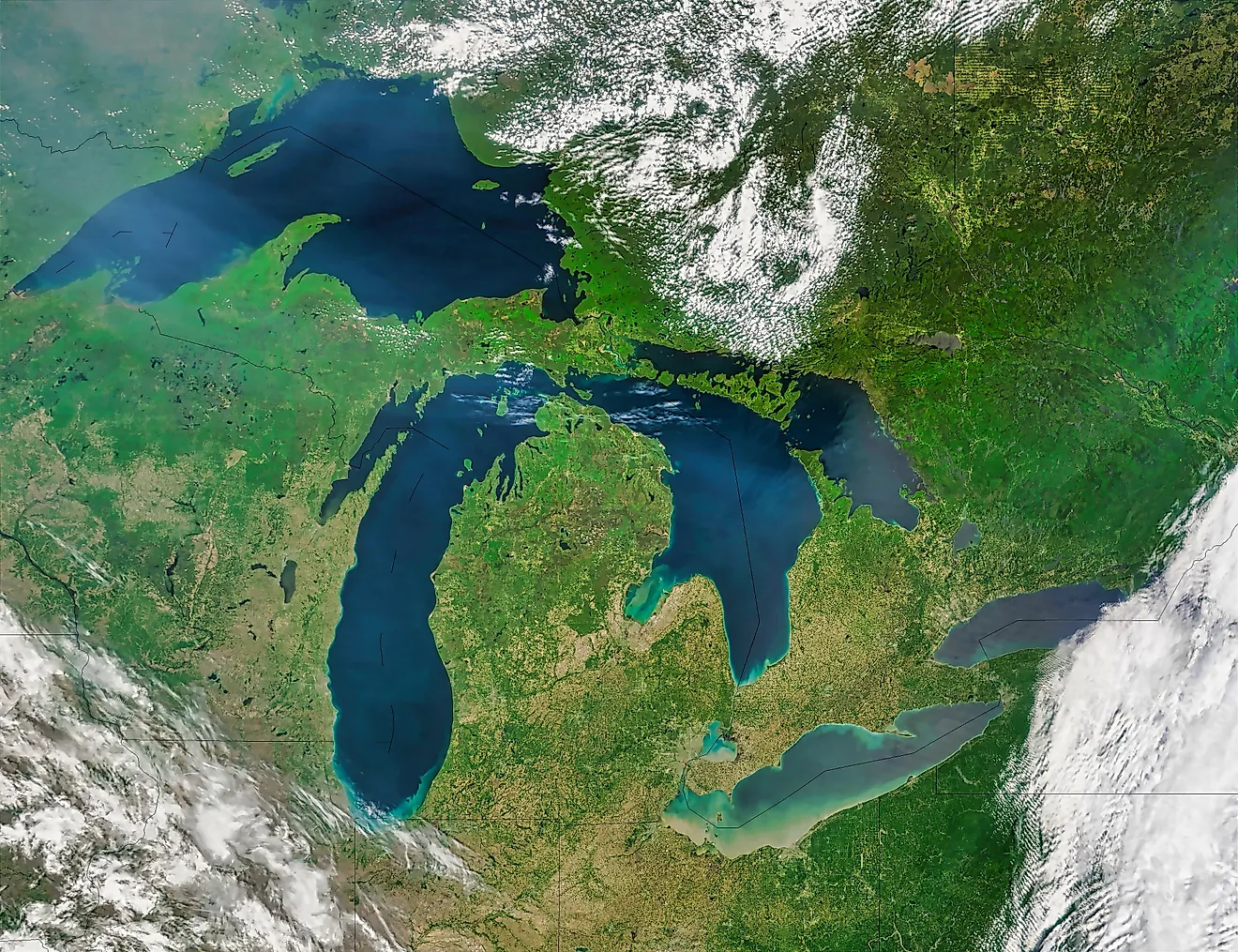
Lake whitefish built an industry across the Great Lakes, and it did it at an average weight of about four and a half pounds.
This is the fish in the smokehouse, on the menu at every supper club from Duluth to Door County, and in the vacuum pack at the grocery store. It is commercially the most valuable member of the entire subfamily and it is nowhere near the biggest.
It also has more aliases than a con artist. Depending on where you are standing it is Great Lakes whitefish, Sault whitefish, common whitefish, eastern whitefish, inland whitefish, humpback whitefish, Otsego bass, or, memorably, gizzard fish.
Lake Simcoe, Ontario

Simcoe is the whitefish lake for people who like their fishing done through a hole in eighteen inches of ice.
The winter fishery here is one of the most concentrated in North America, with whitefish and lake herring taken from hut villages that appear on the ice every January. The fish are not enormous by sheefish standards. Nobody minds, because the point of Simcoe is that you can drive to it from Toronto.
The Mountain Whitefish Nobody Wanted
There is one more member worth naming, mostly because of how badly it is treated.
Mountain whitefish live in western trout streams and reach around six and a half pounds, which makes them the second largest in the family and the one most American anglers have actually held. Britannica rates the round whitefishes as the best sport fish in the group.
Trout anglers do not agree. A mountain whitefish caught on a nymph intended for a brown trout is, in most western fishing camps, treated as a disappointment, which is a strange fate for a native fish that outweighs most of the trout in the same river.
Why The Big Ones Are Where They Are
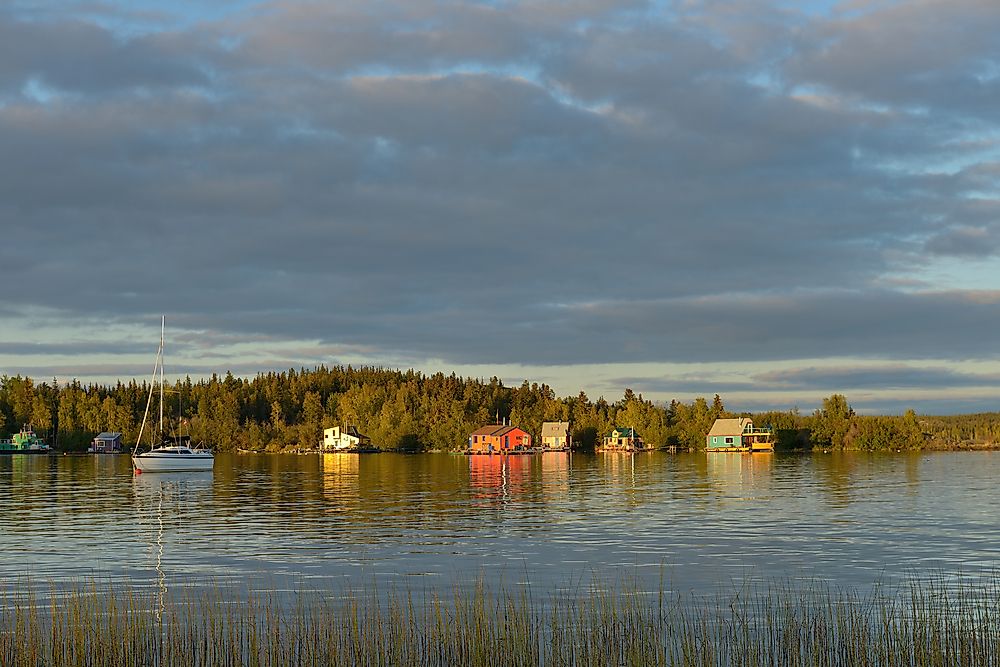
Three conditions, and the Arctic has all of them.
Cold water first, because coregonids are cold-adapted and grow steadily rather than quickly. Then time, since a fish that puts on weight slowly needs decades of it, and the far north has almost no angling pressure to interrupt that. Then diet, which is the one that separates the sheefish from its relatives entirely.
Most whitefish eat invertebrates off the bottom. They have small mouths and no teeth worth mentioning and they are, functionally, grazers. The sheefish eats fish. It has the mouth for it, the teeth for it and the speed for it, and that is why it weighs ten times what its cousins do while living in colder, poorer water.
The whitefish family produced one predator, and the predator won the size contest.
The Answer, Depending On What You Meant

If you meant the whitefish subfamily, the answer is the Selawik and Kobuk systems of northwest Alaska, and the fish is a 53-pound inconnu that most anglers will never see.
If you meant a true lake, it is Great Slave, deep and cold and holding both ends of the family.
And if you meant the fish you actually eat, it is the Great Lakes, where the most commercially important whitefish in North America averages four and a half pounds and answers to about nine different names.
Three defensible answers, one subfamily, and a size range of roughly twelve to one. Whoever decided to call all of them whitefish has a lot to answer for.