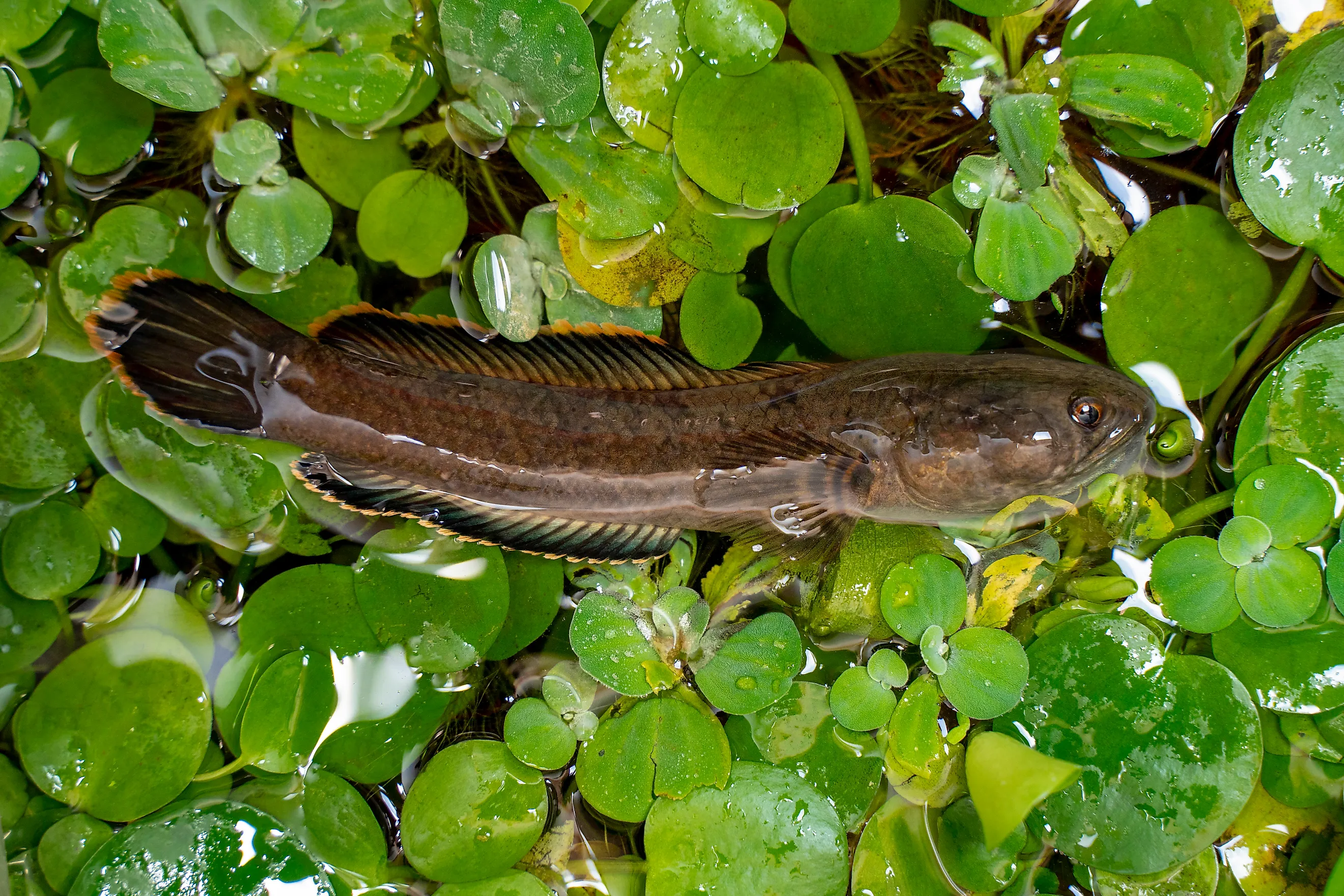
The Lakes Where Snakeheads Are Spreading
Few invasive species have captured the public imagination quite like the northern snakehead, the air-breathing "Frankenfish" that can survive out of water for days and even wriggle short distances across wet ground. Since it first turned up in a Maryland pond in 2002, this voracious Asian predator has established itself across a growing swath of the eastern United States, thriving in exactly the kind of slow, weedy water that fills the region's rivers, ponds, canals, and lakes. Federal biologists now consider it established in seven states, and its range keeps creeping outward. Here is where snakeheads have taken hold, and why they are so hard to stop.
Meet the Frankenfish

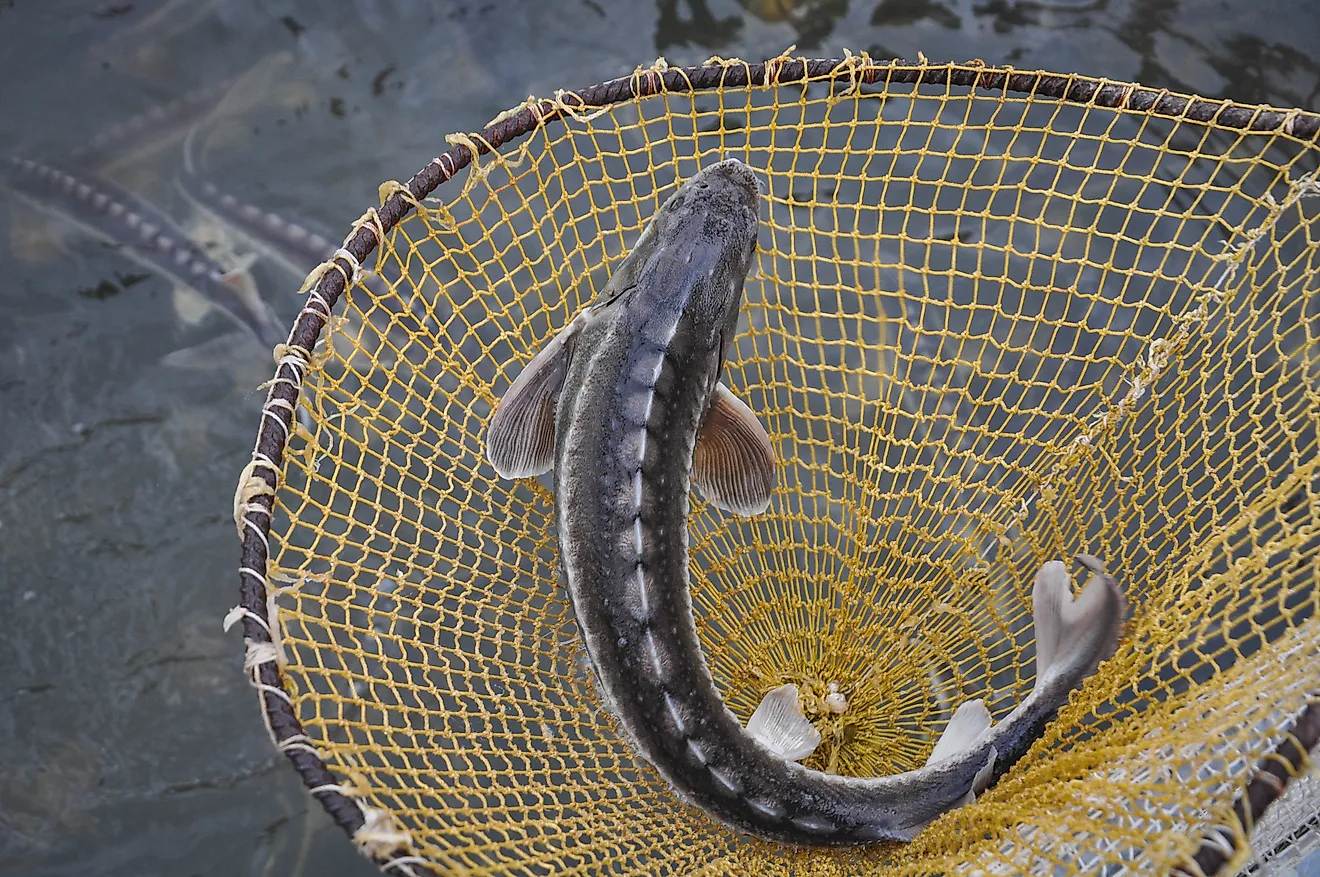
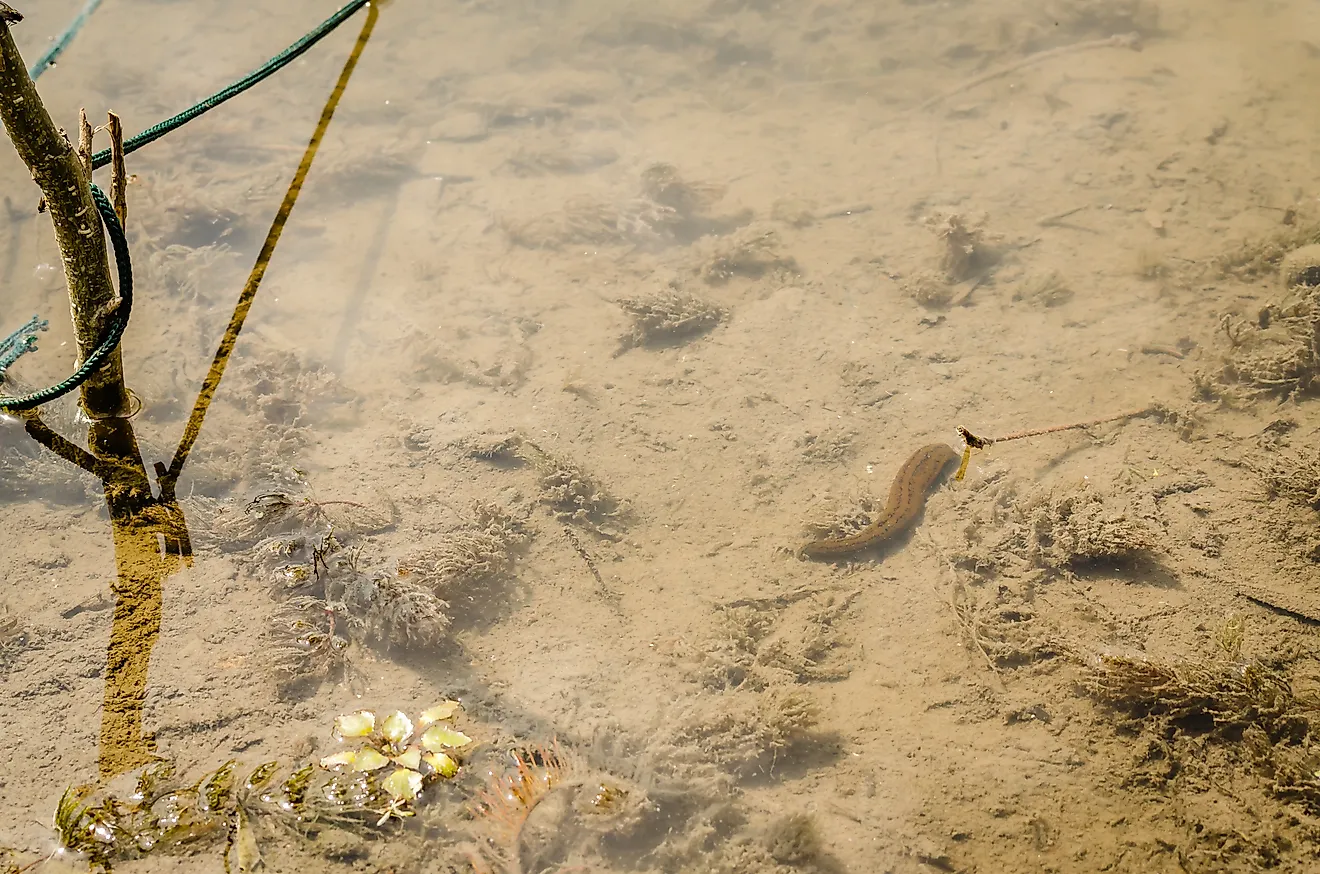
Native to China, Korea, and parts of Russia, the northern snakehead is built to invade. Using a specialized organ above its gills, it can breathe air directly, which lets it survive out of the water for up to four days as long as it stays moist, and even slither overland from one body of water to the next. It is a fierce, toothy top predator that eats fish, frogs, and crayfish, matures quickly, and reproduces prolifically, all while tolerating a wide range of temperatures and even slightly salty water. That combination of traits, plus a total lack of natural enemies in North America, is why a single illegal release can seed an entire watershed. It also explains the fish's lurid nicknames, including "Frankenfish" and, on one television show, "the fish from hell."
The Potomac River: Ground Zero

The most famous and firmly established snakehead population lives in the Potomac River, which winds past Washington, D.C. Fish first appeared there around 2004, apparently from a separate introduction than the eradicated Maryland pond, and they have since spread throughout the river's creeks and into tributaries of the wider Chesapeake Bay. The Potomac is where the current world-record northern snakehead was caught, a 17-pound, 6-ounce giant landed in Virginia in 2013. Maryland has leaned into the problem with gusto, even officially rebranding the fish as the "Chesapeake Channa" in 2024 to encourage people to eat it, and thousands of pounds of invasive fish are now netted from the watershed each year and donated to food banks.
The Delaware Watershed

A second major stronghold has developed in the Delaware River watershed, spanning Pennsylvania, New Jersey, and Delaware. Snakeheads began showing up in New Jersey's Delaware River tributaries as early as 2009 and in the state of Delaware around 2010, and genetic studies have since identified a distinct population centered on the Philadelphia area, including well-known city waters like the lakes of FDR Park. Because the fish arrived here separately from the Chesapeake invasion, this front represents its own independent beachhead, one that anglers regularly encounter in the ponds, creeks, and slow backwaters of the lower Delaware Valley.
Arkansas and the Mississippi Basin

Far to the west of the mid-Atlantic populations, snakeheads have dug in across eastern Arkansas. After a single fish was found in a drainage ditch near Monroe in 2008, biologists realized a population had already established itself in the maze of irrigation canals and waterways that lace the state's rice-farming country. From there, the fish have worked their way into the broader Mississippi River basin, and stray specimens have turned up as far afield as an oxbow lake off the Mississippi River itself. Because the Mississippi system connects an enormous portion of the continent, the Arkansas population is the one that most worries biologists about long-range spread.
New York's Lakes and the Hudson

New York has its own snakehead story, and it involves actual lakes. The first fish in the state was documented in 2005 at Meadow Lake in Queens, in the heart of New York City, and another population later took hold farther upstate, including in Ridgebury Lake in Orange County. Genetic research has found two genetically distinct snakehead populations in the Hudson River basin, an upper and a lower group, suggesting more than one introduction. Wildlife officials have managed to wipe out a few isolated pockets over the years, but the fish's presence across the region shows how easily it slips into ponds and lakes once it arrives.
Florida's Different Invader

Florida belongs on any snakehead map, but with an asterisk, because its established invader is a different species entirely. While only stray northern snakeheads have ever been found in the state, the bullseye snakehead has become firmly established in the canals of southeastern Florida, particularly around Broward County. Introduced separately, this warm-water cousin has thrived in the region's dense network of artificial waterways, where the subtropical climate suits it perfectly. It behaves much like its northern relative, an aggressive predator that has become a permanent fixture of South Florida's freshwater fishing, and even a target species for some anglers.
How to Slow the Spread

Snakeheads move between watersheds in three main ways: illegal release by people who once kept them as food or aquarium fish, natural dispersal through connected waterways, and their own remarkable ability to travel over land. That makes prevention a shared responsibility. Wildlife agencies across the affected states now ask that anyone who catches a snakehead kill it immediately rather than release it, and report the catch to their state fish and wildlife department, ideally with a photo and location. Never move a live snakehead or dump aquarium fish into local water. And since the fish is genuinely good eating, agencies increasingly encourage a simple, satisfying response to the invasion connected to the Mississippi River and beyond: catch one, and put it on the grill.