The Most Invasive Species Plagued Lakes In The United States
After millennia of contact with nomadic humans and animals, virtually no American lake is untouched by invasive species. But, when considering both the biomass and biodiversity of non-native creatures, five lakes are plagued worse than the rest. These are the Great Lakes, a chain of giant water bodies connected to much of the United States, Canada, and the wider world. As such, they have long formed an international waterway for stowaway species, with increased traffic following the completion of the Erie Canal in 1825, Welland Canal in 1829, and St. Lawrence Seaway in 1959. When judging which of the Great Lakes is most plagued with invaders, geography usurps size. Proximity to Atlantic traffic means more invasions. We have thus ordered the Great Lakes from west to east, starting with the least invaded, most westerly lake and ending with the most invaded, most easterly lake.
5. Lake Superior

With a surface area of approximately 31,700 square miles (82,100 km²), Lake Superior is the largest of the Great Lakes and the largest freshwater lake in the world. It is also the deepest and coldest Great Lake, as well as the farthest Great Lake from the bustling East Coast. Such variables make Superior, according to the Ontario Federation of Anglers and Hunters, the "least invaded" of the Great Lakes. Still, roughly 100 non-native species have been found in the Superior watershed, with some more established and destructive than others.
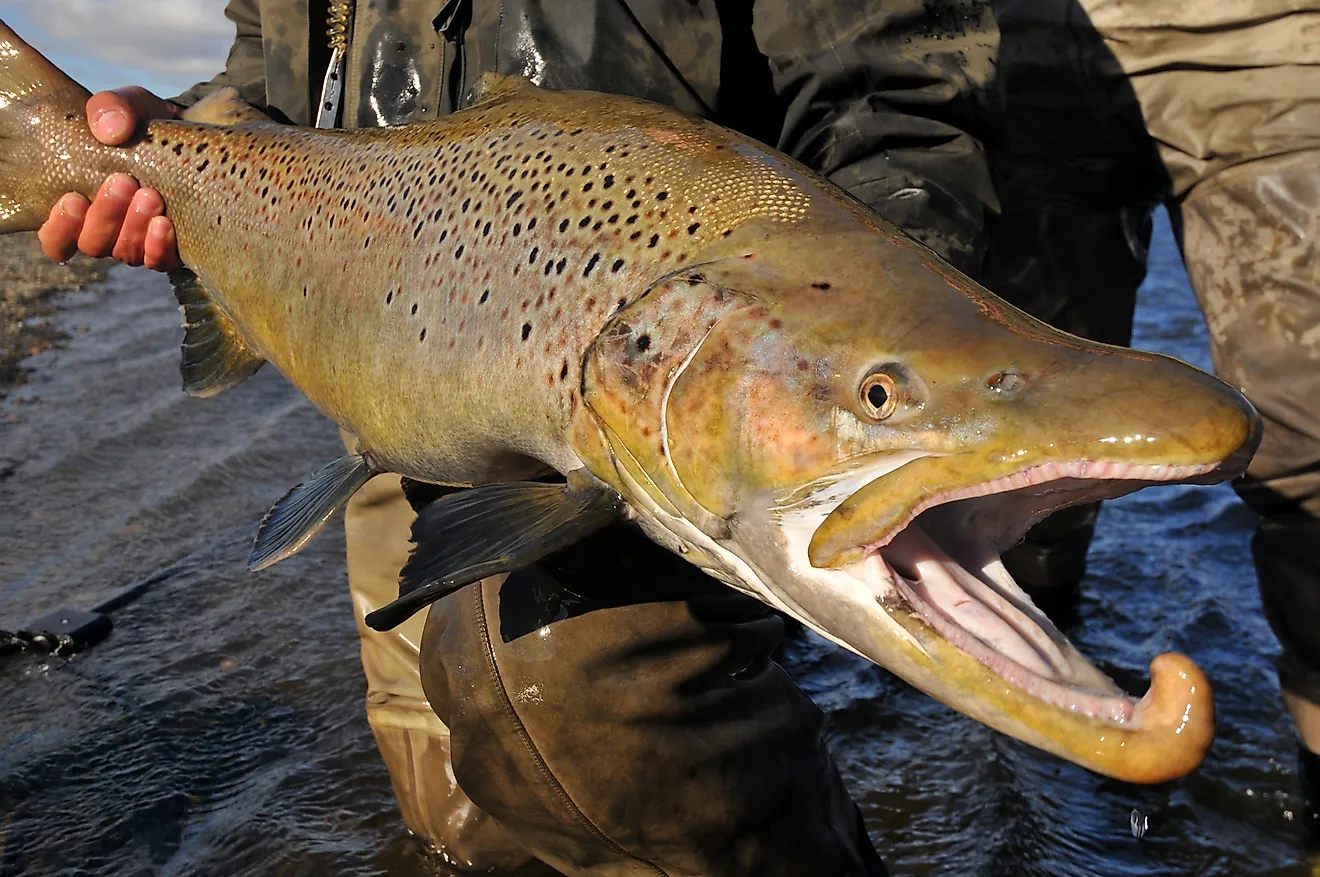
The alewife (Alosa pseudoharengus) is a small migratory fish that may be native to Lake Ontario but has spread to the other Great Lakes, reaching Superior by at least the 1950s. It contains dangerously high levels of thiaminase, an enzyme that can degrade thiamine in native predatory species, causing early mortality syndrome in species such as coho salmon (Oncorhynchus kisutch) and lake trout (Salvelinus namaycush). Another invader that kills native fish is the sea lamprey (Petromyzon marinus), which has been sucking critical amounts of blood from critical fish populations in Superior since at least 1938.
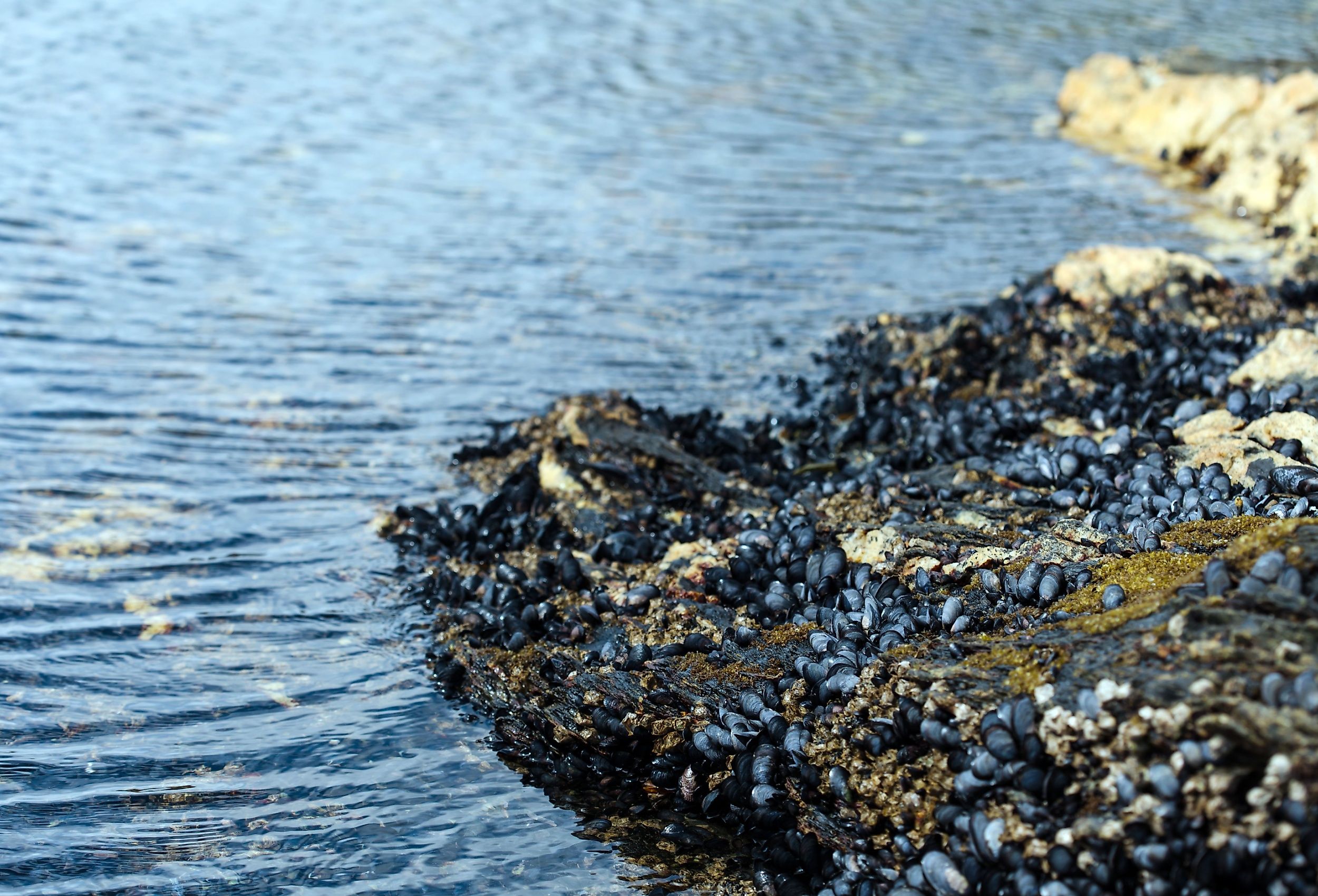
The alewife and sea lamprey rank third and fourth, respectively, on the Journal of Great Lakes Research's list of the top 10 Great Lakes aquatic invasive species. First and second are the zebra mussel (Dreissena polymorpha) and quagga mussel (Dreissena bugensis). Though both bivalves are present in its watershed, Lake Superior is the last Great Lake undecimated by mussels. However, thanks to rising temperatures and calcium densities (which enable breeding and the formation of shells), that status is changing as we speak.
4. Lake Michigan

Second in the chain of Great Lakes, going west to east, is Lake Michigan, the third-largest of the lakes by surface area and the only one set entirely within the United States. Mussels that are slowly colonizing Lake Superior proliferate in Lake Michigan, having invaded via the bows and ballasts of visiting ships. The zebra mussel was first found in Lake Michigan in 1989. The quagga mussel arrived several years later. In 2000, zebras comprised 98.3% of the collected Lake Michigan mussels. By 2005, quaggas had taken over, accounting for 97.7% of collected mussels per the Center for Invasive Species Research. Recent population estimates have reached 35,000 quagga mussels per square meter, totalling hundreds of trillions of invasive mussels throughout Lake Michigan.

That many mussels can filter the entire volume of the lake in less than two weeks, resulting in constantly clear water. But clear water is dead water. Invasive mussels have filtered much of the biomatter that sustains native species. Among the biggest victims are the zooplankton that feed lake whitefish (Coregonus clupeaformis). Their disappearance has reduced Lake Michigan whitefish harvests by nearly 90 percent since 1999.
3. Lake Huron

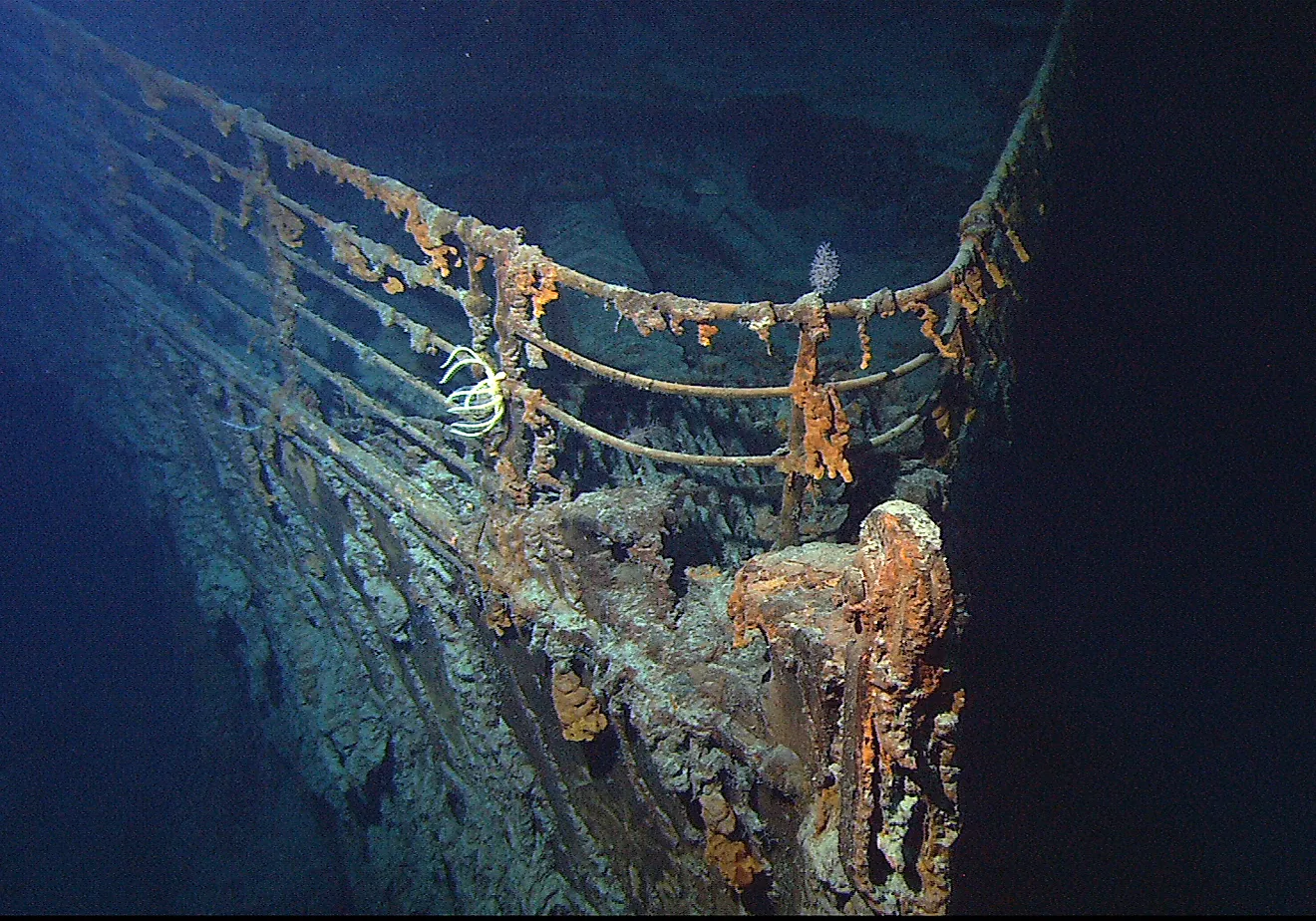
As with Lake Michigan, zebra and quagga mussels have ravaged Lake Huron, the second-largest of the Great Lakes and third in the west-to-east chain. In fact, it was Lake St. Clair, a smaller water body connecting Huron to the following Great Lake, where the zebra mussel was first discovered in North America. Present in a routine sample dredged from the lake in 1988, the specimens appeared to be 2 years old and indicated they had arrived in ballast water that stabilized ships during transatlantic trips from their native Eurasia. Zebra mussels quickly spread to Lake Huron and, in addition to impairing native wildlife, they impair archaeologists who study Huron's myriad shipwrecks. Mussels love clinging to those sunken relics.

Aside from meddling mussels, Lake Huron invaders include the spiny waterflea (Bythotrephes longimanus), rusty crayfish (Orconectes rusticus), and grass carp (Ctenopharyngodon idella), the last of which ranks sixth on the Journal of Great Lakes Research's top 10 invaders list. In 2025, Lake Huron yielded a 57-pound (26-kilogram) grass carp. Thankfully, it was sterile.
2. Lake Erie

Unsurprisingly, Lake Erie, which connects to Lake Huron via mussel-spreading Lake St. Clair, is also marred by mollusks. It is marred by numerous other invaders, arguably the most plagued of the Great Lakes. Besides being the second-closest such lake to Atlantic traffic, Erie is the shallowest and warmest of the bunch, thereby serving as a literal breeding ground for many of the worst non-native species. For example, zebra mussels so scourged Erie that the lakeside city of Monroe, Michigan, once lost its water supply for multiple days because of bivalves blocking intake pipes. The quadrillions of Great Lakes mussels have caused billions of dollars in damage.
Other species wreaking havoc in Lake Erie's watershed are the round goby (Neogobius melanostomus), a small Eurasian fish that outcompetes native bottom-feeders and ranks as the ninth worst Great Lakes invader; water chestnut (Trapa natans), which degrades aquatic ecosystems with its thick, surface-spanning mats as the seventh worst Great Lakes invader; and the aforementioned spiny waterflea, which, like mussels, is a decimator of native zooplankton.
1. Lake Ontario

Though the smallest by surface area, Lake Ontario is the easternmost Great Lake. Therefore, it gets the nod over Lake Erie as the most invasive species-plagued lake in America. Many of the 200ish non-native species now established in the Great Lakes first passed through Lake Ontario. The alewife was first documented in Lake Ontario in the 1870s and made it all the way to Lake Superior by the 1950s. The sea lamprey was contained in Lake Ontario in the 1830s; a century later, it inhabited every Great Lake. The spiny waterflea, a relatively new invader, was discovered in Lake Ontario in 1982. It took just a few years for this teensy troublemaker to establish itself in all other Great Lakes. Lake Ontario is truly the Ground Zero for the Great Lakes invasion.
The five Great Lakes—Lake Superior, Lake Michigan, Lake Huron, Lake Erie, and Lake Ontario—are the most invasive species-plagued lakes in the United States. Despite that ignoble title, said water bodies are not lost causes. Billions have been spent to curb invaders with physical barriers, government regulations, and targeted eradication. Such methods reduced the invasion risk in ballast water by 85 percent and decreased sea lamprey populations by 90 percent in most Great Lakes areas. Moreover, certain invaders have had positive impacts, such as the round goby becoming important prey for the Lake Erie watersnake (Nerodia sipedon insularum), thereby strengthening the native animal's population. Invasive species can be reduced and managed, but, short of nuclear war, they are here to stay.