The Difference Between A Reservoir And A Lake
Imagine standing on the shoreline of a vast, beautiful body of fresh water—you might find it hard to tell if it's a lake or a reservoir. They can look alike in size and color, and both are great for fishing and swimming. But even though they seem similar, they are actually quite different. The key question is: was it shaped by nature or by humans? To add to the confusion, some well-known 'lakes' in America aren't lakes at all. Here's a simple guide on what truly distinguishes a reservoir from a lake and how you can tell them apart.
The Core Difference: Nature Versus Engineering

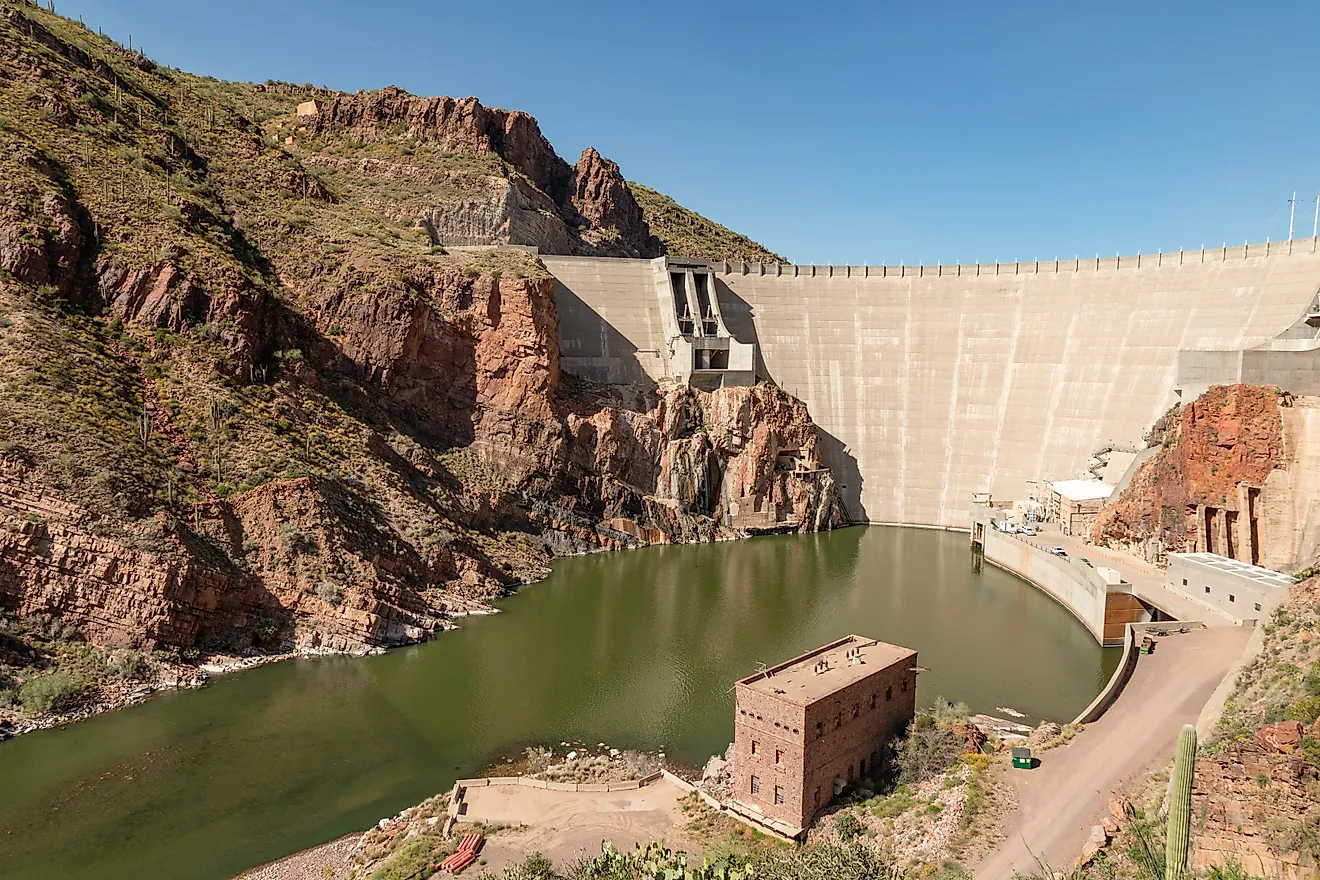
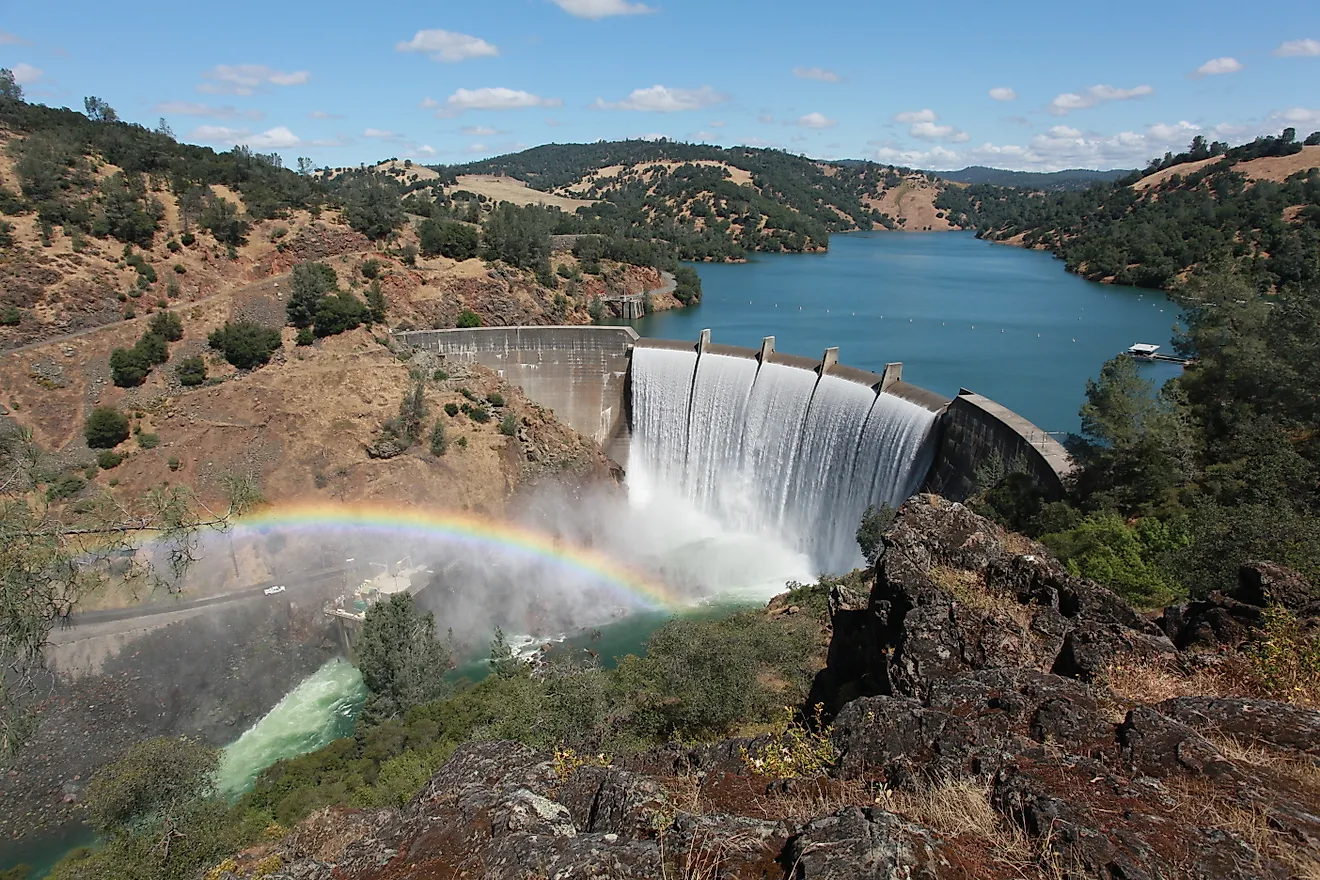
Essentially, a lake is a natural gathering of still water, while a reservoir is a man-made version created by people. That’s the main difference in a nutshell. Lakes form naturally through geological or environmental changes and can exist in the landscape for thousands or even millions of years. On the other hand, reservoirs are intentionally built by humans, usually by constructing a dam across a river to hold back the water. Think of a reservoir as a specially made lake designed for a particular purpose. Whenever you see a dam and a detailed engineering plan, you’re most likely looking at a reservoir rather than a natural lake.
How Each One Forms

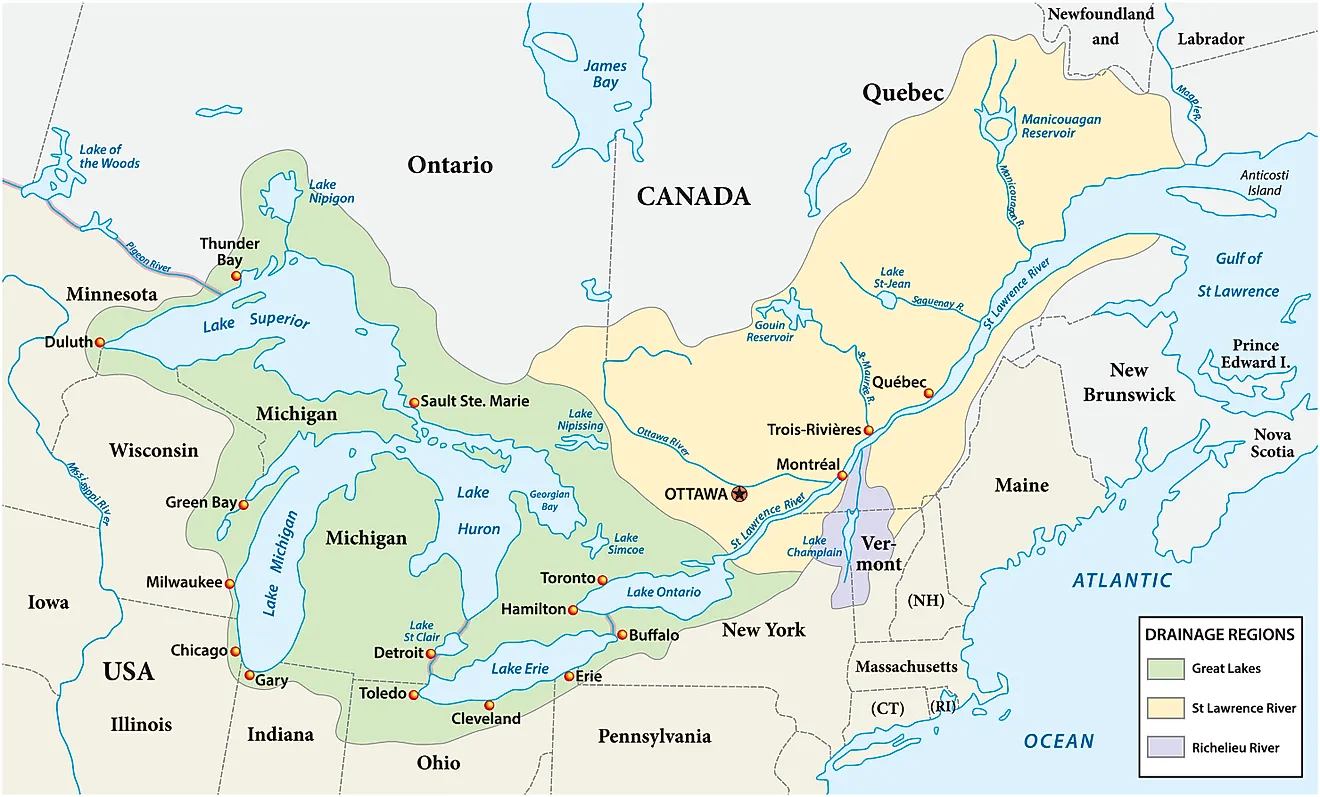
Natural lakes can form in many fascinating ways. Glaciers carved out the basins that became the Great Lakes and countless others, while collapsed volcanoes hold crater lakes. Shifting tectonic plates have created deep rift lakes, and rivers that change course leave behind charming curved oxbow lakes. No matter how they form, these lakes naturally fill with rain, snowmelt, rivers, and groundwater, making them beautiful and vital parts of our environment. On the other hand, reservoirs are created in a more intentional way. Engineers choose a river valley, build a dam across it, and let the rising water fill the space behind the dam. This flooded area becomes a reservoir, providing water for cities, farms, and power plants. Sometimes, reservoirs are made by excavating a basin or diverting water into it, but damming a river remains the most common approach, showing how human ingenuity works together with nature.
The Telltale Signs Of A Reservoir

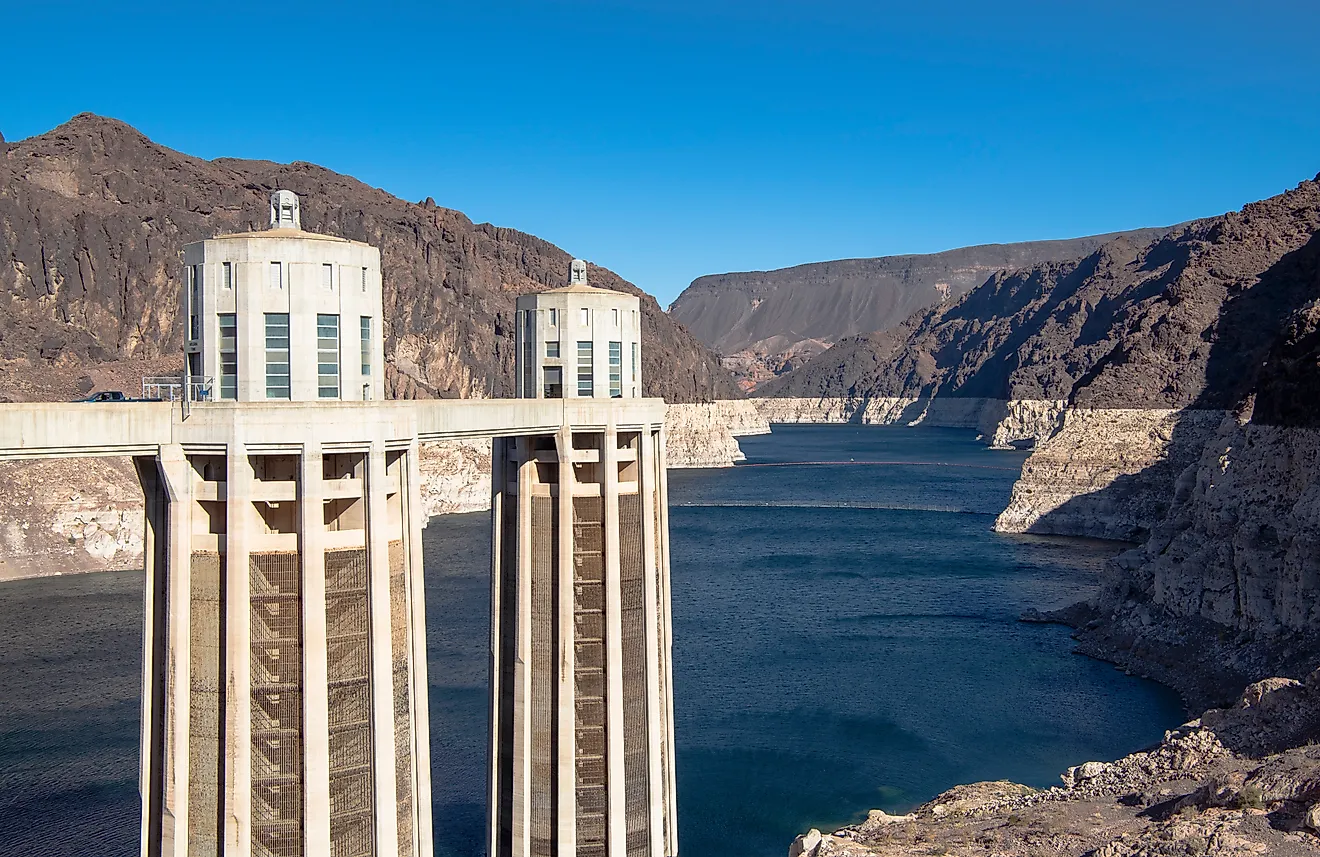
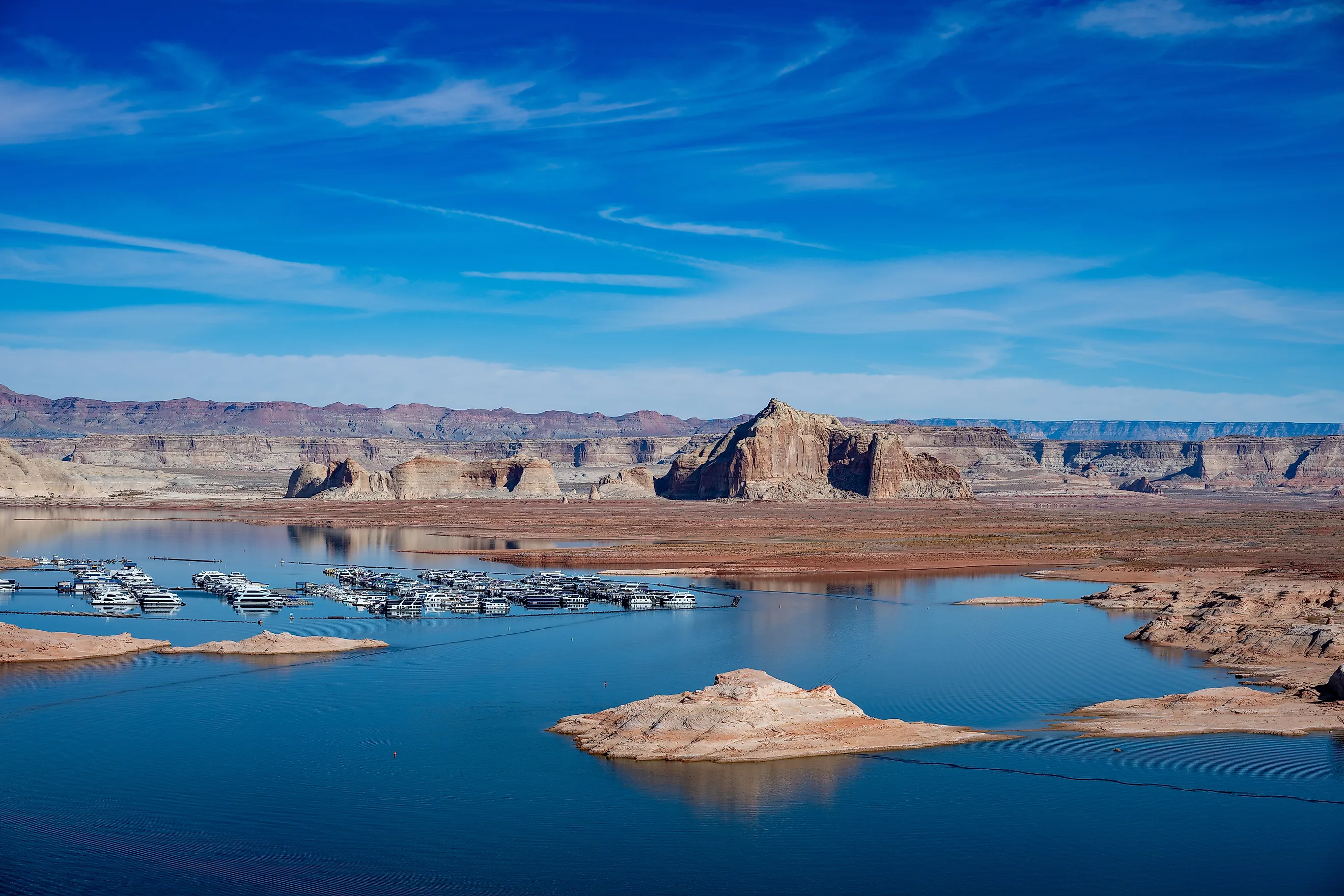
Even if you haven't seen a dam in person, you can often tell there's a reservoir nearby by a few telltale signs. The most well-known feature is the "bathtub ring," a light-colored mineral stain on the rocks left exposed when the water level drops, something you can see quite dramatically at Lake Mead. Since reservoirs are drained and refilled based on human needs, their water levels fluctuate much more than those of natural lakes, revealing or hiding the shoreline as needed. They also tend to have a unique, branched shape because the water fills up the old river valleys and side canyons. Plus, being relatively young, reservoirs can hide mysterious secrets beneath the surface, like submerged forests or even entire flooded towns that were evacuated before the valley was filled.
Why The Names Fool Everyone

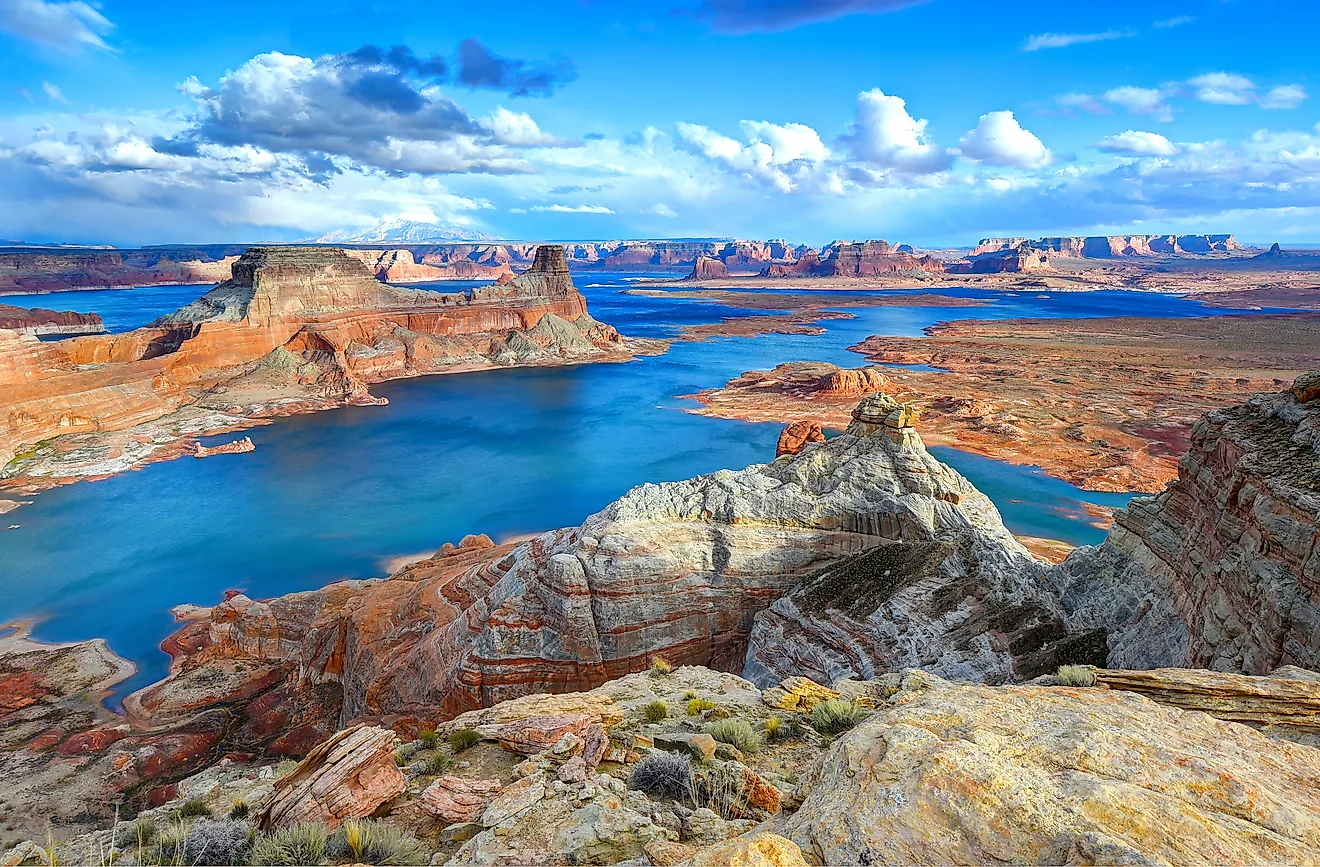
Here's where things can get really interesting! Many of America's so-called "lakes" are actually reservoirs, and their names can be a bit misleading. For example, Lake Mead, the country's biggest reservoir, was formed by the Hoover Dam, and Lake Powell exists because of the Glen Canyon Dam holding back the Colorado River. Other places like Lake Oahe and Lake Havasu are also reservoirs. The word "lake" just sounds nicer than "reservoir," so people often use it on signs no matter how the water got there. It gets a little confusing because some natural lakes have small dams built on them to manage water levels, turning them into hybrid types. But generally, if a "lake" was made by damming water, it’s really a reservoir at its core.
Does The Difference Actually Matter?

While it might seem like a small detail, this difference really matters. Natural lakes like Lake Tahoe have taken thousands of years to develop their delicate and complex ecosystems, teeming with native fish and balanced water chemistry. Reservoirs, on the other hand, are relatively new to the scene—they're often stocked with fish and constantly changing due to water level fluctuations and sediment buildup behind dams. This distinction is also crucial when it comes to water security. Since reservoirs are actively managed and their water levels can be lowered during dry periods, they’re on the front lines during droughts. That’s why you’ll often hear alarming news about reservoir levels, but not as much about natural lakes drying up. Knowing whether your water comes from a lake or a reservoir helps you understand how dependable, natural, and vulnerable it really is. Ultimately, a reservoir is just a lake that humans have built and managed.