What Happens If The Welland Canal Closes To US Shipping
Most Americans have never heard of the Welland Canal, a modest ship canal in southern Ontario. But it happens to be the only way vessels can get around Niagara Falls, which makes it one of the more quietly important pieces of infrastructure on the continent. So what would happen if Canada ever closed it to US shipping? The honest answer is that it would sting more than you would expect, and a good deal less than you might fear.
What the Welland Canal Is

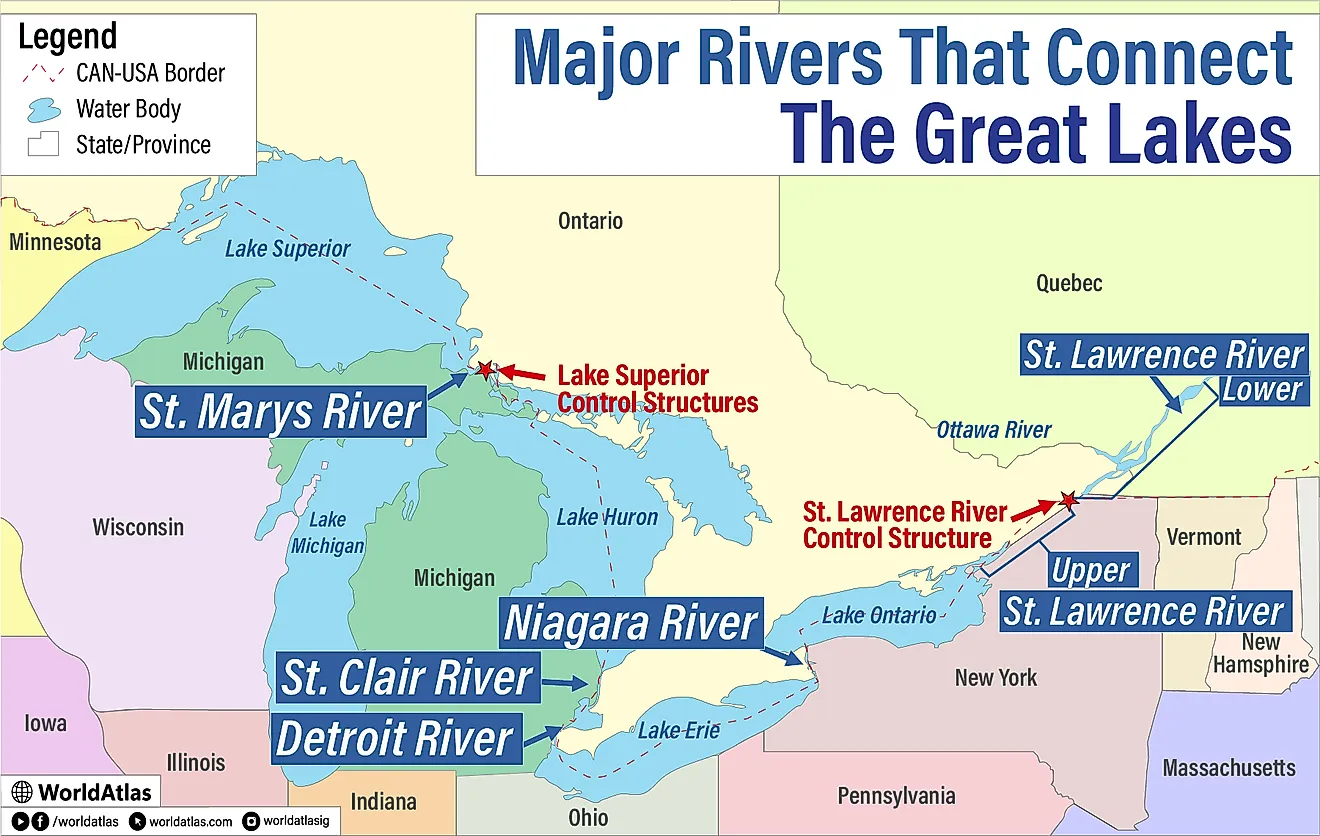
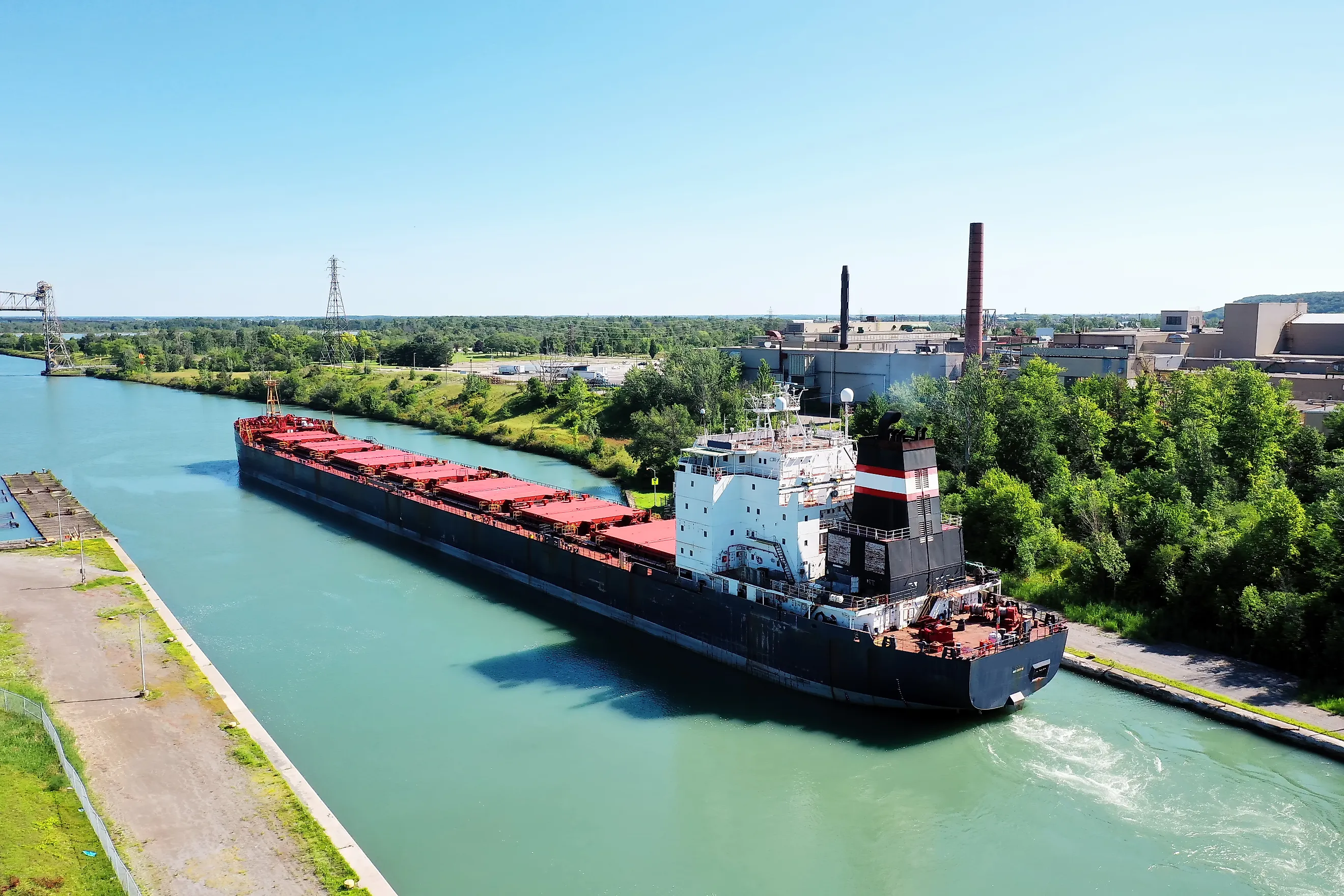
The Welland Canal is a roughly 27-mile waterway cutting across the Niagara Peninsula in Ontario, connecting Lake Erie in the south to Lake Ontario in the north. Its whole job is to solve one very old problem: Niagara Falls. The falls and the churning rapids of the Niagara River make the natural water route between the two lakes completely impassable to ships, with a drop of about 326 feet. The canal ferries vessels around that wall of water using eight enormous locks, including a famous set of twinned "flight locks" that work like a giant double staircase for freighters. It is the vital middle link of the St. Lawrence Seaway, and it is entirely Canadian, owned and operated by Canada.
It Is a Canadian Chokepoint

Here is why that matters so much. Because Niagara Falls blocks the natural route, the Welland Canal is the only way for ships to travel between the upper Great Lakes and Lake Ontario, and from there onward to the St. Lawrence River and the Atlantic Ocean. There is no American backup plan. The historic Erie Canal still connects to the system nearby, but its shallow channel and low fixed bridges can barely accommodate a pleasure boat, never mind a modern thousand-foot freighter. So every US ship moving between the interior Great Lakes and the ocean is, in practice, relying on a canal that a foreign country owns and runs.
What Would Stop

If the Welland were closed to American ships, the immediate casualties would be anything trying to reach the Atlantic through the Seaway. US grain bound for overseas buyers, cargo moving to and from Lake Ontario ports, and the oceangoing "salties" that sail in from all over the world to load up in the interior would all be cut off. That commerce would have to scramble onto rail, trucks, or entirely different ports, pushing grain toward the Gulf Coast and general cargo to the East Coast, all at higher cost and slower speed. For the Great Lakes' international, ocean-connected trade, it would be a genuinely serious blow.
What Would Keep Running

Now for the reassuring twist that most people miss. The single biggest trade on the entire Great Lakes never touches the Welland Canal. The enormous flow of iron ore from Minnesota and Michigan down to the steel mills of Chicago, Gary, Detroit, and Cleveland moves entirely within the upper four lakes, every one of which sits above Niagara Falls. Those ore boats out of ports like Duluth, along with the coal and limestone that feed the same industries, would keep hauling exactly as before. So a closure would badly wound Great Lakes international shipping, but it would leave the region's core industrial lifeline, ore to steel, largely intact.
Why It Almost Certainly Will Not Happen

Finally, some perspective on the odds. The St. Lawrence Seaway is jointly operated by the United States and Canada under an agreement dating back to the 1950s, one of the most deeply integrated cross-border systems anywhere on Earth. Deliberately slamming it shut to American ships would be an extraordinary act between two of the closest trading partners in the world, something closer to economic warfare than ordinary policy. In practice, the canal stays open to everyone, as it reliably has for generations. But the very fact that we can even ask the question is a useful reminder: a real slice of American commerce quietly flows through a waterway that belongs to the neighbors.