What Caused the Peloponnesian War?
The Peloponnesian War (431 to 404 BCE) is one of the most famous conflicts of the ancient world. A multi-decade affair between the city-states of Athens and Sparta, it fundamentally changed Greece. However, while it generally began due to competition between Athens and Sparta, it is worth asking what specifically caused the Peloponnesian War. Indeed, investigating these specifics reveals nuances in the nature of power in Greece at the time and demonstrates why the situation was ultimately unsustainable.
A Note About Sources

Much of the history of the ancient world is difficult to distinguish from myth. This is not exactly the case for the Peloponnesian War, which was documented by the Greek historian and general Thucydides. Nonetheless, his work contains inaccuracies, and he also included speeches that, rather than being directly transcribed, were reconstructions based on primary accounts. Moreover, his history ends in 411 BCE, and the rest of our knowledge of the Peloponnesian War comes primarily from Xenophon, another Greek historian and general. While mostly reliable, Xenophon too was imperfect. For instance, his work is often criticized for omitting major events, downplaying Theban successes, and overly praising Spartan leadership, suggesting a certain level of bias. All this is to say that when learning about the Peloponnesian War and the broader ancient world, one must understand the events through the lens of inevitable bias and historical mistranslation.
The First Peloponnesian War
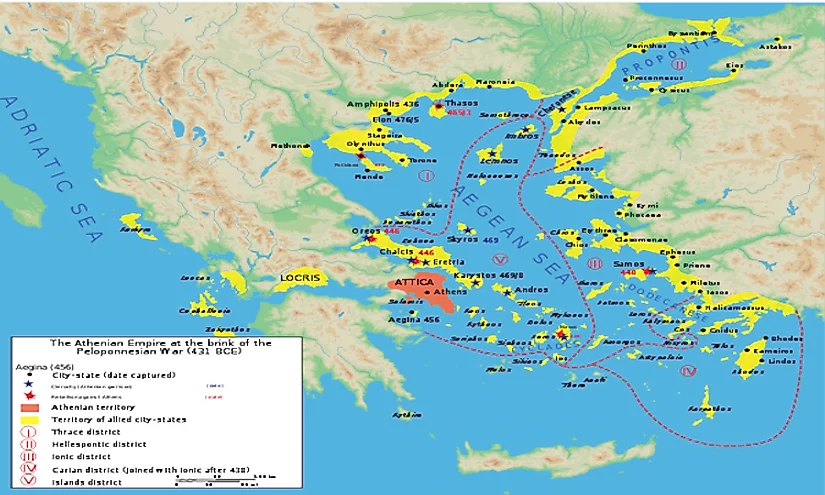
What is widely understood as the Peloponnesian War was actually the second war of the same name between Athens and Sparta. Indeed, the First Peloponnesian War occurred from 460 BCE to 445 BCE, beginning in large part due to Spartan concerns about the rapid growth of the Athenian-dominated alliance of city-states known as the Delian League. The war was characterised by a series of on-and-off again conflicts, before eventually ending in 445 BCE with a treaty known as the Thirty Years’ Peace. The terms of this treaty were based on a recognition of dual hegemony in Greece, with Athens’ Delian League controlling the sea and Sparta’s Peloponnesian League controlling the land. Nevertheless, continued Athenian imperialism and Spartan insecurity led to this peace lasting for less than half its intended time.
The (Continued) Rise of Athens

In the years following the First Peloponnesian War, Athens continued to become more powerful, largely by asserting more control over the Delian League. This occurred through tribute collection, in which other member states were forced to provide the Athenians with money or ships. Moreover, Athens forcibly suppressed revolts from member states that tried to leave the alliance. These measures further increased Athens’ wealth and military might, which greatly concerned Sparta.
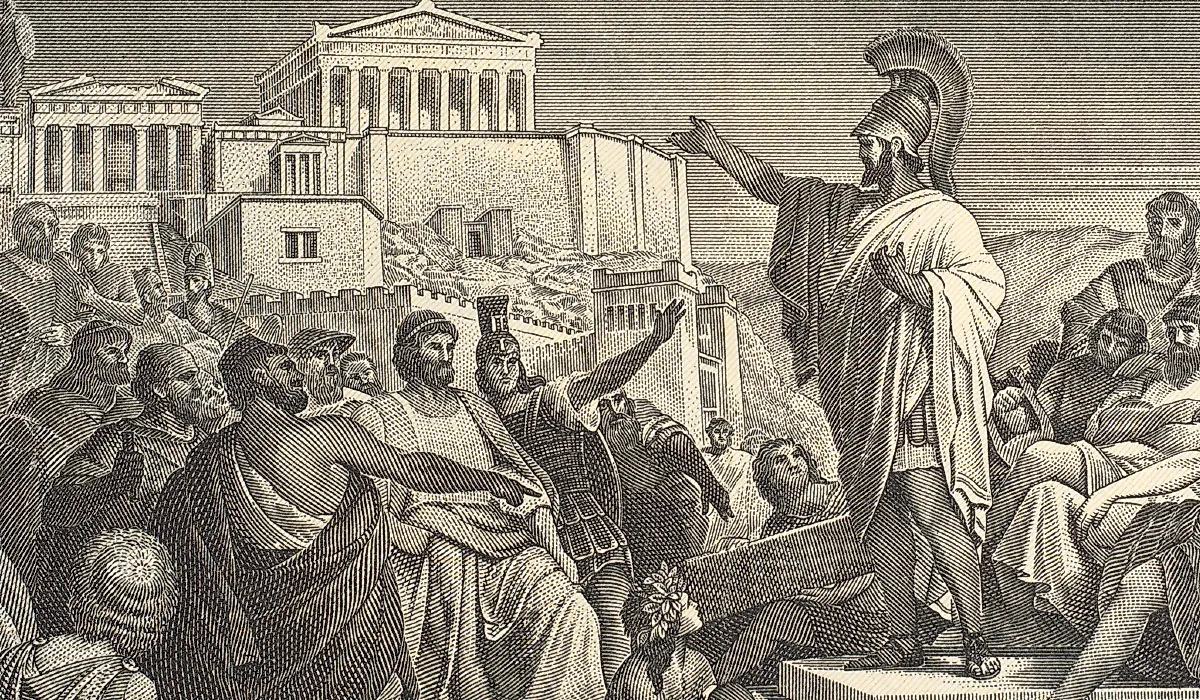
The continued rise of Athens occurred under the leadership of the Athenian general and statesman Pericles, who played a major role in the Delian League effectively becoming an Athenian Empire. In addition to increasing its military, geographic, and economic power, Pericles promoted the idea that Athens was the sole political and cultural centre of Greece. This notion threatened Sparta by running counter to the dual-hegemon system that was established in the Thirty Years’ Peace.
Different Political Systems

A final contributing factor that led to the Peloponnesian War was the contrast between Athens' and Sparta's political systems. Athens was a direct democracy in which citizens debated policies and then voted on key issues. On the other hand, Sparta was an oligarchy run by two kings, a council of elders, and a group of five magistrates. In the dual hegemon system, democratic city-states thus allied themselves with Athens, whereas elite-run city-states allied themselves with Sparta. This divided the Greek world into two spheres and, in the context of the previously discussed tensions, made conflict more likely.
The Immediate Leadup

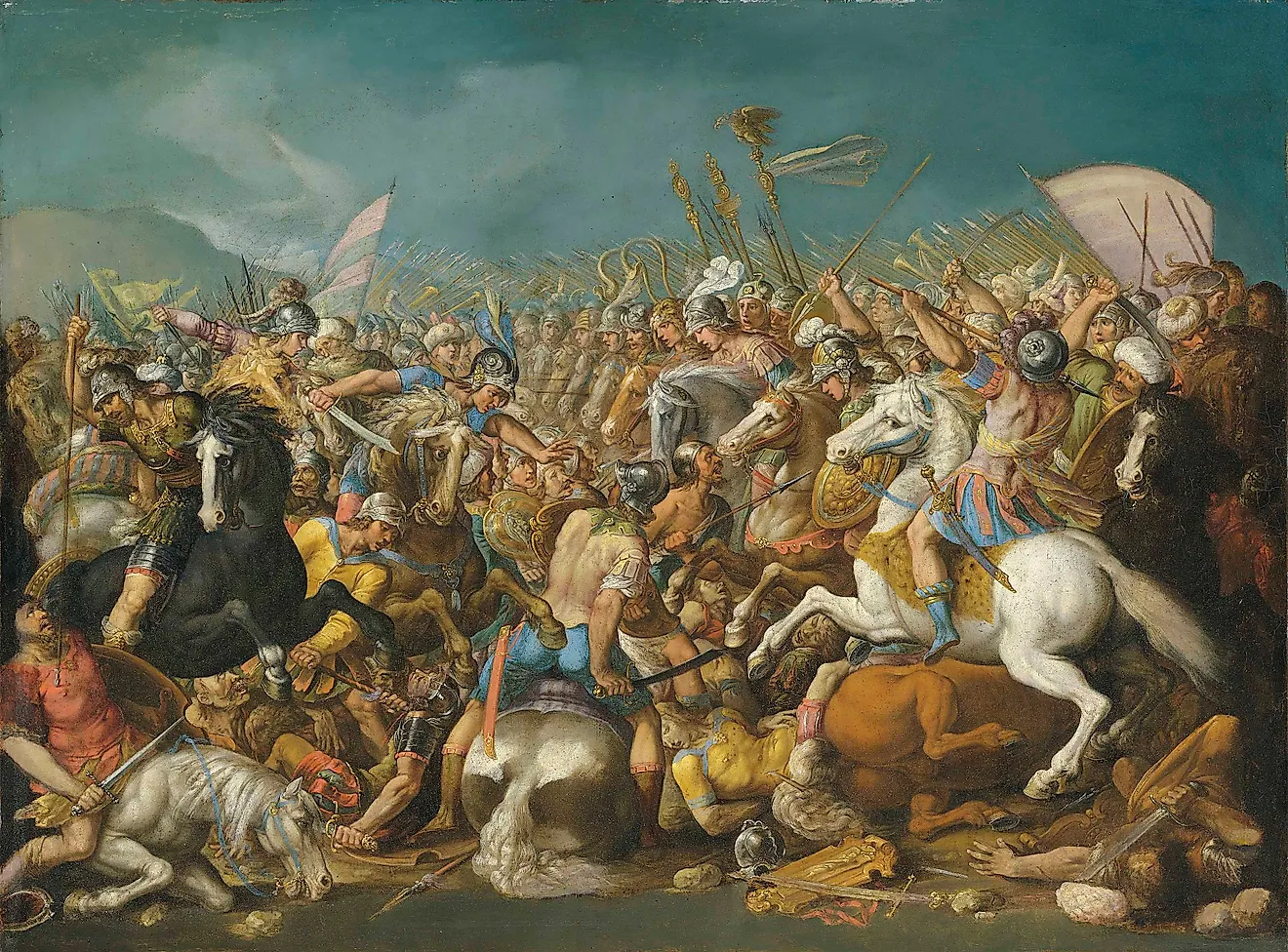
In 433 BCE, conflict broke out between Corinth, a Spartan ally, and the island city of Corcyra, which appealed to Athens for support. Tensions further increased when Potidaea, part of the Athenian Empire, rebelled. Corinth supported the rebels, which in turn angered Athens. All this meant that the supposed Thirty Years' Peace was quickly becoming less peaceful. Therefore, in 431 BCE, after enormous pressure from its allies, particularly Corinth, Sparta concluded that Athens had violated the peace. In 431 BCE, open war began, marking the start of the Peloponnesian War.
Impact and Legacy
The causes of the Great Peloponnesian War are complex and multifaceted. To first understand them, one must comprehend the First Peloponnesian War, which began due to Sparta's anxiety about Athens’ increasing power. The Thirty Years’ Peace treaty was supposed to solve this issue by establishing Athens as the dominant sea power and Sparta as the dominant land power. Nevertheless, continued power accumulation by Athens and tensions between Spartan and Athenian allies led to war breaking out again in 431 BCE.