Why Some National Forests Are Fighting Over Roads
Some of the fiercest disputes in national forests begin with a road. In August 2026, the USDA proposed rescinding the 2001 Roadless Rule, which limits road construction and timber harvesting across roughly 44.7 million acres. The proposal would not authorize any specific road or logging project. It would remove the nationwide restrictions and return more decisions to individual forest plans and local officials. That prospect has revived a decades-old fight over access, wildfire management, logging, and conservation.
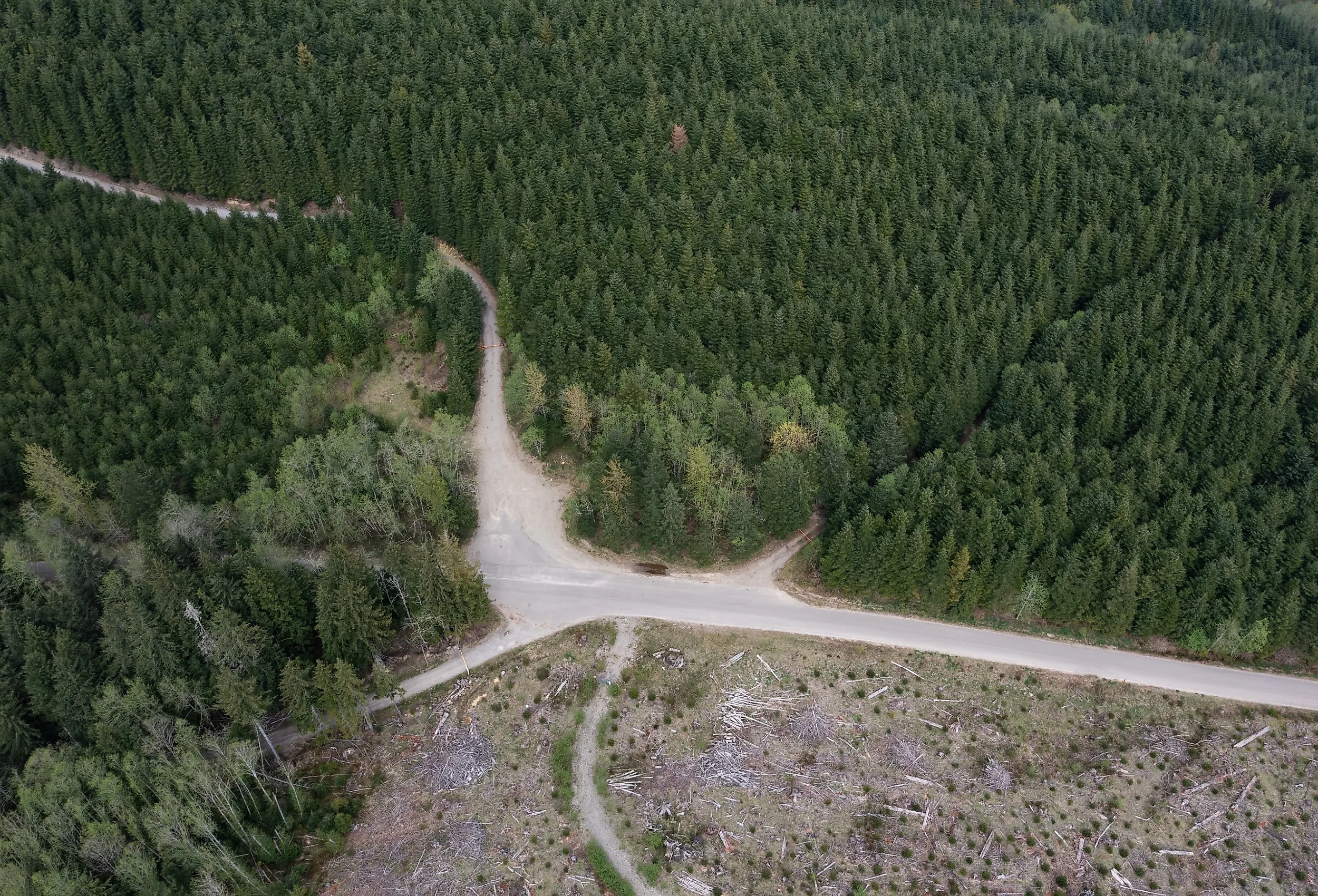
The US Forest Service manages national forests for uses that range from logging and mining to recreation and wildlife habitat. National parks have a different mission that places greater emphasis on protecting natural and cultural resources. In national forests, roads can carry logging trucks and wildfire crews into remote areas. They also provide access for hunters, grazing operations, and emergency responders. Yet roads can fragment wildlife habitat, increase human disturbance, and alter landscapes for years. Supporters consider them essential for land management and public access. Opponents see them as gateways to logging and lasting environmental harm. That divide explains why some national forests are fighting over roads.
The Roadless Rule Faces a Major Test

In August 2026, Agriculture Secretary Brooke Rollins announced that the US Forest Service had proposed a rule to rescind the 2001 Roadless Area Conservation Rule in its entirety. The 2001 rule established broad restrictions on road construction, road reconstruction, and timber harvesting within inventoried roadless areas on National Forest System lands.
It currently covers approximately 44.7 million acres of inventoried roadless areas. The USDA says rescission would reduce regulatory burdens and return more decisions to forest-level planning, but it would not authorize any specific road or timber project, and future proposals would still have to comply with forest plans, the National Environmental Policy Act, and other applicable laws.
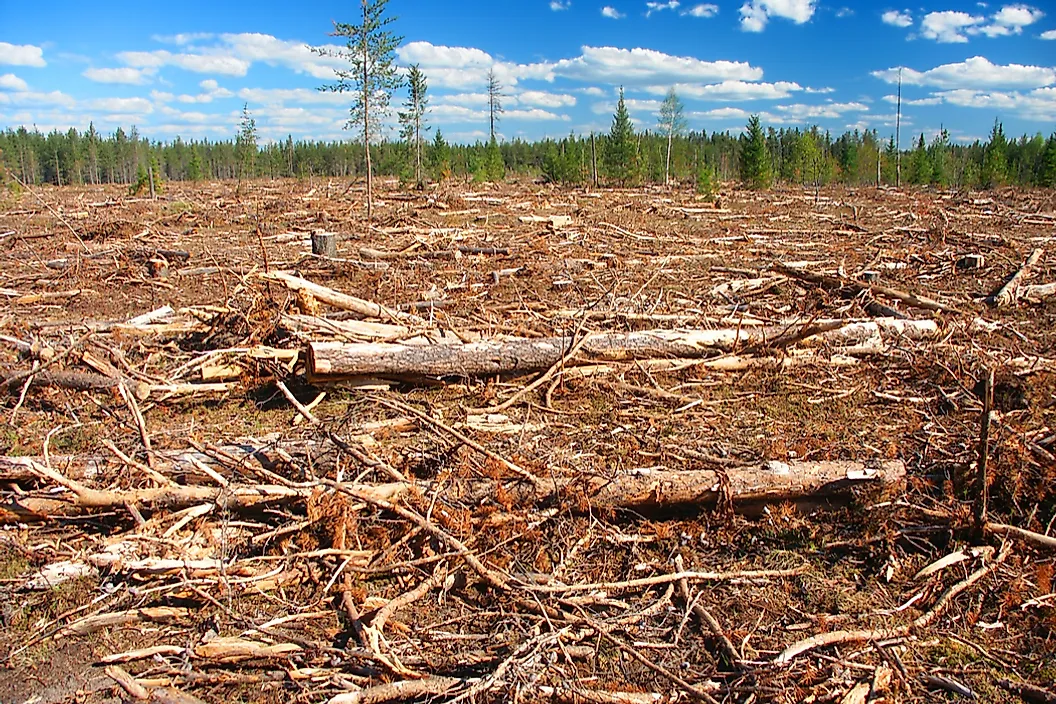
The USDA says the nationwide limits can restrict management flexibility, although the existing rule already permits certain small-diameter cutting and fuel treatments and allows roads needed to protect life or property from an imminent fire or other catastrophic threat.
Opponents see it differently. Conservation groups argue that rescinding the rule could lead to more roads, logging, and development in some of the country's least-disturbed national forests, with consequences for wildlife habitat and other resources. The disagreement is already clear. When the USDA announced its intent to rescind the Roadless Rule in 2025, it received more than 220,000 comment letters submitted on behalf of over 625,000 individuals and organizations.
The Forest Service is accepting public comments on the proposed rule and its draft environmental impact statement through September 21, 2026. Idaho and Colorado are excluded from the proposal because those states have separate roadless regulations.
Alaska: Where the Stakes Are Especially High

No single forest shows the stakes better than the Tongass in southeast Alaska. It is the largest national forest in the country and holds one of the largest relatively intact temperate rainforests in the world. About 9.3 million of its approximately 17 million acres are designated as inventoried roadless areas, making the Tongass a major part of the national roadless debate.
The Forest Service is also advancing Twin Mountain II, a separate logging-and-road proposal whose draft environmental impact statement says no activities would occur in inventoried roadless areas. The proposal would make about 26.8 million board feet of old-growth timber available from approximately 1,655 acres, construct 0.9 mile of National Forest System road and 12.4 miles of temporary road, and reopen or maintain about 33 miles of closed roads.

Because the draft environmental impact statement found the project could have substantial effects on subsistence use of deer, the Forest Service was required to hold a public hearing under the Alaska National Interest Lands Conservation Act.
The Forest Service released the draft environmental impact statement in April 2026, opening a public comment period that ended June 8. The agency planned to use that feedback to prepare a final environmental impact statement, but no final decision had been issued as of September 4, 2026. In rural Alaska, the question of where a road goes and what it makes possible can have direct consequences for the people who depend on the forest.
Montana: Where Forest Roads Face Their Own Fight

Alaska may have the Tongass, but Montana has its own contentious fights over forest roads. The 2026 repeal proposal would remove the Roadless Rule's restrictions on activities in inventoried roadless areas in the state, which currently cover nearly 6 million acres of federal public land. Separate disputes over logging and access are also playing out in Montana's national forests and in federal court.
These cases are not part of the national Roadless Rule repeal, but they show how quickly decisions about forest management can become legal battles. Near Yellowstone National Park, the Custer Gallatin National Forest has proposed and approved logging and road projects in areas home to grizzly bears and Canada lynx, as well as whitebark pine.
Conservation groups have challenged several of these projects in court, arguing that the Forest Service failed to meet federal requirements for habitat protection and environmental review. In December 2025, a federal court vacated and remanded the South Plateau Landscape Area Treatment Project, which covers more than 16,500 acres. The court ruled for the plaintiffs on claims under the National Environmental Policy Act, National Forest Management Act, and Endangered Species Act and sent the project back to the agencies for further analysis.
These disputes focus on individual projects, environmental reviews, and wildlife habitat rather than the national roadless designation, but they show the larger debate over where roads belong in national forests.
The Cost of Keeping Roads Open

There's a third dimension to the road debate. Keeping national forest roads open is expensive and requires ongoing maintenance. These roads are also vulnerable to heavy rain, flooding, landslides, and erosion. Storms in December 2025 brought down trees, triggered landslides, and washed out sections of road on Oregon's Mt. Hood National Forest, forcing officials to close several roads and trails.
In Washington, December's atmospheric river storms caused a major washout on the Suiattle River Road in the Mt. Baker-Snoqualmie National Forest, cutting off vehicle access to several trailheads and Sauk-Suiattle cemeteries along the corridor. In Minnesota, heavy rain and melting snow caused washouts across the Superior National Forest, leading the Forest Service to issue an emergency closure covering three ranger districts.
A 2015 Forest Service analysis, using historical cost assumptions and the Payette National Forest's 2010-2014 average funding, estimated a $266 million deferred-maintenance need across 34,669 miles of Intermountain Region roads. It is estimated that Payette needed about $16 million to restore its road system and roughly $1.6 million a year for routine maintenance, compared with approximately $1.2 million in average annual funding at the time.
Permanent roads create continuing maintenance obligations, while temporary project roads are generally decommissioned after use, although both can leave lasting environmental effects.
Conclusion
The public comment period closes on September 21, 2026. Conservation groups have asked USDA to extend it, with some requesting at least 120 days, but the deadline has not moved. After that, the Forest Service and USDA will review the comments before USDA decides whether and how to proceed with a final rule. The process could take months, and a final rule could face legal challenges.
Whatever happens next, the underlying tension is unlikely to disappear. National forests are managed for multiple uses, including logging, grazing, recreation, and wildlife conservation, often on the same land and along the same roads. A road that looks like simple infrastructure to one group can represent a major change to another. More than two decades after the original Roadless Rule took effect, that disagreement remains unresolved.