The National Forests With The Most Eastern Diamondbacks
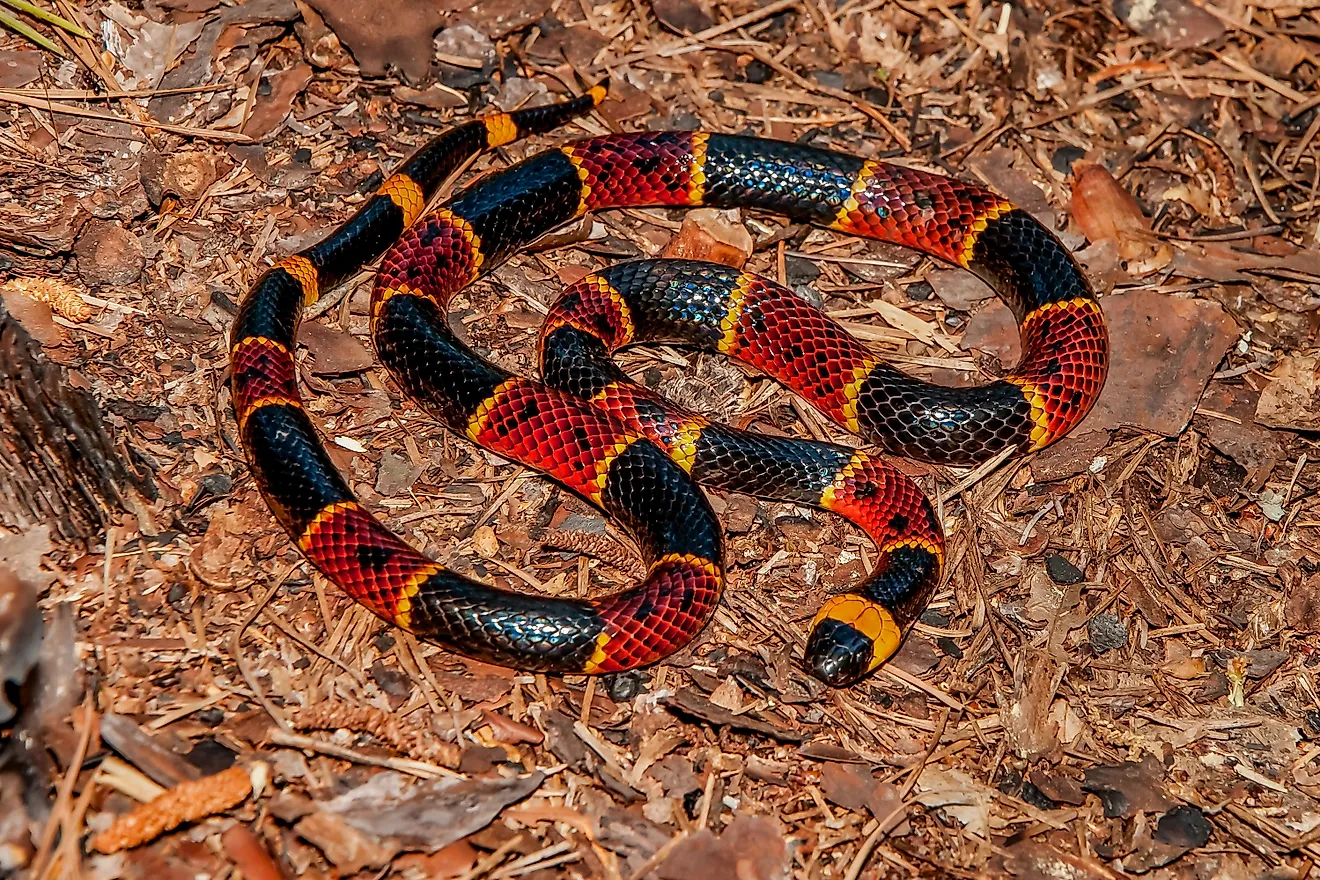
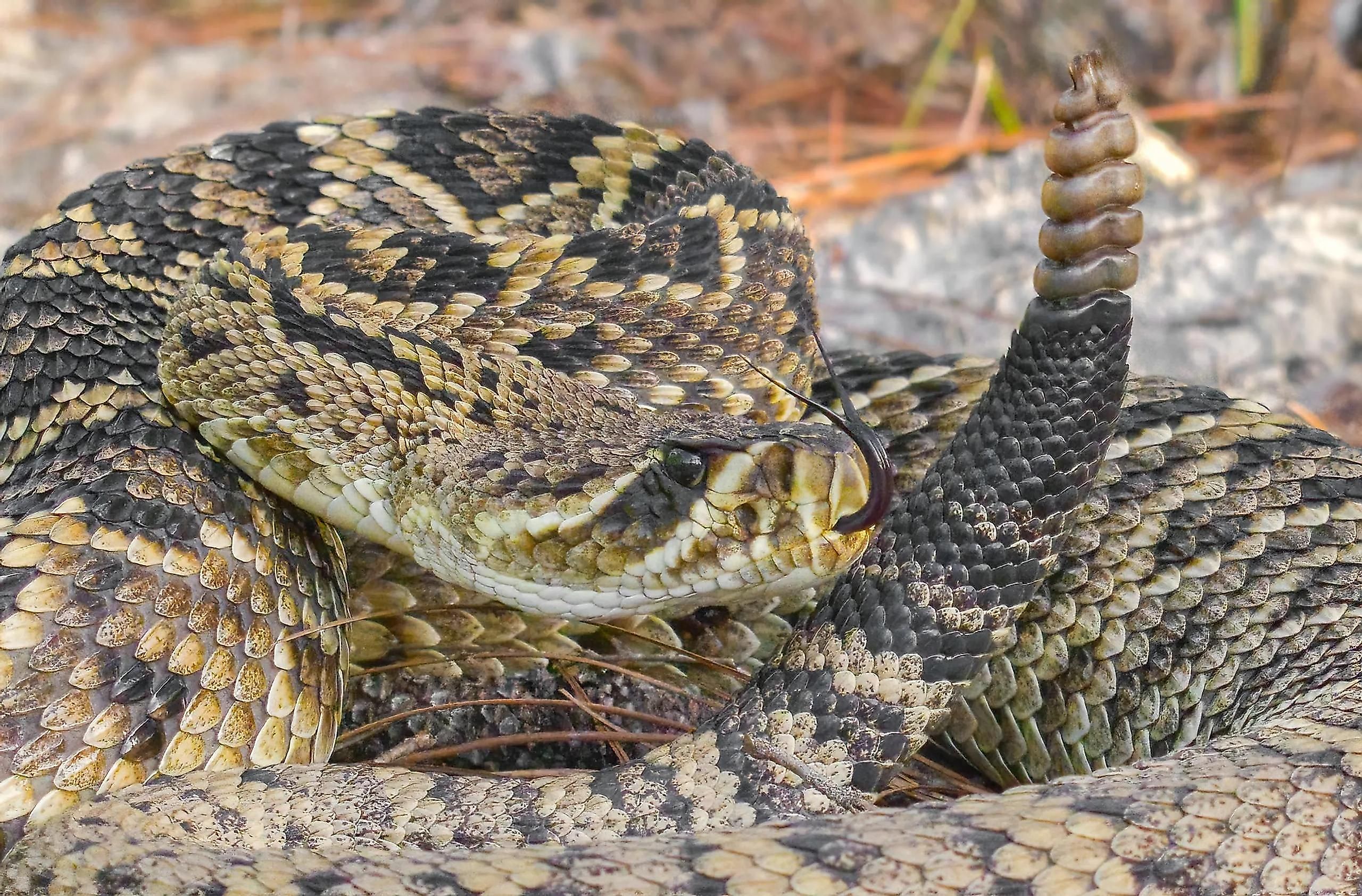
The eastern diamondback, the largest rattlesnake in the world at up to eight feet long, lives in open, sunny pine woods with thick grass on the ground, the kind of upland that stays open when it burns every two to three years. Longleaf pine savanna was its main habitat before settlement, and 97 percent of the longleaf forests have since been lost.
Several national forests on the southern Coastal Plain are still burned on a schedule. In the Apalachicola National Forest outside Tallahassee, the target is 90,000 to 100,000 acres a year. The diamondbacks living in that burned pine grow scarcer the farther a forest lies from north Florida, and by mid-November the adults are moving into gopher tortoise burrows and stump holes for the winter, though a diamondback may still come out to bask on a warm afternoon.
Apalachicola National Forest, Florida

In Florida's status assessment of the diamondback, 1,663 recent records of the snake were compiled, covering 2001 through 2016, and 47 to 48 of them came from the Apalachicola National Forest. Florida's Blackwater River State Forest had the same number, while the 345 conservation lands with recent records averaged fewer than four apiece. At 575,849 acres in four counties south and west of Tallahassee, the Apalachicola is the largest national forest in Florida.
Biologist Bruce Means, who began studying diamondbacks at Tall Timbers Research Station near Tallahassee in 1976, took a WFSU crew into the forest near the Munson Sandhills for a 2017 feature on the snake. Longleaf pine is the snake's favored habitat, and in that sandy ground, wiregrass is one of the diamondback's favorite hunting blinds. Gopher tortoise burrows are one of the snake's winter shelters there, though not the main one, according to Means, and small, shrubby turkey oaks give the snakes more cover.
Ocala National Forest, Florida

The eastern diamondback is one of four venomous snakes listed in the Forest Service's guide to the Ocala National Forest, which lies on the northern Florida peninsula, among the snake's strongholds. Close to half the forest is sand pine scrub, about 200,000 acres of it, the largest continuous area of scrub in Florida and important ground for gopher tortoises. Longleaf pine and wiregrass, the open, grassy kind of pine woods the diamondback favors, surround 32-acre Clearwater Lake, and the Longleaf OHV Trail runs through the same longleaf and wiregrass atop some of the tallest hills in the forest.
The Florida Trail crosses the entire 14,283-acre Juniper Prairie Wilderness between Juniper Springs and the Pat's Island Trailhead. Farther north, it has a year-round trailhead at Hopkins Prairie, where a 21-site campground sits in the shade beside a broad, winding grassland ringed with sand pine and oak scrub. The campground's busy season runs October through March, overlapping the winter months, when adult diamondbacks move to underground shelters.
Conecuh National Forest, Alabama

Conecuh National Forest covers about 84,000 acres of Escambia and Covington counties along the Alabama-Florida state line. Across most of Alabama, the diamondback is rare or uncommon and possibly threatened, but it is locally common in suitable habitat in the state's extreme south, and records from the forest have been sporadic. Its upland longleaf is maintained by regular ground fires, and under the plan for Alabama's national forests, mature longleaf is to be restored and maintained on about 55,000 acres of Conecuh over 30 years. Open Pond, a natural sinkhole lake with developed camping, is the center of the forest's largest recreation area, and the 20-mile Conecuh Trail, open to hikers year-round, runs through longleaf pine and cypress swamp, with wooden boardwalks over the wetter ground. In an acquisition announced in February 2023, roughly 1,000 acres of private inholdings were added to the forest for longleaf restoration.
Francis Marion National Forest, South Carolina

On the Atlantic side of the range, in the Francis Marion National Forest north of Charleston, Forest Service biologists searched for two years before finding a diamondback. By late April 2014, they had found only four, and one was large enough to be fitted with a radio transmitter and tracked.
Biologists estimate that just 200 diamondbacks live in one 10,000-acre swath of the forest, where an Amphibian and Reptile Conservancy team tracks the snakes. That area holds only one small pocket of them, after three other populations there disappeared. Rabbits, the snake's main prey, are too scarce to keep the survivors in good condition, and genetic testing indicates inbreeding.
The researchers' advice for that pocket is to burn the habitat every few years to keep the canopy open and to leave tree stumps in place for burrows. In South Carolina, diamondbacks spend the coldest months of the year underground, often in stump holes and the burrows of other animals. The 47-mile Swamp Fox Passage, the longest section of the cross-state Palmetto Trail, passes through four distinct ecosystems in the Francis Marion, including mature longleaf pine that is home to endangered red-cockaded woodpeckers.
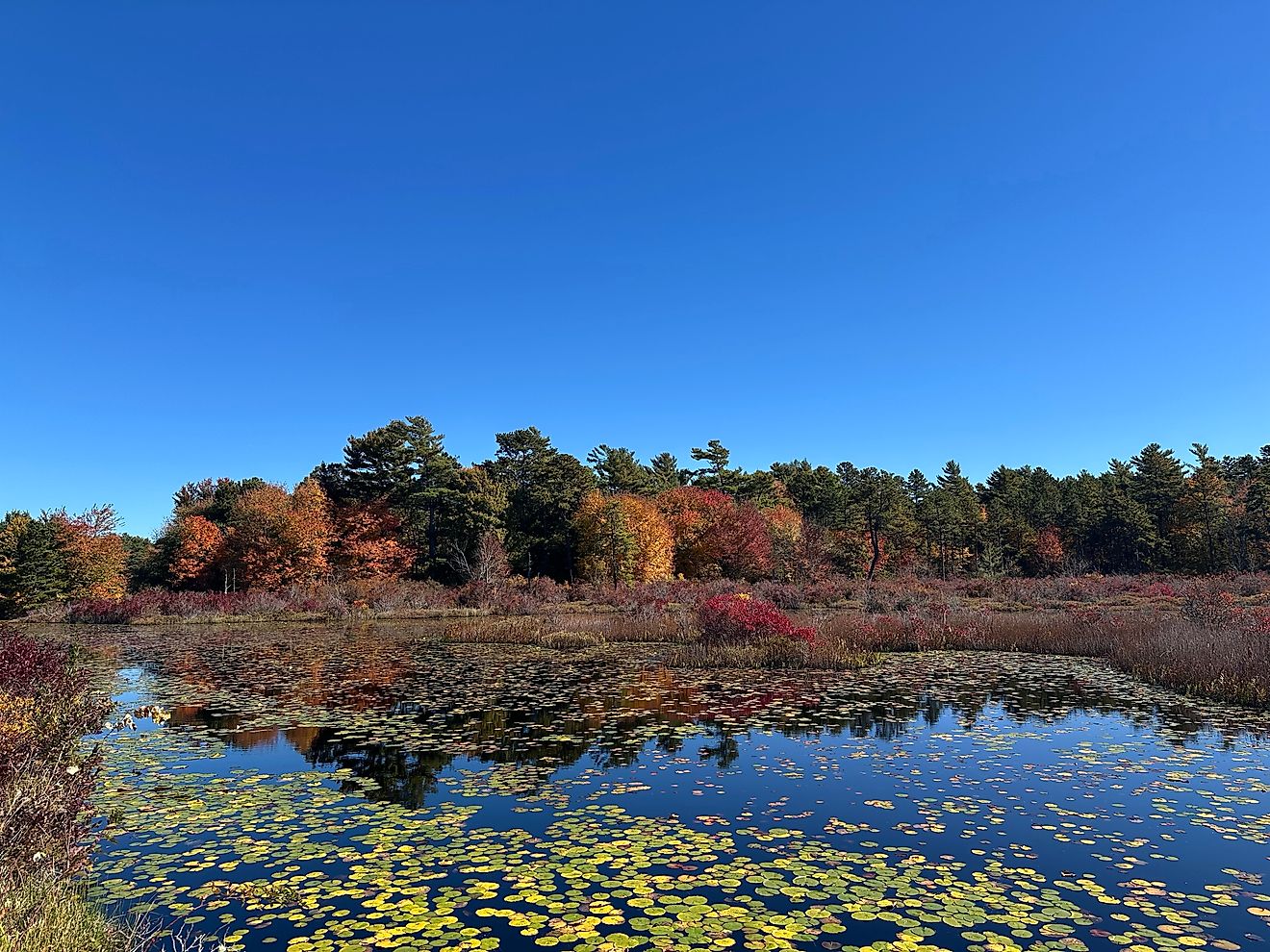
At the western edge of the range, the snake was once present in the central and southern sections of De Soto National Forest in south Mississippi, where, as of 2011, new pine stands were being regenerated only as longleaf. A listing petition filed that year cited no diamondback records from the forest in the previous ten years, and according to Mississippi's wildlife agency, diamondbacks are gone from most of their historic range in the state. The species is still not federally listed, and a decision on that 2011 petition is pending. At the northern edge, the diamondback is listed as endangered in North Carolina, with its range there restricted to the Lower Coastal Plain south of the Neuse River. Croatan National Forest, on the North Carolina coast, was once known to have the snake. Its Patsy Pond Nature Trail, off NC 24 in the community of Ocean, loops through an open woodland of longleaf pines with low-growing herbs and shrubs, the kind of sandy pine flatwoods listed as diamondback habitat in North Carolina. As of 2011, no diamondback had been documented on any Forest Service land in the state.