The Difference Between A National Forest And A National Grassland
The obvious answer is trees, and the obvious answer is wrong. Both are managed by the same agency under the same multiple-use law with the same rules on grazing, hunting, mineral extraction and recreation, and administratively they are close to indistinguishable. Several national grasslands are not even separately administered, sitting instead under the supervisor of the nearest national forest. The real difference is how the federal government came to own them, and it is a genuine opposite: national forests were carved out of land the government already held, while national grasslands were bought back from private citizens who had failed on them. One is a reservation, the other is a repurchase, and everything else follows from that.
Here is how each was actually assembled, and why the distinction still shows up on the ground.
Forests Were Reserved. Grasslands Were Purchased.
This is the whole thing in two sentences, so it is worth stating plainly.
National forests were created by withdrawing land from the public domain, meaning territory the United States already owned and had been busily giving away to settlers, railroads and miners. The Forest Reserve Act of 1891 let presidents set it aside, and the Organic Administration Act of 1897 said what it was for. No money changed hands, because there was nothing to buy.
National grasslands were created by the government purchasing ruined farmland from the people who owned it. As one history of the program puts it, this was the complete opposite of what Washington had been doing since the Louisiana Purchase. Instead of transferring land out of federal hands, it was buying land back in.
The Grasslands Exist Because Farming Failed
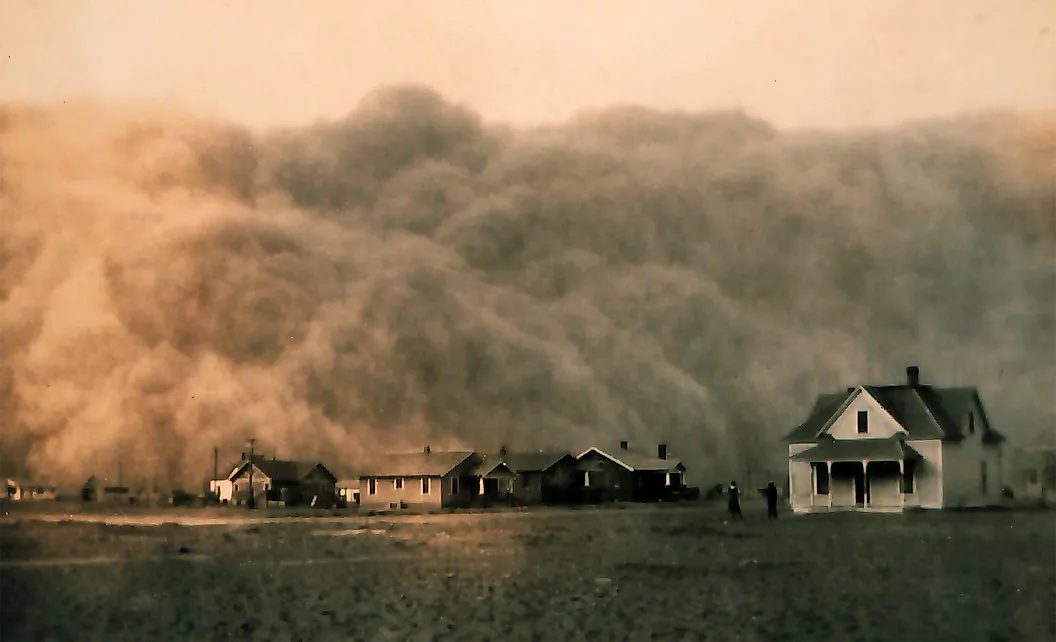
The origin is the Dust Bowl, and the numbers are extraordinary.
Through the 1930s the federal government ran a Land Utilization Program that bought up submarginal, eroded and abandoned farmland across eleven states. In total it acquired 11.3 million acres at an average of $4.40 per acre, roughly $47.5 million. The Soil Conservation Service, created in 1935 under Hugh Hammond Bennett, ran the rehabilitation.
The legal instrument was the Bankhead-Jones Farm Tenant Act of 1937, and specifically Title III of it, which is still the authority these lands are held under today.
The work was hands-on. Crews reseeded bare ground with drought-resistant grasses, including non-native crested wheatgrass, planted shelterbelts and rebuilt soil structure on land that had literally blown away.
Most Of That Land Went Somewhere Else

Only a third of the purchase ended up as grassland, which explains why the system is so small.
Of the 11.3 million acres, about 5.8 million were transferred to the Interior Department and became the responsibility of what are now the Bureau of Land Management, the Bureau of Indian Affairs, the National Park Service and the Fish and Wildlife Service. The Forest Service took the remaining 5.5 million in the mid-1950s and folded about 1.5 million of it into existing national forests in the East.
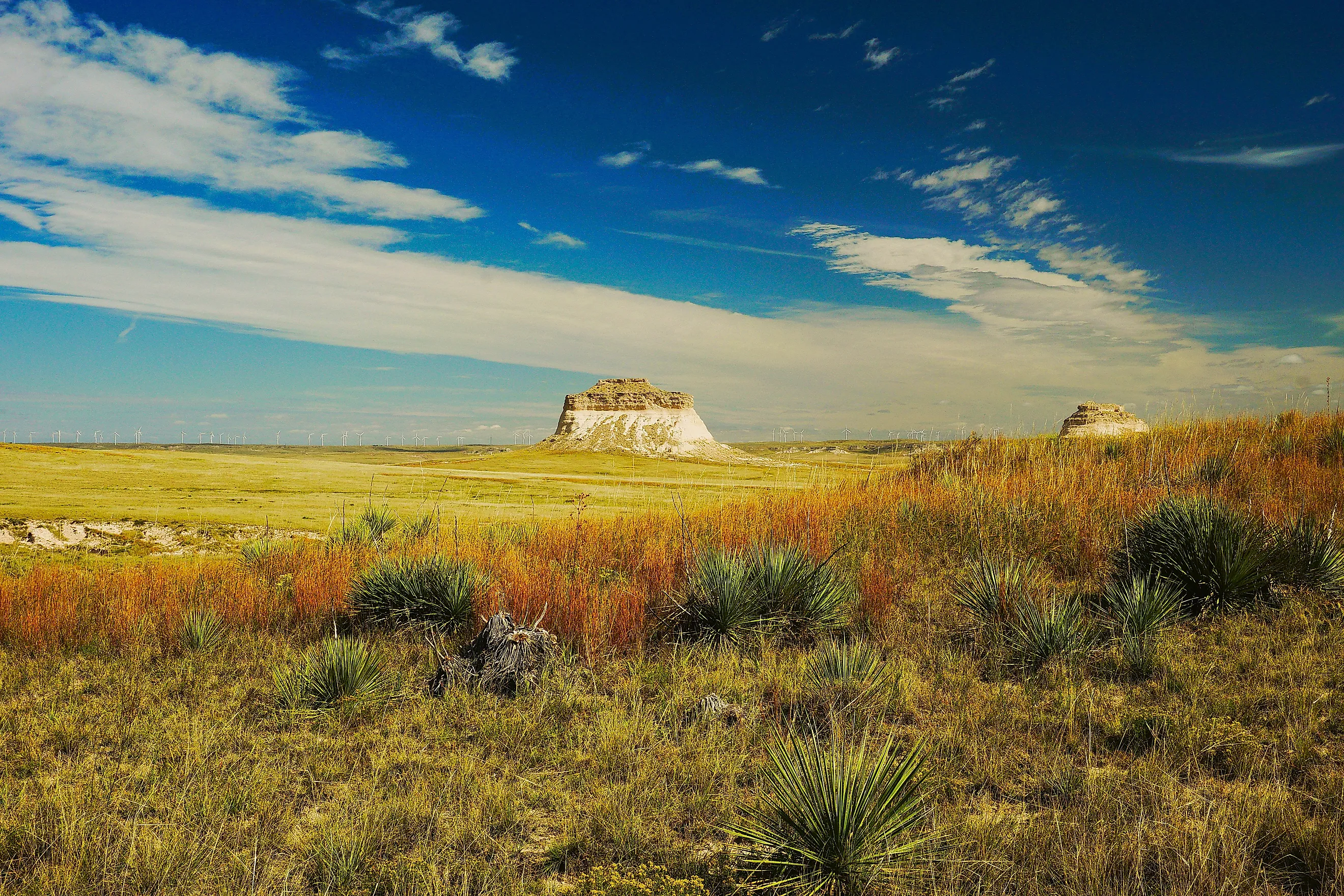
What was left, 3.8 million acres of Great Plains prairie, was formally designated as national grasslands on June 20, 1960. Nineteen units at first. Butte Valley in northern California brought the total to twenty in 1991.
The Size Gap Is Enormous
The National Forest System runs to roughly 193 million acres across 154 national forests. The entire national grassland system is 3,838,280 acres across 20 units in 12 states.
Put another way, all twenty national grasslands combined amount to about two percent of the national forest acreage.
The single best illustration involves the largest grassland. Little Missouri National Grassland in North Dakota covers 1,028,784 acres, which makes it by far the biggest of the twenty, and which is also approximately the median size of a national forest. The champion of one system is unremarkable in the other.
Grasslands Are Full Of Holes

Here is the practical consequence of the buyback origin, and it is the thing visitors notice first.
A national forest is generally a contiguous block with a wavy boundary. A national grassland is frequently a scatter of parcels interleaved with private ranchland, because the government bought individual failed farms one at a time rather than drawing a line around a region. The result is a checkerboard, and on many grasslands you cross in and out of federal land repeatedly without any sign telling you so.
That matters if you are hunting, camping or simply walking, and it is why grassland maps are unusually important documents.
They Are Administered Almost Identically
Once you get past the origin story, the legal machinery is close to the same.
Both are units of the National Forest System, both are managed by the Forest Service inside the Department of Agriculture, and both operate under the Multiple-Use Sustained-Yield Act of 1960, which happens to be the same year the grasslands were designated. Both are open to grazing, hunting, mineral extraction and recreation. Both can contain designated wilderness.
Many grasslands do not even have their own leadership. Kiowa National Grassland in New Mexico, for instance, is administered as part of the Cibola National Forest and National Grasslands, which is why forest supervisors in the Southwest have prairie in their portfolios.
The Dominant Use Is Different
Multiple use does not mean equal use, and the two systems lean different ways.
National forests are the timber system. That is written into the 1897 Organic Act, which names furnishing a continuous supply of timber as one of three reasons the forests exist, and it is why the Forest Service sells billions of board feet.
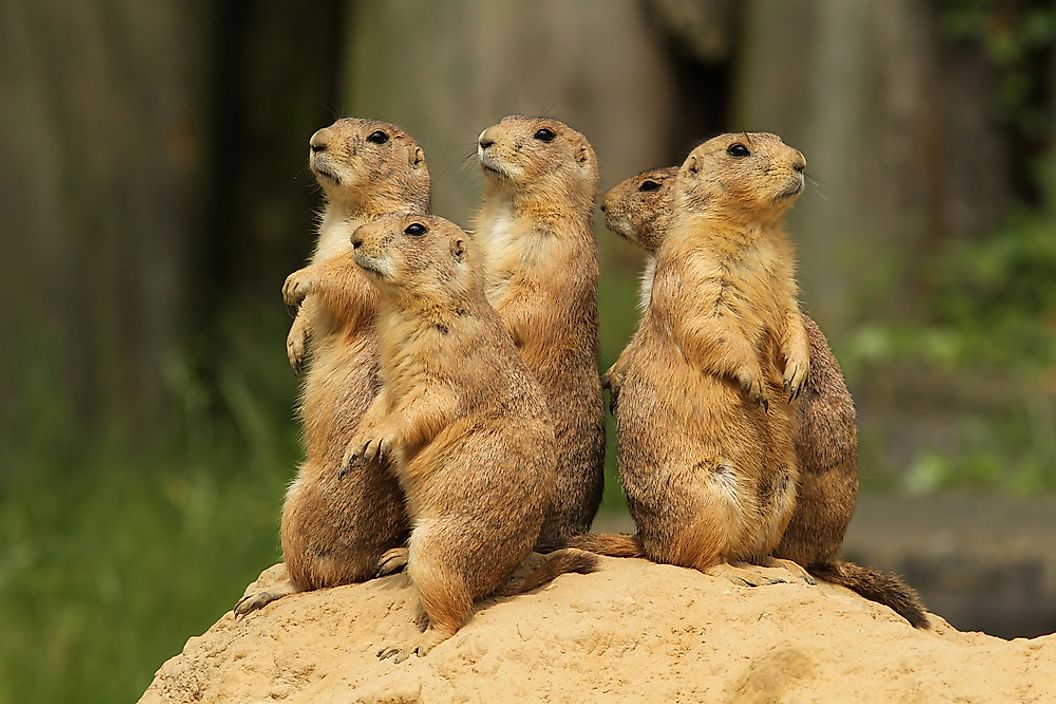
National grasslands are the grazing system. Livestock is the dominant commercial activity on essentially all of them, generally managed through grazing associations rather than individual permits, which is another inheritance from the 1930s when the government needed local cooperators to run land it had just acquired.
There is no timber program on a national grassland for the obvious reason.
What Actually Lives There
The ecological case for the grasslands has gotten stronger, not weaker, since 1960.
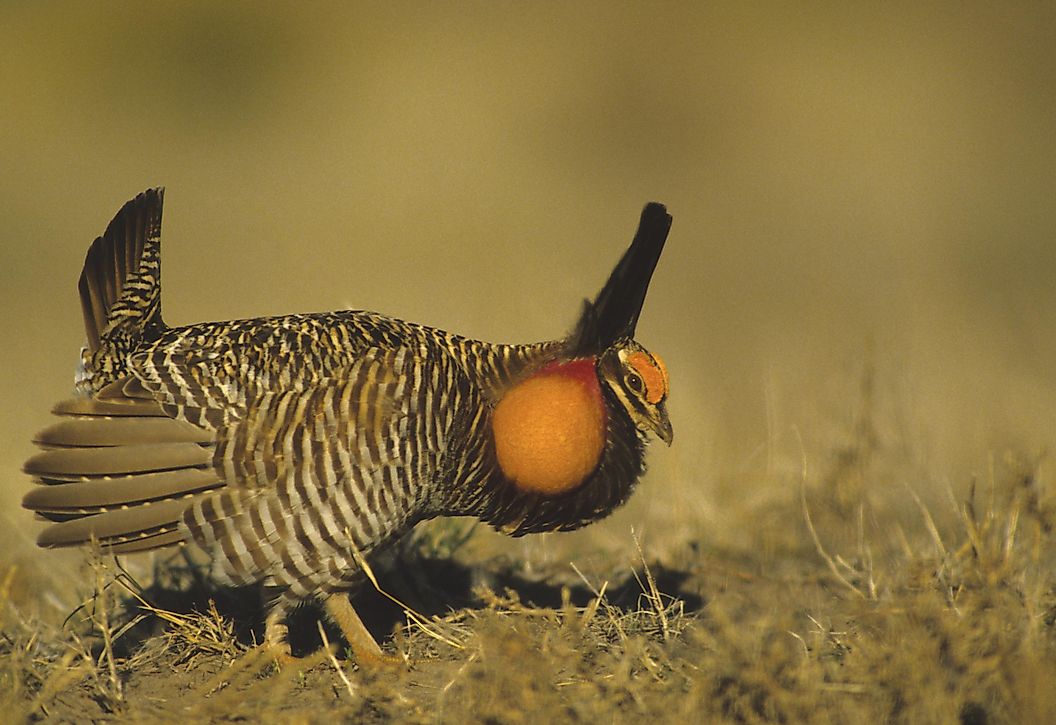
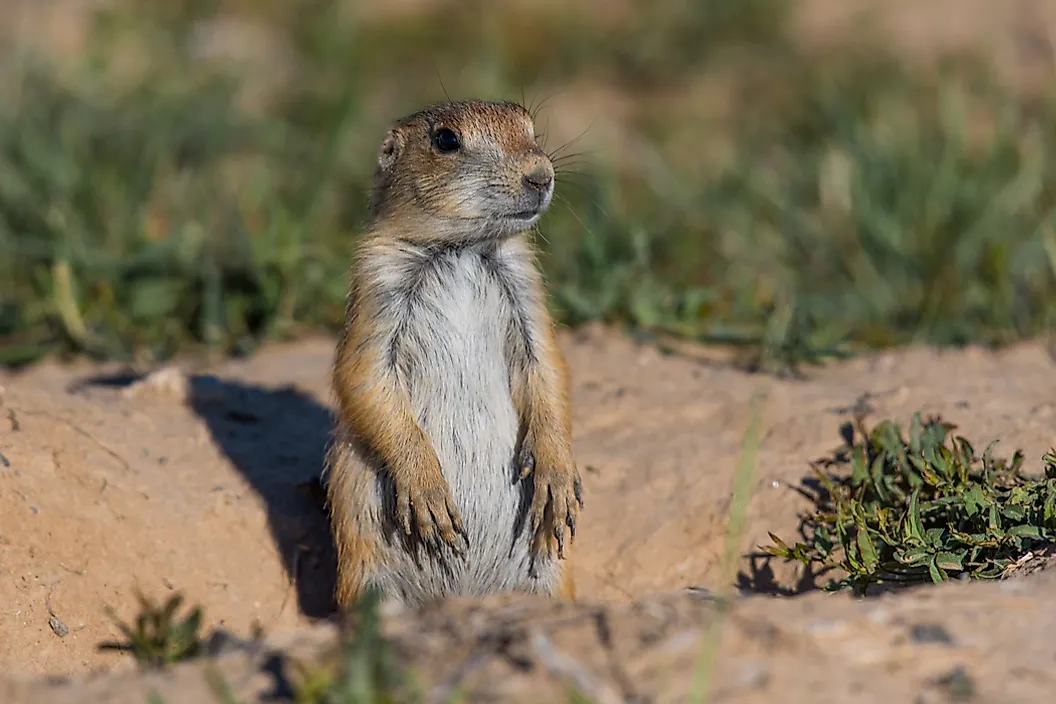
Temperate grassland is among the least protected biomes on the planet and North American grassland birds have declined faster than any other bird group on the continent. Prairie chickens, black-footed ferrets, swift fox, pronghorn and black-tailed prairie dogs all depend on the habitat these units preserve.
Thirteen of the twenty sit in the Great Plains, and several now function as the largest remaining blocks of intact prairie in states where nearly everything else went under the plow.
How To Tell Which One You Are On
Three quick tests, in order of reliability.
Check the state. If you are in the Great Plains between Texas and North Dakota, on flat or rolling open country under Forest Service management, it is almost certainly a grassland. Thirteen of the twenty are there, and the exceptions sit in California, Idaho and Oregon.
Check the boundary. Continuous federal ownership suggests a forest. A patchwork with private inholdings every few miles suggests a grassland.
Check the sign, which is the boring answer and the correct one, because the Forest Service labels them and the brown signs say exactly which you are entering.
The Short Version
A national forest was set aside from land the government already owned, mostly in the 1890s and 1900s, and mostly for timber and watershed.
A national grassland was bought back from farmers the land had defeated, in the 1930s, and repaired. There are twenty of them, they total less than four million acres, and they exist because the United States looked at the Dust Bowl and concluded that some ground should never have been plowed in the first place.
The trees are the least interesting part of the difference.