The Counties Losing People The Fastest
Every year the Census Bureau quietly publishes one of the more revealing numbers in the country: which counties lost the most people. The latest estimates, covering July 2024 to July 2025, tell a clear story. The places shedding residents fastest are not, at least at the very top of the list, dying small towns. They are some of the biggest and most expensive counties in America, the kind of places people spent the last century moving toward and are now, increasingly, moving away from. One warning before the list: these figures are updated every year, so treat this as a snapshot rather than a permanent ranking. And "losing people" can mean two very different things, which is worth sorting out first.
How We're Counting This

There are two ways to measure a shrinking county, and they produce completely different lists. By raw numbers, the biggest losers are giant urban counties that shed tens of thousands of residents. By percentage, the fastest-shrinking are tiny rural counties where losing a few hundred people is a huge share of everyone there. This list uses raw numbers, because that is where the story of people moving away is clearest. One honest caveat: in 2025, many of these declines were made worse by a sharp drop in international migration, not only by residents packing up and leaving. Big cities normally cover their domestic losses with new arrivals from abroad, and when that slowed, the losses that were always there stopped being hidden. A couple of counties on this list were also hit by something more specific than migration, which we will flag as we go.
Los Angeles County, California

No county in America lost more people last year than Los Angeles County, which shrank by 53,934 residents between July 2024 and July 2025. It is still the most populous county in the country by a wide margin, with around 9.7 million people, but it has been sliding since its 2020 peak of just over 10 million. The engine is domestic out-migration. More residents leave California for other states, or leave LA for cheaper inland counties like Riverside and San Bernardino, than arrive from elsewhere in the country. High housing costs do most of the pushing. For years, new arrivals from abroad papered over the exodus, and when that flow slowed, the decline came into full view.
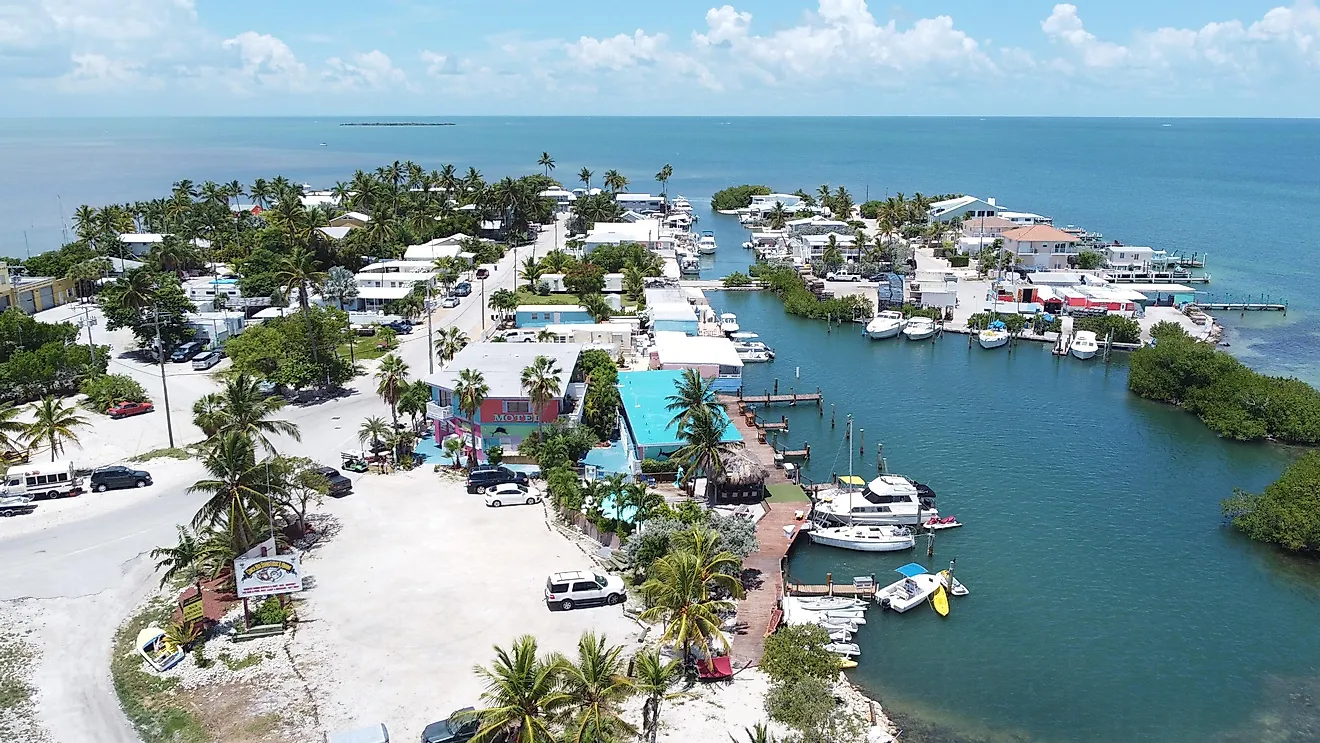
Pinellas County, Florida

Pinellas County, home to St. Petersburg and Clearwater, posted the second-largest loss in the country at 11,834 people. This one comes with an asterisk. Pinellas is a dense, retiree-heavy county where deaths already outnumber births, so it needs people moving in just to hold steady. Then two powerful hurricanes, Helene and Milton, struck the Gulf Coast in the fall of 2024 and did tens of billions of dollars in damage. Between the storms and the region's thin margins, this stretch of Florida lost residents in a way that has more to do with disaster than with anyone rejecting the Sunshine State. It is a useful reminder that not every shrinking county is shrinking for the same reason.
Queens County, New York

Queens lost 8,852 residents, and its neighbor Brooklyn, officially Kings County, was not far behind. New York City's boroughs are classic international gateways. They take in large numbers of new arrivals from abroad while steadily losing longtime residents to other parts of the country, usually in search of space and a lower cost of living. As long as immigration stayed strong, the two flows roughly balanced. When arrivals from abroad fell off in 2025, that quiet out-migration became the whole story, and New York's population math turned negative.
San Diego County, California

San Diego County shed 5,294 people, part of the broader California pattern. As the heart of one of the ten largest cities in the country, San Diego has all the draws you would expect, with sunshine, beaches, and a strong job market, plus the price tag that comes with them. As in Los Angeles, the cost of staying is nudging enough residents toward cheaper metros to tip the county into decline, even though plenty of people still want to live there.
Shelby County, Tennessee

Shelby County, built around Memphis, lost 5,212 residents and has been drifting downward for years. This is a more traditional out-migration story than the coastal giants. Residents have been leaving for the surrounding suburbs and for faster-growing metros elsewhere in the South, a slow, steady drain rather than a sudden shock. The county's population now sits around 910,000, down noticeably from where it stood even a few years ago.
Dallas County, Texas

Dallas County is the odd one out, because the Dallas area as a whole is booming. The county at the center of it still lost about 2,600 people, while the Texas suburbs around it, in places like Collin and Denton counties, added residents by the tens of thousands. This is less an exodus than a reshuffle. People are not leaving the region so much as leaving the urban core for newer, cheaper subdivisions on the edge, which is still a real loss for the county left behind.
The Bottom Line
Put the list together and a pattern jumps out. The counties losing the most people are mostly large, expensive metros that residents are trading for cheaper places, whether that means the next county over or another state entirely. A few, like the Florida Gulf Coast, are dealing with something more sudden. And it is worth remembering the other way of measuring this. By percentage, the fastest-shrinking counties are small and rural, scattered across places like the Great Plains and the Mississippi Delta, where a few hundred departures hollow out a community far more than 50,000 do in Los Angeles. Next year's list will shuffle around, but the direction of travel, out of the big and pricey and into the smaller and cheaper, has been remarkably steady.