The National Forests With The Most Bats
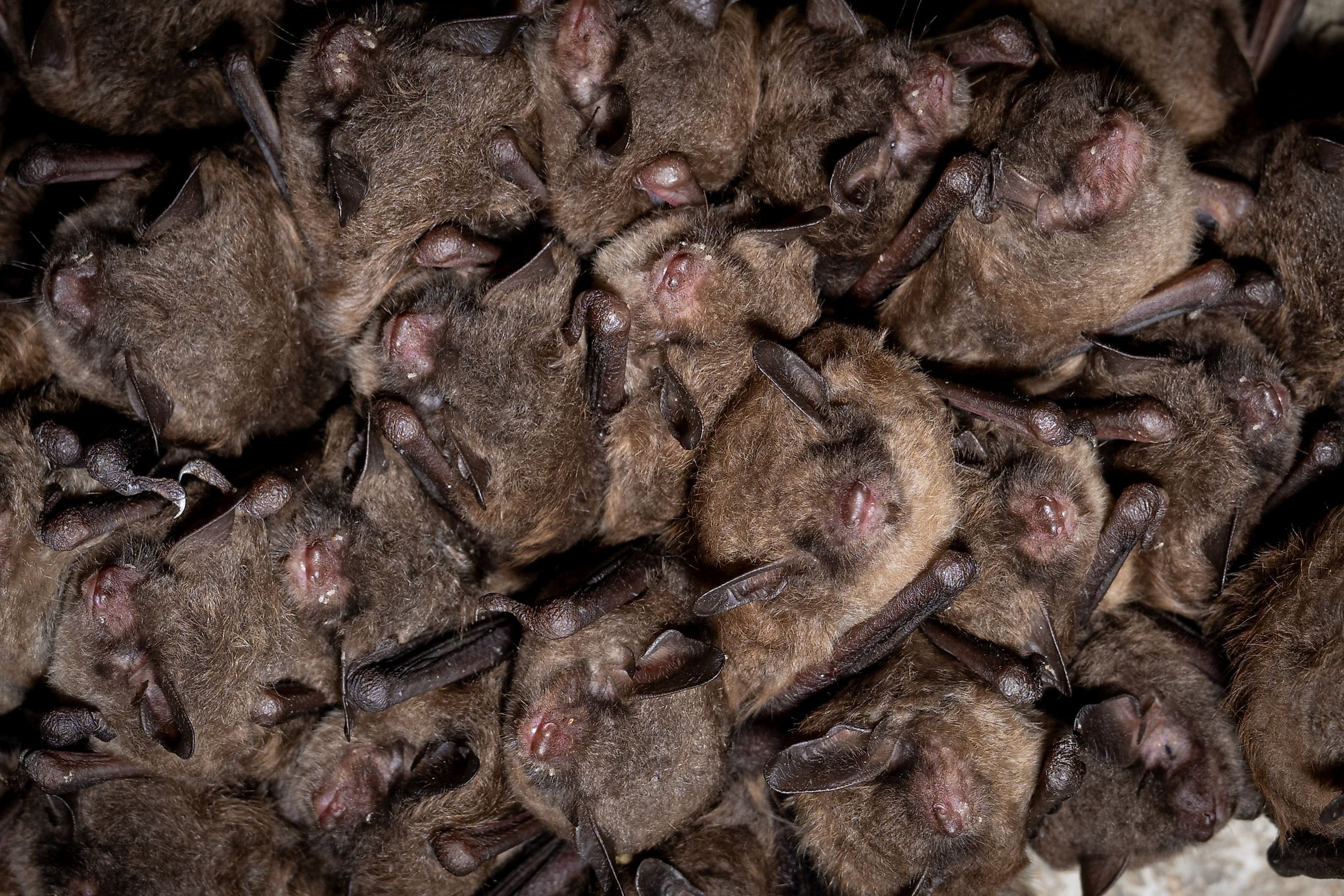
Deep inside Blanchard Springs Caverns in Arkansas, the ceilings of certain chambers are covered each winter with gray bats packed shoulder to shoulder in the dark. A 2016 survey counted more than 370,000 of them, up from about 6,000 before the 1960s. That one cave, managed by the Ozark-St. Francis National Forest, holds one of the largest bat colonies on any national forest in the country. No agency counts every bat across every national forest, but cave surveys reveal where the biggest gatherings are, and most of them cluster in the limestone country of the Ozarks and the southern Appalachians. These forests are also on the front line of white-nose syndrome, a fungal disease that has killed millions of North American bats since 2006.
Ozark-St. Francis National Forest, Arkansas

The Ozark National Forest sits on a landscape riddled with caves, more than 800 of them, according to the Forest Service, and that underground maze makes it one of the best bat habitats in the country. Its crown jewel is Blanchard Springs Caverns near Mountain View, a cave the Forest Service operates as a public show cave and protects as a winter home for the endangered gray bat.

When researchers repeated a 1970s study of the caverns, they found the gray bat population had soared to more than 370,000, a sign that careful tourism and protection can work side by side. The forest has also had to guard against white-nose syndrome. Since 2009, almost every cave on the Forest Service's Arkansas lands has been closed to the public to slow the disease, with Blanchard Springs the main exception, where visitors pass through cleaning stations before their tours.
Mark Twain National Forest, Missouri

Across the state line in Missouri, the Mark Twain National Forest hosts about 80,800 gray bats each summer, spread across some 20 caves that serve as nurseries, winter roosts, and rest stops. Gray bats are picky about where they live, using caves almost exclusively, and they shift between summer and winter caves that can be as close as 10 miles or as far as 200 miles apart.

The forest has gated several of its most important caves to keep people out when the bats are inside, and it protects the streamside forests where gray bats hunt insects over the water at night. The Mark Twain also shelters the endangered Indiana bat, which hibernates in a handful of the forest's caves in winter and roosts beneath loose tree bark in summer.
Daniel Boone National Forest, Kentucky

Kentucky is one of the heartlands of the Indiana bat, a small, endangered species that crowds into just a few caves each winter. The US Fish and Wildlife Service estimates that nearly three-quarters of the entire population hibernates in only four sites, which makes every protected cave critical.

The Daniel Boone National Forest holds Indiana bat hibernation caves among its sandstone cliffs and limestone hills, and Forest Service researchers have tracked bats there in the fall as they swarm outside cave entrances before settling in for the winter. Like other southern national forests, the Daniel Boone keeps its caves and mines closed to the public under a regional order designed to slow the spread of white-nose syndrome.
Why Forests Matter So Much To Bats
Bats need two things from a forest. They need safe caves for hibernating and raising young, and healthy woodland and streams for hunting insects. National forests in the Ozarks and Appalachians offer both, along with a mission that lets managers close caves, gate entrances, and shape timber harvests around bat needs. That matters for more than the bats themselves. A single gray bat can eat thousands of insects in a night, and the colonies sleeping in these caves help control pests across the farms and forests around them. As white-nose syndrome continues to spread, the protected caves of these national forests may be among the most important refuges left for America's cave bats.