Where Rattlesnakes And Cottonmouths Overlap
Across much of the warm, wet American South, you can cross paths with two of the country's most feared venomous snakes, the rattlesnake and the cottonmouth, sometimes on the very same afternoon. Here is where their territories overlap, and why the South so often puts the two of them side by side.
Cottonmouth Country

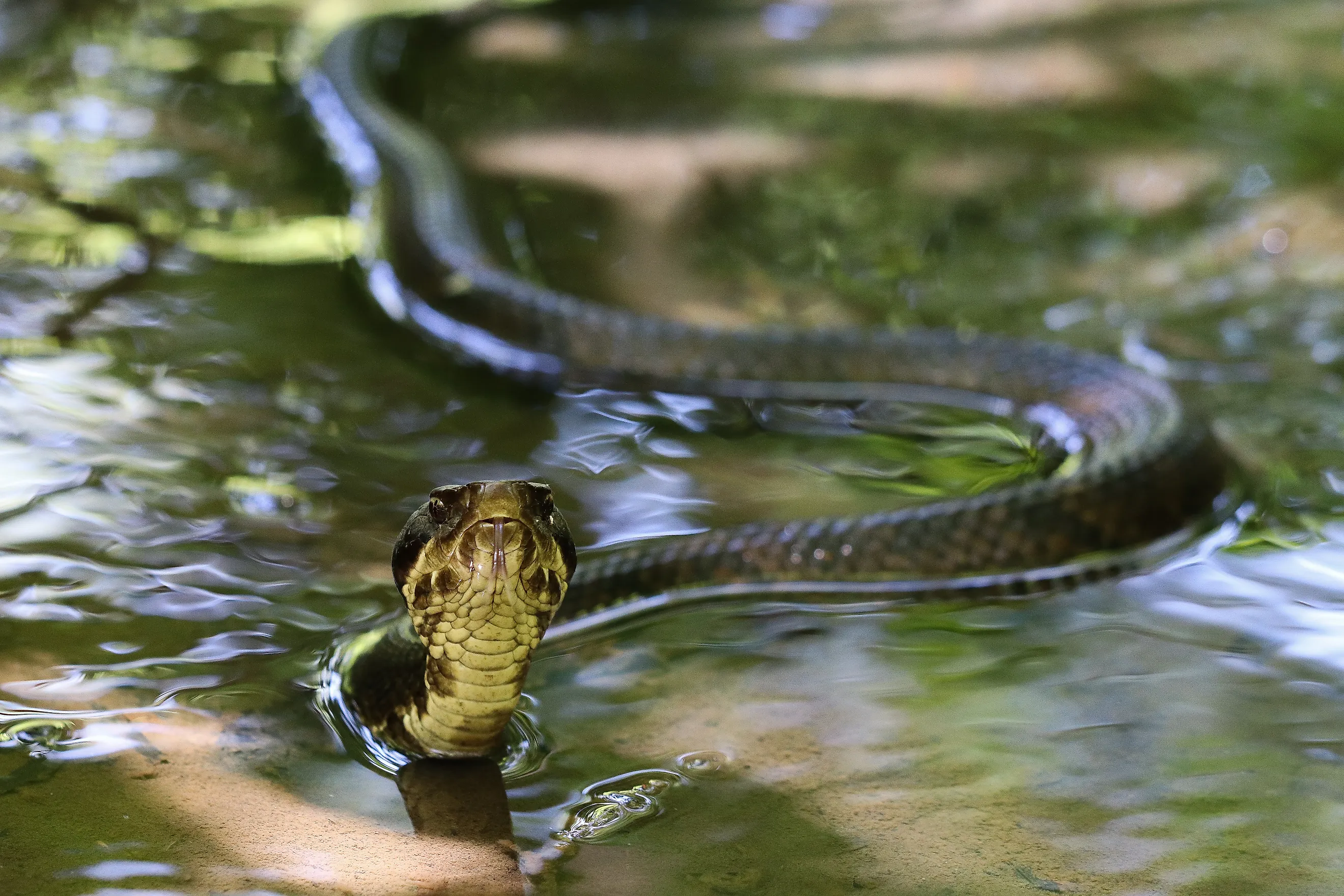
The cottonmouth, also known as the water moccasin, is strictly a creature of the Southeast. Its range runs from southeastern Virginia down through the Carolinas and all of Florida, west along the Gulf Coast into eastern Texas, and north up the Mississippi River valley into southern Illinois and Indiana. As North America's only venomous water snake, it keeps close to swamps, marshes, river bottoms, and lakeshores, and it is the only semi-aquatic pit viper in the country. If there is slow, warm water somewhere in the South, there may well be a cottonmouth near it.
The Rattlesnakes That Share It

That same southern footprint is also rattlesnake country, several times over. The eastern diamondback, the largest rattlesnake on Earth, prowls the pine flatwoods and coastal plains of the Southeast. The timber rattlesnake, known as the canebrake in the South, ranges across the region's woodlands. The tiny pygmy rattlesnake turns up throughout the Southeast, often in the very wet lowlands that cottonmouths favor. And out in Texas, the western diamondback pushes east into the cottonmouth's territory. Every one of them overlaps cottonmouth turf.
The Overlap Zone

Lay all of those ranges on top of one another and the overlap is, essentially, the American Southeast. The Gulf Coastal Plain, the lower Mississippi Valley, the Florida peninsula, and East Texas together form one broad, warm, humid belt that is pit-viper central. Across this entire region, a rattlesnake and a cottonmouth can live within easy shouting distance of each other, one patrolling the dry ground and brush, the other working the water's edge just a few yards away.
Florida and East Texas: The Hotspots

Two places stand out above the rest. Florida is the clearest overlap of all: the cottonmouth shares the entire state with both the eastern diamondback and the pygmy rattlesnake, with the timber rattlesnake added in the north, so all four of those pit vipers can be found there. East Texas is the western bookend, where the cottonmouth's range runs headlong into the eastern edge of the western diamondback's. In both places, a hiker genuinely could run into either kind of snake on the same outing.
Telling Them Apart

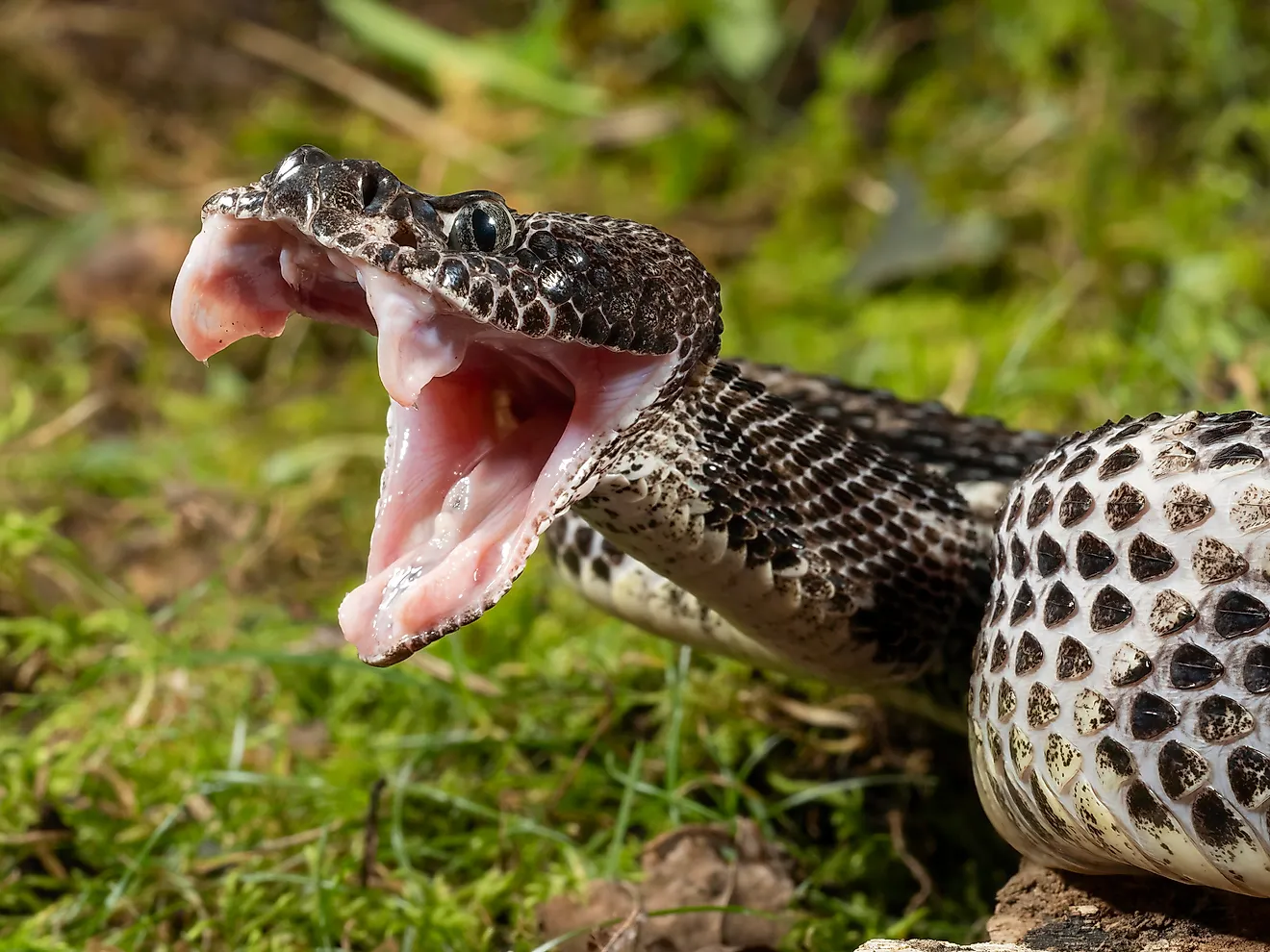
Since both are venomous pit vipers, sharing the same blocky heads, heat-sensing facial pits, and dangerous bites, it pays to know the difference. The cottonmouth stays close to water, is dark and heavy-bodied, lacks a rattle (though it may vibrate its tail), and will gape to flash the startling white lining of its mouth as a warning, which is exactly how it earned its name. The rattlesnake, by contrast, announces itself with that unmistakable buzzing rattle and tends to favor drier ground, though it will happily use wetland edges as well. The reassuring news is that both snakes would far rather slip quietly away than strike, so in overlap country the rule is simple: watch your footing near water and brush alike, and give any snake you meet a wide and respectful berth.