8 Best California Towns For Retirees
California offers a retiree more good options than almost any state. You can wake up to ocean fog or dry foothill sun. You can settle where the houses are a bargain or where the wine country starts at your door. These eight towns each do one thing especially well. Arcata is the affordable one. Pacific Grove and Cambria are the coastal ones. Auburn and Grass Valley have the deepest retiree communities. Most have an exceptional downtown with a hospital close by. Find the strength you want most and the choice gets easy.
Pacific Grove

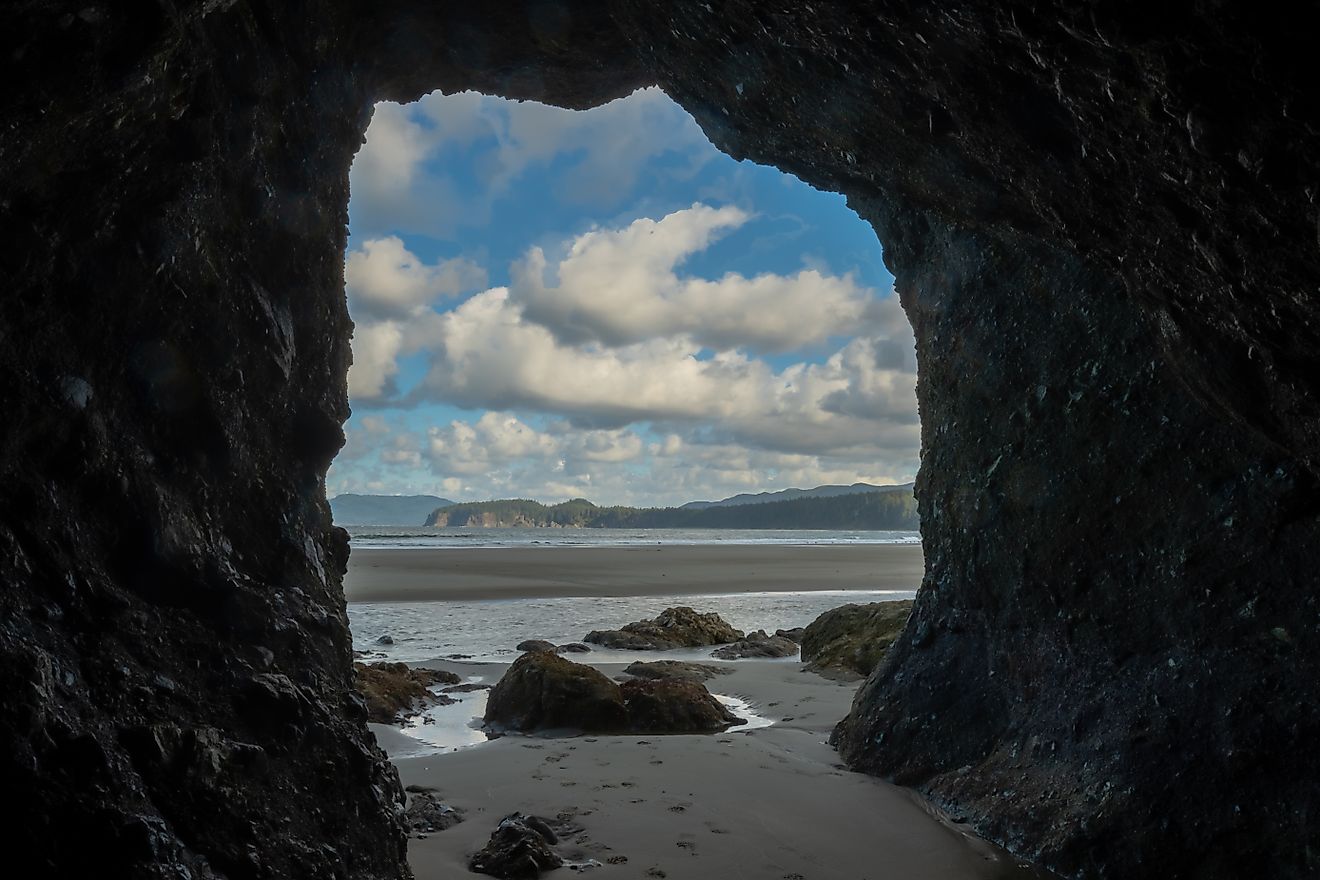
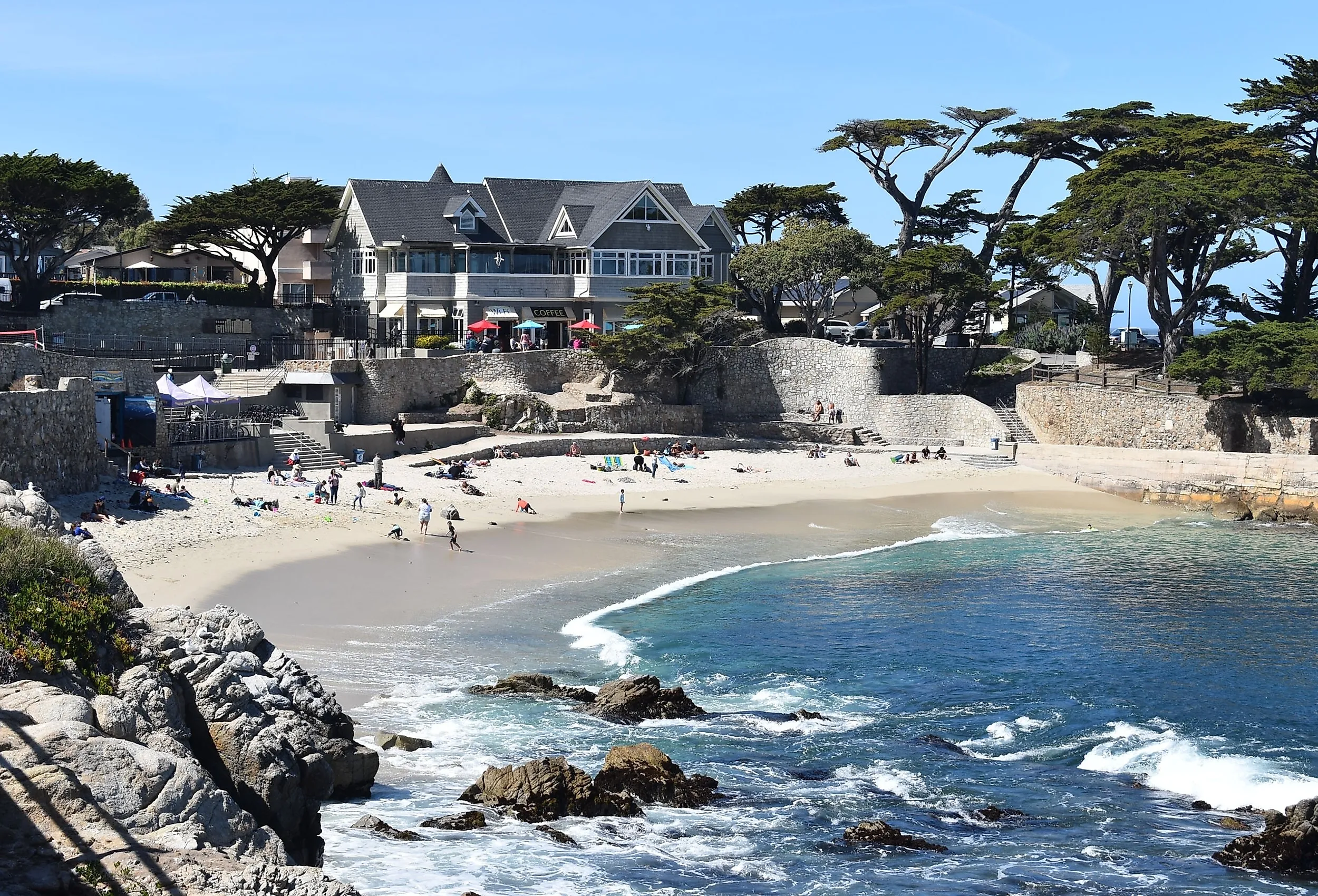
Pacific Grove began as a Methodist summer retreat of tents and seaside cottages, and that careful, buttoned-up start is why it now keeps the largest cluster of historic homes for its size on the West Coast. Close to three in ten residents are 65 or older, and the bigger hospitals and shopping of neighboring Monterey sit a few minutes around Monterey Bay. Mornings here smell like salt and the cypresses.
The town's best free hour is the Monarch Butterfly Sanctuary in winter, when thousands of monarchs cluster in the pines. Walk the paved path at Lovers Point, drop down to the tide pools at Asilomar State Beach at low tide for starfish and urchins, and stop at the Point Pinos Lighthouse, lit in 1855 and the oldest continuously operating light on the West Coast.
Arcata

Around $455,000 buys a home in Arcata, against a statewide median north of $780,000. That is the bargain of this list, and it is hard to square with a town of about 19,000 on a bay that opens to the Pacific and sits a short drive from the Redwood National and State Parks. The trade for that price is the climate. This is the cool, foggy far north coast, which keeps the summers mild and the redwoods green year-round.
Active retirees get boating and paddling on the bay and hiking under the tallest trees on earth. The year-round Arcata Plaza Farmers Market draws produce from dozens of local growers and doubles as the town's front porch. And the Arcata Marsh and Wildlife Sanctuary, 307 acres of reclaimed waterfront, runs walking trails through freshwater and salt marsh right at the edge of town, no long drive required.
Sonoma

The eight-acre plaza at the center of Sonoma is the largest town square in California, and the Bear Flag went up here in 1846 when settlers declared a short-lived republic. The history runs deeper than the wine in this town of about 10,000 at the foot of its namesake valley. Sonoma Valley Hospital handles local care, with bigger systems in Santa Rosa about 20 miles north and San Francisco around 45 miles south.
Days here move at a tasting-room pace. Walk the plaza and the restored adobes of Sonoma State Historic Park in the morning, then drive ten minutes in any direction to a winery with valley views and an unhurried afternoon flight. The splurge bottles are easy to find; so is a $20 tasting if that is more your speed.
Auburn

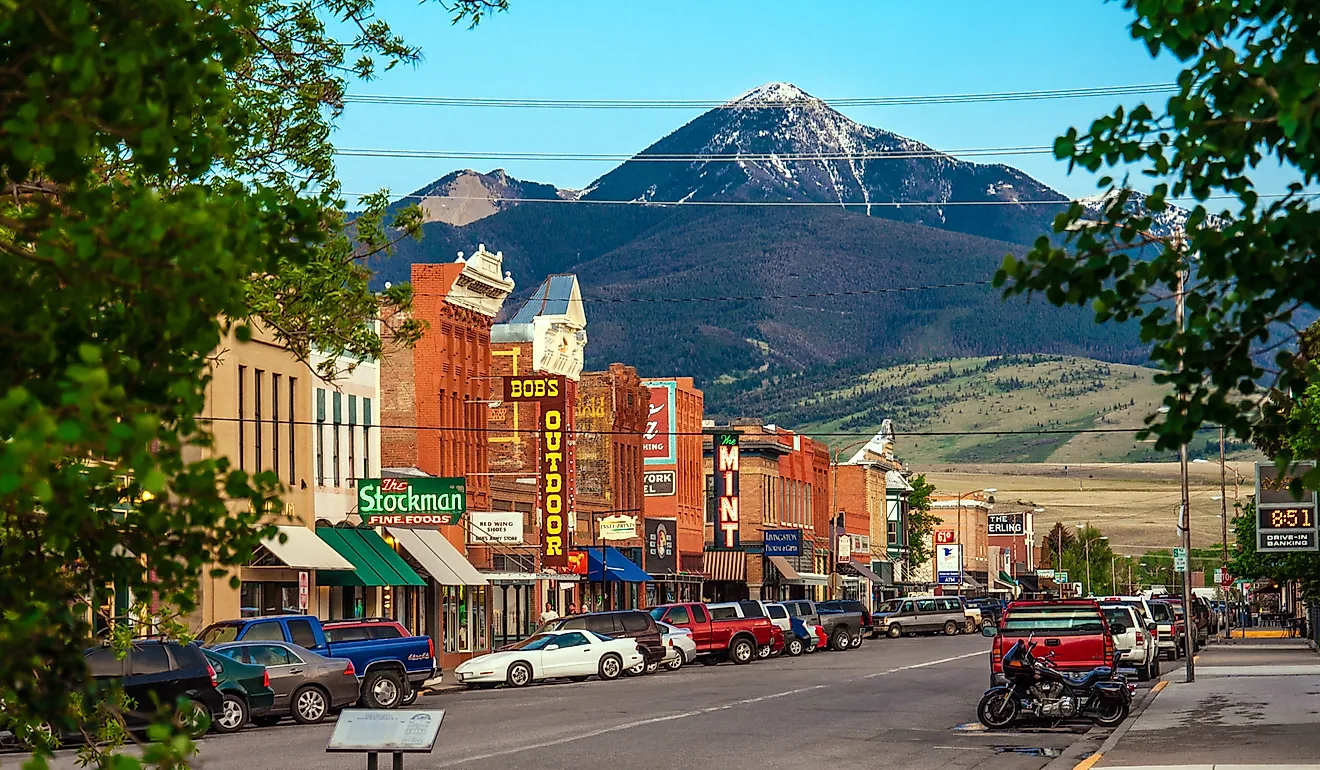
Auburn is the foothill value pick, where Sierra scenery and a deep retiree base come without a coastal price tag. About 27% of the roughly 13,800 residents are 65 or older, Sutter Auburn Faith Hospital covers care in town, and Sacramento sits less than 35 miles down Interstate 80 for anything the foothills cannot supply. The gold rush built the place. Claude Chana panned the ravine here in 1848, and the Old Town below the freeway still keeps the storefronts and the colossal sculptures that tell that story.
The big draw for active retirees is the Auburn State Recreation Area, which follows about 40 miles of the North and Middle Forks of the American River through canyon country, with easy walking trails at one end and whitewater rafting at the other. The Placer County Wine Trail runs through town too, pouring foothill wines at foothill prices rather than Napa ones.
Ojai

By local ordinance, Ojai bans formula chain storefronts to keep its Spanish-arcade main street intact, and the valley has leaned wellness for a century. Around 7,500 people live here. The spa at the Ojai Valley Inn and the gardens at Meditation Mount are the marquee names, but the everyday draw is a mild valley climate that glows pink at sunset, a light locals call the "pink moment."
Retirees who want to move rather than meditate have the Ojai Valley Trail, a paved rail-to-trail path of about nine miles running toward the coast. The Pacific Ocean beaches near Ventura are about 15 miles off, close enough for an afternoon and far enough that the crowds stay down in your day-to-day.
Grass Valley

Grass Valley has the deepest retiree community on this list. Almost 32% of its roughly 14,000 residents are 65 or older, one of the higher shares anywhere in the state, and prices stay gentler than the coast. It sits near Tahoe National Forest, with Sacramento a bit over an hour south for errands and bigger stores. The money here came out of the ground, from some of the richest gold mines in California, and when the digging stopped the town simply stayed.
The mining past is the main attraction. Empire Mine State Historic Park, on the edge of town, preserves one of the oldest and deepest gold mines in California, with guided tours of the headframe and grounds plus about 14 miles of trails for visitors who would rather wander. Back downtown, The Center for the Arts books touring music and theater into a renovated hall, so the calendar stays full through the winter.
Paso Robles

Roughly midway between San Francisco and Los Angeles, Paso Robles is the largest town here at just over 31,000 residents, which buys a fuller slate of stores and services than the smaller towns can manage. The coast is about 30 miles west. Community Health Centers covers care in the city limits, and Adventist Health Twin Cities Hospital, with a 24-hour emergency room, is about 15 minutes up the road in Templeton.
The town was a hot-springs resort long before it was wine country, and both still pull people in. Franklin Hot Springs and River Oaks Hot Springs Spa keep up the soaking tradition, while hundreds of wineries ring the town. Paso's home prices sit near the state median, which still undercuts the comparable wine towns up in Napa.
Cambria

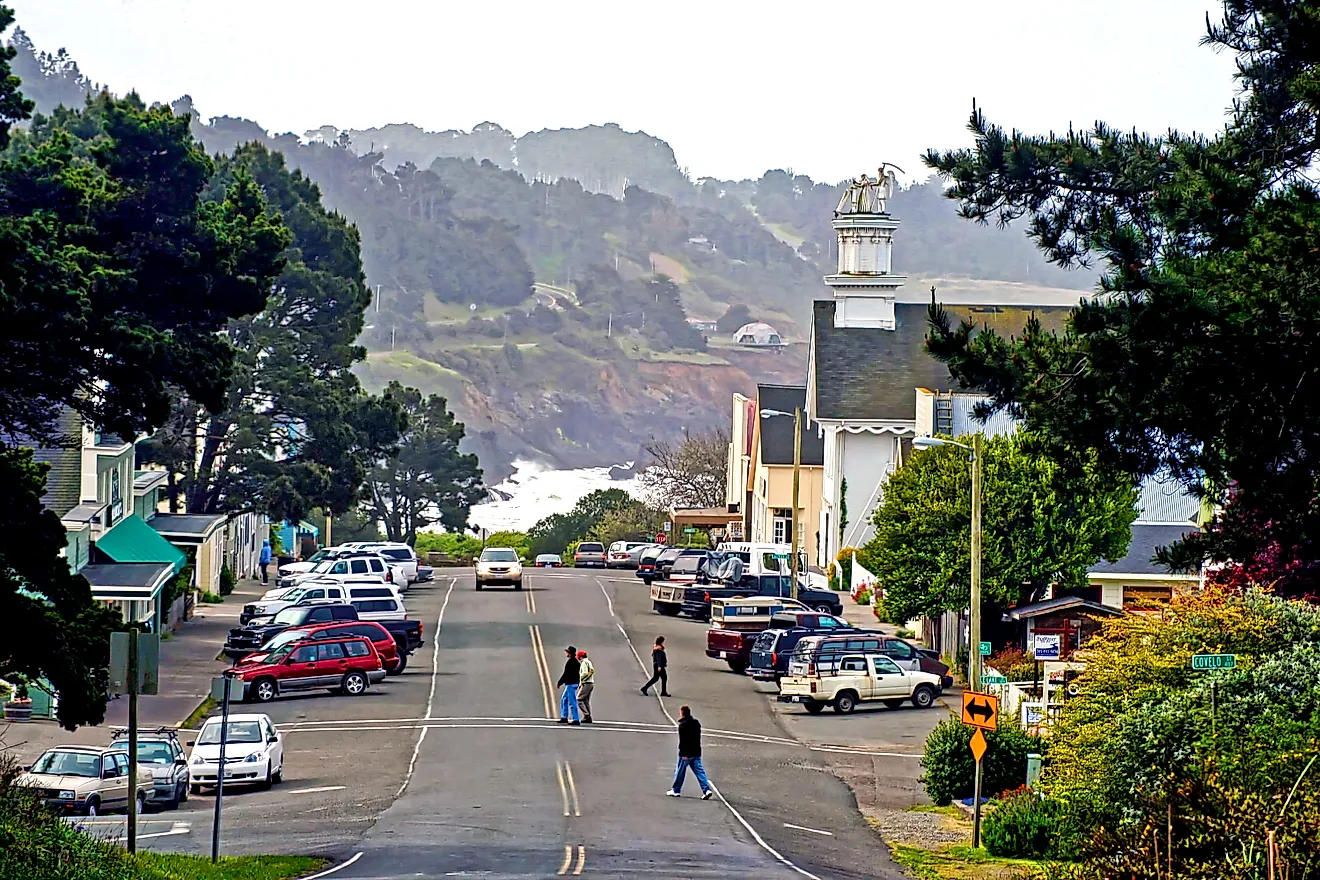
Boardwalks trace the bluffs above Moonstone Beach, where the walking is flat and the sea otters are usually in view. That is the heart of Cambria, the small one on this list at under 6,000 people, set right on the ocean along Highway 1. It started as a mining and ranching town and turned into an artists' colony, and the East and West Villages still run on galleries, antique shops, and the Saturday farmers market.
Small does not mean stranded. The town sits on the main coastal road, so the day-trippers and the road-trippers keep it busy, and Adventist Health Twin Cities in Templeton is about half an hour inland for medical care. Hearst Castle is up the coast for visitors, and the elephant seal rookery at Piedras Blancas is a short drive north when you want to show off the place to grandkids.
Finding Your Match
The easiest way in is to name the thing you want most. If it is value, Arcata stretches a retirement budget further than anywhere else here, with Auburn and Grass Valley close behind. If it is the ocean, Pacific Grove and Cambria put it outside your door. If it is a ready-made community, Grass Valley, Pacific Grove, and Auburn already run heavy with retirees, so you arrive among neighbors your own age. Sonoma and Paso Robles pour the wine-country life, and Ojai turns the whole valley toward wellness. Lead with your one priority and the right town steps forward.