9 Towns on the Gulf Coast that Are Ideal for Seniors
Retiring to the Gulf Coast is one of America's oldest good ideas, and the math still works: warm winters, white sand, and in much of the region, a cost of living that beats the national average. The coast runs from Texas to the tip of Florida, and the tax picture sweetens the deal: Florida and Texas levy no state income tax, and Mississippi does not tax retirement income at all. The honest trade-off is hurricane country, so storm season and rising insurance costs belong in any Gulf retirement budget alongside the golf fees. Weigh that, and these nine towns deliver what the brochure promises: walkable downtowns, real healthcare, community calendars that stay full, and a sunset over the water at the end of every day.
Ocean Springs, Mississippi

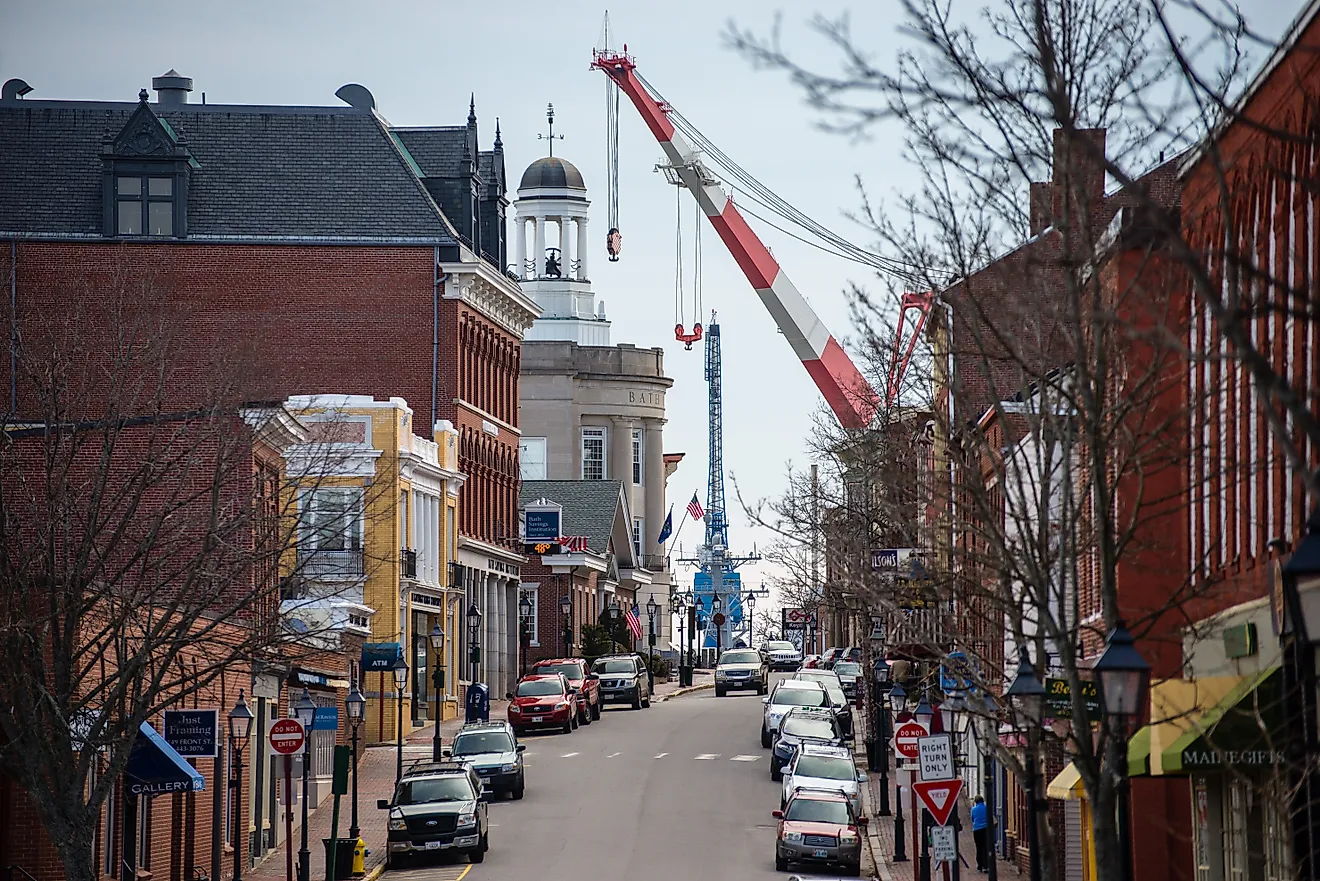
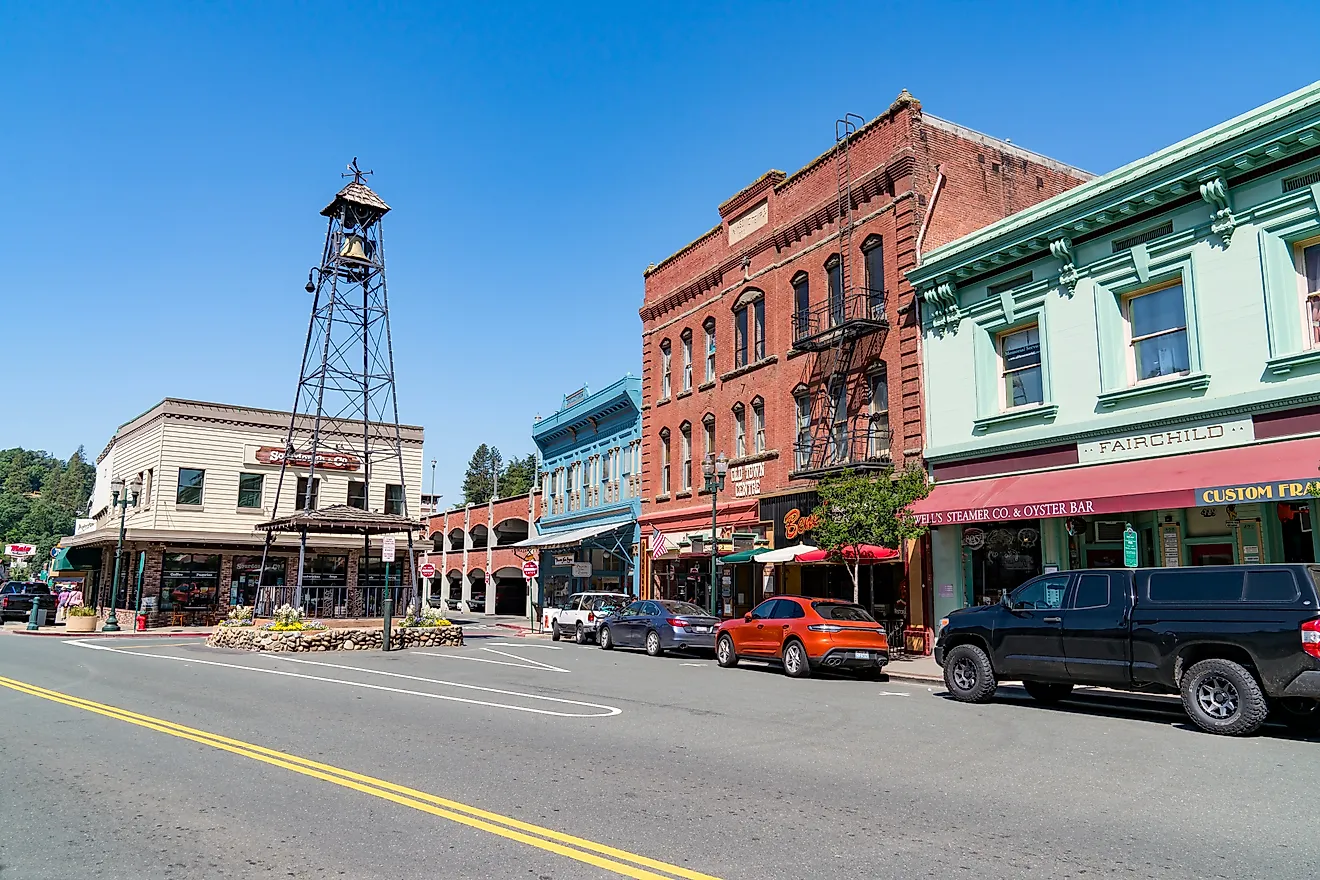
Ocean Springs, the "City of Discovery," pairs one of the most walkable downtowns on the Gulf with one of its best back yards. The historic district spreads beneath century-old live oaks, stacked with galleries, shops, and restaurants, and the Gulf Islands National Seashore begins at the town's edge with paved trails for walking and biking past wetlands full of herons, sea turtles, and the occasional alligator keeping its distance. Charter boats run from the harbor for anyone whose retirement plan includes deep-sea fishing.
The art scene is the town's calling card. Every fall, the Peter Anderson Arts Festival, Mississippi's largest, fills the streets with makers from across the South, and the Walter Anderson Museum of Art and galleries like The Pink Rooster carry the tradition year-round. Food holds up its end, from barbecue and tacos to Vestige, the tasting-menu restaurant whose chef has drawn repeated James Beard nominations.

The practical case seals it: home prices run well below the national average, the Singing River Health System covers medical care close to home, Mississippi leaves retirement income untaxed, and the Coast's casino entertainment circuit sits minutes away. Few retirement towns anywhere offer this much culture per dollar.
Rockport, Texas

Rockport sits on the Texas coast about thirty minutes from Corpus Christi, and it has quietly built one of the best retirement resumes in the state: a laid-back pace, a serious arts culture, and a cost of living roughly ten percent below the national average in a state with no income tax. Rockport Beach, the town's clean, calm "blue water" beach, is easy to reach and easy to walk, and the fishing is the real deal, with redfish, speckled trout, and black drum coming over the rails at Fulton Pier.
The calendar does its part. The Rockport Art Festival has run every summer since 1969, and each fall the Hummingbird Celebration marks the ruby-throated migration that funnels through town, a spectacle that turns ordinary back porches into grandstands. Birders consider the surrounding bays some of the best viewing on the coast.
Downtown, the Heritage District lines up shops, boutiques, and restaurants, anchored by the Rockport Center for the Arts, with spots like the Latitude 28 02' restaurant and gallery and Rock Bottom Park and Pub for a glass of wine in the Gulf breeze. Home prices sit in the mid-$300,000s, spring break brings a brief crowd, and the rest of the year belongs to the locals.
Orange Beach, Alabama

Orange Beach, just east of Gulf Shores, claims some of the clearest water on the Gulf and 32 miles of combined beachfront with plentiful access points and easy parking, which matters more in retirement than any brochure admits. Dolphin-watching charters work the passes daily, and the Hugh S. Branyon Backcountry Trail threads more than 15 miles of paved path through maritime forest for walkers, cyclists, and wildlife watchers who prefer their Alabama wilderness with a smooth surface.

The Wharf, the town's entertainment district anchored by a 112-foot Ferris wheel, handles dinner and a show, with fresh seafood at Wolf Bay Restaurant, brunch at the Ruby Slipper, and open-air Gulf views at CoastAL Bar. Cultural padding comes from the Coastal Arts Center on Wolf Bay.
The honest ledger: Orange Beach costs more than Gulf Shores next door, with median home prices north of $700,000 in a resort market. In exchange, residents get solid medical access, strong senior programming through the city, and a town that runs quieter and far less crowded than most beach destinations its size. For retirees with the budget, it is Alabama's premium coastal option.
Siesta Key, Florida

Almost anywhere in the Sarasota area makes a strong retirement case, and Siesta Key is its most famous address: a barrier island whose main beach is routinely ranked among the best in America, with quartz sand so fine and white it stays cool underfoot in July. The free Siesta Key Breeze trolley runs the length of the island, which means the car can stay parked, and the beach itself is flat, wide, and made for long, easy morning walks.

The island keeps retirees fed and entertained at places like the Siesta Key Oyster Bar, steps from the sand, where crab-stuffed lobster and blackened shrimp headline a seafood-heavy menu. Shell hunters should head south to Turtle Beach, the island's best shelling ground and a reliable hit with visiting grandkids. And Sarasota, ten minutes over the bridge, supplies the big-ticket extras: hospitals, theaters, and Orioles spring training, with the Braves' park a half hour south in North Port.
The catch is the price of fame. Island homes run well into seven figures at the top end, with medians around the $800,000s, which is why many retirees settle in South Sarasota and treat the Key as their beach club. Day-to-day costs beyond housing stay close to the national average.
Fort Walton Beach, Florida

Fort Walton Beach, a Panhandle community of around 20,000, draws retirees with the trifecta of mild winters, sugar-white sand, and Florida's absent state income tax. Okaloosa Island sits two minutes south of downtown, running toward Destin with a classic boardwalk, the Gulfarium marine park, and a fishing pier where the Gulf's saltwater species keep anglers honest; in summer, a free trolley handles island transportation.

The town rewards the curious. Downtown's antique circuit runs from De'France Indoor Flea Market Antiques through the Vintage Barn and Bobbi's Emporium, the Air Force Armament Museum shows a serious aircraft collection for free, and the Emerald Coast Science Center gives visiting grandchildren a full rainy-day agenda. Golfers get two municipal championship courses at the Fort Walton Beach Golf Club, with green fees that read like a different decade.
The practical backbone: HCA Florida Fort Walton-Destin Hospital anchors regional healthcare with a deep physician roster, and home prices in the low-to-mid $300,000s keep the entry cost reasonable for the Florida coast. It adds up to one of the Panhandle's most complete retirement packages.
Dunedin, Florida

Dunedin solves the retirement riddle of wanting a small beach town and a big city at once. The town fronts the Gulf west of Tampa, with two state parks as its crown jewels: Honeymoon Island, with three miles of undeveloped beachfront, and Caladesi Island beyond it, reachable by ferry. The Pinellas Trail, a rails-to-trails path, runs straight through the heart of downtown, which means a bicycle is legitimate local transportation.

Downtown Dunedin runs on craft beer and good moods. Nine breweries operate in this small town, led by Dunedin Brewery, the oldest craft brewery in Florida, with 7venth Sun among the local favorites, and Cafe Alfresco covers lunch on a climate-controlled patio. The Jolly Trolley links Dunedin to Clearwater for a few dollars a day, and Tampa's hospitals, stadiums, and cultural calendar sit about 30 minutes east.
Home prices in the low-to-mid $400,000s buy into a town with low crime and day-to-day costs near the national average. The beaches draw crowds in season, but that is the price of living somewhere other people save all year to visit.
Naples, Florida

Naples is the Gulf's blue-chip retirement town, a fixture of best-places-to-retire rankings built on low crime, first-rate medical care, and a social scene that runs on pickleball, galas, and tee times. Housing is the entry exam: single-family medians float between the high six figures and seven, though a deep supply of condos lets plenty of retirees downsize their way in.

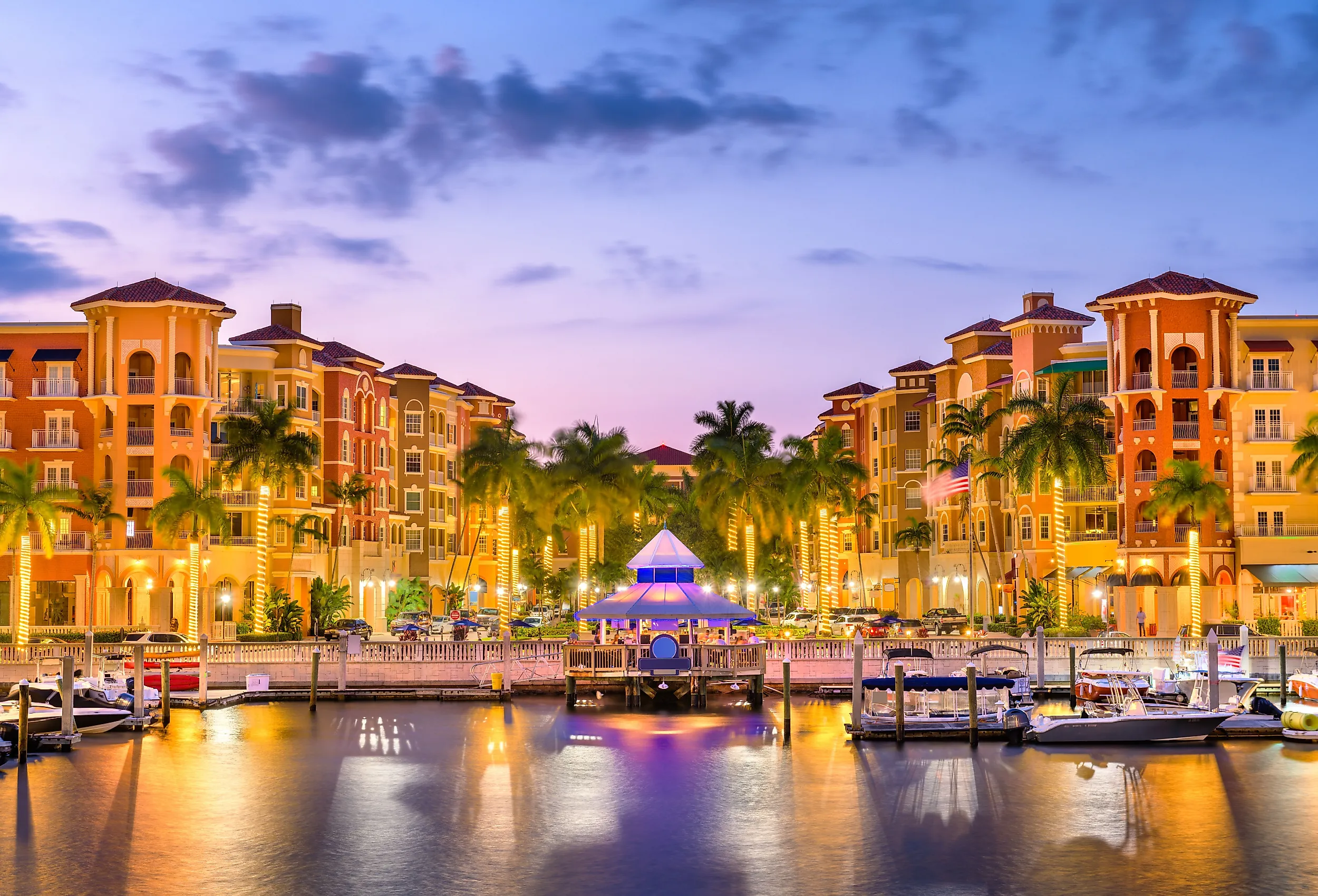
The daily rewards are considerable: more than forty beach access points along nine miles of shoreline, the Naples Botanical Garden, the 13,000-acre Corkscrew Swamp Sanctuary, and one of the densest golf landscapes in America, with dozens of courses where the water hazards occasionally include an actual alligator. Fifth Avenue South carries the town's social life for a walkable mile toward the beach, with Brasserie Rustique drawing the French-cuisine crowds and Osteria Tulia answering across the street in Italian.
One update for anyone picturing sunset strolls on the famous Naples Pier: the 1888 landmark is closed and being rebuilt stronger after Hurricane Ian, with the new pier targeted for around 2027. The beach beside it remains open, and the sunsets have continued without interruption.
Biloxi, Mississippi

Biloxi stretches along 26 miles of beachfront and is best known for its casinos, but the retirement case runs deeper than the gaming floors. History does heavy lifting here: Beauvoir, Jefferson Davis's postwar home, opens its grounds for guided tours, the Ohr-O'Keeffe Museum of Art shows local and international exhibits in Frank Gehry-designed pavilions, and the Maritime and Seafood Industry Museum tells the story of the town's reign as a shrimping capital. The Mississippi Aquarium in neighboring Gulfport covers grandchild duty.
The calendar stays loud in the best way. Cruisin' the Coast brings one of the Southeast's largest classic car gatherings every fall, the Biloxi Seafood Festival honors the local catch, and the Barkloxi Pawrade puts costumed dogs on parade for the Humane Society. Dinner belongs to institutions like Mary Mahoney's, the Sapphire Supper Club, and the Half Shell Oyster House, with casino showrooms supplying national acts year-round.

Then comes the closer: home prices in the low $200,000s, a cost of living well below the national average, some of the cheapest food and fuel on the coast, and a state that taxes none of your retirement income. For budget-first retirees, Biloxi is the Gulf's best bargain.
Venice, Florida

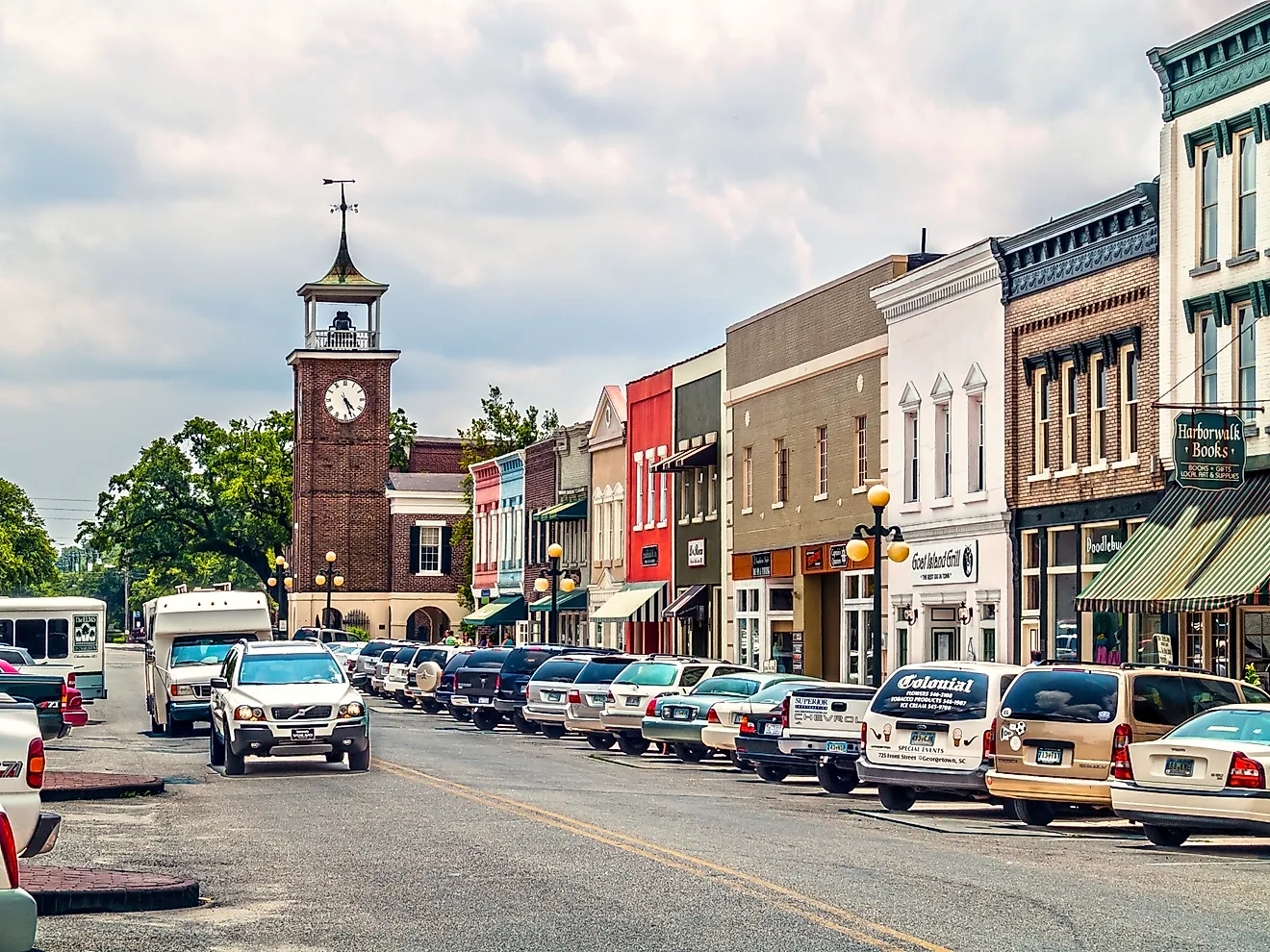
Venice, in Sarasota County, is one of the Gulf's most committed retirement towns, and it comes with a genuine conversation starter: this is the self-proclaimed Shark Tooth Capital of the World, where fossilized teeth wash onto the beaches daily and the annual Shark's Tooth Festival celebrates the haul. Between fossil hunting, boating, and the 700-foot Venice Fishing Pier, the waterfront fills a calendar on its own.

Downtown Venice leans into its namesake with a Mediterranean look, pastel facades and tree-lined streets holding more than 130 shops, antique stores, and restaurants in an easy walk. Centennial Park anchors the center with free Friday-evening concerts where residents arrive with lawn chairs like season-ticket holders, and the dining runs from Darrel's barbecue plates to the locally beloved Tikka Indian Cuisine.
Home prices in the mid-$400,000s reflect the gated-community stock, and overall costs run somewhat above the national average, balanced by low crime, nearby medical care, and beaches that stay remarkably uncrowded. Venice remains one of the most retiree-centric towns in Florida, and the residents like it exactly that way.
Pick Your Stretch Of Sand
The Gulf Coast's retirement menu runs wider than its reputation suggests. Biloxi and Ocean Springs stretch a fixed income further than almost anywhere on saltwater, Naples and Siesta Key deliver the polished version for those who can pay the cover charge, and towns like Rockport, Dunedin, and Venice hold the sensible middle, with real downtowns, real healthcare, and water at the end of the street. Budget for storm season, pick the price point that fits, and the rest of the brochure turns out to be true: the sunsets really are nightly, and they really are free.