13 Most Charming Cities in the Northern United States
Reading Terminal Market in Philadelphia has been operating in the same converted train shed since 1893. By seven a.m. most mornings around 75 vendors are open, and the market sits a few blocks from the Liberty Bell and Independence Hall in the historic core of the city. That kind of specific, persistent local institution is what gives a northern US city its character at the scale of a long weekend visit. The thirteen cities on this list are all built around something like it. The geographic range runs from Portland on the coast of Maine to Billings on the Yellowstone in eastern Montana, with most of the list clustered around the Great Lakes and the Northeast.
Milwaukee, Wisconsin

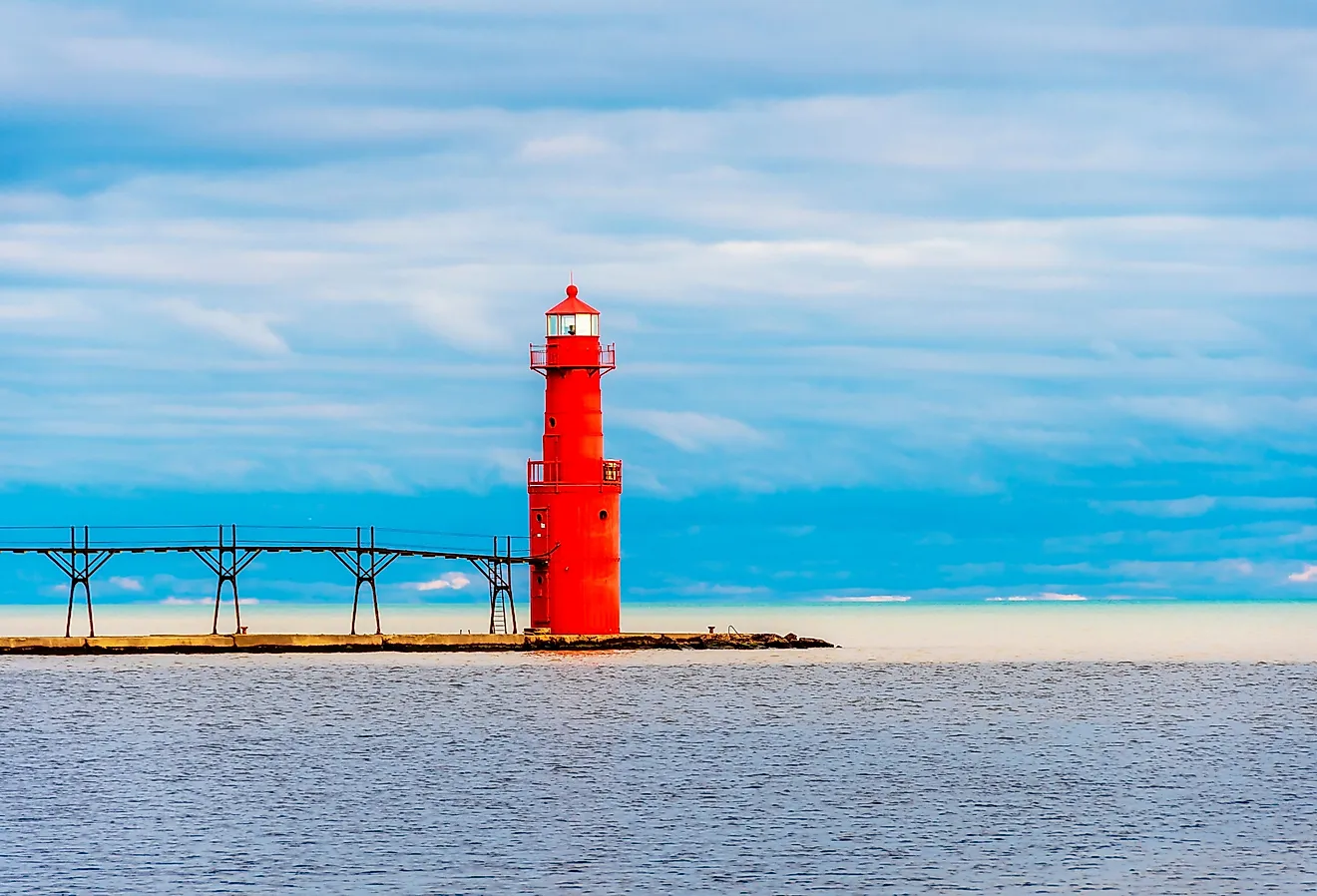
Milwaukee sits on the western shore of Lake Michigan, with the Santiago Calatrava-designed Quadracci Pavilion of the Milwaukee Art Museum extending its bird-wing brise soleil over the lakefront twice a day. The city's brewing history (Pabst, Schlitz, and Miller all originated here in the mid-1800s) is preserved across the restored Pabst complex on Old World Third Street and in dozens of working microbreweries. The Milwaukee Riverwalk threads through downtown along the Milwaukee River and includes the well-known Bronze Fonz statue near Wells Street. The Harley-Davidson Museum on the river's south end covers the company's full history from its 1903 founding in Milwaukee forward.
Portland, Maine

Portland sits on a peninsula between Casco Bay and the Fore River, with the cobblestoned Old Port district as the working waterfront and the historic core. The Eastern Promenade, a 2.5-mile city park along the bay, runs from East End Beach south past the working ferry terminal where Casco Bay Lines departs daily for Peaks Island, Chebeague, and the rest of the Casco Bay islands. Portland Head Light, on Cape Elizabeth ten minutes from downtown, has been operating since 1791 and is the most photographed lighthouse in Maine. The food scene is one of the strongest of any small US city, with Eventide Oyster Co., Fore Street, and the working-dock seafood spots like The Porthole (open since 1929) all within walking distance of one another.
Burlington, Vermont

Burlington sits on the eastern shore of Lake Champlain, with Church Street Marketplace running four pedestrianized blocks through downtown since 1981. The marketplace contains around 100 independent shops and restaurants and is one of the more successful urban pedestrian projects in the country. The 14-mile Burlington Bike Path runs along the lake from the airport to the Colchester Causeway, with views to the Adirondacks across the water. ECHO, the Leahy Center for Lake Champlain on the waterfront, runs hands-on exhibits on lake ecology and Champ, the lake's local lake-monster legend.
Providence, Rhode Island

Providence is the second-largest city in New England and one of the few northeast cities with three rivers (the Woonasquatucket, Moshassuck, and Providence) meeting downtown. WaterFire, an installation by artist Barnaby Evans first lit in 1994, places more than 80 braziers along these rivers and lights them most weekend evenings from May through October, with music piped through speakers along the riverwalk. Federal Hill, the Italian-American neighborhood west of downtown, holds the city's strongest concentration of Italian restaurants and the well-known La Pigna pinecone arch over Atwells Avenue. Brown University and RISD anchor the College Hill historic district on the east side, with one of the densest concentrations of preserved 18th- and 19th-century architecture in the country.
Madison, Wisconsin

Madison's defining feature is the half-mile-wide isthmus between Lake Mendota and Lake Monona, with the Wisconsin State Capitol (the tallest building permitted in the city by long-standing law) at the center. The Dane County Farmers' Market wraps the capitol every Saturday morning from April through November and is the largest producers-only farmers' market in the country, running since 1972. State Street, a half-mile pedestrian-and-bus-only mall, runs from the capitol to the University of Wisconsin-Madison campus. The Memorial Union Terrace on Lake Mendota, with its sunburst-pattern chairs in orange, yellow, and green, runs free live music most summer evenings.
Philadelphia, Pennsylvania

Philadelphia served as the temporary US capital from 1790 to 1800 while Washington was being built, and the buildings from that period (Independence Hall, Congress Hall, the Liberty Bell pavilion) sit within a few walkable blocks downtown. Reading Terminal Market, operating since 1893 in a former train shed at 12th and Arch, is one of the oldest continuously operating public markets in the country, with around 75 vendors. The Italian Market on 9th Street, dating to the 1880s, is the oldest working outdoor market in the United States. The City of Philadelphia Mural Arts Program has commissioned more than 4,000 murals citywide since 1984, the largest public art program in the country.
Chicago, Illinois

Chicago anchors the southwestern shore of Lake Michigan with an 18-mile uninterrupted Lakefront Trail running from Edgewater south to the South Shore Cultural Center. Cloud Gate (the Bean), Anish Kapoor's mirror-finish stainless steel sculpture in Millennium Park, is one of the most photographed objects in the country. The Chicago Riverwalk runs from Lake Michigan to Lake Street with restaurants, kayak rentals, and boarding points for Chicago Architecture Center river cruises, which cover roughly 50 buildings on a 90-minute trip and are widely considered the city's defining first-time visitor experience.
Billings, Montana
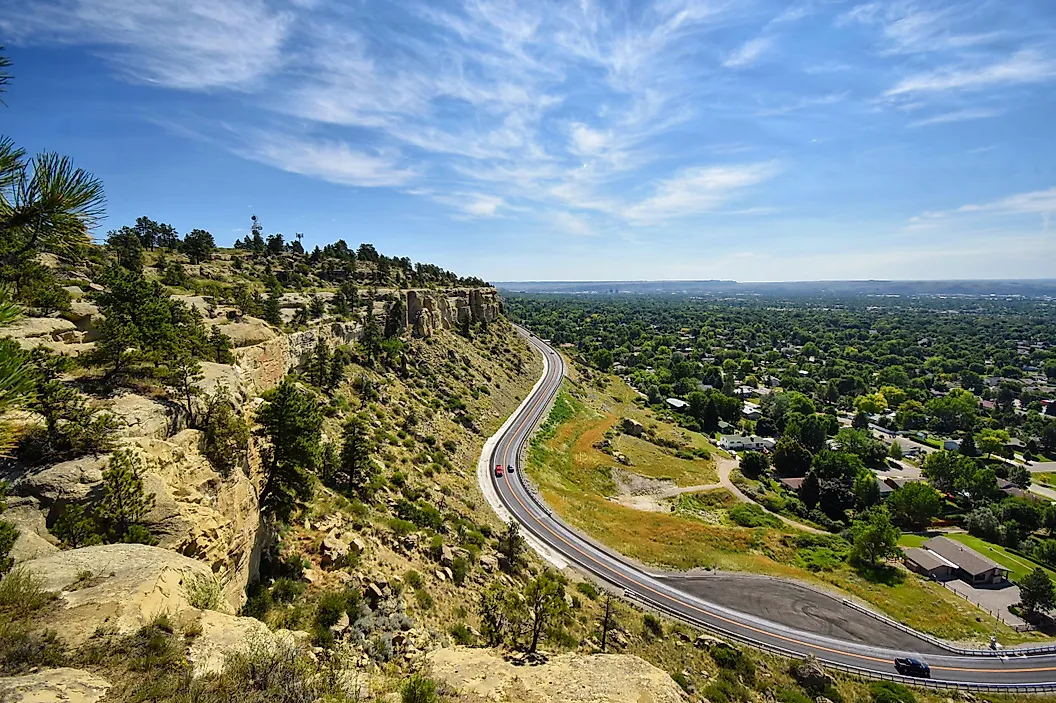
Billings sits along the Yellowstone River below The Rims, the line of sandstone cliffs that runs along the city's northern edge. The Rimrocks Trail covers about three miles along the cliff line with views across the Yellowstone Valley. Pictograph Cave State Park, six miles south of downtown, preserves three sandstone caves with rock paintings dating back roughly 2,000 years and is a National Historic Landmark. The Western Heritage Center on Montana Avenue runs exhibits on Crow, Cheyenne, and Plains Indian history alongside the cattle and rail history of the Yellowstone region. The city is also the closest large airport to the northeastern entrance of Yellowstone National Park.
Pittsburgh, Pennsylvania

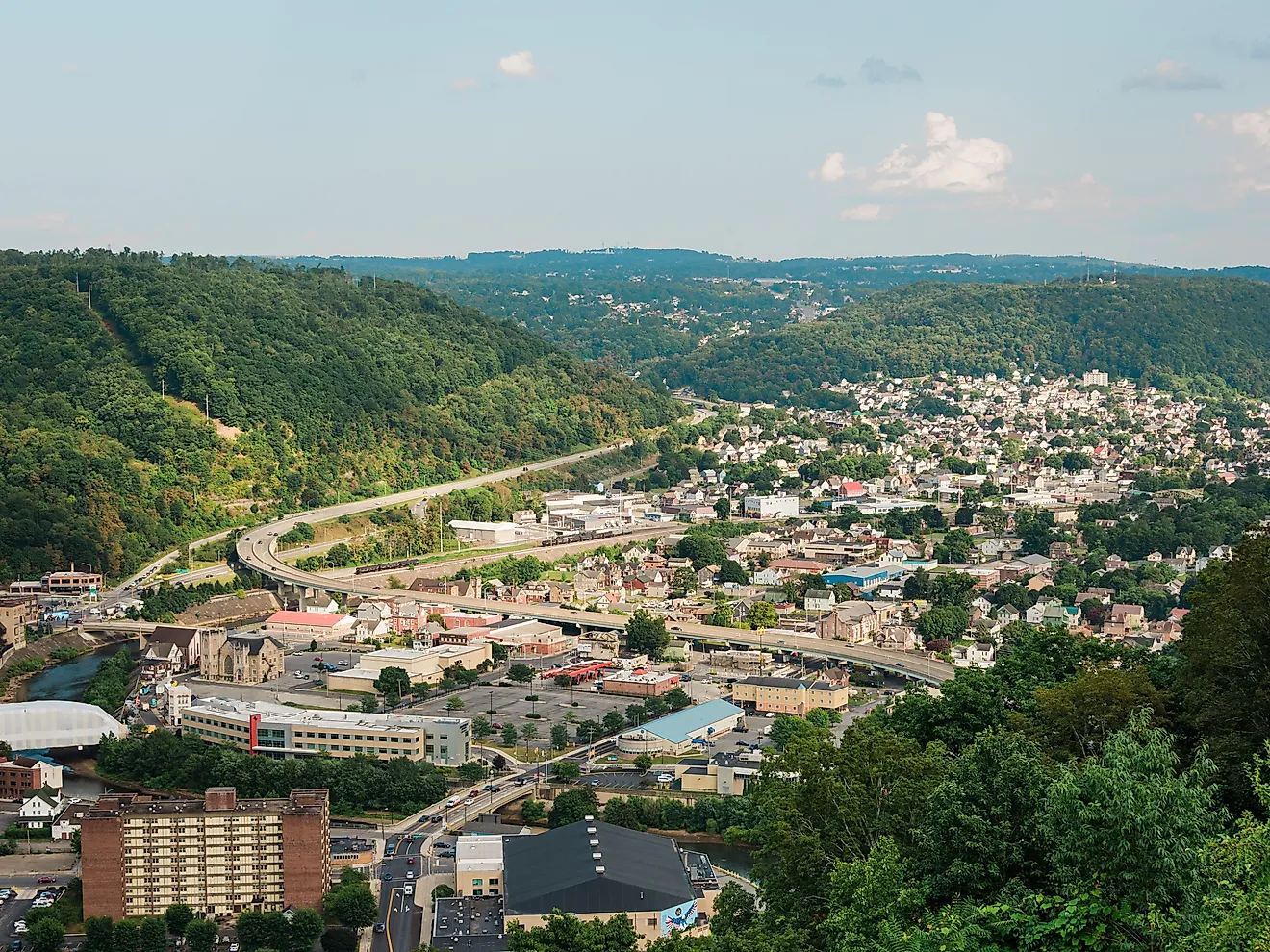
Pittsburgh sits at the confluence of the Allegheny, Monongahela, and Ohio Rivers, with the three meeting at a single 150-foot fountain in Point State Park. The city's bridges, most painted Aztec gold to match the city's official colors, are its signature visual feature; the city has carried the "City of Bridges" nickname since the 19th century. The Duquesne and Monongahela Inclines, two of the country's last working funicular railways (in operation since 1877 and 1870 respectively), climb Mount Washington from the riverbank for the city's standard postcard view. The Strip District, the 19th-century produce-and-food wholesaling area along the Allegheny, has shifted in recent decades into a working dining and specialty-food destination while keeping the industrial-warehouse atmosphere intact. Phipps Conservatory in Schenley Park has been operating since 1893.
Syracuse, New York

Syracuse was a 19th-century salt-production hub on the Erie Canal, and the Erie Canal Museum on Erie Boulevard occupies the original 1850 Weighlock Building, the only surviving canal weighlock structure in the country. Onondaga Lake at the city's northwest edge was the source of the brine that drove that economy. Syracuse University's JMA Wireless Dome (formerly the Carrier Dome) is the only domed stadium in the Northeast and remains one of few facilities to host major college football and basketball under the same roof. The Erie Canalway Trail, a developing 360-mile route across the state, runs a paved segment along the city's eastern edge.
Rochester, New York

Rochester is split by the Genesee River, which produces three major waterfalls inside city limits: Lower Falls, Middle Falls, and High Falls (96 feet, just a few blocks from the central business district). The George Eastman Museum, in Kodak founder George Eastman's 50-room Colonial Revival mansion, is the world's oldest museum dedicated to photography and holds one of the largest collections of cinema and photographic technology anywhere. The Susan B. Anthony Museum and House, the suffragist's home for the last 40 years of her life, runs guided tours through rooms that include the parlor where she was arrested in 1872 for voting in a federal election. The Strong National Museum of Play, downtown, runs the National Toy Hall of Fame.
Jersey City, New Jersey

Jersey City is the second-largest city in New Jersey and sits directly across the Hudson from lower Manhattan, with one of the closer skyline views in the country. Liberty State Park, on the city's southeast peninsula, runs ferries to the Statue of Liberty and Ellis Island and gives the closest views of both. The Hudson Waterfront Walkway, when fully completed, will run 18.5 miles along the river from Bayonne to the George Washington Bridge; large sections through Jersey City are already open and connect to PATH stations along the way. The Colgate Clock at Exchange Place, a 50-foot-diameter clock face on the river, has been a Hudson landmark since 1924.
Ann Arbor, Michigan

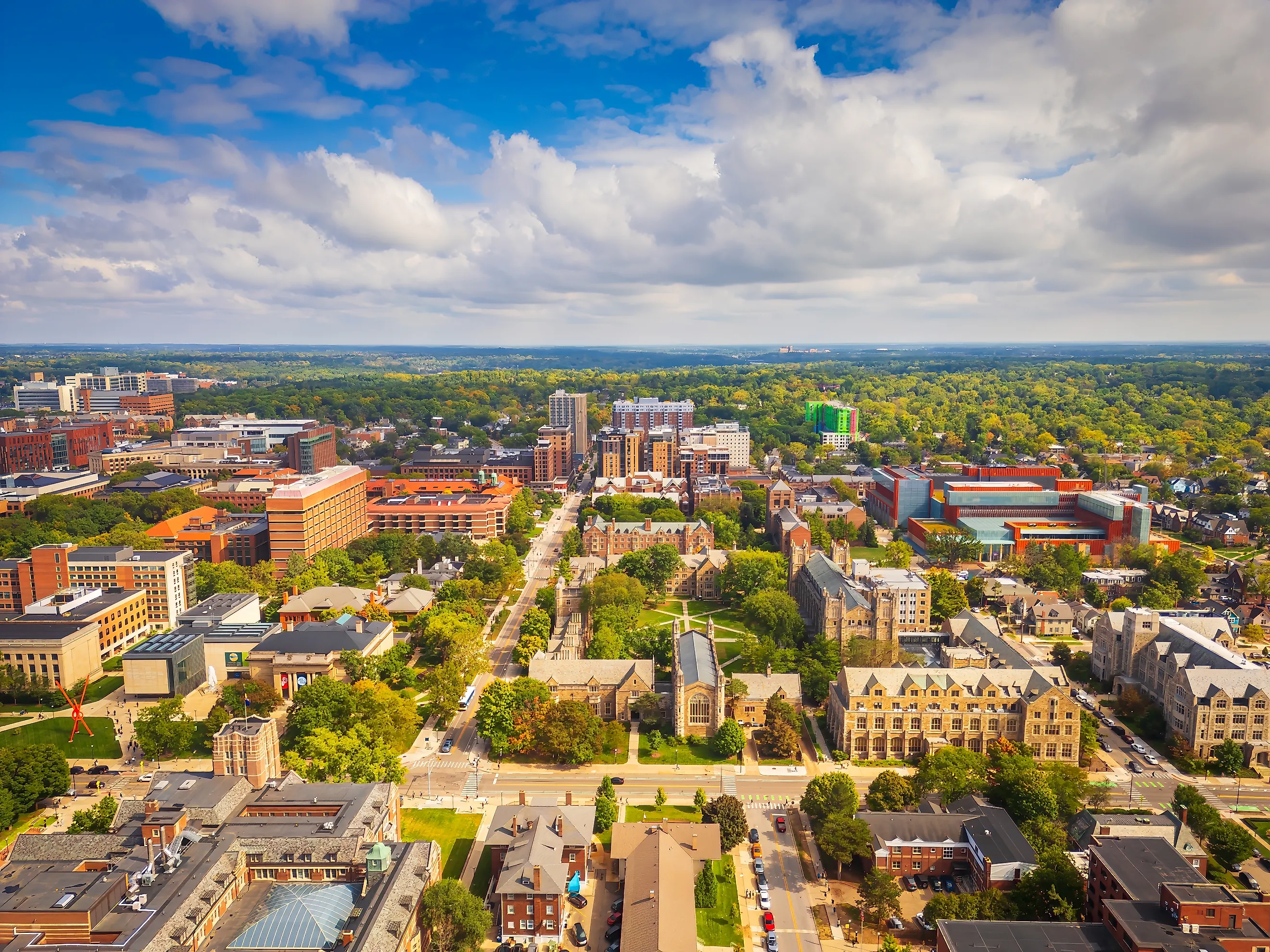
Ann Arbor's identity is inseparable from the University of Michigan, which has been here since 1837 and shapes the downtown's restaurants, bookstores, and seasonal calendar. Michigan Stadium (the Big House) is the largest stadium in the western hemisphere with an official capacity of 107,601 and routine attendance over 110,000 for home football games. The Diag, the central diagonal walkway across U-M's central campus, is the working heart of student life. Nichols Arboretum, run by the university and connected to campus by walking trails, covers 123 acres along the Huron River and contains one of the largest peony garden collections in the country, blooming each year from late May into June.
The northern US holds enough urban variety to make any short list arbitrary. The thirteen above are tied together less by region than by the way each has built its identity around something specific and walkable: Pittsburgh's bridges, Madison's market on the capitol square, Philadelphia's mural program, Burlington's pedestrian street. Most are within a comfortable train ride or short flight of one another, which makes pairing two for a weekend the practical move.