6 Little-Known Towns In Missouri
Missouri has the oldest continuously operating restaurant west of the Mississippi, and it isn’t in St. Louis or Kansas City. The J. Huston Tavern in Arrow Rock has been serving meals since 1834. Hermann’s downtown holds more than 340 nineteenth-century buildings from German immigrant founders. Carthage hosted two Civil War battles and still has the courthouse where the second one took place. Weston has 16 blocks on the National Register of Historic Places. These six little-known Missouri towns have stories the highways tend to skip.
Hermann

Established in 1837, Hermann sits in the heart of Missouri’s wine country along the Missouri River in Gasconade County. The town is known for its German heritage, a legacy that dates back to its founding by German immigrants. That history can best be explored with a wander through the Hermann Historic District, a collection of more than 340 19th-century buildings that serve as architectural eye candy for history buffs. One of the most notable attractions here is the Deutschheim State Historic Site, which preserves two 19th-century houses that now serve as museums exploring the lives of the early German settlers through artifacts, exhibits, and guided tours.
Another popular attraction is the Hermann Wine Trail, which consists of several wineries spread throughout the region. The wineries in the area date back to the 1800s, with the Stone Hill Winery being one of the oldest and largest producers of wine in the state. Established in 1847, Stone Hill offers wine tastings, cellar tours, and a relaxing day in the scenic vineyards.
Washington

Washington, MO, was established in 1839 on the Missouri River in Franklin County. Often overlooked, it is a historic stop with well-maintained 19th-century buildings along Main Street. A recommended starting point is the Washington Historical Society Museum, located in the town’s original depot. The museum showcases artifacts from the town’s early days, including exhibits on once-significant local industries like boatbuilding and milling.
Washington is also home to Fort Charrette Historic Village, a reconstructed 19th-century French village that provides a hands-on look at early Missouri life with period buildings and reenactments. The town also sits at the intersection of the scenic Missouri River and the Washington Riverfront Trail, which offers views of the water suited to a walk or bike ride.
Carthage

Settled in southwestern Missouri and established in 1842, Carthage has a long history especially from the Civil War era. A must-visit is the Battle of Carthage Civil War Museum, located in the historic Carthage Courthouse. The museum offers a thorough glimpse into the town’s wartime history with displays of original artifacts, period clothing, and battlefield maps. Nearby, the Courthouse Square Historic District is filled with 19th-century buildings, creating a strong setting for a memorable photo or two.
Another major attraction is Phelps House, a Victorian-era mansion that dates back to 1895. The home offers guided tours that provide a glimpse into the lives of the wealthy residents of Carthage during the late 19th century. The Carthage Municipal Park is also worthy of a visit and features walking trails, picnic areas, and a large pond for fishing.
Weston

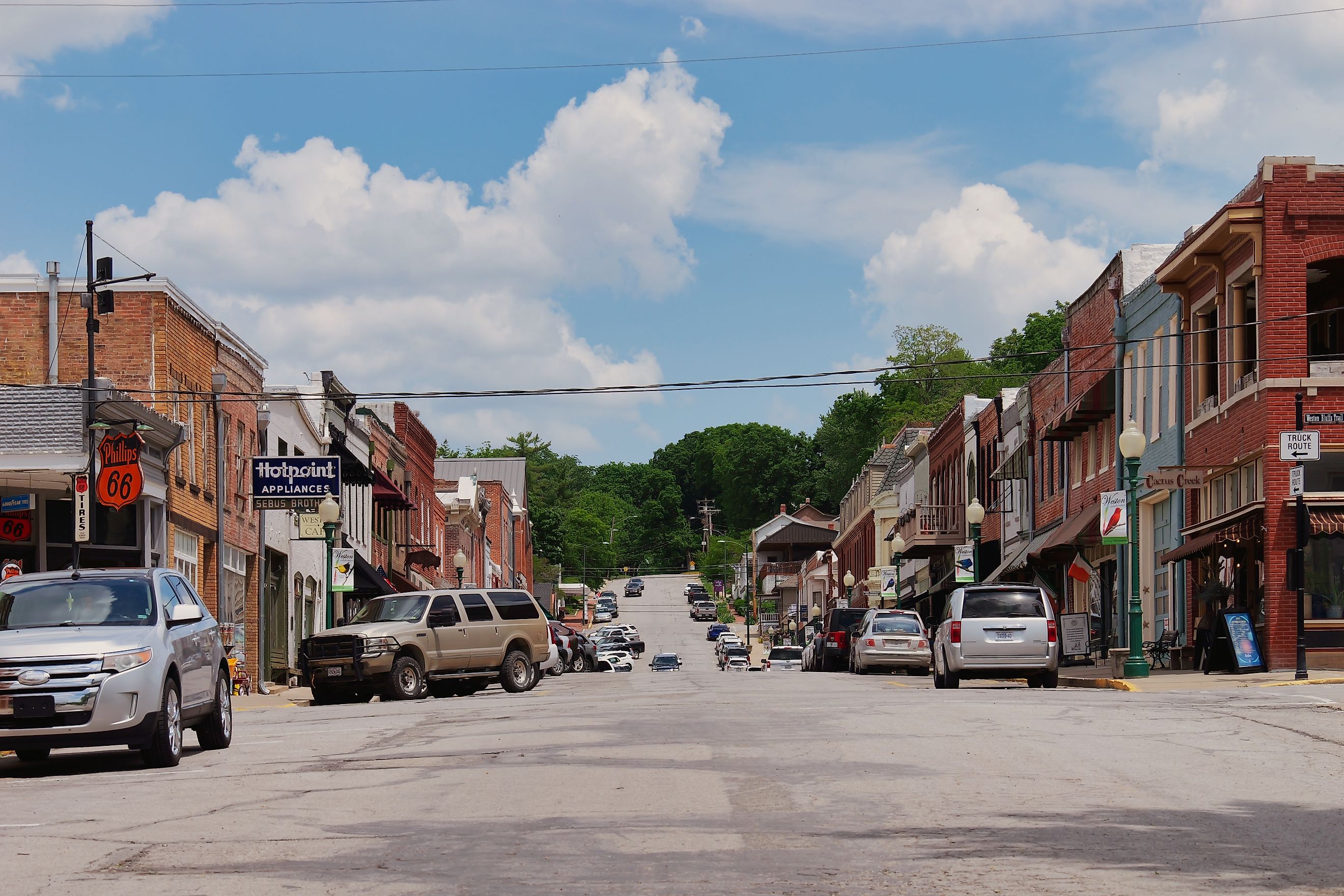
Established in 1837, Weston is a small town in Platte County located along the Missouri River. Thanks largely to its well-preserved Victorian architecture, a total of 16 blocks of the Weston Historic District are on the National Register of Historic Places, along with other business and residential areas. It is a delight to explore on foot. Highlights include the Old Presbyterian Church built in 1846, the St. George Hotel from 1845, and several Federal-style cottage homes dating from the mid-19th century.
Other highlights include Weston Bend State Park, which offers views of the Missouri River and surrounding bluffs along with hiking trails that lead to scenic overlooks, wildlife viewing areas, and picnic spots. Weston is also home to the Weston Brewing Company, a local brewery located in a historic limestone mill from the 1840s, with tours and tastings available. Additionally, Weston Red Barn Farm is worth a visit, hosting seasonal events and festivals as well as hayrides, pumpkin patches, and a petting zoo.
Moberly

A small town in Randolph County in central Missouri, Moberly was established in 1866 and is rich in railroad history, with several historical buildings still standing from the advent of the railway in the late 19th century. The best example is the Moberly Depot, built in 1913 and now a museum with exhibits related to the history of the railroad and its impact on the town’s development. The depot is located near the town’s historic district, which features buildings from the early 1900s that sprung up as a result of the wealth the railroad brought to town.
Other highlights include Moberly City Park, which boasts a large lake, walking trails, and sports fields. When’s the best time to visit? If you’re a train enthusiast, plan your visit around June’s Moberly Railroad Days, a four-day street festival that celebrates the town’s railway history. It takes place in Depot Park and features a carnival, live music, and various craft and food vendors. For wildlife lovers, the nearby Grand Prairie Conservation Area provides excellent birdwatching and hiking opportunities.
Arrow Rock

Arrow Rock can trace its roots back to 1829 and once served as a vital hub during the United States westward expansion. Situated along the Missouri River, it was a key stop on the Santa Fe Trail, providing supplies and ferry crossings for pioneers. The town’s early prosperity and its role as a cultural and trading center are reflected in its well-preserved historic architecture. Arrow Rock is also celebrated for its connection to artist George Caleb Bingham. Known as the “Missouri Artist,” he resided here during the mid-19th century and captured the life and landscapes of the region in his works.
Visitors also flock to Arrow Rock’s National Historic Landmark District, home to notable structures like the J. Huston Tavern, built in 1834, which is the oldest continuously operating restaurant west of the Mississippi. The Lyceum Theatre, established in 1961 within a historic church, hosts year-round theatrical productions, dinner theater, and cultural events. Every September, the Arrow Rock Heritage Festival celebrates the town’s history with artisan demonstrations, live music, and period reenactments.
The Final Word
While Missouri’s major cities all too often dominate the state’s tourism scene, there are plenty of smaller communities spread across the state that are equally as compelling. From Hermann’s German roots to Carthage’s Civil War landmarks, each town on this list has its own unique appeal. Whether you’re drawn to outdoor activities, local history, or simply enjoy a small-town setting, these destinations provide an opportunity to connect with Missouri’s past and present in a more intimate way. So next time you’re considering a visit to the Midwest, be sure to include these six little-known towns in Missouri in your travel plans.