13 Best Places to Live in New England in 2026
Boston gives you world-class hospitals and a subway you can actually live on, but the typical home runs $780,000. Drive a few hours north and Bangor offers a real downtown, an airport, and a $257,000 median price tag. In between sit college towns like Burlington and Providence, lakefront and seacoast spots like Portsmouth, and quiet picks like Brattleboro that pack a hospital, an art center, and Amtrak service into one small town. We have included the typical home value for every town, so you can weigh the scenery against the price before you pack a single box.
Portland, Maine

Portland packs a lot into a small coastal footprint. MaineHealth Maine Medical Center’s Portland campus, formerly known as Maine Medical Center, is the area’s largest hospital. It runs a teaching program, a Level 1 trauma center, and a children’s hospital. The city has Greater Portland Metro buses and Amtrak Downeaster rail through the Portland Transportation Center. Casco Bay Lines adds ferry access, and Portland International Jetport covers regional and national flights. The Old Port is the easiest place to spend an afternoon. The Portland Museum of Art sits a few blocks off, and the Eastern Promenade opens onto Casco Bay views and waterfront trails. Housing is tight and, by Maine standards, expensive. The typical Portland home is worth about $576,000. What residents get for it is a walkable city with year-round medical employment and a serious food scene.
Burlington, Vermont

Burlington runs on its university economy, backed by strong healthcare and lakefront recreation. The University of Vermont and the University of Vermont Medical Center sit close to downtown. Together they form one of the strongest employment and education centers in the state. UVM Medical Center is also the region’s tertiary care center, serving Vermont and northern New York, which makes the city a hub for specialized medical care. Green Mountain Transit gives residents local bus options. The city’s waterfront and bike paths make outdoor recreation part of the everyday routine. The Church Street Marketplace handles most of the shopping and dining. The Burlington Greenway is built for walking and biking, and Waterfront Park sits right on Lake Champlain. The catch is housing: anything near downtown or the lake is limited and costly. The typical Burlington home is worth about $506,000. The trade-off is a tight footprint that keeps work, school, and daily errands within a short trip. That spares residents the long drives of rural Vermont.
Boston, Massachusetts

No other New England city comes close to Boston for sheer depth of jobs, hospitals, and cultural institutions. The Longwood Medical and Academic Area alone includes Boston Children’s Hospital and Brigham and Women’s Hospital. It also takes in Beth Israel Deaconess Medical Center, Dana-Farber Cancer Institute, and Harvard Medical School. Beyond that cluster, the city draws on universities and a large life-sciences sector. The MBTA gives residents subway, bus, and rail service. Ferries and paratransit fill in the rest. Logan International Airport connects the city to more than 100 domestic and international destinations. The 2.5-mile Freedom Trail and the Museum of Fine Arts top most visitors’ lists. Green space comes from Boston Common, the Public Garden, and the rest of the Emerald Necklace. None of this is cheap, and the competition for housing is fierce. The typical Boston home is worth about $780,000.
Portsmouth, New Hampshire

Portsmouth gives residents a walkable coastal downtown with easy reach to larger job markets in Boston and southern Maine. The downtown itself supports restaurants, shops, and waterfront activity. A few minutes away, the Pease Tradeport area adds office space and medical and aviation services. Wentworth-Douglass Hospital operates a Portsmouth Outpatient Center at Pease for specialty and outpatient care. Full hospital services are nearby in Dover. C&J Bus Lines connects Portsmouth with Boston, Logan Airport, and New York City. Amtrak Downeaster service runs from nearby Dover, Durham, and Exeter. All three are a short hop from town. Strawbery Banke Museum and Prescott Park ground the local outings. Market Square pulls everything together with dining, shopping, and historic streetscapes. Coastal demand keeps prices high, which is the main thing to budget for here. The typical Portsmouth home is worth about $678,000.
Providence, Rhode Island

Universities, hospitals, and arts institutions all sit close together in Providence. Brown University and the Rhode Island School of Design give the city a major academic and cultural presence. The neighborhoods around them include downtown, College Hill, and Federal Hill. Providence Station is served by Amtrak and MBTA commuter rail. That makes Boston accessible without a car and gives residents a stronger regional commute option than most mid-sized New England cities. The city also benefits from proximity to Rhode Island T.F. Green International Airport, which is easier to use than many larger metro airports. The RISD Museum and the WaterFire events along the downtown rivers draw the biggest crowds. Roger Williams Park rounds things out with trails, gardens, and family attractions. Housing generally undercuts Boston, though the central neighborhoods have grown more competitive in recent years. The typical Providence home is worth about $429,000.
Manchester, New Hampshire

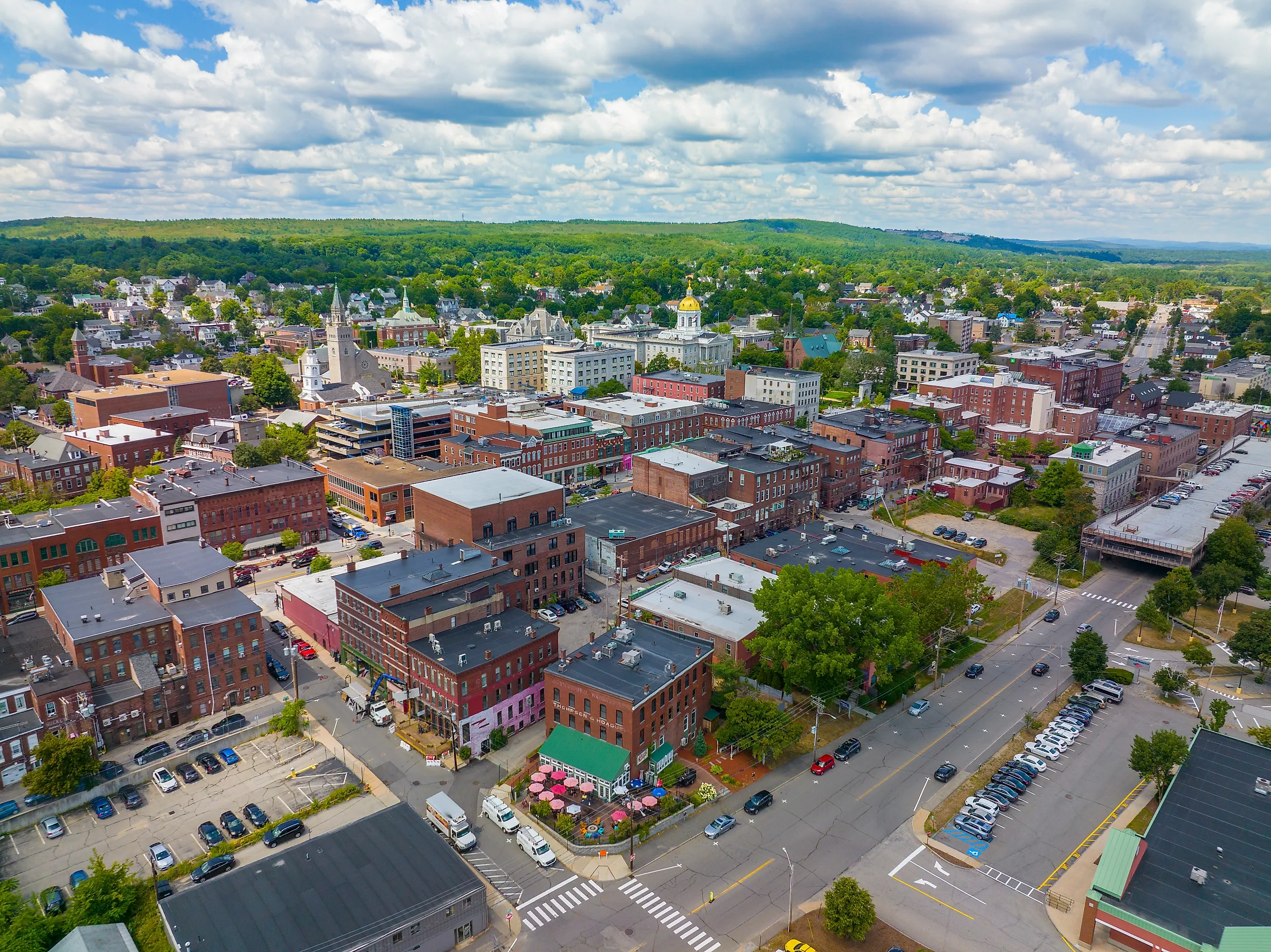
As New Hampshire’s largest city, Manchester doubles as one of the state’s most important employment hubs. Elliot Hospital is the city’s major medical provider. The local economy also benefits from logistics, advanced manufacturing, and airport-related employment. Manchester-Boston Regional Airport gives residents nearby air service. The Manchester Transit Authority operates local bus routes, a free downtown Green DASH shuttle, and express connections to Concord and Nashua. The University of New Hampshire at Manchester adds career-focused higher education in the city’s business hub. SNHU Arena brings concerts, sports, and events downtown. The Currier Museum of Art and the Palace Theatre cover the arts, and the SEE Science Center in the Millyard is an easy stop for families. Against the Boston-area suburbs, Manchester’s housing tends to be more attainable. The typical home is worth about $442,000. Prices have still climbed with the steady flow of workers heading north for space and lower costs. Outdoor access is also practical, with Derryfield Park and quick highway routes to the lakes and mountains.
New Haven, Connecticut

Yale University and Yale New Haven Hospital give New Haven one of the region’s most concentrated education and healthcare ecosystems. Yale New Haven Hospital’s York Street campus includes Smilow Cancer Hospital plus children’s and psychiatric hospitals, giving the city deep specialized-care access. New Haven Union Station is especially useful for residents because it serves Amtrak, Metro-North, and the Hartford Line. From there the city connects to New York and Hartford and the rest of the Northeast Corridor. The Yale University Art Gallery and the Yale Peabody Museum are the obvious indoor draws. East Rock Park rewards a hike or a drive with views over the city and harbor. Prices swing sharply from one neighborhood to the next, so it pays to research locally before committing. On the whole the city stays more affordable than many nearby coastal markets. The typical New Haven home is worth about $324,000. Day to day, residents have museums and restaurants plus West Rock Ridge State Park within easy reach.
Hartford, Connecticut

For residents who want an urban market at a lower price, Hartford combines government and healthcare jobs with solid regional transportation. As Connecticut’s capital, the city has a large public-sector employment base. Its long history in insurance and financial services still shapes the local economy. Hartford Hospital is a major medical employer and care provider, and UConn Hartford adds a downtown higher-education presence. The Hartford Line connects the city by rail to New Haven and Springfield. For local trips, CTtransit and CTfastrak support bus travel across the region. Bradley International Airport sits north of the city in Windsor Locks. It gives residents a major airport much closer than Boston or New York. The Mark Twain House & Museum and the Wadsworth Atheneum cover the cultural side, and Bushnell Park sits right beside the State Capitol. By regional standards Hartford’s housing costs are low. The typical home is worth about $173,000, though conditions vary a good deal from one neighborhood to the next. Riverfront Recapture’s parks and riverwalks add value beyond the job market.
Worcester, Massachusetts

Central Massachusetts gives Worcester a rare combination. It has hospitals and universities and commuter rail, with housing that still costs less than Boston’s. UMass Memorial Medical Center and UMass Chan Medical School make healthcare and medical research central to the local economy. Worcester Polytechnic Institute, Clark University, and the College of the Holy Cross all add workforce depth. Worcester’s Union Station functions as an intermodal hub with MBTA commuter rail to Boston, Amtrak service, and bus connections. WRTA bus service also links neighborhoods to major campuses, medical centers, and downtown destinations. The Worcester Art Museum and the EcoTarium’s science exhibits make for easy day trips. A Worcester Red Sox game at Polar Park is the local draw in the Canal District. The city has also gained more lifestyle appeal through restaurants, cultural venues, and nearby parks. Housing here is no longer cheap. The typical Worcester home is worth about $436,000. For many buyers and renters it still remains one of the region’s stronger trade-offs: Boston access without Boston prices.
Brattleboro, Vermont

Brattleboro manages to fit healthcare, arts, and outdoor access into one small town. Brattleboro Memorial Hospital serves communities across the tri-state corner of Vermont, New Hampshire, and Massachusetts. Amtrak stops in Brattleboro, and the MOOver provides fare-free public transit across Windham County and beyond. The Brattleboro Museum & Art Center occupies the town’s historic Union Station. Retreat Farm has its own network of trails, and Harris Hill Ski Jump is a long-running local landmark. The downtown supports galleries, bookstores, and local food businesses. Just past it, the Connecticut River and nearby trails give residents year-round outdoor options. Prices run lower than Burlington or the coastal towns, with the typical home worth about $320,000.
Bangor, Maine

Bangor serves as the practical hub for a large stretch of northern and eastern Maine. It supplies healthcare and shopping along with steady employment. Northern Light Eastern Maine Medical Center serves much of the northern and eastern part of the state, making healthcare one of the city’s most important industries. Bangor International Airport gives residents nearby air access. On the ground, the Community Connector bus system serves Bangor and surrounding towns such as Brewer and Orono. It also runs service to the University of Maine area. The Bangor Waterfront is the main place to walk. The Cole Land Transportation Museum is worth an afternoon, and the city’s well-known Paul Bunyan statue is the obligatory photo stop. Day-to-day errands center on a modest but useful downtown, plus local schools and regional retail. Housing has historically been more accessible than coastal southern Maine. The typical Bangor home is worth about $257,000, though the market has tightened as affordability pressures spread north.
Stamford, Connecticut

A dense corporate job market and one of the best rail links in Connecticut put Stamford in a category of its own. The Stamford Transportation Center, officially the Stewart B. McKinney Transportation Center, sits downtown. It is the second-busiest station in the Metro-North system after Grand Central Terminal. That gives residents frequent access to New York City and the broader New Haven Line corridor. Stamford Hospital provides major local healthcare. UConn Stamford adds to the downtown mix, placing a public university campus in the business district. Finance, media, and technology offices remain important parts of the local economy. Much of that strength comes from the city’s proximity to Manhattan. Mill River Park is the easiest green space downtown, and the Stamford Museum & Nature Center is a longer outing. The South End waterfront and nearby city beaches cover the rest. Housing is expensive by Connecticut standards, with the typical home worth about $594,000. It often comes in below comparable New York City suburbs, which is much of the draw. Residents also gain restaurants, parks, and a commute that works for both local and New York-based jobs.
Concord, New Hampshire

As New Hampshire’s capital, Concord functions as a smaller administrative and healthcare center without the scale or congestion of a larger metro. State government, the courts, and local professional services drive employment. Concord Hospital provides major local medical access. For getting around, Concord Area Transit offers fixed-route and demand-response public transportation. The New Hampshire State House area and the McAuliffe-Shepard Discovery Center are the headline stops. Concord’s local trail network adds riverwalks, farm trails, and conservation areas close to town. Downtown Concord sits near the State House and holds shops and restaurants and performance venues. Prices stay moderate next to the Boston-adjacent markets, with the typical home worth about $450,000. Demand keeps climbing across the southern part of the state. For outdoor access, residents have the Merrimack River and White Park close by, with the White Mountains a short drive away. That makes Concord a practical base for people who want government-town stability with four-season recreation nearby.
Why These Are the Best Places to Live in New England in 2026
Across New England in 2026, the best places to live are the ones where daily needs line up. Healthcare is close, and schools and colleges support the local economy. Transportation reduces isolation, and parks and museums make everyday life more livable. Larger cities such as Boston, Providence, and Stamford offer the deepest job markets and strongest transit connections. They also come with higher housing costs. Mid-sized hubs such as Worcester, Manchester, and Hartford provide more balance between affordability and services. Smaller places such as Brattleboro and Concord appeal to residents who value scale, community, and the outdoors.