10 Secluded Towns in Texas
Texas is home to numerous small, secluded towns worth a visit, offering a glimpse into the quieter side of the state. Retreat to the fishing town of Port Aransas, located on Mustang Island, or head to Marfa for stargazing and the Marfa Lights. Whether you tour the Hill Country or take a road trip along the Gulf Coast, these remote destinations offer travelers the chance to experience a slower pace of life while enjoying the natural beauty and culture that define Texas.
Marfa

Marfa is a small town in West Texas, originally founded in the 1880s as a railroad water stop. Its remote location made it an ideal site for military operations during World War II when the Marfa Army Airfield was established. The town gained wider recognition in the 1970s when minimalist artist Donald Judd relocated there, transforming it into a contemporary art hub.
When visiting Marfa, you can start by exploring the Chinati Foundation, an art museum founded by Donald Judd that features large-scale installations. Another notable activity is visiting the mysterious Marfa Lights viewing area, where unexplained lights appear in the distance. Finally, take time to visit Marfa’s downtown area, where you can find a mix of art galleries and shops, such as Raba Marfa, that reflect the town’s cultural evolution.
Wimberley

Wimberley, located in the heart of the Texas Hill Country, has a rich history as a trading post along the Blanco River. Established in the 1850s, the town evolved into a ranching and milling community. Over the years, Wimberley has become a gathering place for artists and musicians, attracted by its natural beauty and charming small-town atmosphere.
Visitors to Wimberley can start their exploration at Jacob’s Well, a natural spring that has served as a vital water source for centuries and is now a popular spot for swimming and hiking. Another outdoor attraction is Blue Hole Regional Park, where guests can enjoy hiking trails and swim in the natural spring-fed pool. Finally, don’t miss the town square, which hosts weekend markets and offers a vibrant local atmosphere.
Jefferson

Jefferson, located near the Louisiana border, was founded in the early 1800s and grew rapidly due to its location along the Big Cypress Bayou, making it an important riverport town. During the mid-19th century, Jefferson was a bustling trade center, second only to Galveston in importance. Its history is closely tied to the steamboat industry, which transported goods and people throughout the region.
When visiting Jefferson, take a steamboat tour on Caddo Lake, which offers a glimpse into the town’s past as a vital transportation hub. Another key activity is visiting the Jefferson Historical Museum, which houses artifacts and exhibits related to the town’s history. For a more immersive experience, consider a walking tour of the town’s historic district, where many 19th-century homes and buildings have been restored and preserved.
Luckenbach

Luckenbach was established as a trading post in the 1840s and eventually developed into a small rural community in the Texas Hill Country. It gained fame in the 1970s, thanks to a country music song by Waylon Jennings and Willie Nelson, which helped put this tiny town on the map. Despite its small size and remote location, Luckenbach has become synonymous with Texas's country music culture, attracting musicians and visitors from all over.
When visiting Luckenbach, the first thing you should do is attend one of the live music events held regularly at the iconic Luckenbach Dance Hall. Another activity is exploring the town’s general store, which has been in operation since the 1800s and serves as a gathering place for both locals and tourists alike. Finally, take some time to stroll around the small town and admire its historic structures, including the original post office, which still stands as a symbol of Luckenbach’s roots.
Gruene
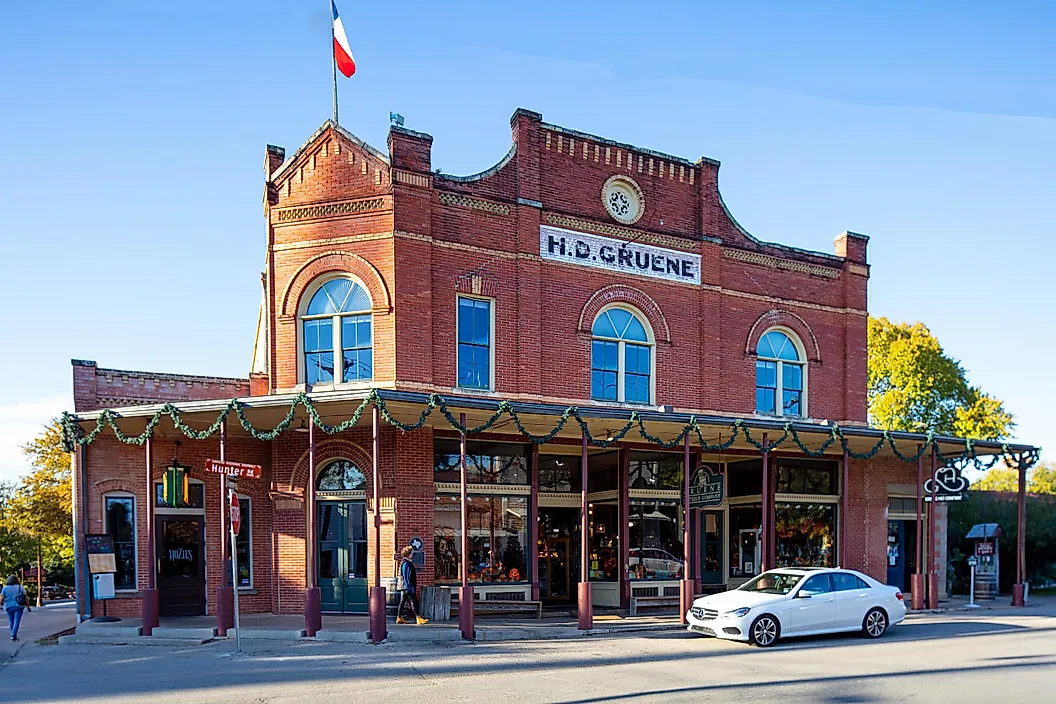
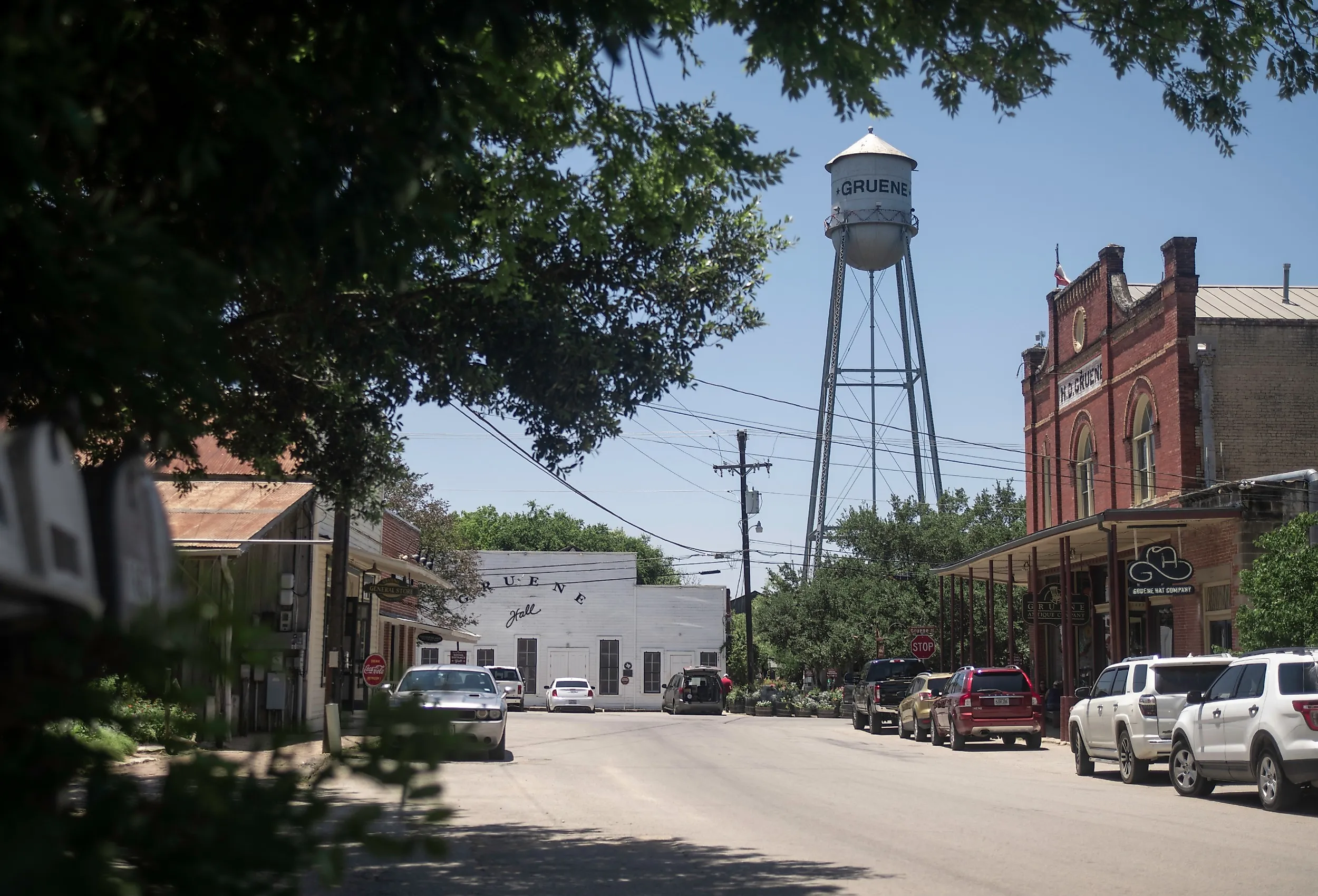
Gruene, a small community located along the Guadalupe River, was founded in the mid-19th century by German immigrants who established cotton farming in the area. The town’s name comes from its founder, Ernst Gruene, whose family built many of the structures that still stand today. In the late 1800s, Gruene became a thriving cotton town with a bustling economy, but the decline of cotton farming led to its near abandonment. In the 1970s, efforts to restore the town’s historic buildings led to a resurgence in tourism.
Visitors to Gruene can start by visiting Gruene Hall, the oldest continually operating dance hall in Texas, where live music performances are held regularly. Another notable stop is the Gristmill River Restaurant & Bar, which is housed in a former cotton gin and offers views of the Guadalupe River. Lastly, explore Gruene’s antique shops and boutiques, such as Gruene General Store and H.D. Gruene Mercantile, which are located in restored historic buildings.
Dripping Springs

Dripping Springs, often referred to as the "Gateway to the Hill Country," was established in the mid-1800s by early settlers attracted to the area's fertile land and abundant water sources. The town's name is derived from the springs that flow from the limestone ledges surrounding the region. Dripping Springs quickly became a hub for ranching and farming, and its proximity to Austin contributed to its steady growth. Today, the community retains its rural charm while gaining recognition for its wineries.
Visitors to Dripping Springs can start their experience by exploring Hamilton Pool Preserve, a natural swimming hole formed by a collapsed grotto, which offers hiking trails and opportunities for nature observation. Another popular activity is visiting local distilleries or wineries, such as the Deep Eddy Vodka Tasting Room or Dripping Springs Distilling, both of which provide tours and tastings. Additionally, Dripping Springs is home to several parks and trails, including Dripping Springs Ranch Park, which features hiking, horseback riding, and picnic areas.
Alpine
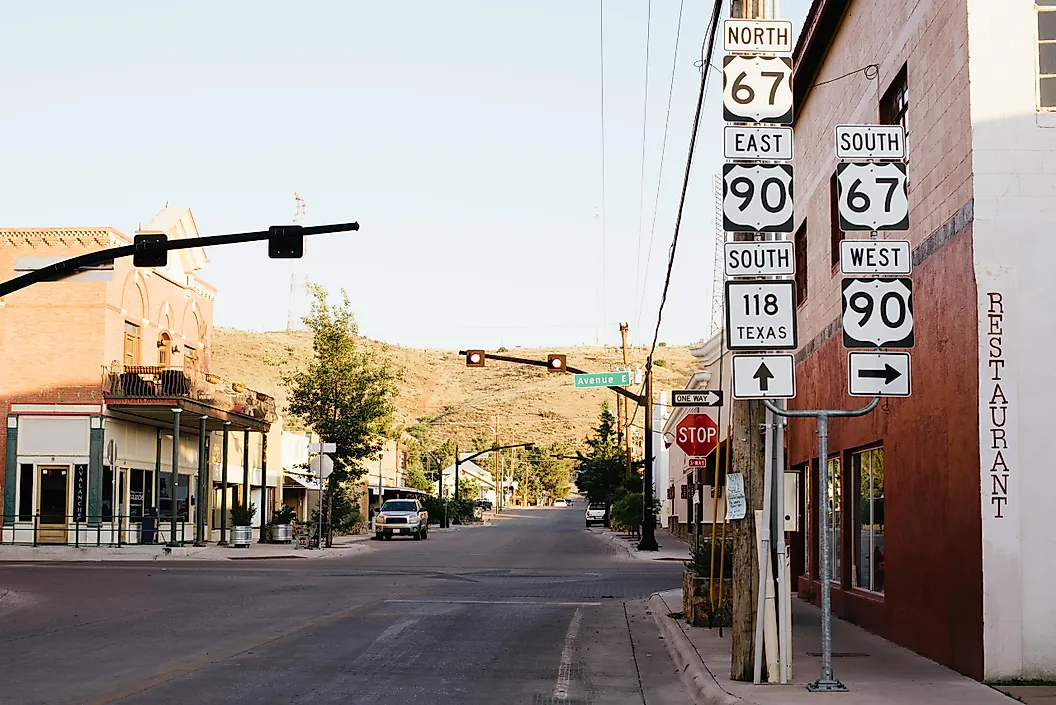
Alpine, located in the Big Bend region of West Texas, was founded in the 1880s as a railroad town, providing services to the Southern Pacific Railroad. Its remote location made it an important supply center for ranchers and miners in the surrounding area. Alpine grew steadily through the early 20th century, and today it serves as the gateway to Big Bend National Park. Despite its small size, Alpine is a cultural and educational center, home to Sul Ross State University and a thriving arts community.
When visiting Alpine, one of the top activities is exploring the Museum of the Big Bend, located on the campus of Sul Ross State University, which offers exhibits on the region’s history, geography, and culture. Another popular stop is the Alpine Murals, a series of public artworks that depict scenes from the area’s history and natural landscape. Finally, Alpine is a base for outdoor enthusiasts, with hiking and stargazing opportunities at nearby Davis Mountains State Park.
Round Top

Round Top, located between Austin and Houston, was founded in the 1830s and has retained its small-town charm despite its popularity as an antique destination. The town was named after the rounded top of a former stagecoach house that once stood in the area. Originally a farming community, Round Top is now best known for its biannual Round Top Antiques Fair, which attracts thousands of visitors to the town for several weeks each year.
Another notable attraction is Henkel Square Market, a collection of restored historic buildings that now house shops, galleries, and restaurants. Finally, visitors can explore Festival Hill, a concert hall and music institute set on sprawling grounds that hosts performances and educational programs throughout the year.
Port Aransas

Port Aransas, located on Mustang Island along the Gulf of Mexico, began as a small fishing village in the 1800s. The town’s development was closely linked to the fishing industry, and it grew to become a popular destination for both anglers and tourists. In the early 20th century, Port Aransas gained a reputation as a sport fishing hub, attracting visitors with its abundant marine life. Today, it remains a charming coastal town known for its beautiful beaches, fishing opportunities, and relaxed atmosphere, making it a favored choice for those seeking a Gulf Coast getaway.
When visiting Port Aransas, start by exploring Mustang Island State Park, where you can enjoy miles of beaches, camping, and excellent opportunities for birdwatching and fishing. Another popular activity is deep-sea fishing; several local companies offer charter services for anglers of all skill levels. Lastly, the Port Aransas Nature Preserve features hiking trails and wildlife observation areas, complete with boardwalks that provide access to coastal wetlands and dunes.
Castroville

Castroville, located west of San Antonio, was founded in 1844 by Henri Castro, a French diplomat who brought Alsatian immigrants to Texas. The town is often referred to as “The Little Alsace of Texas” due to the European heritage of its settlers, which is still evident in the town’s architecture and cultural traditions. Castroville thrived as an agricultural community, and its historic buildings have been well-preserved, offering a glimpse into its 19th-century origins.
Visitors to Castroville can start by exploring the Steinbach Haus Visitors Center, a relocated Alsatian house from the 1600s. This location now serves as a museum and visitor center that highlights the town’s heritage. Another significant stop is St. Louis Catholic Church, built in 1870, which showcases the town’s European influence and historical importance. Lastly, be sure to take a self-guided tour of Castroville’s historic district, where you can admire the original Alsatian homes and other well-preserved buildings.
Each of these secluded towns in Texas, while remote, offers unique historical insights and local attractions that showcase Texas's diverse identity. From immersing oneself in the arts to exploring natural springs or visiting historic landmarks, these towns provide travelers with a meaningful and relaxing escape. For those seeking to discover a quieter, more intimate side of Texas, these hidden destinations present the perfect opportunity for exploration and connection to the state’s enduring traditions.