The Gulf Coast Beaches Where Rattlesnakes Are Still Out In December
In one week in September 2018, three eastern diamondback rattlesnakes turned up around Fort Pickens on Pensacola Beach. One was at a condominium near the park gate, one was in the national seashore campground, and one was swimming in the surf of the Gulf of Mexico.
The surf one is the detail people struggle with. Rattlesnakes are competent swimmers, saltwater does not bother them, and the only real limit is distance. On the Gulf Coast they are not visitors to the barrier islands. They live there.
And on the southern half of this coast, December does not stop them.
Why December Changes Nothing Down Here

Rattlesnakes do not hibernate. They brumate, which is a slowdown rather than a shutdown, and it is triggered by temperature rather than by the calendar. Where winter never really arrives, brumation is intermittent at best.
These are ectotherms that prefer a body temperature close to 98 degrees, the same as ours, but can function from around 30 degrees up past 100. That tolerance is why a warm afternoon in December is a perfectly usable day for a snake that has nowhere cold to escape to.
South Florida and the deep south Texas coast hold December average highs in the low to mid 70s. The northern Gulf, around Pensacola and the Mississippi islands, sits closer to the low 60s, which produces a stop-start pattern instead: dormant through a cold snap, out again on the next mild stretch.
Pensacola Beach And Gulf Islands National Seashore

This is the best-documented population on the coast, which is why the 2018 incident matters beyond its novelty. The National Park Service lists the eastern diamondback as native to Gulf Islands National Seashore and confirms it uses coastal dune habitat.

The reason they are here is structural. University of Florida extension staff make the point that the dunes of these barrier islands are physically very similar to the sandhills of the pine forest further north, which is the species' core habitat. Dry, sandy, well-drained ground with low cover is dune and sandhill alike.
Diamondbacks have been recorded repeatedly swimming between Gulf Breeze and Pensacola Beach in both directions, and across the Intracoastal Waterway. Nothing about the water separates these islands from the mainland population.
The Mississippi Barrier Islands

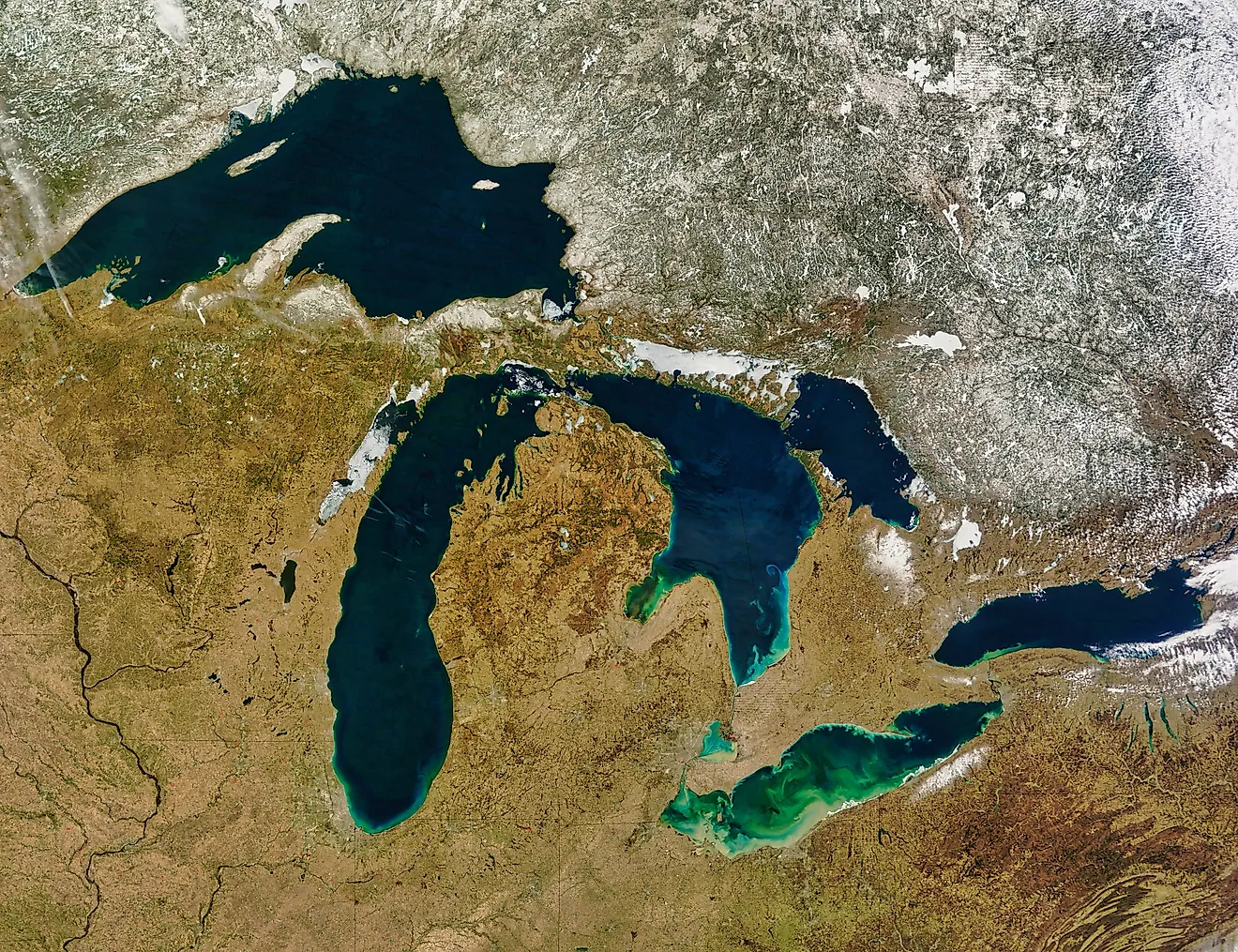
Gulf Islands National Seashore runs about 160 miles across Mississippi and Florida, and on the larger Mississippi islands eastern diamondbacks occupy the dry maritime forest, scrub, and dune systems rather than the wet ground.
That distinction is worth holding onto, because it tells you where not to walk. The snakes are not on the open sand where everyone else is. They are in the vegetated strip behind it: the sea oats, the palmetto, the scrub between the beach and the back bay.
This is also the northern end of the warm-December zone, so activity here is genuinely weather-dependent. A 68-degree afternoon in late December will produce surface-active snakes. A cold front will not.
Florida's Peninsular Islands

The Florida Fish and Wildlife Conservation Commission states the position plainly: eastern diamondbacks are capable of swimming and can be found on most barrier islands around Florida. Not some. Most.

Going south down the peninsula, the December argument gets stronger rather than weaker. Naples and Fort Myers average highs near 77 degrees in December, and the Keys higher still. There is no meaningful dormant season at that latitude, and a diamondback on Sanibel in late December is doing nothing unusual.
One honest correction to a common claim: the dusky pygmy rattlesnake is found statewide in Florida and gets mentioned constantly in coastal contexts, but University of Florida reviews note no confirmed barrier island records for it, despite sightings just across the Intracoastal. On the islands themselves, the eastern diamondback is the rattlesnake.
Big Cypress And The Southwest Coast

Big Cypress National Preserve, behind the Ten Thousand Islands, supports one of the highest concentrations of rattlesnakes anywhere on this side of the country. It is not a beach, but it is the reservoir feeding the beaches of the southwest Florida coast.
At this latitude the seasonal question collapses entirely. Winter is the dry season rather than the cold season, and dry season is when snakes concentrate around whatever water remains, which brings them into contact with people on trails and boardwalks.
December here is arguably a higher-encounter month than August, because the heat has gone and both snakes and visitors are out in the middle of the day instead of hiding from it.
The Texas Coast Switches Species

West along the Gulf the eastern diamondback drops out and the western takes over. The National Park Service documents the western diamondback inhabiting the dunes and grasslands of Padre Island National Seashore, which is seventy miles of undeveloped barrier island.

Texas Parks and Wildlife separately flags the dunes near San Luis Pass, at the south end of Galveston Island, as frequent habitat. Galveston is one of the busiest beach destinations in Texas, which is the entire reason the warning exists.

On December temperatures, the Texas coast splits. Galveston averages highs in the low 60s and gets genuine cold fronts, so activity is sporadic. The lower coast around Brownsville and South Padre sits near 71 degrees, which keeps western diamondbacks functional through most of the month.
What To Actually Watch For

The open beach is not the problem. Almost every encounter on this coast happens in the transition zone: dune crossings, boardwalk edges, campground margins, scrub paths between parking and sand, and the vegetated strip behind the first dune line.
Those are also exactly the places people cut corners, step off boardwalks, and let dogs run. A diamondback relies on camouflage first and will usually sit still as you approach, which means the ones you walk past are the ones you never see.

In winter specifically, basking behaviour shifts the timing. In summer these snakes are crepuscular, out at dawn and dusk to avoid the heat. In December they want the warmest part of the day, which puts them on open sandy ground in the early afternoon, when the beach is busiest.
The Animal Itself

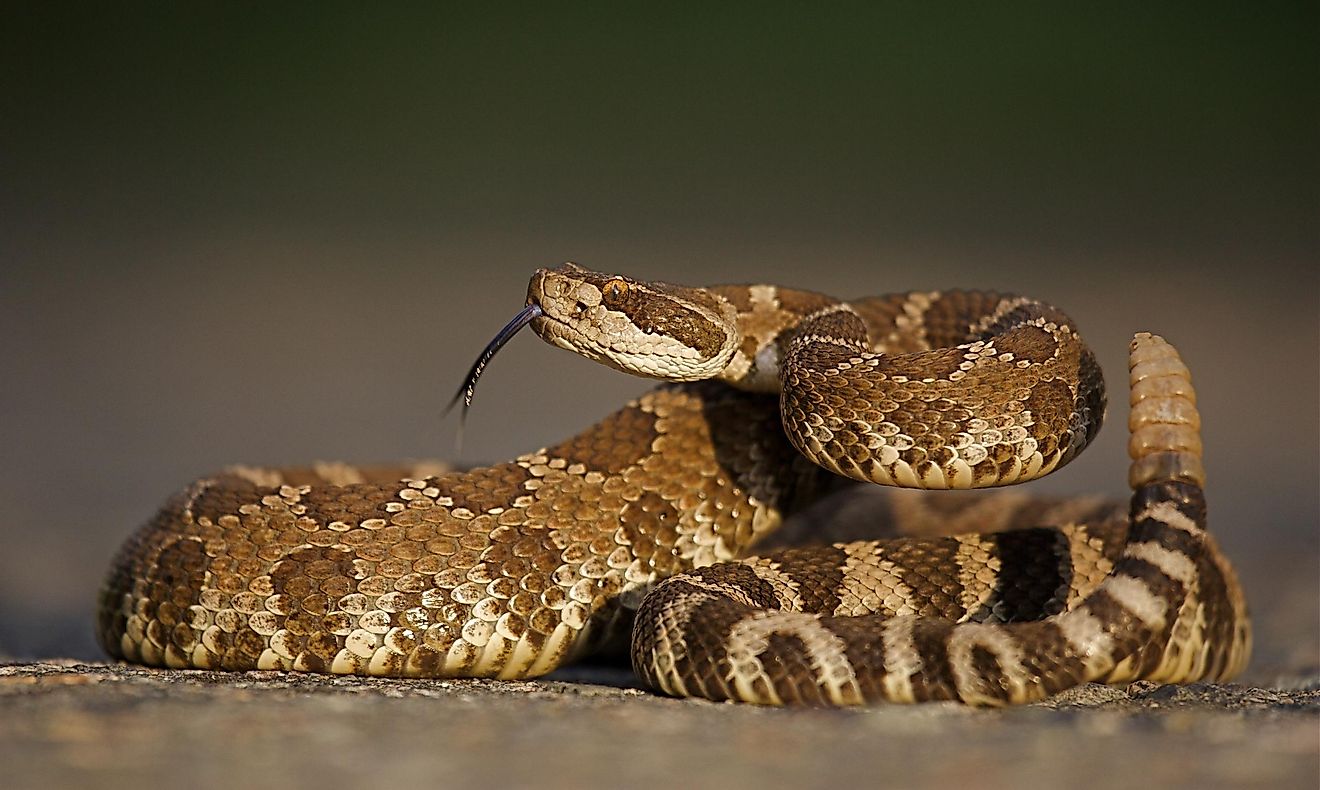
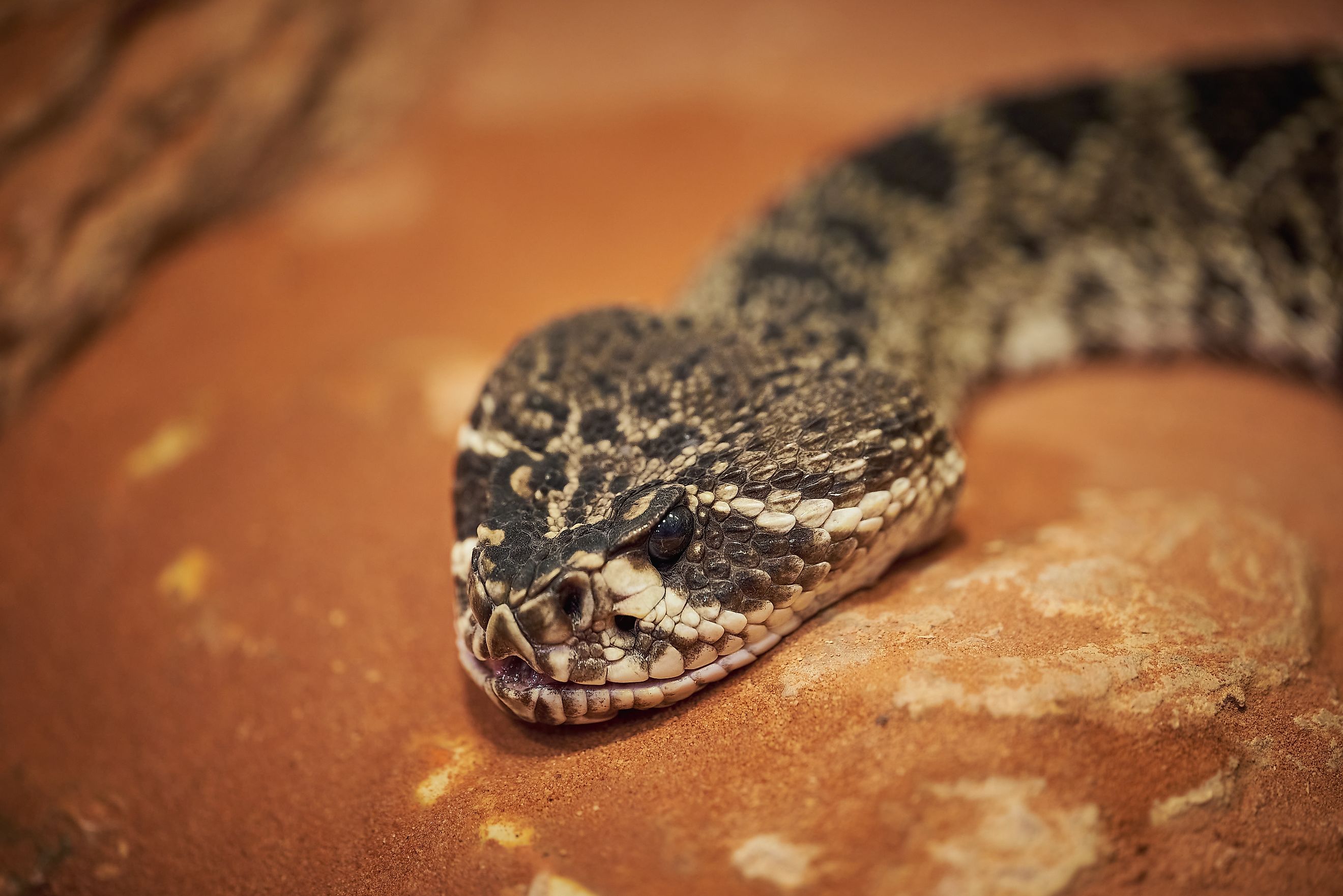
The eastern diamondback is the largest rattlesnake in the United States by both length and weight. Florida adults typically run two to four pounds, and large individuals pass ten.
It is identified by the diamonds down the back and by the dark stripe through the eye, outlined in white, running diagonally to the neck. A heat-sensing pit sits between eye and nostril, and the rattle gains a segment at each shed rather than one a year.

None of this makes a Gulf beach dangerous. These are ambush predators that would rather not be found, and the practical advice is unchanged in December: stay on the boardwalk, keep the dog on a lead, look before stepping over driftwood, and accept that the quiet months do not mean the snakes went anywhere.