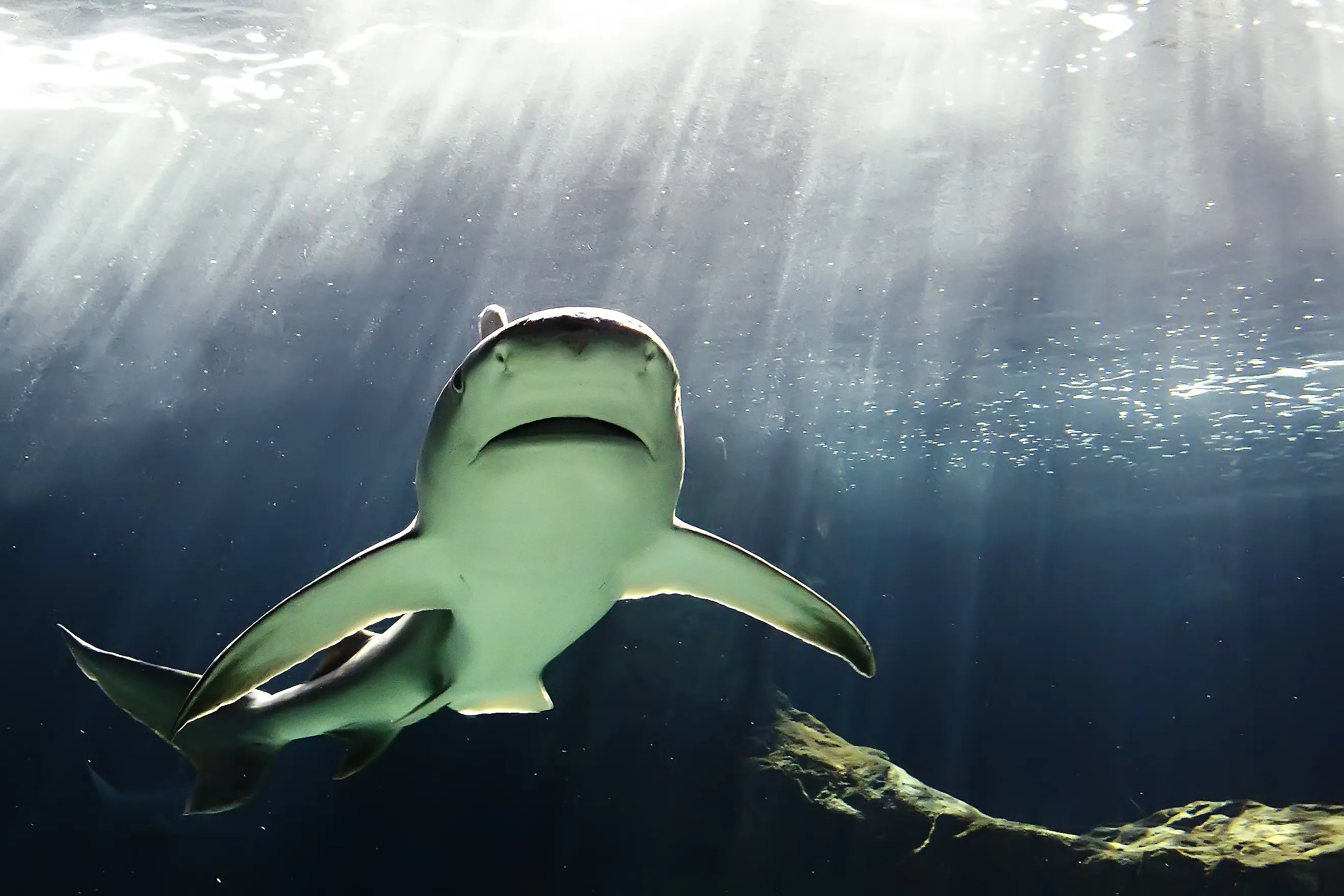
The Rivers Where Saltwater Fish Swim Hundreds Of Miles Inland
It is easy to assume that the ocean and its creatures stop neatly at the coast, but plenty of saltwater fish have other ideas. Some of them push astonishing distances up freshwater rivers, turning up hundreds or even thousands of miles from the nearest sea. Bull sharks have been hauled out of the Mississippi in Illinois, and salmon fight their way to the mountains of Idaho, all far from any whiff of salt water. It is one of the most surprising facts in nature, and it happens on rivers all over the globe. Here are the rivers where saltwater fish swim hundreds of miles inland.
How Fish Pull It Off

Swimming from salt water into fresh is not as simple as it sounds, because a fish's body has to constantly balance the salt and water inside it. Most ocean fish would quickly bloat and die in fresh water, but a handful of species have special tricks. Bull sharks, for example, are euryhaline, meaning their kidneys and a specialized gland can adjust to retain salt in low-salinity water. Others, like salmon, striped bass, and sturgeon, are anadromous, built to live in the sea but driven to migrate up rivers to breed. Either way, these fish can survive a freshwater road trip that would kill their ocean relatives.
The Mississippi River

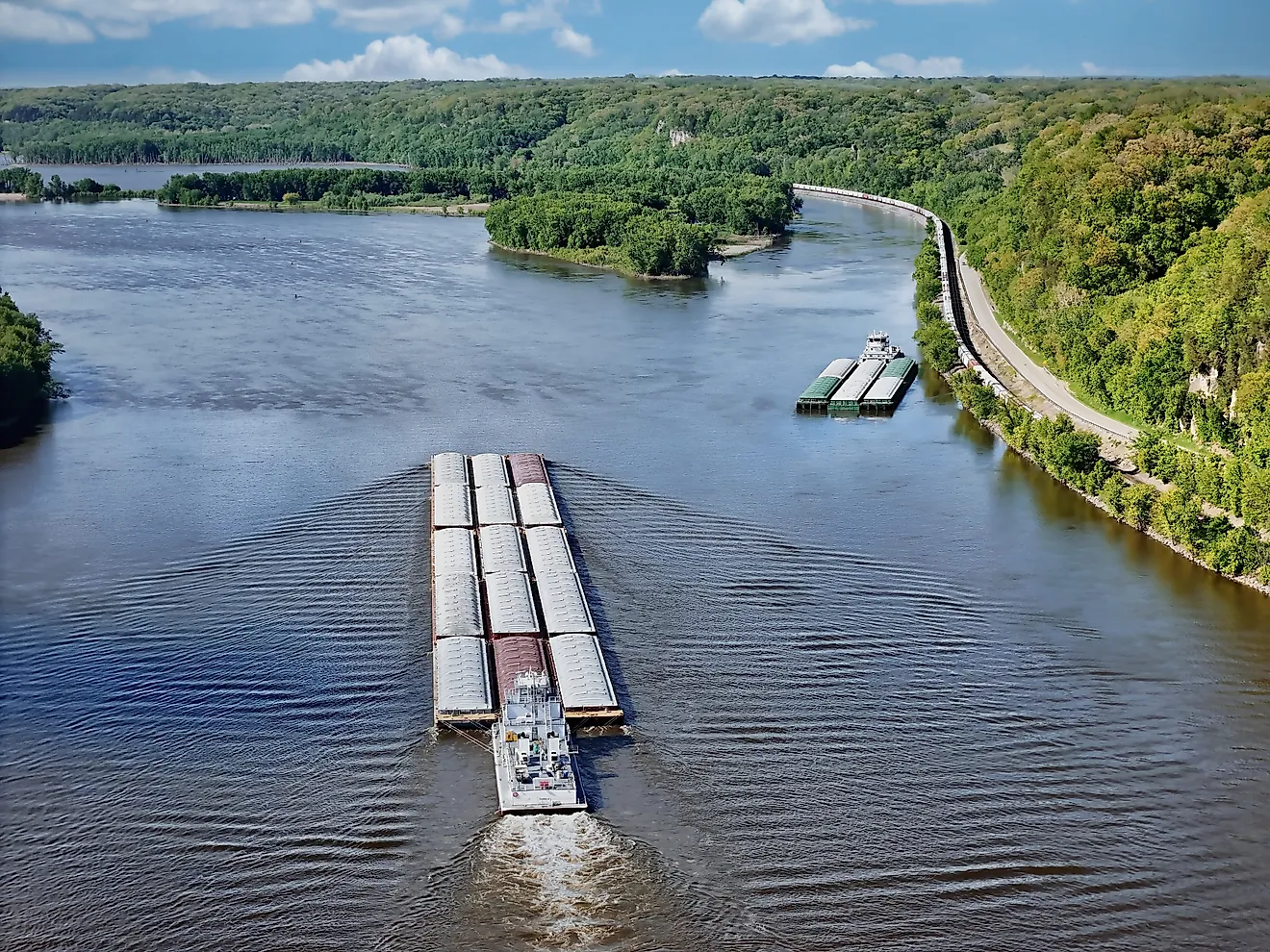
North America's mightiest river is also the setting for one of its most jaw-dropping fish stories. Bull sharks have been confirmed astonishingly far up the Mississippi, most famously a specimen caught near Alton, Illinois, back in 1937, roughly 1,750 miles from the Gulf of Mexico. A second turned up near Festus, Missouri, in 1995, and modern tagging suggests these marathon journeys, while rare, are entirely possible. For a saltwater shark to appear in the Midwest, well north of St. Louis, remains one of the most remarkable records in the entire animal world.
The Amazon River
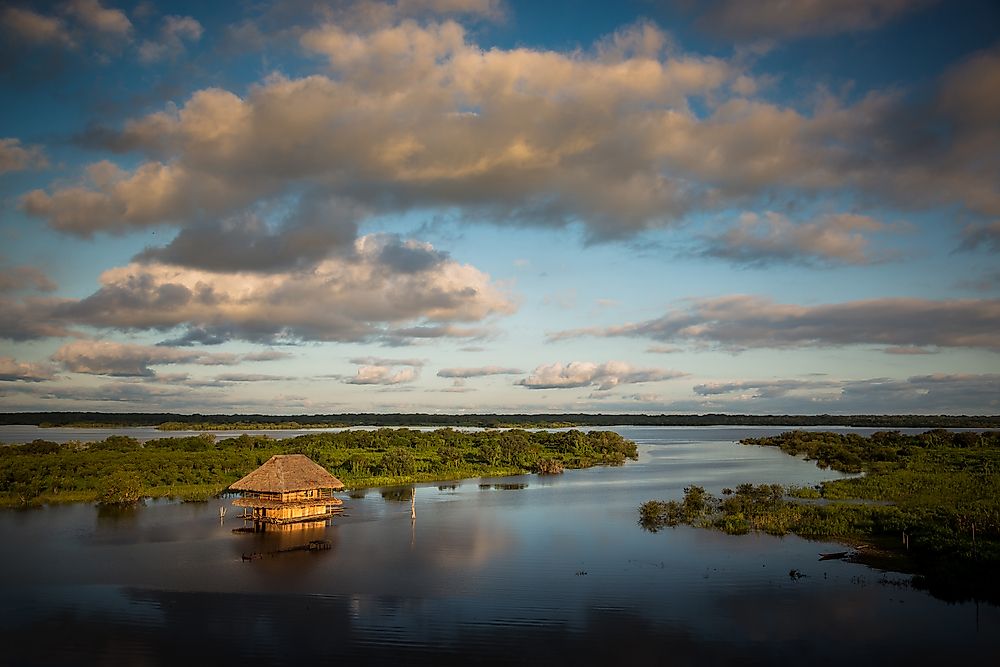
If the Mississippi sounds extreme, the Amazon takes it even further. Bull sharks have been documented all the way up to Iquitos, Peru, around 2,500 miles from the Atlantic Ocean, which is the deepest inland journey of any shark ever recorded. That is more than twice the river distance of the Mississippi record, carrying an ocean predator into the very heart of the South American rainforest. The vast, warm, slow-moving Amazon is practically tailor-made for a bull shark's epic upstream wanderings.
The Zambezi River
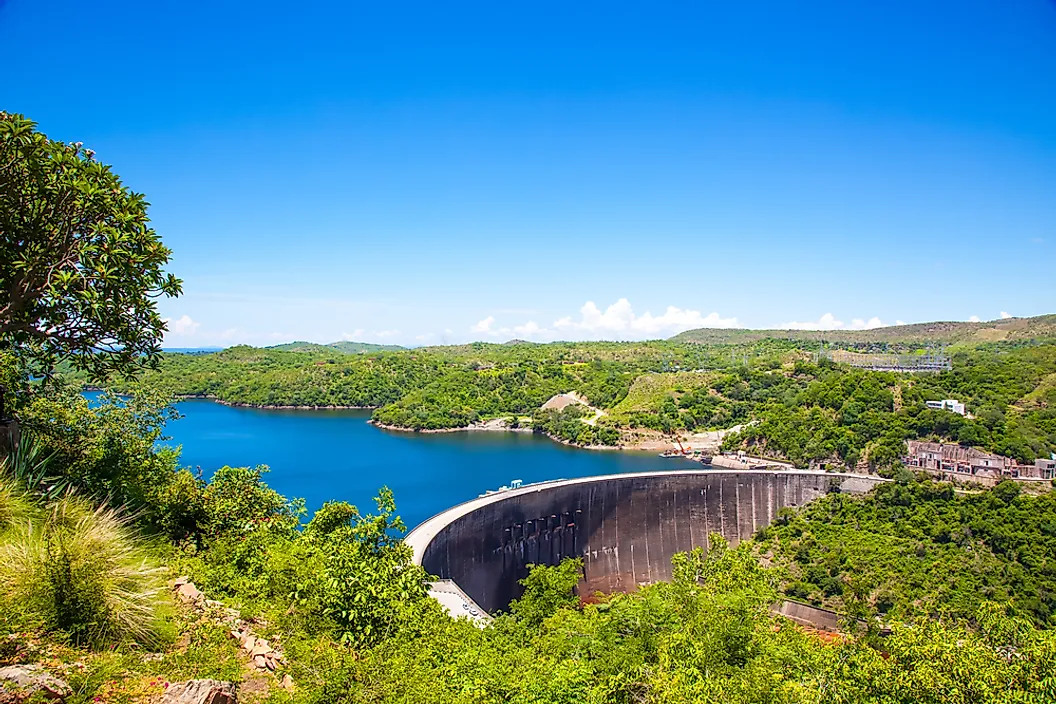
Bull sharks are so at home in Africa's Zambezi River that they picked up a second name there: the Zambezi shark. They push well over a thousand miles up the river system, deep into the interior of southern Africa and far from the Indian Ocean. Unlike on the Mississippi and Amazon, where shark encounters are rare, the lower Zambezi has a genuine history of bull shark run-ins with people. For centuries, local communities knew this river predator long before science connected it to the saltwater bull shark.
The Columbia River

Not every long-distance traveler is a shark. The Columbia River of the Pacific Northwest hosts one of the planet's great fish migrations, as salmon and steelhead born in mountain streams return from the ocean to spawn. Many of them travel more than 900 miles up the Columbia and its tributary the Snake, climbing all the way into the mountains of Idaho. These ocean-reared fish leap up fish ladders at dam after dam to reach the exact gravel beds where they hatched. It is a saltwater-to-mountain journey measured in months of relentless upstream swimming.
The Hudson River

Closer to the East Coast, New York's Hudson River is a superhighway for saltwater fish heading inland to breed. Striped bass pour in from the Atlantic each spring and swim well over a hundred miles upriver to spawn, while Atlantic sturgeon, ancient armored giants, make the same inland pilgrimage. Because the Hudson is tidal and partly salty for much of its length, it quietly blurs the line between river and sea. For these migratory fish, it is less a barrier than an open invitation inland.
The Yukon River

For sheer distance, few migrations rival the salmon of the Yukon River. Chinook salmon enter the Yukon from the Bering Sea and swim close to 2,000 miles upstream, crossing from Alaska into Canada to reach their spawning grounds near the river's headwaters. It is one of the longest freshwater fish migrations anywhere on Earth, undertaken by fish that will not eat for the entire journey. These ocean-grown salmon essentially cross a continent on stored energy alone before spawning and dying.
The Bull Shark Is the Champion

Among all these travelers, one species stands out as the undisputed king of going inland: the bull shark. No other shark comes close to its ability to thrive in fresh water, which is why it keeps appearing in rivers, and even lakes, where no shark should logically be. Beyond the Mississippi, Amazon, and Zambezi, bull sharks have turned up in the Ganges in India, in Lake Nicaragua, and even, famously, in a landlocked golf-course lake in Australia. If there is a river warm enough and deep enough, a bull shark has probably considered swimming up it.
Why They Go So Far

All this upstream effort is not random; the fish are chasing something. For anadromous species like salmon and sturgeon, the rivers are nurseries, offering safe, predator-light water to lay eggs far from the dangers of the open sea. For bull sharks, the calmer upper rivers can be rich hunting grounds and ideal places to raise pups away from the larger sharks of the ocean. In both cases, the reward of a safer place to breed or feed is well worth an exhausting journey against the current.
Sharing the Water With Them

For anyone who assumed inland rivers were safely free of ocean life, these fish are a humbling surprise. The vast majority of the time they pose no threat at all and go completely unnoticed, quietly passing through on ancient migrations. Bull sharks are the one species worth a little healthy respect, though confirmed freshwater attacks remain extremely rare. Mostly, these long-distance swimmers are simply a reminder that the boundary between river and ocean is far blurrier, and far more porous, than it looks.