5 Snake-Filled Waters In Wisconsin
From water snakes found along riverbanks to garter snakes slithering along shorelines and rocks, Wisconsin has rivers, lakes, and wetlands that provide the perfect environment for snakes. The state's mix of marshes, floodplains, shallow lakes, and wooded borders supports healthy populations of fish and amphibians, which are vital food sources for these reptiles.
Although most Wisconsin snakes are non-venomous and help maintain the biological balance of aquatic environments by suppressing pests, some bodies of water are known for particularly high rates of snake sightings due to their abundant, untouched habitats. Wisconsin has five major snake-filled lakes, each highlighting its unique characteristics and the snake species most common along its beaches.
Lake Winnebago

At over 137,700 acres, Lake Winnebago is the largest inland lake in Wisconsin. The lake's marshlands, shallow depths, and warm water all play an important role in a thriving ecosystem. Many fish, amphibians, and water plants are supported by these conditions, and a variety of reptiles are drawn to them.

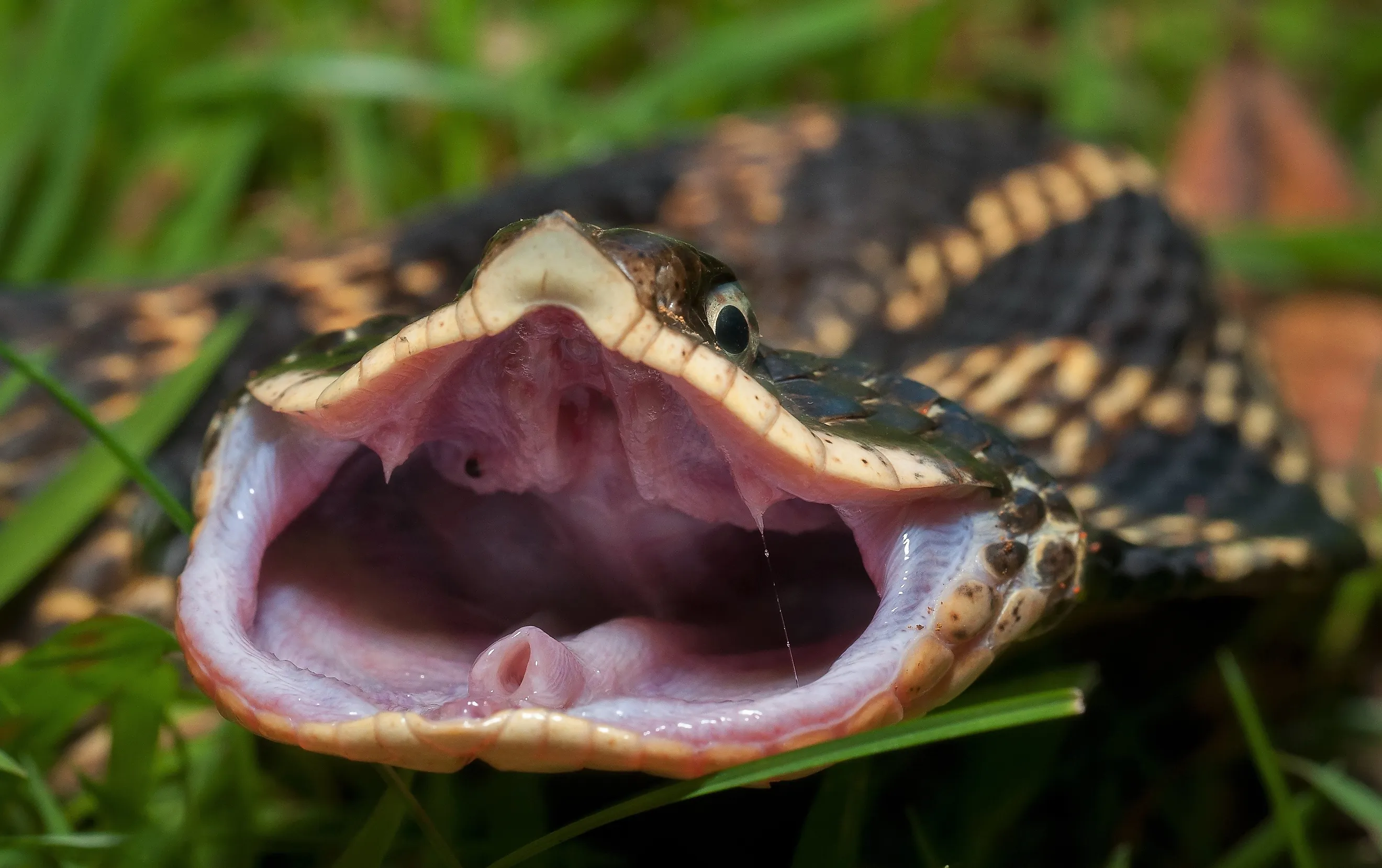
The lake's shorelines are home to widespread garter snakes and northern water snakes, which are often seen swimming or relaxing near the water. Northern water snakes are gentle unless provoked, despite the fact that their defensive behavior and look often lead people to believe they are venomous.
The Mississippi River

One of the Midwest's most biologically diverse river systems, the Mississippi River marks Wisconsin's western border and includes a vast network of backwaters, floodplain forests, marshes, and sloughs. These varied habitats provide ideal conditions for several snake species, including northern water snakes and plains garter snakes, which are commonly found along vegetated shorelines and slow-moving waters.

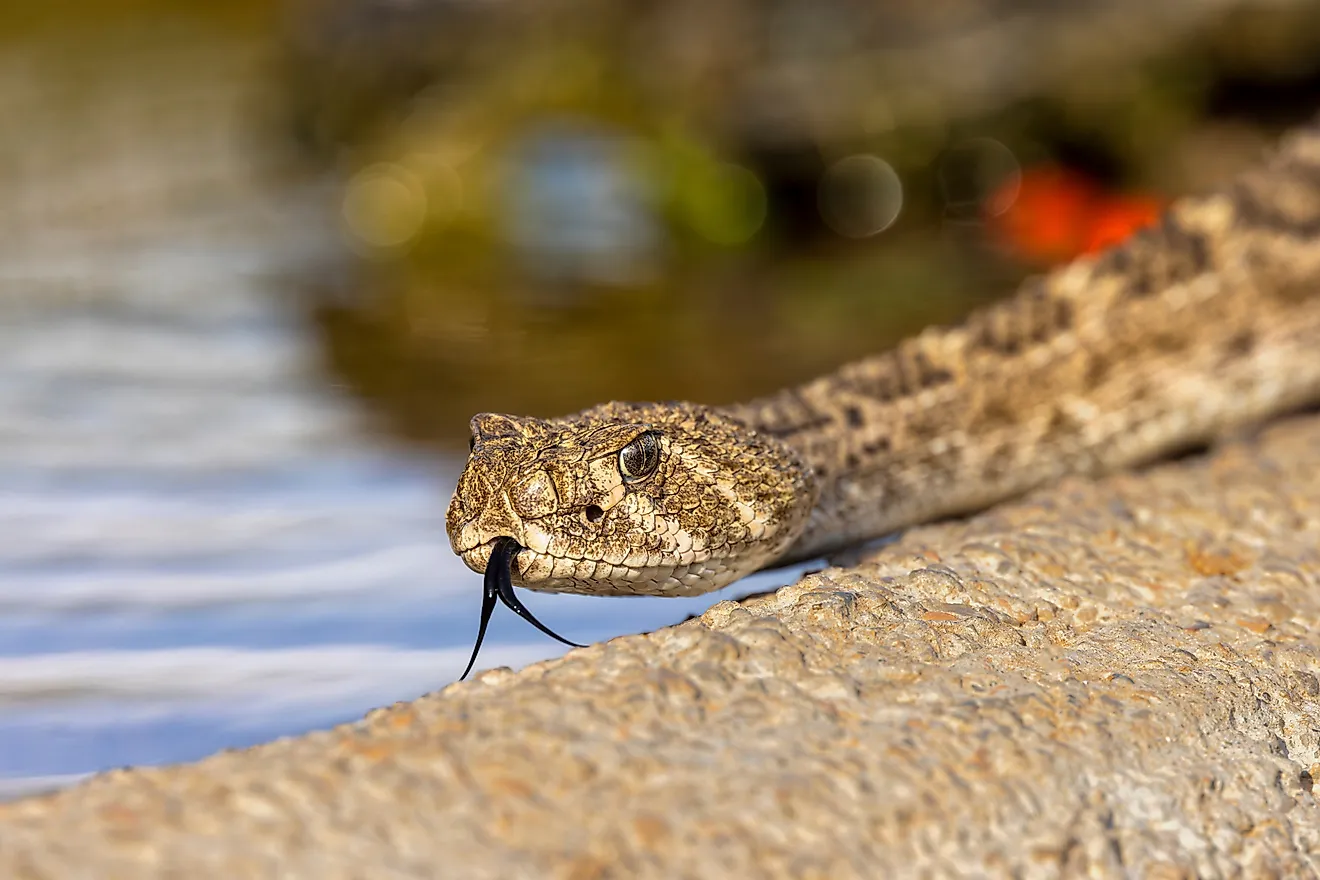
In more remote bluff and floodplain areas, the river corridor also supports the timber rattlesnake, one of only two venomous snake species in Wisconsin. Although present in the region, timber rattlesnakes are uncommon, generally shy, and tend to avoid human activity whenever possible.
Devil’s Lake

Devil's Lake State Park, a deep glacial lake surrounded by dramatic bluffs and wooded slopes, is a charming and frequently visited natural area in Wisconsin. The combination of rocky shorelines, slopes, and sun-exposed areas is the perfect habitat for hikers and swimmers to commonly observe snakes in the great outdoors of Wisconsin.

Northern water snakes are most common around the lake's rocky borders, where they can be seen swimming or relaxing. Additionally, populations of timber rattlesnakes, a rare and protected species that typically reside in isolated, less-traveled areas of the park.
Lake Michigan

The hundreds of miles of Lake Michigan's Wisconsin shoreline are home to a variety of wildlife-supporting wetlands, sandy beaches, coastal forests, and dune systems. Reptiles and amphibians thrive in these diverse settings, especially in marshy and overgrown areas close to the water.

Along the lake's coastal wetlands, plains garter snakes and northern water snakes are frequently spotted swimming, lounging on logs or rocks, or hunting close to the shore. Due to their exceptional swimming abilities and complete lack of venom, neither species poses a risk to lakeshore visitors.
Castle Rock Lake

A reservoir on the Wisconsin River, Castle Rock Lake covers more than 13,900 acres and contains marshes, wooded shorelines, and shallow bays that come together to form a varied ecology for the area. Not to mention, reptiles have an easily accessible source of food since these waters attract small fish and amphibians.

Because of this, the lake is home to large numbers of common garter snakes and northern water snakes, which are often seen relaxing on the beach or swimming through marshy areas. The eastern hognose, a non-venomous snake that is harmless to humans, is also found in Castle Rock Lake. It is known for its spectacular defense behavior, which includes flattening its neck, hissing loudly, and feigning death when it feels threatened.
The timber rattlesnake and the eastern massasauga are the only two of Wisconsin's more than 20 snake species that should be actively avoided due to their venomous nature. Because these species are rare, protected, and generally avoid human contact, encounters are very uncommon.
It is helpful to remember that snakes in Wisconsin's waterways are a clear sign of a healthy ecosystem, reflecting an abundance of food sources and pristine habitats. While visiting the "cheese state," to protect both yourself and the environment, it is advisable to keep a safe distance from snakes and avoid provoking them.