5 Most Rattlesnake Infested Areas in New York
In New York state, Timber rattlesnakes choose sun-warmed ledges and deep rock crevices that hold steady temperatures all year, returning to the same communal dens for decades. Copperheads thrive where leaf litter meets broken shale, their hourglass bands dissolving into autumn groundcover, and they often surface in groups after a long winter brumation.
Farther west, the eastern massasauga earns its “swamp rattler” nickname, hunting frogs and mice along boggy margins and sand plains. These snakes move with patterns; their ranges trace geology, local microclimate, and prey corridors. Knowing where those ingredients overlap can make every hike smarter. Warm months concentrate encounters near trails, especially after cool mornings when basking snakes recharge.
Catskill Mountains

The Catskill Mountains are a region in upstate New York and a hiker’s paradise. Full of spectacular views and gorgeous cascading waterfalls like the 260-foot Kaaterskill Falls, the tallest waterfall in the state, the area is also a rattlesnake hotspot. Of the 17 species of snakes that are found in New York, 13 species live in the Catskill Mountains, including the timber rattlesnake and the northern copperhead. Both species are similar in appearance, with a tan, brown, grayish base color with a dark pattern, a triangular head, and stocky, thick bodies. The most noticeable differences between the two are the rattle on the timber rattlesnake’s tail and the copperhead’s coppery-colored head.

In the Catskills, rattlesnakes are a concern from May through November. The more commonly spotted timber rattlesnake can grow up to six feet long with a three-foot striking distance but tends to strike when threatened. Two areas in the Catskills are notorious for rattlesnake spotting—Overlook Mountain and Mount Tremper. There are a handful of warning signs about rattlesnakes on the Overlook Mountain Fire Tower trail to the 1,323-foot summit, but the panoramic view of the Hudson River may be well worth the climb for cautious hikers.
Adirondack Mountains
![The timber rattlesnake, canebrake rattlesnake, or banded rattlesnake (Crotalus horridus)[6] is a species of pit viper endemic to eastern North America.](https://www.worldatlas.com/r/w960-q80/upload/df/fc/6c/chorridus.jpg)
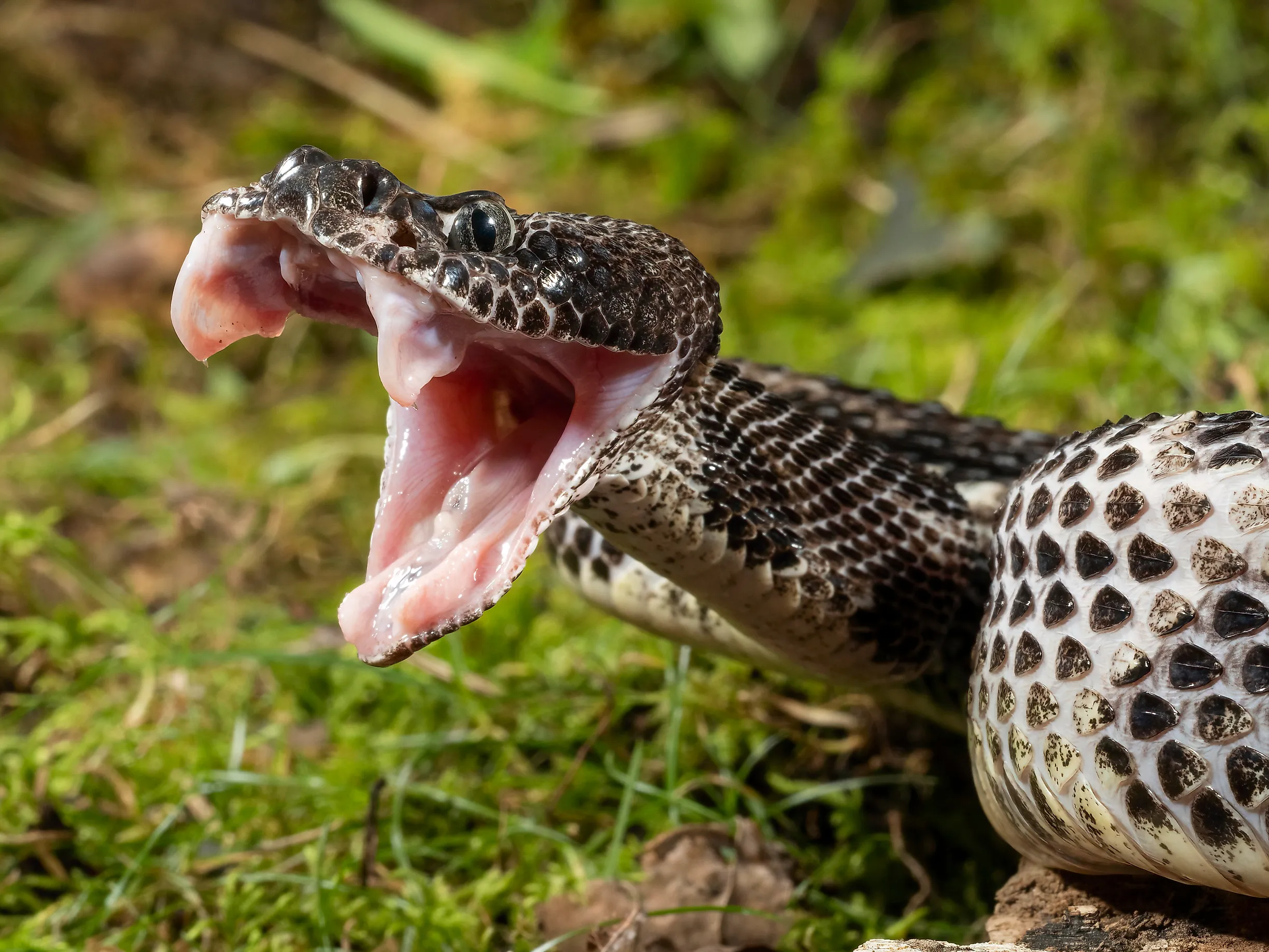
Nine snake species inhabit the Adirondack Mountains, most of which are harmless, except for the timber rattlesnake. The timber rattlesnake is the largest venomous snake in New York and the most common in the eastern Adirondack Mountains. The rattlesnake is known to inhabit any mountainous region with rugged terrain in Adirondack Park but prefers locations like hardwood forests and rock crevices. It is active in the area from late April until mid-October but may not appear until mid-May in the northern part of the state.

Hiking and camping enthusiasts who visit popular areas like Lake George and Split Rock Mountain on Lake Champlain may encounter a timber rattlesnake, a threatened species in New York state. Despite conservation efforts, the timber rattlesnake population is decreasing due to habitat loss, road mortality, indiscriminate killing, and illegal collecting by poachers supplying the black market.
Hudson Valley

All three venomous rattlesnakes are native to upstate New York, with the northern copperhead being the most common. In the Hudson Valley, they are found in the valley's lower reaches in rocky and wooded areas; in rural areas, they are attracted to exposed wood piles. The Mohonk Preserve in the area, a popular destination for tourists, recently put up signs warning hikers that there are nesting copperheads on the exposed rock ledges where the rattlers like to sunbathe.

It’s not uncommon to see more than one copperhead rattlesnake at a time, as the rattlesnakes den together and emerge from hibernation all at the same time. Unlike the timber and eastern massasauga rattlesnakes, northern copperheads do not have a warning rattle, so unknowing hikers often step on them as their coloring lets them blend in with the leaves on the forest floor.
Shawangunk Ridge

The Shawagunk Ridge, also called the Shawagunk Mountains or simply “The Gunks,” is a popular rock climbing destination for adventure lovers near New Paltz. It offers stunning views and dramatic scenery with its rugged terrain, rocky outcrops, and forested slopes. Keep in mind, this area is also home to timber rattlesnakes and northern copperheads hiding between boulders. Most snake encounters happen when snakes, blending in well with fallen leaves, are accidentally stepped on by hikers. When you're out on the trails, a helpful tip is to avoid stepping over logs in snake-prone areas; instead, step on the log, lean over, look down carefully, and then walk across safely.
Central New York Wetlands and Sand Plains

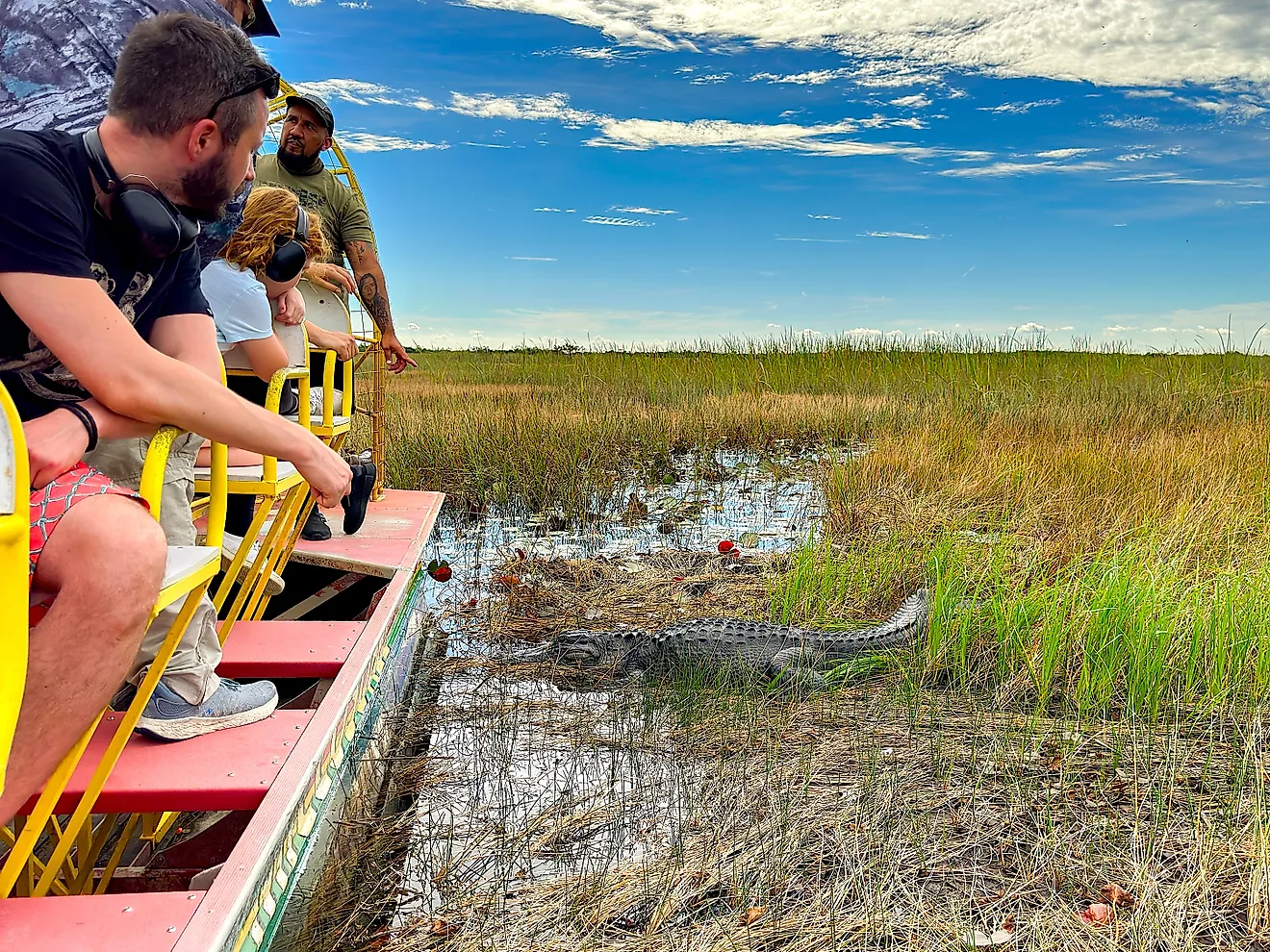
The eastern massasauga rattlesnake is concentrated in two main areas in New York: the small town of Rome and Oneida Lake near Syracuse. The rattlesnake is also found in the Cicero Swamp, a 4,900-acre wetland managed by the New York State Department of Environmental Conservation. It’s a popular destination for outdoorsy types who enjoy fishing, bird watching, or hiking. As an endangered snake species, the eastern massasauga rattlesnake’s primary location within the swamp is hidden.

The rattlesnake is commonly called the “swamp rattler” because it prefers moist environments such as bogs, swamps, marshes, and floodplains. The eastern massasauga rattlesnake is much smaller than the timber rattlesnake, with a length of one to three feet. It features large black or dark brown hourglass-shaped markings along its back and has three rows of smaller dark spots on each side.
New York state hosts three venomous rattlesnake species: the timber rattlesnake, northern copperhead, and eastern massasauga rattlesnake. These snakes are found in regions such as the Catskill Mountains, Adirondacks, Hudson Valley, Shawangunk Ridge, and central New York wetlands. The timber rattlesnake mainly inhabits rugged, mountainous areas, while the northern copperhead prefers rocky, wooded environments. The massasauga is typically found in wetlands. If bitten, remain calm, avoid panic, and seek immediate medical help. Keep the bitten area still and at or below heart level to slow venom spread. While rattlesnakes are present, they shouldn't deter visitors from enjoying outdoor activities in the Empire State. However, caution is advised when exploring the top five rattlesnake-inhabited areas in New York.