5 Snake-Filled Waters In New York
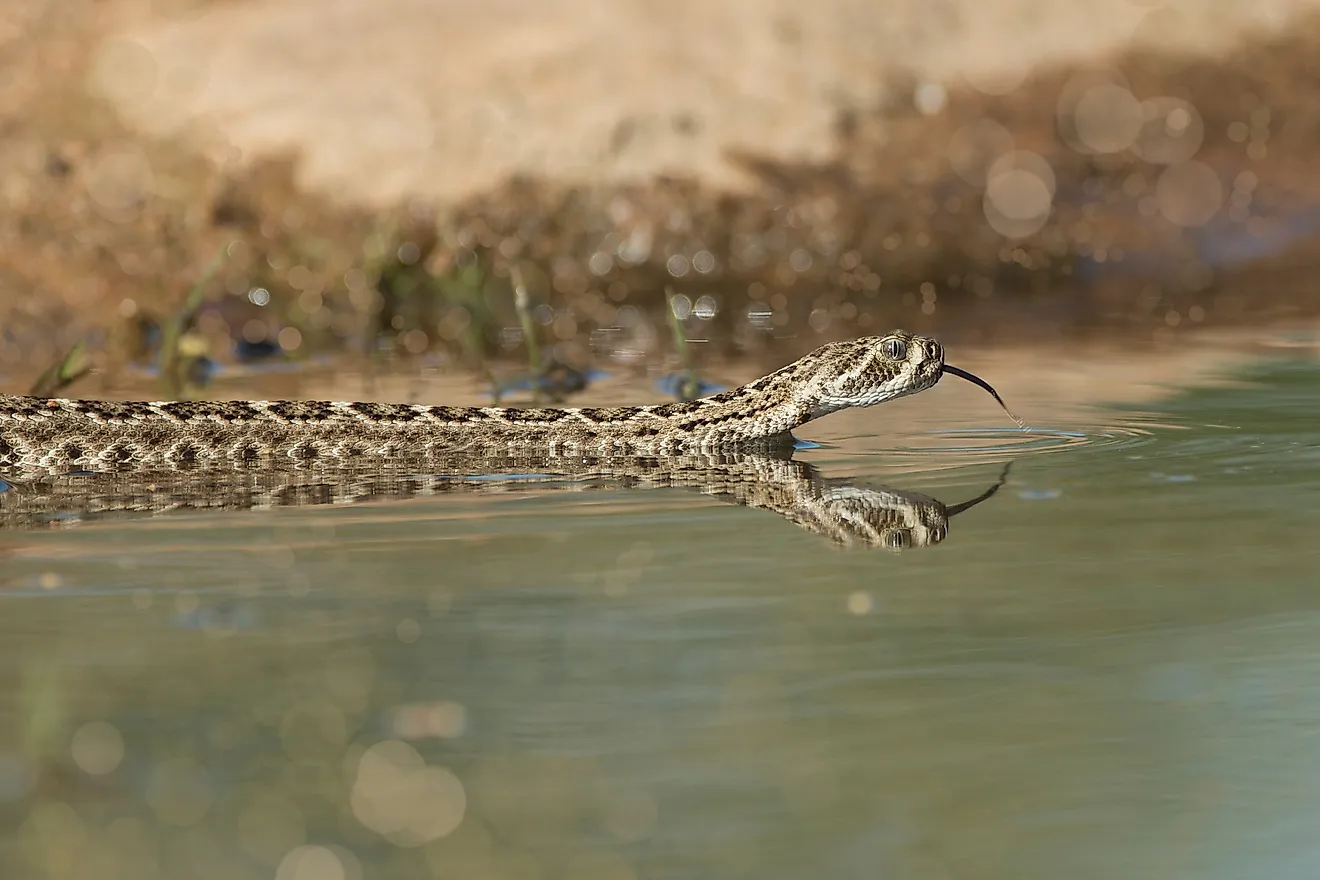
New York’s lakes are just as much scenic backdrops as they are working snake habitats, built from sunlight, shoreline cover, and easy prey. In warm months, northern water snakes patrol the shallows like living fishing lines, using their keeled scales for traction and their strong bodies to pin slippery fish against rocks.
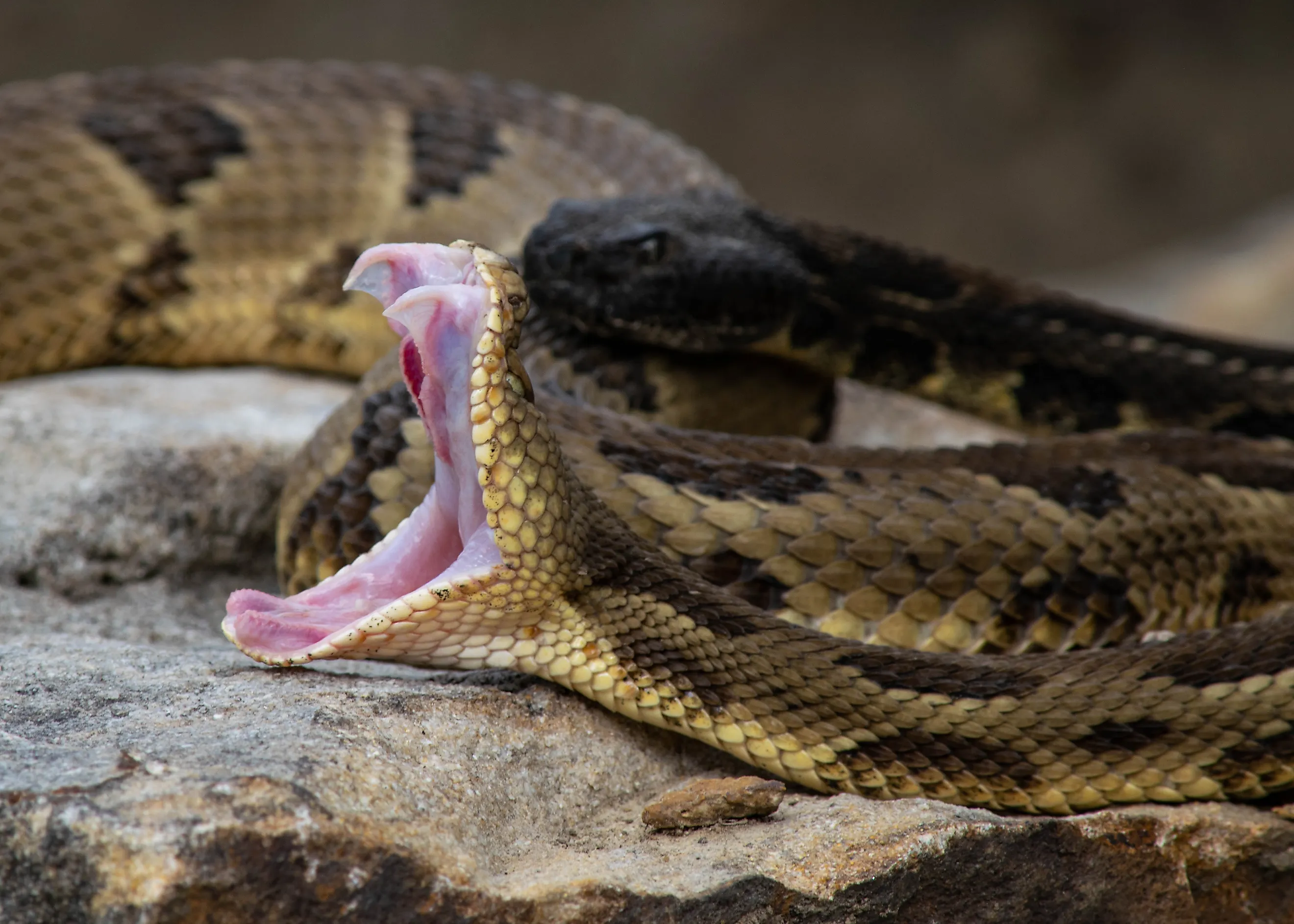
Some populations gather in surprising numbers where baitfish, frogs, and protective vegetation concentrate, turning quiet coves into reliable hunting lanes. Up the slope, timber rattlesnakes rely on the same water-rich landscapes, traveling between rocky basking sites and forest edges where rodents move. Wetland specialists like ribbon snakes and the rare eastern massasauga add another layer, favoring marshy margins that stay humid and prey-filled. Together, these waterways form a connected “snake map” that reshapes how you see New York outdoors.
Echo Lake

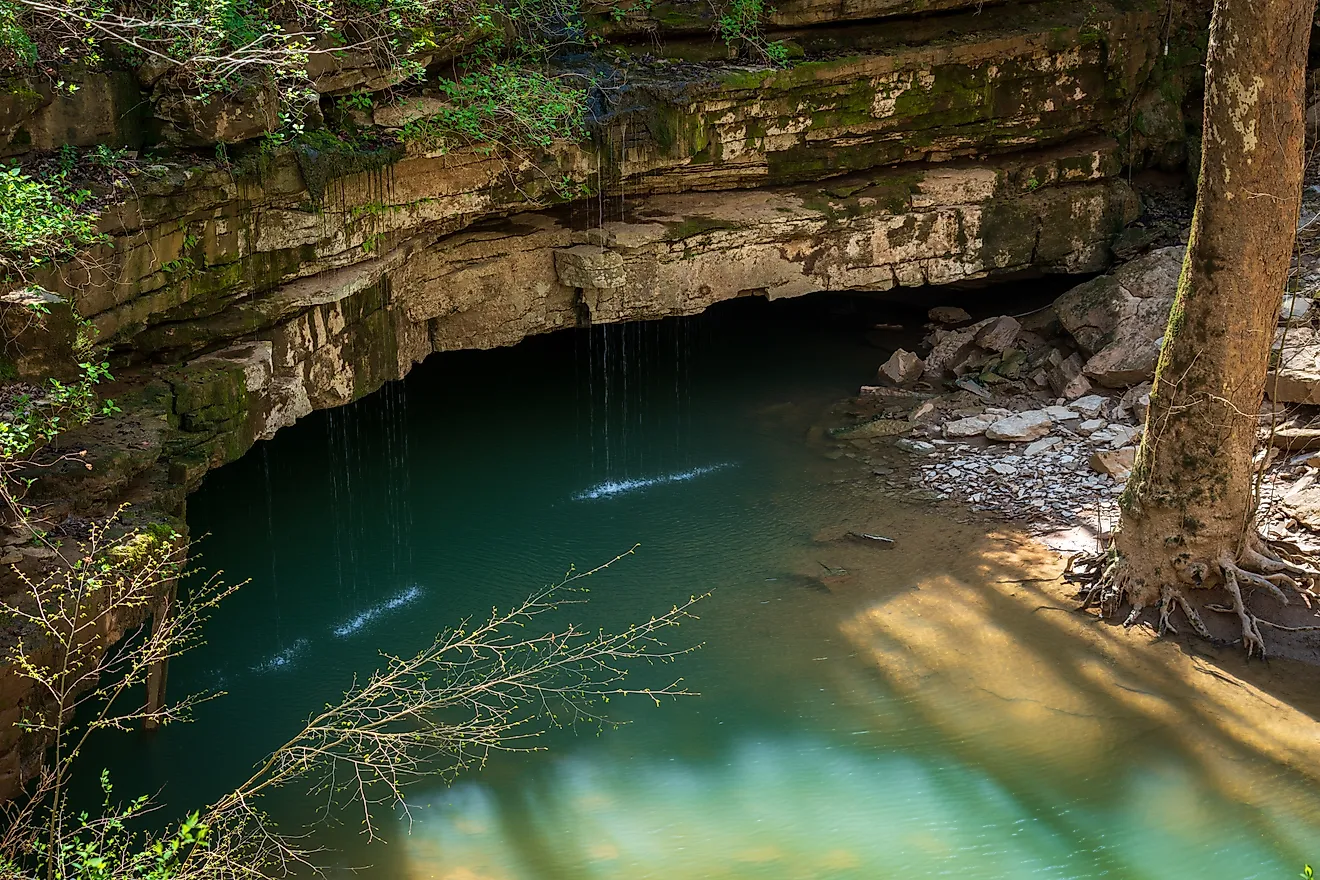
Echo Lake is a remote 13-acre mountain lake tucked between Plattekill and Overlook Mountains in the Indian Head Wilderness of the Catskill Park near Woodstock, New York. Reached only by hiking trails, the lake sits in a quiet, forested basin characteristic of the high-elevation Catskills.
Its calm shoreline and shallow waters support healthy populations of northern water snakes, which are frequently seen swimming or hunting fish and amphibians along the lake’s edges. In the surrounding rocky slopes and wooded uplands, the more elusive timber rattlesnake can also be found, favoring warm, rocky terrain near forests and water. Echo Lake is a particularly snake-rich ecosystem because of its plentiful prey, protected coves, and nearby upland habitat, which all work together to provide the perfect environment for aquatic and terrestrial snake species.
Lake Champlain

Lake Champlain is a vast freshwater lake that stretches roughly 120 miles along the New York-Vermont border and extends into Canada, characterized by extensive shoreline wetlands, shallow bays, and forested tributaries. These diverse habitats make the lake very hospitable to snakes, particularly northern water snakes, which are commonly seen swimming or relaxing in quiet coves and along the edges of marshes.
Timber rattlesnakes live in rocky, forested places in the adjacent upland terrain, such as the Split Rock Wildway corridor, and may migrate closer to the boundaries of wetlands in the warmer months. Additionally, marsh and meadow species like eastern ribbon snakes and various garter snakes thrive in the lake’s adjacent wetlands, further contributing to Lake Champlain’s reputation as one of New York’s most snake-rich waterways, wetlands, and riparian zones.
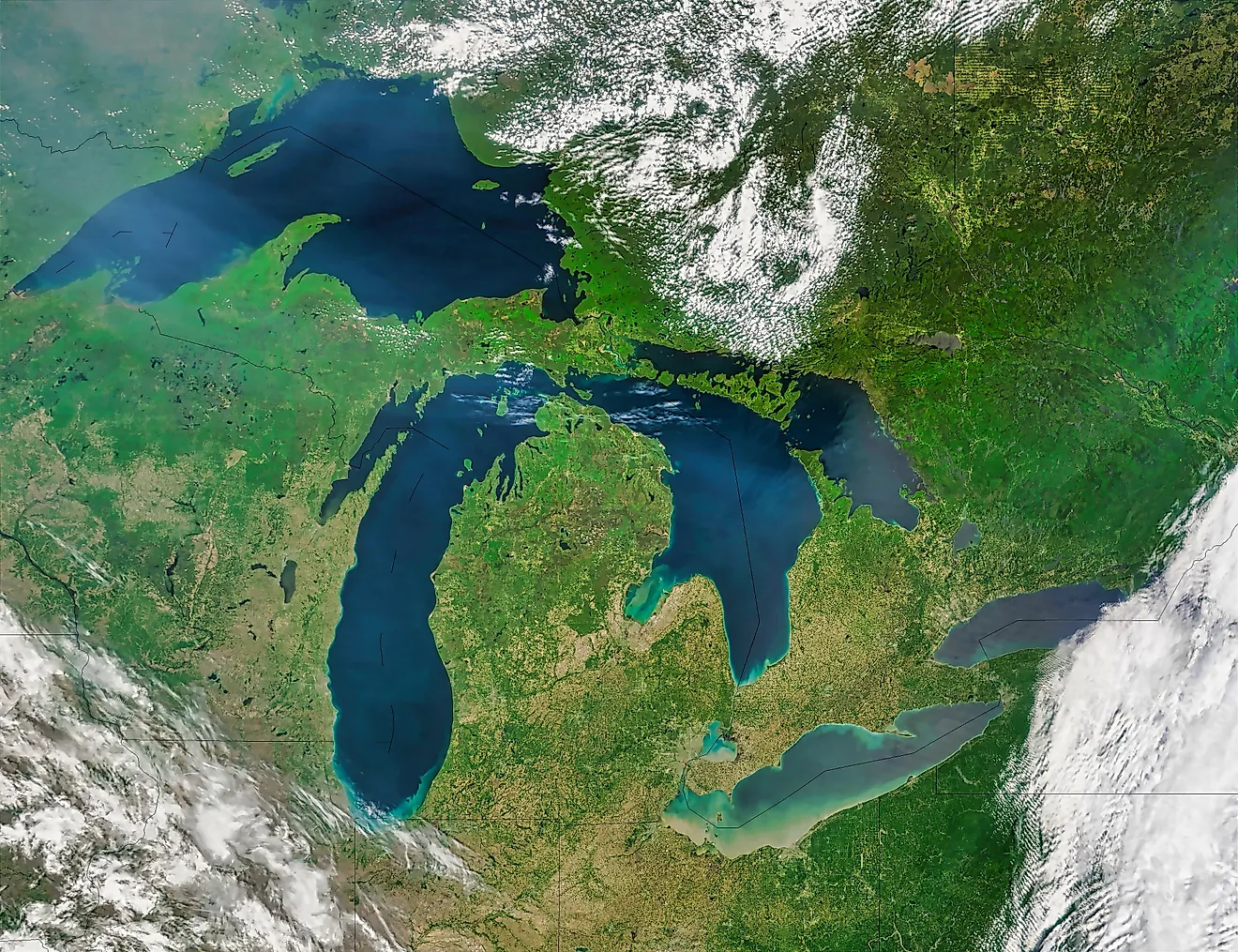
Lake Erie

Lake Erie is, of course, one of North America's Great Lakes. The shoreline, which spans from Buffalo southward and includes broad beaches, rocky points, and abundant marshes, borders western New York. Large populations of semi-aquatic snakes, including the Lake Erie watersnake, a unique, non-venomous subspecies that is frequently observed swimming close to the coast or lounging on sun-warmed rocks and breakwalls, are supported by these diverse habitats.
Northern water snakes, which inhabit nearby interior lakes, rivers, and tributaries that are a component of the lake system, are likewise more prevalent. The lake is particularly ideal for water-dependent snakes because of its many fish prey, shallow bays, rocky tanning sites, and safe overwintering areas.
Oneida Lake

Oneida Lake is a sizable freshwater lake east of Syracuse that is known for being the largest lake in all of New York State. Surrounding marshes and large shallow littoral zones characterize the topography, all of which provide perfect circumstances for snakes. Northern water snakes are commonly encountered along the lake’s marsh edges and quiet coves, where they hunt fish and amphibians.
More notably, the wetlands around the lake, including the Oneida Lake Swamp, support populations of the eastern massasauga rattlesnake, a wetland-dependent venomous species listed as endangered in New York. In addition, smaller species such as ribbon snakes, redbelly snakes, and various garter snakes inhabit the surrounding wetland complexes.
Canopus Lake

Canopus Lake is a 105-acre recreational lake located within Clarence Fahnestock State Park in Putnam County, where it is surrounded by mixed hardwood forests and is popular for swimming, fishing, and hiking.
The lake’s brushy shoreline and quiet coves provide ideal habitat for northern water snakes, which are frequently seen hunting fish and amphibians along the water’s edge. The surrounding forests and rocky areas also support black rat snakes, large, non-venomous climbers that often move between forest edges and nearby water. In addition, smaller species such as garter snakes and ribbon snakes inhabit the park’s riparian zones and wetlands.
Most snakes found in New York's lakes, rivers, and marshes are not confrontational and support the ecology by helping to control the population of fish, amphibians, and rodents. However, other species require more care. For example, timber and eastern massasauga rattlesnakes are poisonous and protected by law in New York; any sightings should be reported to wildlife authorities and examined from a safe distance.
While they don't offer much of a threat to humans, more often encountered species like Lake Erie watersnakes and northern watersnakes are non-venomous and may bite defensively if confronted. Snake encounters can be an exciting aspect of the outdoor experience, whether you are hiking, fishing, or paddling; just keep in mind to give them plenty of room and never try to handle them.