5 Snake-Filled Waters In Nebraska
In addition to providing easily accessible areas for summertime camping, kayaking, and fishing excursions, Nebraska's lakes and rivers are home to a variety of animals, including snakes. Rivers, reservoirs, wetlands, and grassland shorelines are just a few of the state's many bodies of water that provide ideal habitat for aquatic and semi-aquatic snake species.
Although the idea of "snake-filled waters" can be unsettling, most of these reptiles are harmless and help to keep the ecology in balance by controlling the numbers of fish, amphibians, and rodents. There are five primary snake-rich waters in Nebraska that highlight the distinctive features of each area and the most prevalent snake species found there and in the surrounding area.
Lake McConaughy

Lake McConaughy, Nebraska’s largest reservoir at roughly 35,700 acres, is fed by the North Platte River and managed as a State Recreation Area by the Nebraska Game and Parks Commission, drawing visitors for boating, fishing, camping, and its expansive sandy beaches. Beyond recreation, the lake’s shoreline, marshy edges, and surrounding riparian grasslands create ideal habitat for a variety of snake species during the warmer months.

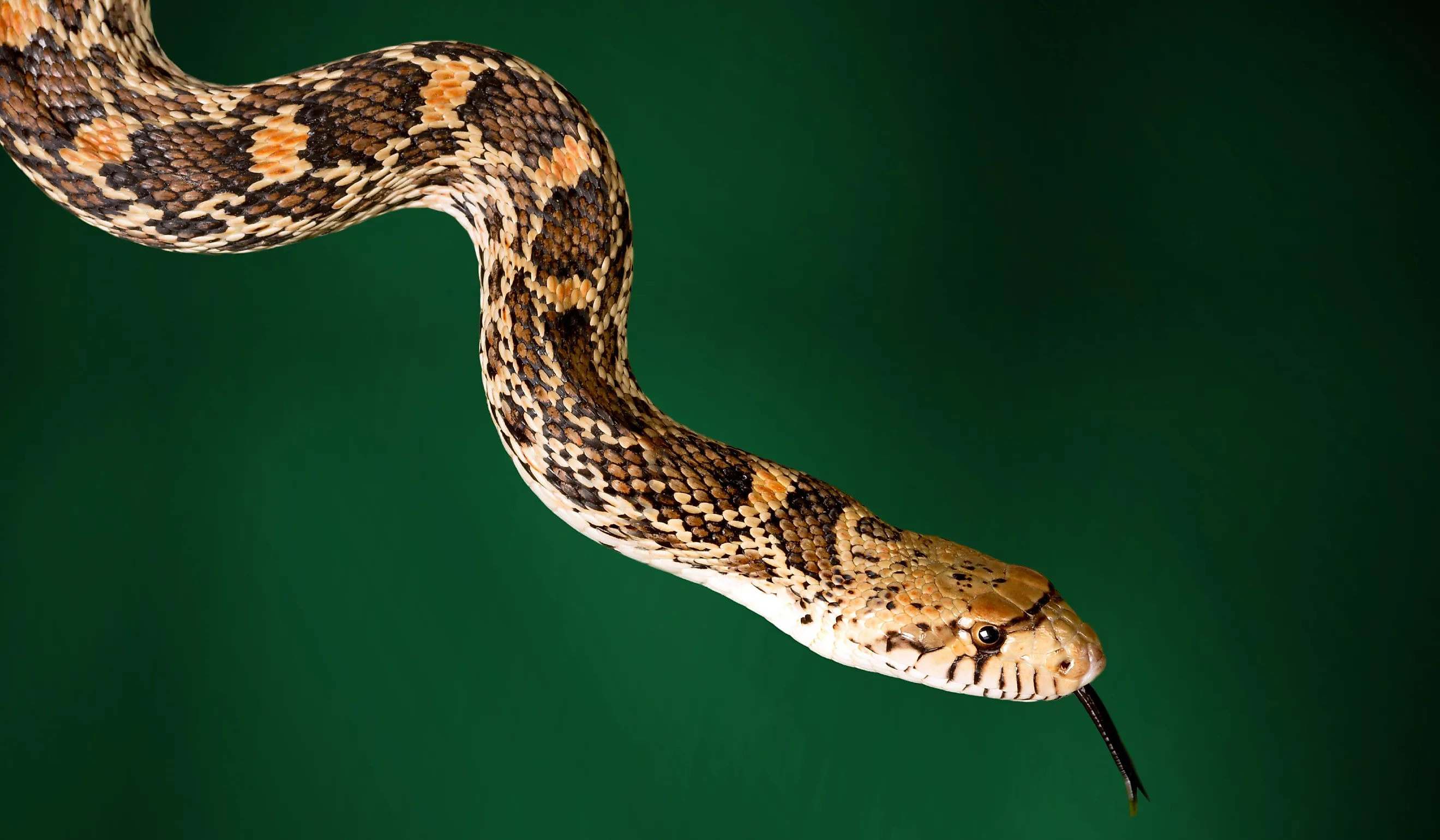
The most commonly encountered is the northern water snake, a non-venomous species frequently seen along the water’s edge as it hunts fish and amphibians. Moving away from the shoreline into nearby prairie and upland areas, species such as bullsnakes and common garter snakes are also widespread, taking advantage of the lake’s rich food sources and making the area a productive and diverse snake habitat.
Branched Oak Lake

Branched Oak Lake is the largest lake in the recreational system in the eastern region of the state, with more than 1,800 acres. It is a popular place for fishing, boating, camping, and hiking. Marsh margins, grasslands, and woodland borders are home to a variety of wildlife.

These diverse ecosystems make the area a great place for snakes, particularly near the coast and in the wet meadows, and near water, where diamond-backed water snakes patrol fish-rich shallows, while woodland edges and brushy borders are frequented by western fox snakes, which feed on small mammals, frogs, and eggs.
In drier upland grasslands and prairie fragments, brown snakes may be encountered under rocks and logs, adding to the area’s reptile diversity. In pursuit of frogs, rodents, and other prey, they often wander between water sources and prairie cover.
Niobrara River

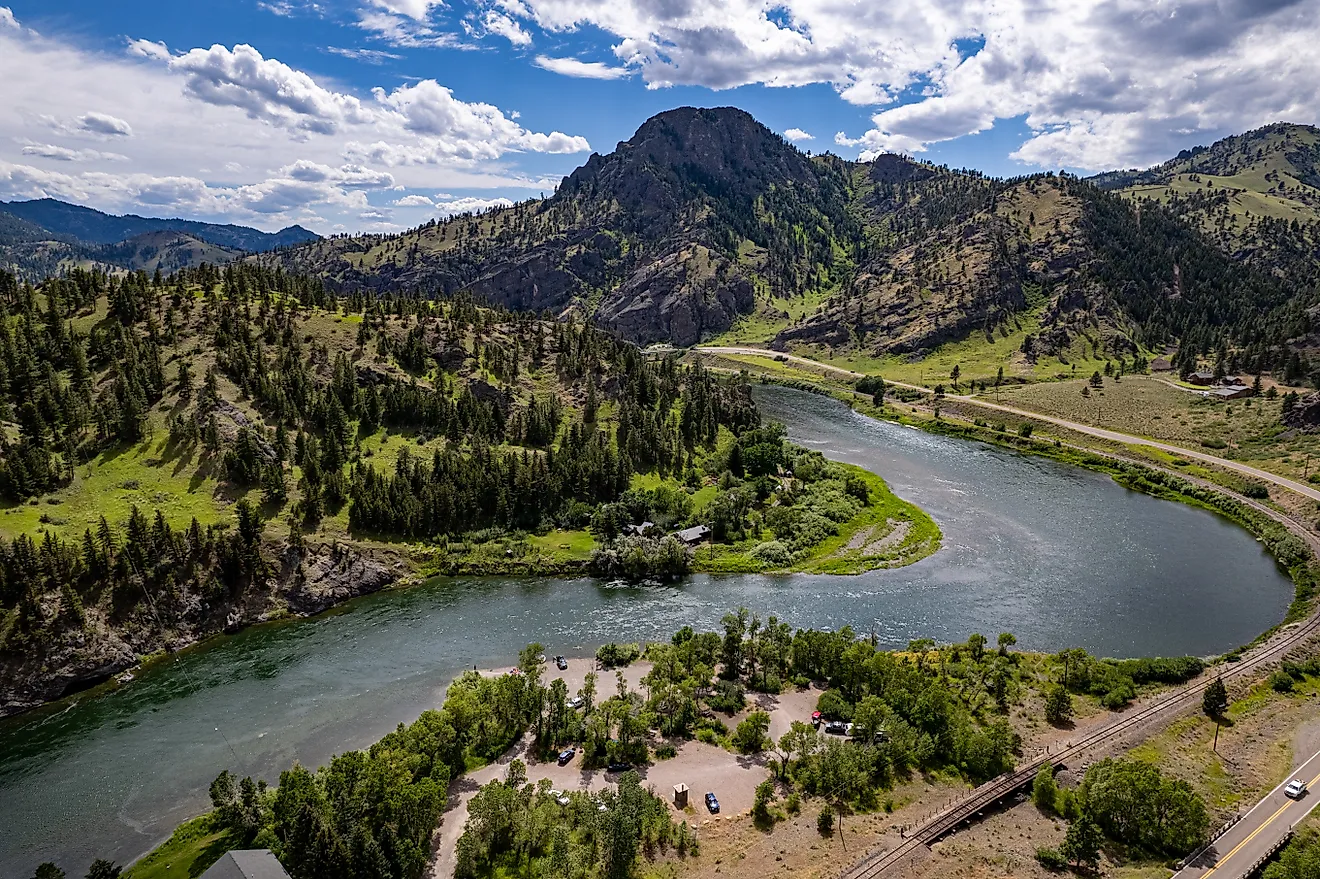
Because of its beautiful landscape, the Niobrara River, which flows through the north-central region of the state, has been named a National Scenic River. It flows through a variety of habitats, from wide sandy plains to cool, forested river corridors.

This variety of habitats supports a robust snake population, particularly in wetland areas and slower-moving places. Nearby rocky bluffs and forest edges also provide cover for milk snakes, which feed on small rodents and other reptiles. These snakes consume the abundant food that may be found in nearby prairie ecosystems and along the water's edge.
Missouri River
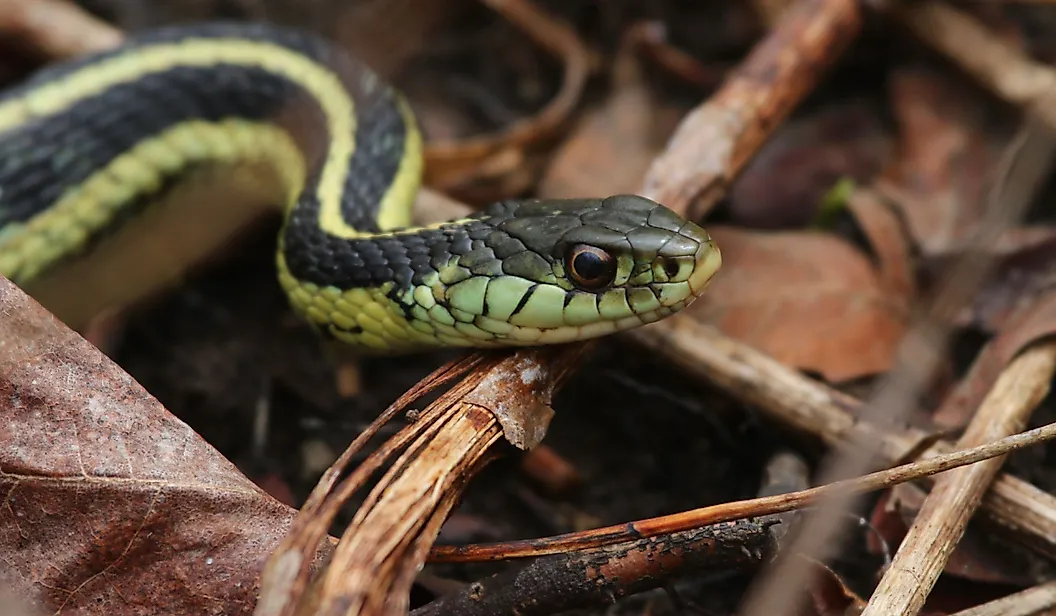
With its vast channels, fluctuating sandbars, backwaters, oxbow lakes, and riparian forests studded with cottonwood, the Missouri River marks Nebraska's northern boundary and is an important wildlife corridor. Plains garter snakes are common along backwaters and side channels, hunting small amphibians and fish near the shoreline.

In vegetated floodplain forests and nearby savannas, prairie kingsnakes and western fox snakes are often found searching for rodents and bird eggs.
Moving away from the water, the nearby uplands support additional species such as common garter snakes, as well as other non-venomous snakes, including bullsnakes and smaller colubrids that are well adapted to the region’s river-valley environments.
Platte River

The Platte River system, which comprises the North and South Platte Rivers, flows eastward across Nebraska before joining the Missouri River, forming one of the state's most recognizable landscapes with its wide, shallow channels, sandbars, and enormous wetlands. Because the Platte River corridor contains a range of marshes, grasslands, and woodlands over the greater river valley, it is a fertile and diverse snake habitat.

Common garter snakes and other non-venomous species graze for frogs, small fish, and invertebrates near the water's edge. On wet prairie edges and seepage areas, there is the possibility of encountering red bellied snakes as well.
In the state of Nebraska, it is easy to identify about 29 different snake species, the majority of which are luckily non-venomous and are, without a doubt, important within each habitat. While highland snakes usually use adjacent water borders for foraging rather than dwelling directly in open water, aquatic and semi-aquatic species are most frequently found in rivers, lakes, and wetlands.
Even the state’s venomous species are generally limited to specific prairie and bluff habitats and tend to avoid water and human activity alike. When taken as a whole, Nebraska's snakes are widespread yet usually unnoticeable; they prefer to remain in their natural habitats and run away when disturbed.