The Most Snake Infested Lakes in New Jersey
New Jersey’s snake-heavy lakes have one thing in common: lots of shoreline “edge.” Where shallow water meets reeds, rocks, and low branches, snakes find warmth, cover, and easy meals.
Because snakes rely on outside heat, a sunlit log or stone bank can be as important as the water itself. Early in the day, they often warm up near the shore before hunting. In spring, frogs and salamanders draw snakes into the shallows. In summer, small fish keep them close to coves and weeds. Reservoirs can boost snake activity too, since protected woods and wetlands wrap around the water like a natural shelter belt. Learn to spot these edges, and the busiest snake zones start to make sense.
Lake Hopatcong

Lake Hopatcong is prime snake country because it gives them everything they need: warm shoreline spots, thick cover, and steady food. Northern water snakes are the ones most people notice first. They slide through the shallows, bask on rocks, and hunt fish close to shore, sometimes growing to around four feet long. In the grassier areas, eastern garter snakes show up with their clean light stripes and quick movements. They eat almost anything small enough to catch, from frogs and toads to insects and tiny fish. Most sightings here are brief—these snakes would rather escape into the weeds than stand their ground.
Manasquan Reservoir

Manasquan Reservoir is home to smaller, easy-to-miss snakes that stay close to damp soil and leaf litter. The northern brown snake is harmless and often seen in tan or gray-brown shades with lighter stripes down its back. It spends most of its time hunting soft, slow prey like slugs and earthworms. Another common find is the eastern worm snake, a tiny, secretive species with a dark back and a pinkish belly that looks almost like a moving earthworm. When bothered, it may give off a strong musky smell, but it isn’t dangerous and rarely bites.
Round Valley Reservoir

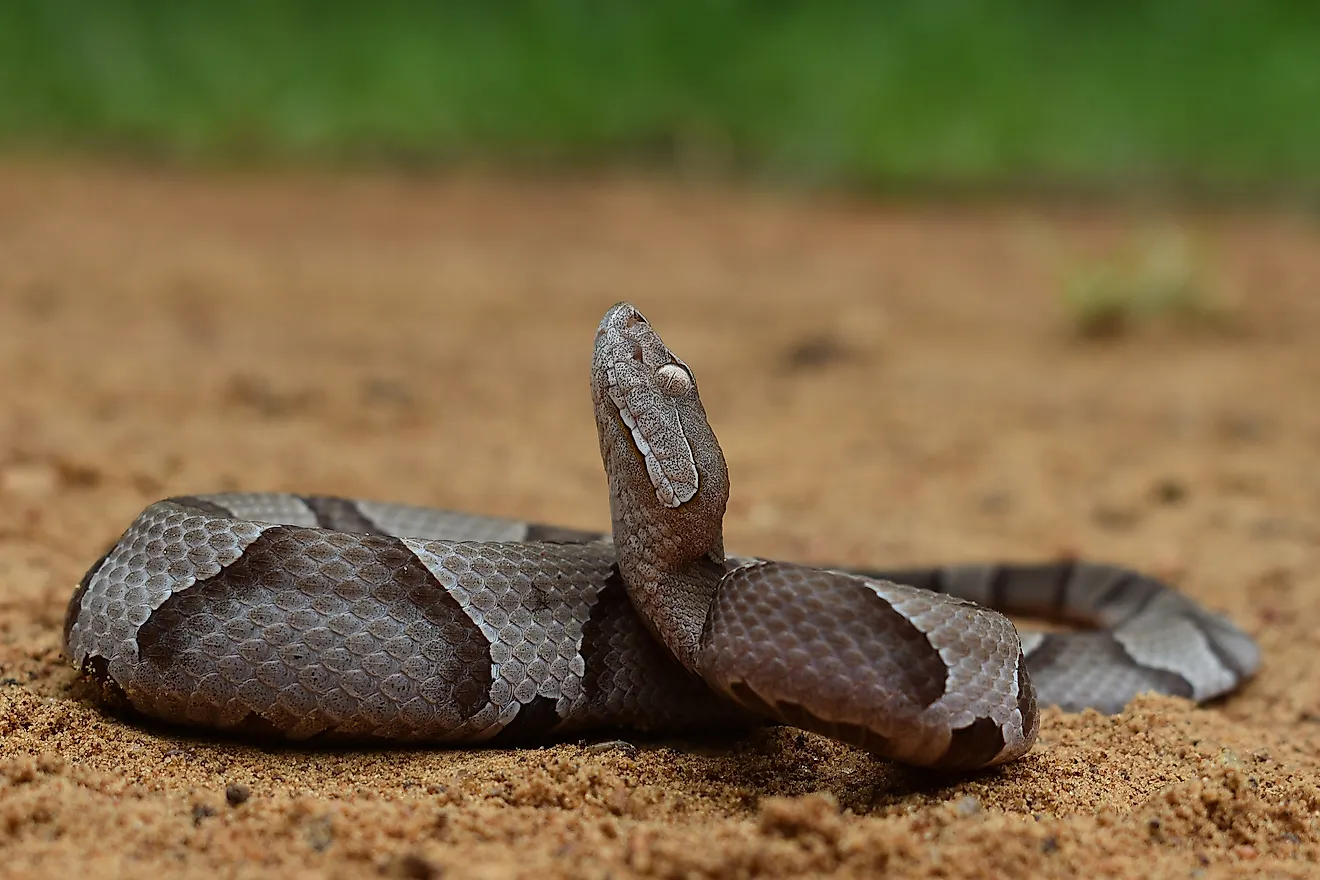
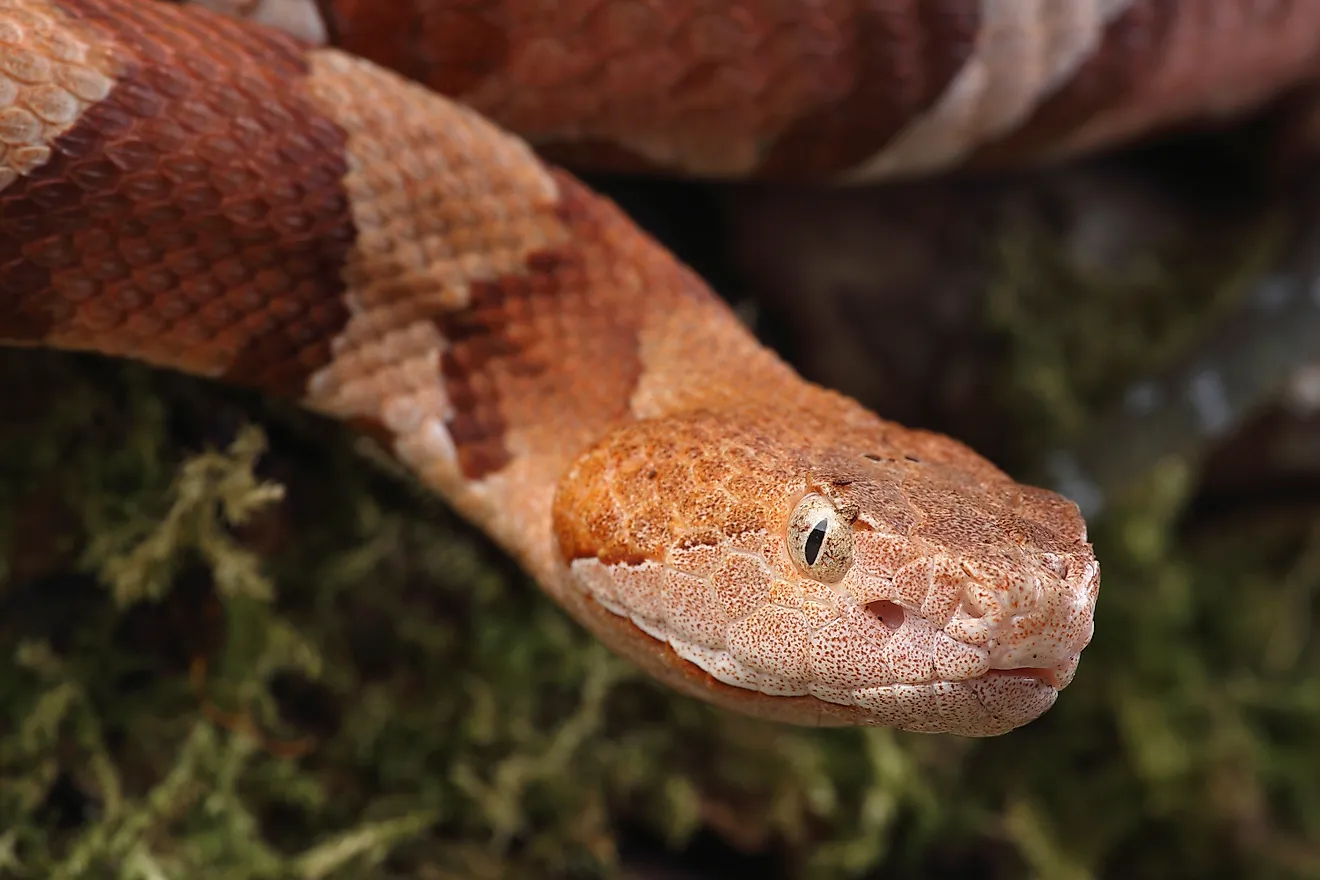
Round Valley Reservoir has both quick, harmless snakes and one you should take seriously. Eastern ribbon snakes are slim, fast, and marked with yellow stripes, usually staying close to the water’s edge. They hunt during the day, snapping up frogs, salamanders, and small fish, and they disappear fast when approached. Copperheads are the main concern here. These venomous pit vipers are thicker-bodied with a coppery head and dark, hourglass-like bands. They’re more active at night and rely on camouflage, so they can be hard to spot. If you see one, give it plenty of space and move away calmly.
Atsion Lake

Located in Wharton State Forest, Atsion Lake is one of many and home to a diverse ecosystem. Enjoy scenic hiking trails, canoeing or kayaking, exploring historic Batsto Village, swimming and picnicking, fishing, and camping. While enjoying Atsion Lake, be on the lookout for their snake species, including the northern water snake and timber rattlesnake.
A prevalent species, the northern water snake thrives in the forest’s abundant water sources. You might find these majestic creatures basking on rocks or hunting fish and amphibians. You can recognize them by their gray, tan, buff, or brown bodies and dark bands. These non-venomous snakes are often confused for cottonmouths or copperheads.
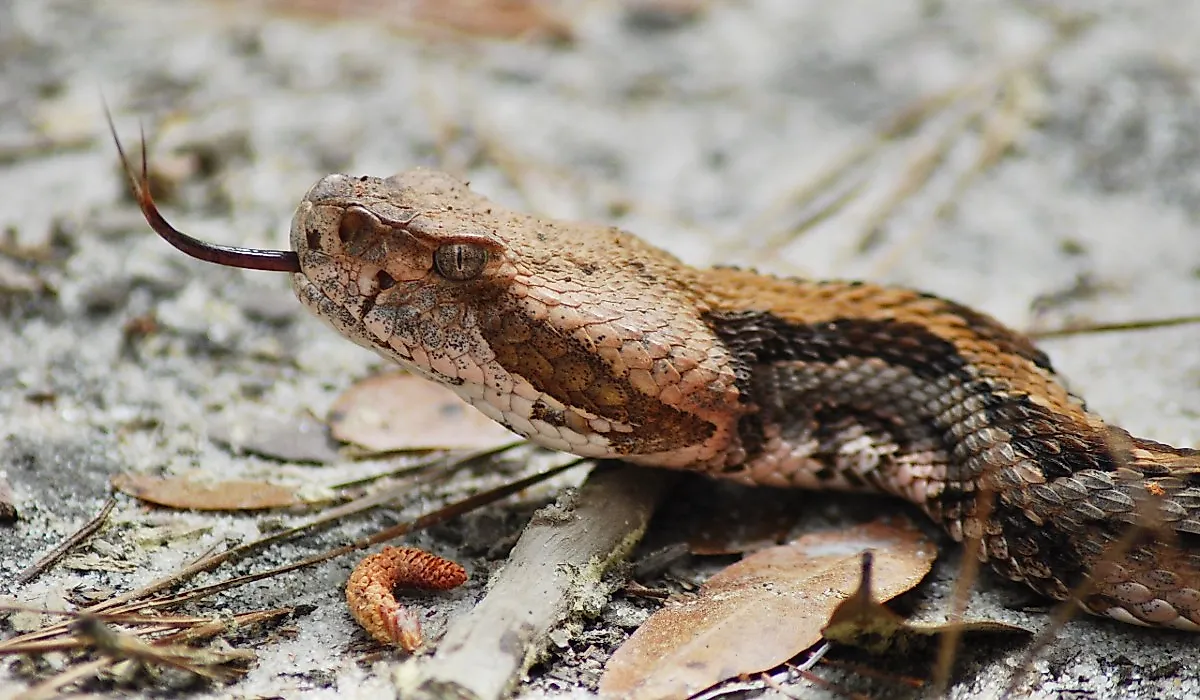
Timber rattlesnakes are large vipers with varying coloration. They are gray and have stripes down their backs with occasional pink hues. Their stripes can be orange, yellow, brown, black, or pink. These snakes are ambush predators, eating small rodents, birds, lizards, and amphibians. Though sightings are rare, you may spot timber rattlesnakes high in the trees, or hear the iconic rattle of their tale.
If you see these snakes while enjoying Wharton State Forests’ rivers or lakes, give them space and view from afar as they are venomous. If you encounter a rattlesnake, or hear its rattling, slowly back away. This is a warning sign that they feel threatened and may strike. Seek medical attention if bitten.
Assunpink Lake

Consisting of 6,393 acres of fields, hedgerows, woods, and wetlands, this lake is one of three located in Assunpink Wildlife Management. Try hunting, fishing, horseback riding, or bird watching here. With a diverse ecosystem, the Assunpink Wildlife Management Area hosts a variety of wildlife, providing good habitats for snakes.
You might see an eastern hog-nosed snake, recognizable by its black or dark-brown splotches and gray, tan, pink, yellow, orange, or red bodies. These snakes enjoy sandy soils, so you might find them near the lake or river. Hog-nosed snakes eat frogs, salamanders, small mammals, birds, and lizards. While mildly venomous, these snakes are typically non-aggressive, with bites being rare.
Another snake you may see is the smooth green snake. These small, bright green snakes are adept at camouflage and can be found in grassy areas. Non-venomous, this snake’s diet consists of caterpillars, crickets, moth larvae, spiders, small insects, slugs, grasshoppers, ants, snails, and worms.
Great Swamp National Wildlife Refuge

While not a lake, this large wetland area in Morris County is known for its 12-square-mile natural oasis. The 8,000-acre refuge provides outstanding recreational activities to visitors while protecting vital habitat for wildlife. Known for its diverse wildlife, it is a migrating area for waterfowl and a paradise for snakes.
The eastern milk snake, known for its vibrant, blotchy patterns and reddish color, can be found here. These non-venomous snakes are sometimes confused with copperheads but are completely harmless. These snake feast on small mammals such as mice, shrews, and voles, but will eat birds, reptiles, and slugs.
The black rat snake is another familiar site in these wetlands. The largest snake species in New Jersey, black rat snakes, can grow up to 7 feet long. They are excellent climbers and can be found in trees or near bodies of water. Their diet consists of rodents, frogs, lizards, birds, and eggs.
While enjoying your time in one of New Jersey’s many bodies of water, you may encounter a snake. If you bump into one of these majestic creatures keep a few tips in mind to stay safe and minimize bites. Snakes are mostly solitary and shy and will avoid human contact. Never attempt to handle a wild snake. Instead, give it space.
When traversing snake-populated areas, wear appropriate clothing, sturdy boots, and long pants to avoid accidental bites. Most importantly, always stay on the marked trail. Sticking to well-trodden paths reduces the likelihood of a surprise encounter with a snake. By appreciating these fascinating creatures from a safe distance, you can enjoy New Jersey's natural beauty while respecting the local wildlife.