5 Snake-Filled Waters In Florida
Never really having to worry about freezing over each year, Florida’s waters remain warm enough to support snake activity year-round, a rarity in most of the United States. The state is home to more than 40 native snake species, many of which rely on shallow lakes, slow-moving rivers, and floodplain wetlands for hunting, breeding, and dispersal. From winding rivers to expansive marsh-fed lakes, these aquatic habitats provide ideal conditions thanks to warm water temperatures, dense vegetation, abundant prey, and seasonal flooding, creating hotspots where snakes thrive throughout all four seasons.
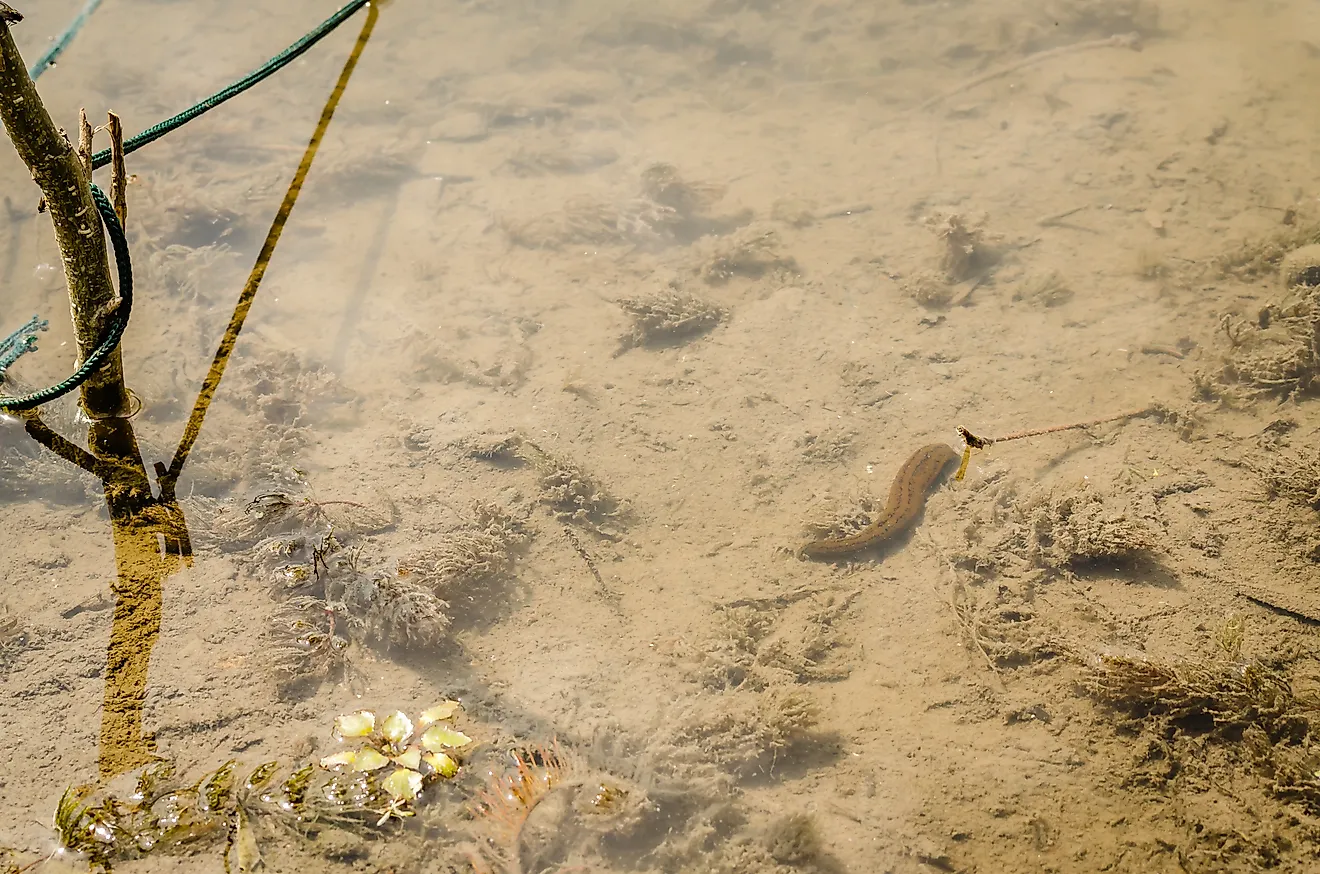
Whether gliding through marshes, sunning on logs, or weaving among lily pads, Florida's snakes play a critical role in maintaining the balance of its vast freshwater ecosystems. Knowing that, the information below will help you better understand which waterways host the highest concentrations of snakes, why those areas support them so well, and how to stay aware while exploring these environments safely.
Lake Okeechobee

Lake Okeechobee is usually considered to be Florida’s most snake-heavy lake due to its size, shallow depth, and extensive shoreline. Covering roughly 730 square miles, the lake averages only nine feet in depth, allowing sunlight to fuel the dense growth of reeds, hydrilla, and cattails, making them perfect hideaways for aquatic fauna of all kinds.
These features create ideal conditions for Florida green water snakes (Nerodia floridana), cottonmouths (Agkistrodon conanti), and banded water snakes (Nerodia fasciata), all of which prey on fish, frogs, and small mammals along the marshy margins of the lake. Moreover, the adjacent Herbert Hoover Dike traps warm, slow-moving currents around the southern perimeter, further enhancing habitat stability, while also providing numerous advantageous viewpoints for people.

During periods of high water, local snakes commonly spread into flooded grasslands. When levels drop, they concentrate in canals and rim marshes, making encounters more frequent depending on whether you're on land or a boat. The lake also connects to multiple waterways, allowing snake populations to disperse and rebound quickly in response to seasonal changes throughout the year.
The Everglades

Although it's more of a collection of water bodies rather than a single system, the waters of Everglades National Park represent the most snake-dense aquatic environment in the state, hosting nearly 30 different species of snakes. Its interconnected creeks, rivers, and swamps, often filled with wild grasses, cover more than 1.5 million acres and rarely exceed a few feet in depth, creating ideal conditions for semi-aquatic snakes in particular.

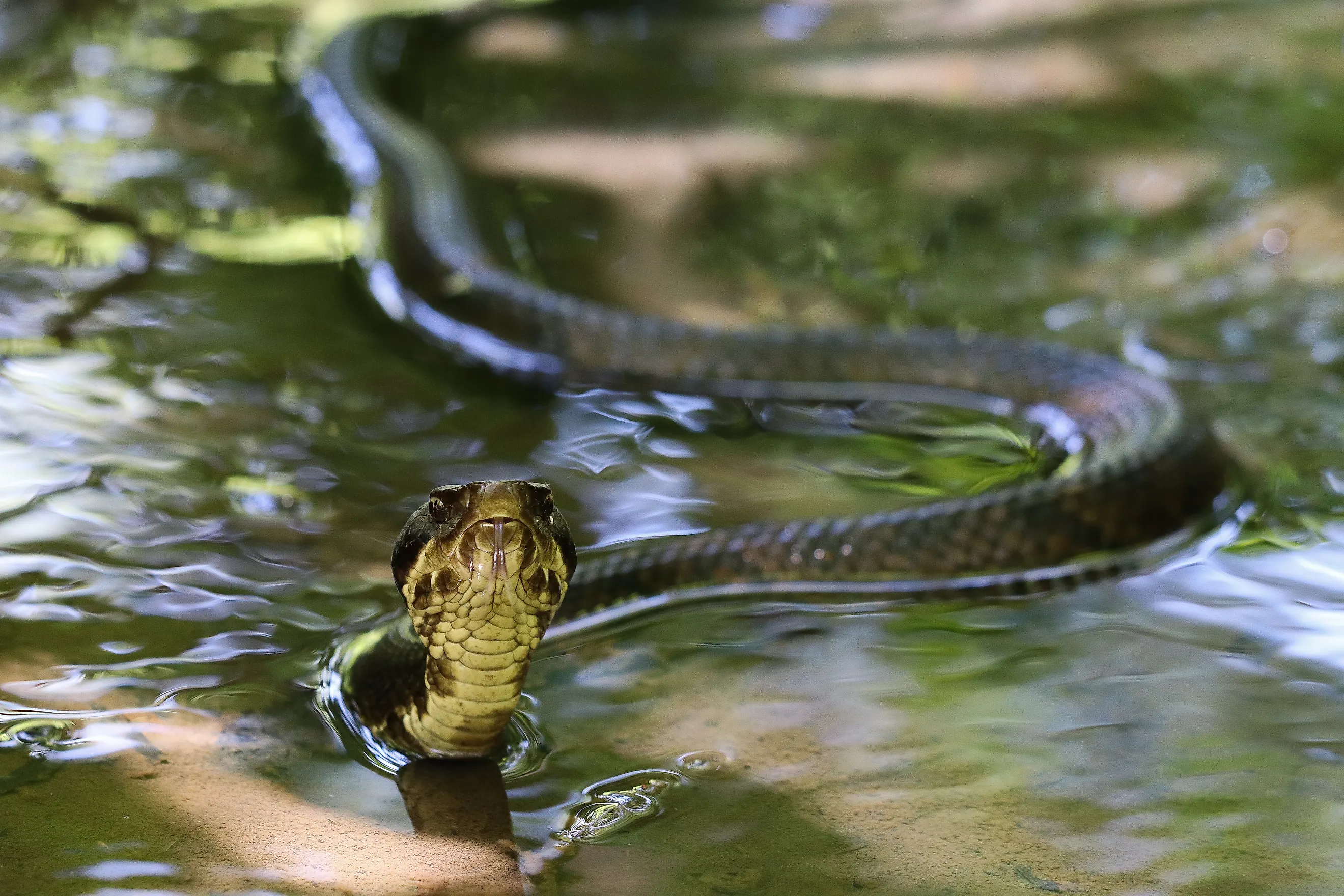
Cottonmouths are the most frequently encountered species here, often seen swimming in canals or basking along banks. On the other hand, banded water snakes and green water snakes thrive in the marshes, sloughs, and mangrove estuaries, where warm temperatures, abundant fish, amphibians, and other food sources support high and lively populations throughout the year. Unfortunately, the Everglades also suffers from its fair share of invasive species, notably the Burmese python (Python bivittatus), which has been devastating the endemic fauna for decades.
Note that, like Lake Okeechobee, seasonal water level changes often concentrate wildlife into smaller channels, making snake encounters especially common during the dry season for anyone traveling by boat.
St. Johns River

The St. Johns River stretches 310 miles through eastern Florida, making it the state’s longest river. With Florida's lack of elevation changes, it is also one of the slowest-moving major rivers in the United States, having an average gradient of just about an inch per mile. The St. Johns' width also varies widely, from a few hundred feet to over three miles at points, creating extensive shallow areas that rarely exceed 10 feet deep. Like many of Florida's shallow lakes, these conditions allow sunlight to penetrate easily, supporting lots of aquatic vegetation that freshwater-dwelling creatures love.
With that in mind, the usual mix of cottonmouths, green water snakes, and banded water snakes thrives here, using submerged logs and lily pads for hunting. Furthermore, flooding in spring and summer spreads the river across adjoining wetlands, concentrating prey species such as fish, frogs, and small mammals, which in turn makes it ever easier for local snakes to feed and multiply.
Lake Kissimmee

Lake Kissimmee, in the heart of central Florida just south of Orlando, certainly meets the definition of shallow, with an average depth of just 5 feet and a maximum depth of 12 feet. Its irregular shoreline, dotted with marshes, sloughs, and islands, further creates perfect habitats for black racer snakes (Coluber constrictor priapus), cottonmouths, corn snakes (Pantherophis guttatus), and Florida green water snakes (Nerodia floridana), species that share the water with the flocks of bass fishermen who frequent the area as well. Visitors boating also frequently encounter snakes along submerged logs, so be careful while navigating.
The lake connects to the Kissimmee River system, allowing snakes to disperse easily throughout the area. Interestingly, seasonal rainfall can sometimes raise the lake level by several feet, flooding surrounding grasslands too, and potentially leading these slithery reptiles onto walking paths and other recreational areas.
Choctawhatchee River

The Choctawhatchee River meanders 141 miles from the Florida Panhandle to Choctawhatchee Bay and ultimately to the Gulf of Mexico (Gulf of America), draining an area of over 3,480 square miles. Its lazier sections, often forming oxbow lakes and shallow backwaters, create ideal living spaces for snakes and other predatory semi-aquatic animals.
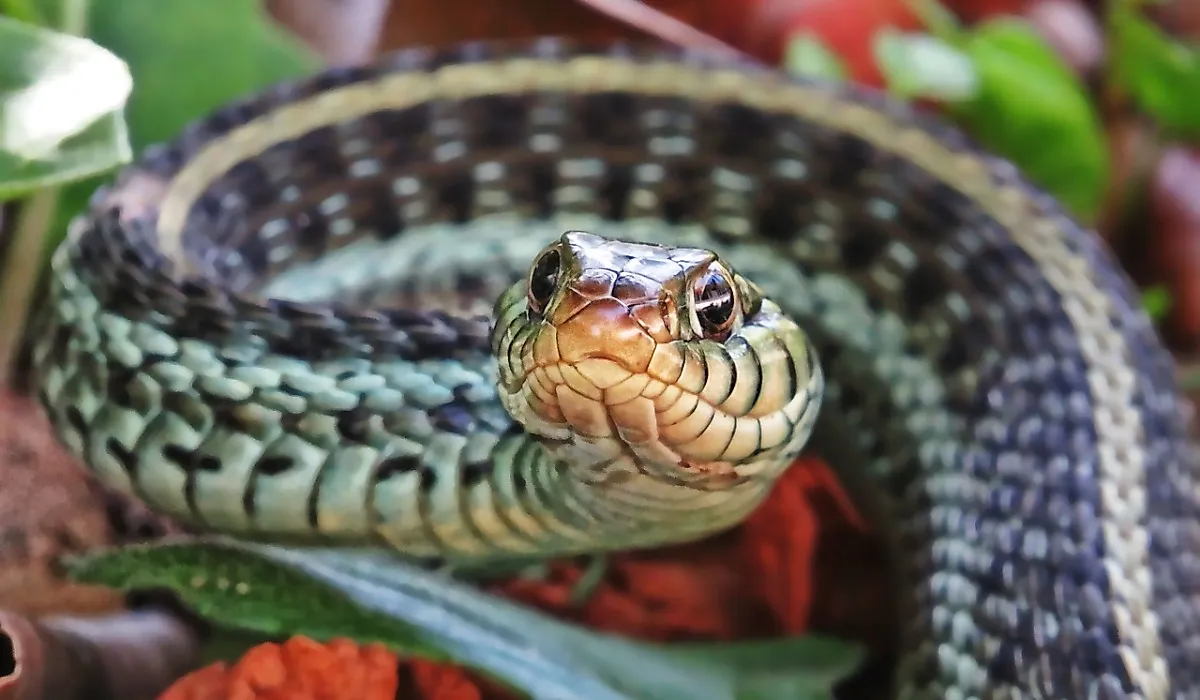
Densely vegetated banks, filled with cypress and tupelo trees, as well as floating aquatic plants, provide cover for species such as banded water snakes (Nerodia fasciata), mud snakes (Farancia abacura), cottonmouths, garter snakes (Thamnophis species), and various rattlesnakes. Furthermore, regular heavy rainfall and hurricane-driven flooding sometimes expand the river into surrounding floodplains, which, as with many of the other bodies of water on this list, help expand the territory of these species into neighboring channels and flooded woodlands.
Definitely keep this in mind while exploring the Choctawhatchee and Holmes Creek Water Management Area, as snakes can be waiting around every corner, not just on the river's usual course.
Will You See Snakes In These Major Waterbodies?
The answer is: probably yes. However, having a better understanding of where and when to go, whether to avoid or expect encounters, will help you navigate these watery environments more responsibly, ensuring your health and the well-being of the ecosystems that support these cold-blooded reptiles. Wherever you decide to find adventure next, always watch your step, and remember that many of the species mentioned above will bite if under threat.