5 Most Snake-Filled Bodies Of Water In Ohio
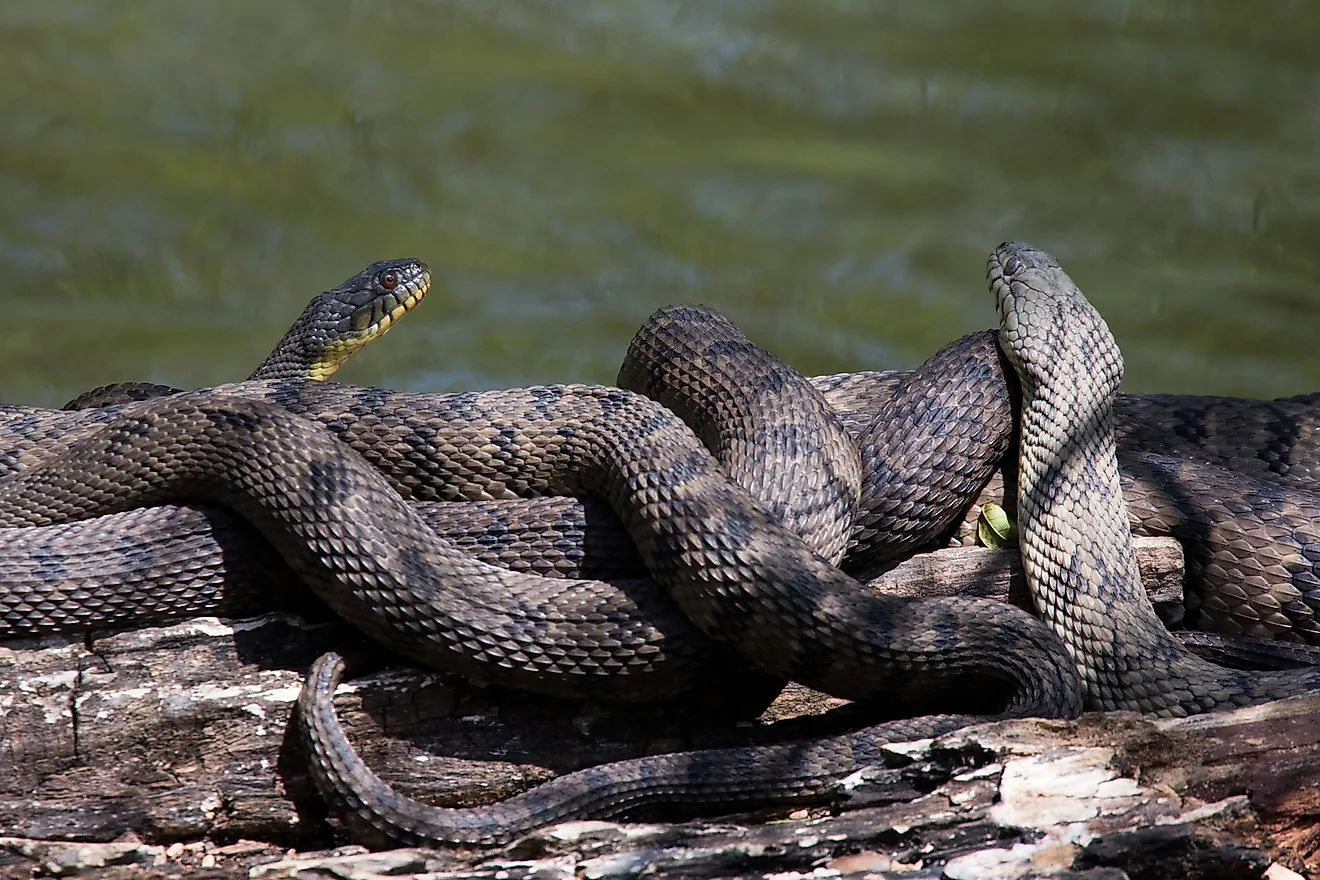
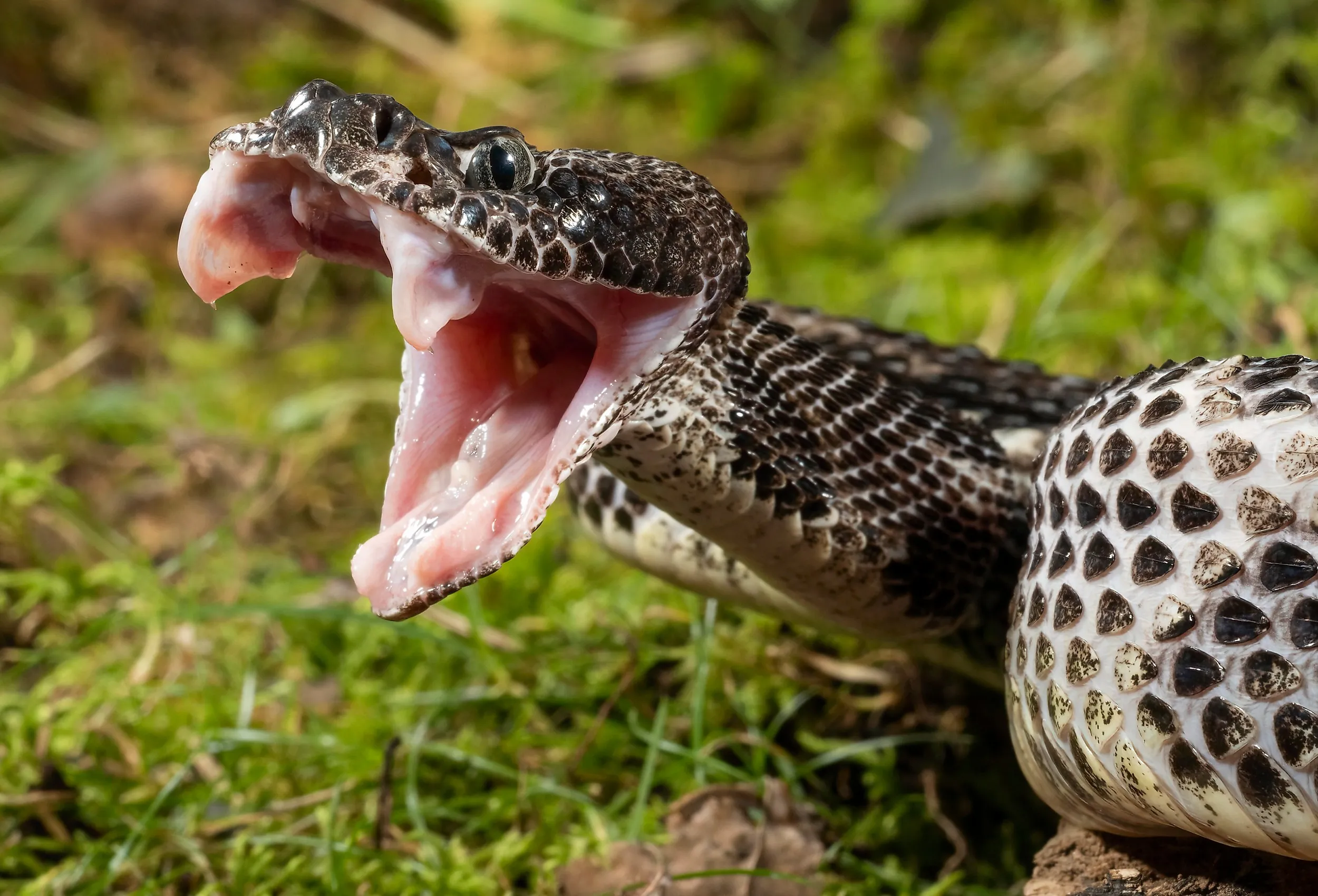
Ohio's lakes, rivers, and marsh systems host a surprisingly wide range of snake species despite the state's northern location. Wetlands and fish-rich shoreline habitats provide ideal conditions for basking and hunting. Northern watersnakes turn up most often in waters like Lake Erie and the Ohio River. Some waterways also support queen snakes, eastern foxsnakes, and massasauga rattlesnakes nearby. The five locales below rank among the Midwest's most active reptile environments.
Lake Erie

By far the largest body of water on this list, Lake Erie contains some of the most snake-filled shoreline habitat in Ohio, particularly along the western basin near marshes, harbors, and island chains. Unlike many inland lakes and rivers in the state, Lake Erie combines its massive size with dense wetland ecosystems, allowing multiple snake species to thrive across a broad stretch of Ohio's northern border.

The lake boasts large populations of watersnakes within its reaches in Ohio, including the federally recovered Lake Erie watersnake, a nonvenomous subspecies found primarily on the offshore islands. During the summer and warmer days of spring and fall, these snakes are frequently seen swimming, basking, and foraging along shoreline structures and rocky habitats. Fish-filled shallows, wetlands, and breakwalls create even more ideal feeding conditions. Erie's extensive coastal marsh system also supports eastern garter snakes, eastern foxsnakes, and occasional massasauga rattlesnakes in protected wetland habitat nearby, while areas near South Bass Island, Kelleys Island, and the Ottawa National Wildlife Refuge consistently report high snake activity in general.
Ohio River

The lengthy Ohio River, at over 980 miles, supports another one of the widest concentrations of aquatic snake species in the state, especially along its slower backwaters, wooded banks, and floodplain wetlands in the southern portion of the state. Northern watersnakes, as in many neighboring states, are common here and are regularly spotted swimming near boat ramps, driftwood piles, and popular fishing holes. The river's warm summer temperatures and steady supply of amphibians and fish create attractive conditions for snakes.

In sections near Shawnee State Forest and the river islands bordering eastern and southern Ohio, eastern rat snakes and queen snakes are also frequently observed close to the water. Queen snakes are particularly tied to rocky shorelines and shallow current areas where crayfish populations are high. When it comes to venomous species, timber rattlesnakes inhabit nearby forested hills in portions of the Ohio River valley, though they are usually found some distance away from busy shoreline areas. The combination of wetlands, tributaries, meadows, and forests close by easily makes the Ohio River among Ohio's richest snake habitats.
Grand Lake

The 13,500-acre Grand Lake is skirted on its eastern half by Grand Lake St. Marys State Park. It features extensive shallows, sections of heavily wooded shoreline, and plenty of adjacent marshy habitat, each of which supports large numbers of snakes during the warmer months. Northern watersnakes are the species most frequently encountered around the lake, especially near docks, riprap edges, fishing piers, and weed beds, where fish and frogs make for abundant food sources. The lake's low depth and warm summer water temperatures create particularly favorable conditions for reptile activity throughout much of the season.

Eastern garter snakes are also common around the shoreline grasses and drainage channels feeding into the lake, whereas in quieter wetland sections, queen snakes may be spotted near rocky edges and creek mouths where crayfish populations are established. Grand Lake St. Marys has long dealt with algae blooms and nutrient-heavy runoff, but the dense aquatic growth and broad marsh habitat still provide strong cover and feeding opportunities for several snake species across this western part of the state.
Mosquito Creek Lake

Mosquito Creek Lake in northeastern Ohio has extensive wetlands, swathes of flooded timber, and various coves that attract multiple kinds of snakes throughout the spring and summer after they emerge from brumation. Compared with smaller inland lakes in Ohio, it supports a broad mix of aquatic and semi-aquatic snake habitats across a much larger shoreline area, one that extends for 42 miles. Heavy seasonal flooding around portions of the reservoir also creates a temporary wet habitat that increases snake movement during wetter periods.

The surrounding Mosquito Creek Wildlife Area adds more large stretches of undisturbed habitat with tall grasses, drainage ditches, and wooded shoreline cover. Here, eastern milk snakes and eastern garter snakes occur near the lake's rock-strewn embankments and grassy access roads, while queen snakes appear in connected creek systems with stable crayfish populations. Northern watersnakes are again common along the lake's fishing areas, causeways, and marsh edges, where they feed on perch, bluegill, frogs, and other small aquatic prey.
Alum Creek Lake

Alum Creek Lake, just north of Columbus, contains a decent blend of reservoir shoreline, flooded woodlands, and creek-fed inlets that support healthy snake populations through the spring and summer. Eastern garter snakes are widespread in the grassy margins and trails near the water. The surrounding Alum Creek State Park adds forested slopes and wetlands that allow other snakes to move between upland and aquatic environments with ease. Like in many spots across Ohio, seasonal water level changes expose new suitable territory along the shoreline, increasing snake visibility usually well into summer across much of the lake's perimeter.

Northern watersnakes are again the most frequently observed species here, often seen along riprap banks, fishing coves, and shallow, vegetation-heavy stretches where fish and amphibians concentrate. Smaller tributary streams feeding into the reservoir provide additional habitat for queen snakes where rocky substrates and crayfish populations are present.
Why Ohio's Snakes Love These Watery Environments
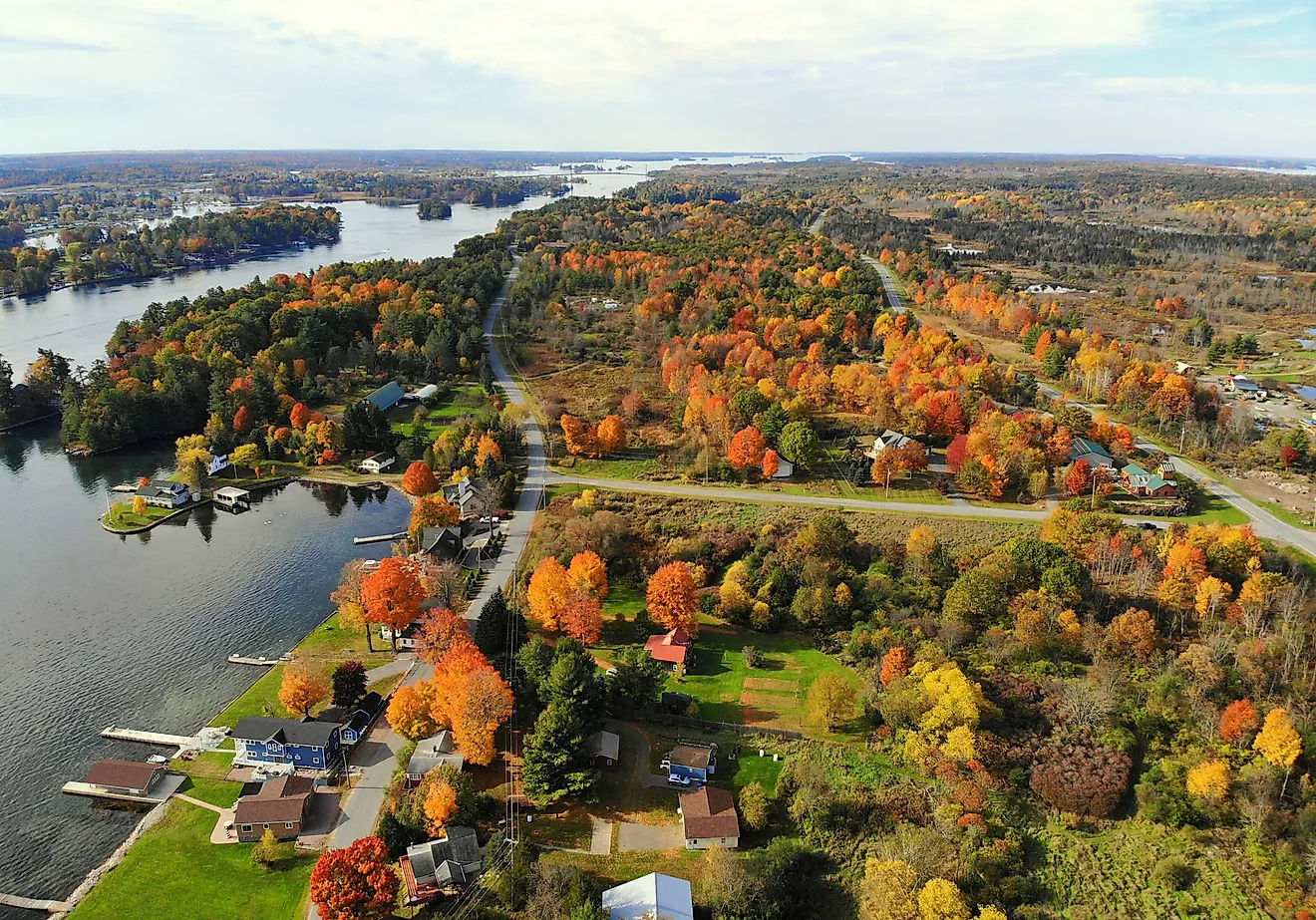
These snake-filled waterways range from massive Great Lakes adjacent marshes to inland reservoirs and slow-moving river backwaters. Seasonally warm waters, abundant prey, and lots of leafy shoreline cover allow several snake species in Ohio to thrive all across the state. While most of these snakes are nonvenomous and avoid people, their frequent visibility around areas that humans frequent, too, like docks, wetlands, and fishing holes, makes these bodies of water some of the Midwest's most active zones for a plethora of hardy reptiles.