How Cold Is The Bottom Of The Ocean?
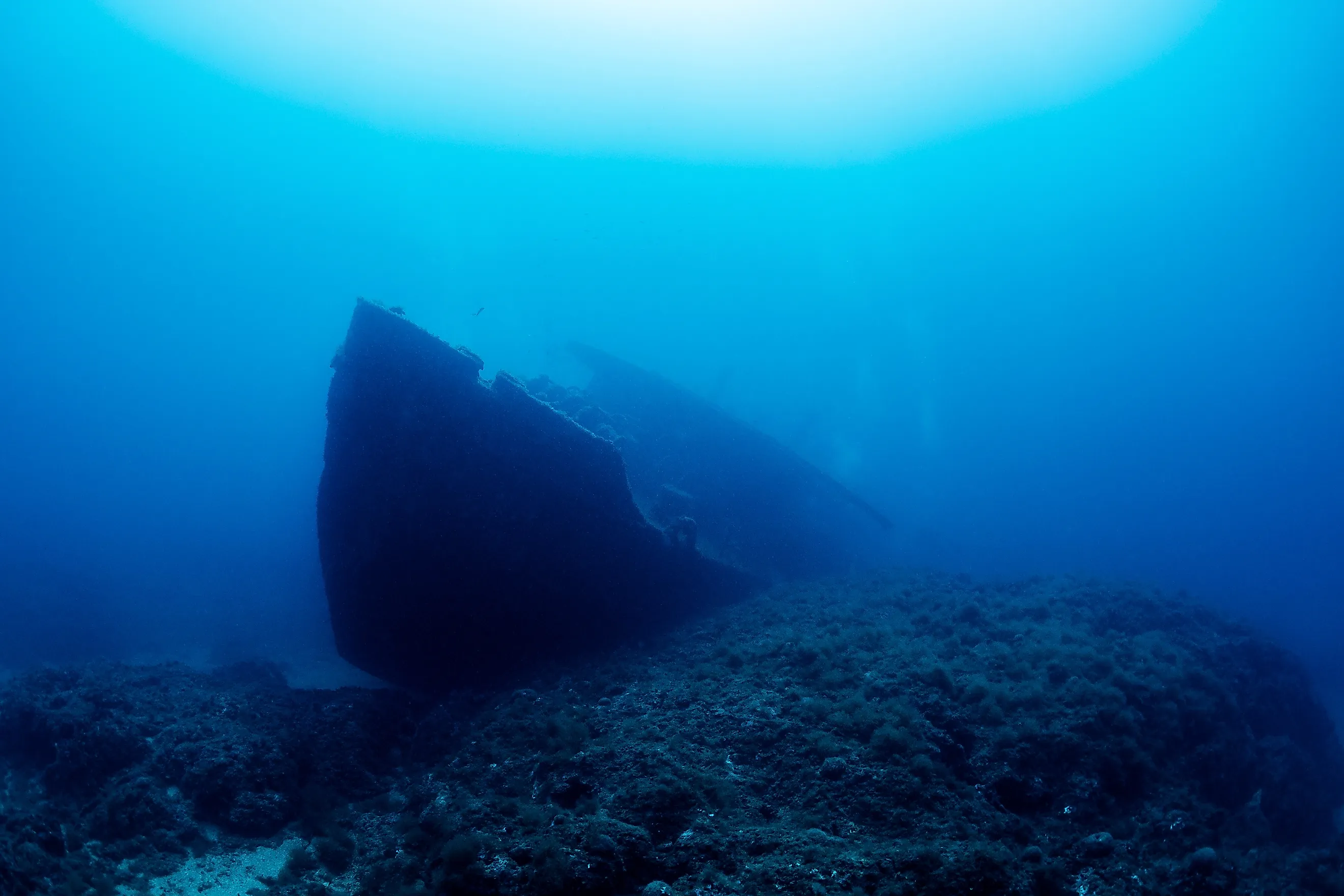
Here is the short version: the bottom of the ocean is cold. Not chilly, not brisk, but a steady, bone-deep cold that sits just a few degrees above freezing almost everywhere on Earth. Most of the deep sea hovers between about 0 and 4 degrees Celsius, which is 32 to 39 Fahrenheit, or roughly the temperature inside your refrigerator. And unlike the weather up top, it barely moves. The seafloor does not get a summer. It has been holding the same near-freezing setting for a very long time, and it could not care less what the beach is doing.
The Short Answer: Colder Than Your Fridge

Across most of the deep ocean, the water sits somewhere around 0 to 4 degrees Celsius (32 to 39 Fahrenheit). Down on the abyssal plains that cover much of the seafloor, it is usually closer to 2 degrees, about 36 Fahrenheit. In a few places it drops below freezing and still refuses to turn to ice. That sounds impossible until you remember the ocean is salty, and salt lowers the freezing point of seawater to roughly minus 1.9 Celsius (about 29 Fahrenheit). So the coldest bottom water near Antarctica can sit below zero and stay perfectly liquid, which is exactly the sort of technicality the deep ocean enjoys.
It's Cold Even Under the Tropics

Here is the part that trips people up. The temperature at the bottom has almost nothing to do with the weather at the surface. You can be floating in bathwater-warm ocean off Hawaii or the Caribbean, and a mile or two straight down, the seafloor is near freezing. The warm water you are swimming in is a thin skin, maybe a few hundred feet thick. Below it the temperature falls off a cliff through a layer called the thermocline, and then it stays cold the rest of the way down. The seabed under a tropical island is about as cold as the seabed off Alaska. The beach is lying to you. If you want a sense of how those layers stack up, the drop is steeper than most people picture.
Why the Bottom Is Always Cold

So why is the deep always freezing, even at the equator? It comes down to where the water was born. Cold water is denser than warm water, and the coldest, saltiest water on the planet forms at the poles, near Antarctica and Greenland. That water sinks like a stone and then creeps slowly across the ocean floor, spreading out along the bottom of every ocean basin. The near-freezing water sitting under the tropics is basically chilled polar water that sank near Antarctica and took centuries to get there. Add in the fact that sunlight never reaches the deep to warm it, and you get a global basement that stays cold on purpose.
The One Place It Isn't Cold: Underwater Volcanoes

There is one wild exception, and it is a good one. Scattered along the seafloor are hydrothermal vents, cracks where seawater meets magma and comes blasting back out superheated. The fluid from a black smoker vent can hit around 400 degrees Celsius (750 Fahrenheit), which is hot enough to melt lead. It does not boil, because the crushing pressure down there will not allow it. The strangest part is the gap. Water hot enough to melt metal sits just a few feet from water cold enough to freeze if the salt let it, and along that knife-edge lives some of the strangest life on the planet, including tube worms, blind shrimp, and bacteria that feed on chemicals instead of sunlight. Step one meter away from the vent and you are right back to a bracing 35 Fahrenheit.
Cold, Dark, and Under Enormous Pressure

Cold is only one of the deep ocean's charms. At the very bottom of the Challenger Deep in the Mariana Trench, nearly 36,000 feet down, the temperature runs about 1 to 4 degrees Celsius (34 to 39 Fahrenheit), which is cold but survivable. The pressure is the real dealbreaker. Down there the water pushes with something like eight tons on every square inch, the rough equivalent of parking dozens of jumbo jets on your shoulders. It is also pitch black, since the last of the sunlight gave out thousands of feet above. Cold, dark, and crushing, all at the same time. The deep ocean is not trying to be welcoming.
So, How Cold Is It Really?
Put simply, the bottom of the ocean is a near-freezing, pitch-black, high-pressure basement that happens to cover most of the surface of the planet. Just above freezing is the honest answer nearly everywhere, a couple of degrees Celsius give or take, whether you are under the Arctic or the equator. The ocean's surface gets all the attention, with its warm currents and sunny beaches. But that is a thin, sunlit lid sitting on top of the largest cold, dark space on Earth, and the lid is a lot thinner than most people think.