5 Most Snake-Filled Bodies Of Water In West Virginia
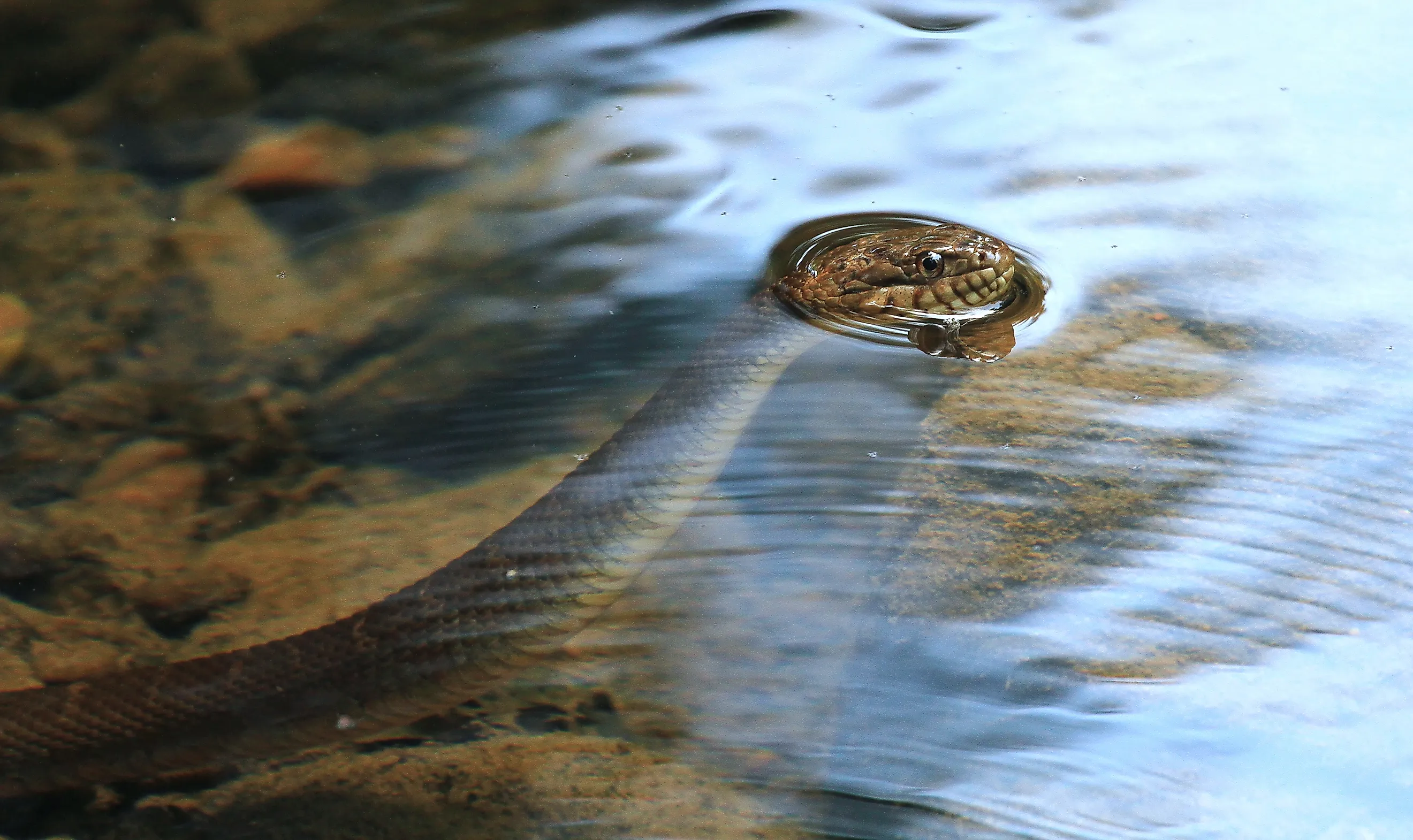
Anglers on Summersville Lake share the water with Northern Watersnakes that hunt bass along the same shoreline. Timber Rattlesnakes sun themselves on the rock ledges above New River Gorge before dropping into the forest to hunt. Garter Snakes work the frog-filled pools around Bluestone Lake on humid summer afternoons. West Virginia holds more than 20 snake species, and only the Timber Rattlesnake and the Northern Copperhead carry venom dangerous to people. Fatalities are extremely rare, and both snakes would rather retreat than strike. Knowing where these snakes live and how to spot them makes a day on the water safer for everyone.
Bluestone Lake

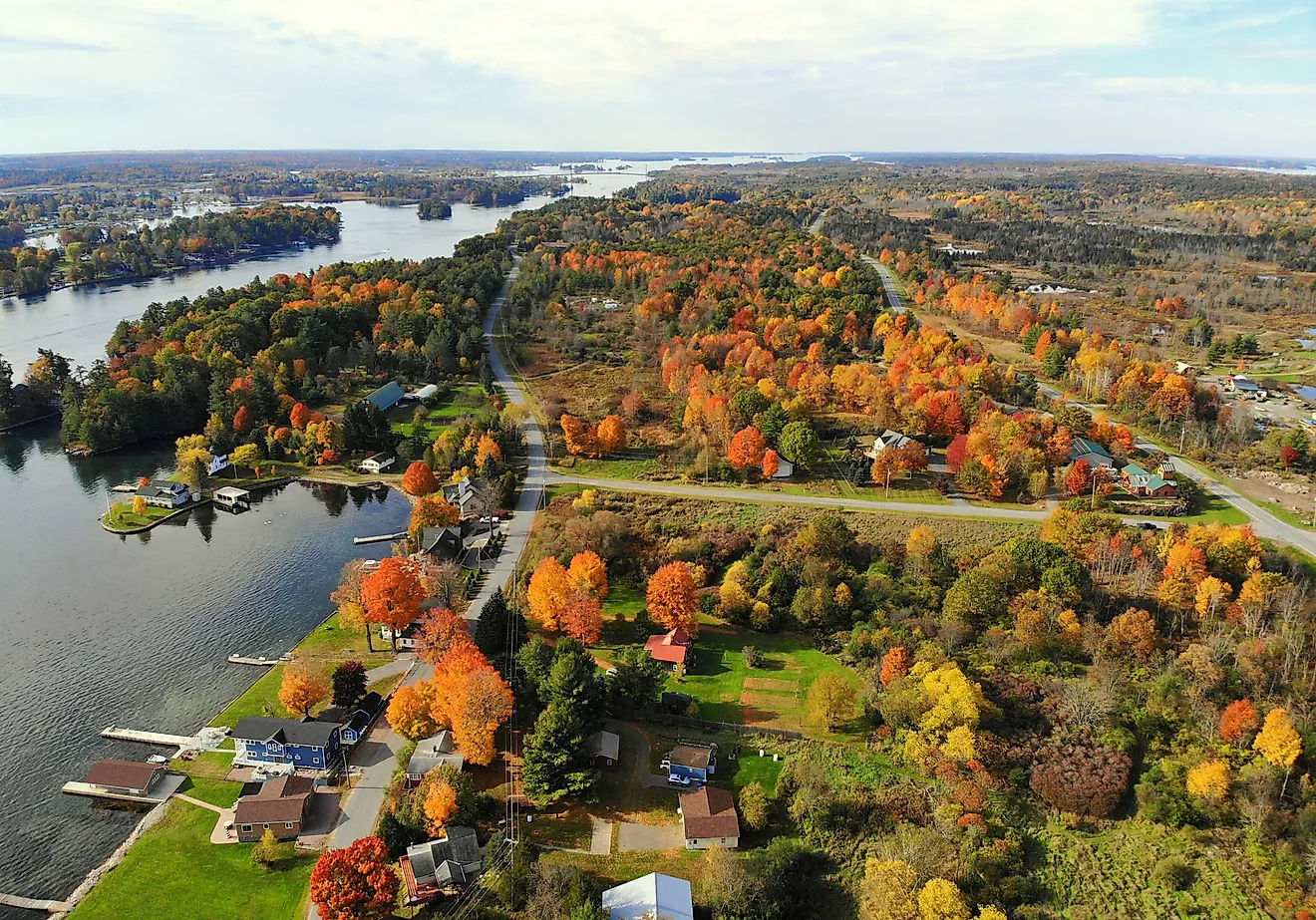
The heart of Bluestone State Park is the third-largest body of water in West Virginia. The dam-created lake is surrounded by forest, which opens up multiple recreation options. Visitors hike the lakeside trails and fish the coves and inlets. Frogs fill the small pools and streams around the lake, and that prey base draws snakes. Garter Snakes are not dangerous to humans, since their mild venom works only on small prey such as amphibians and fish. They are especially active on humid summer days. More snakes live in the wilderness around the lake. This is where hikers occasionally come across the Northern Copperhead and the Timber Rattlesnake, the only venomous snakes in the park.

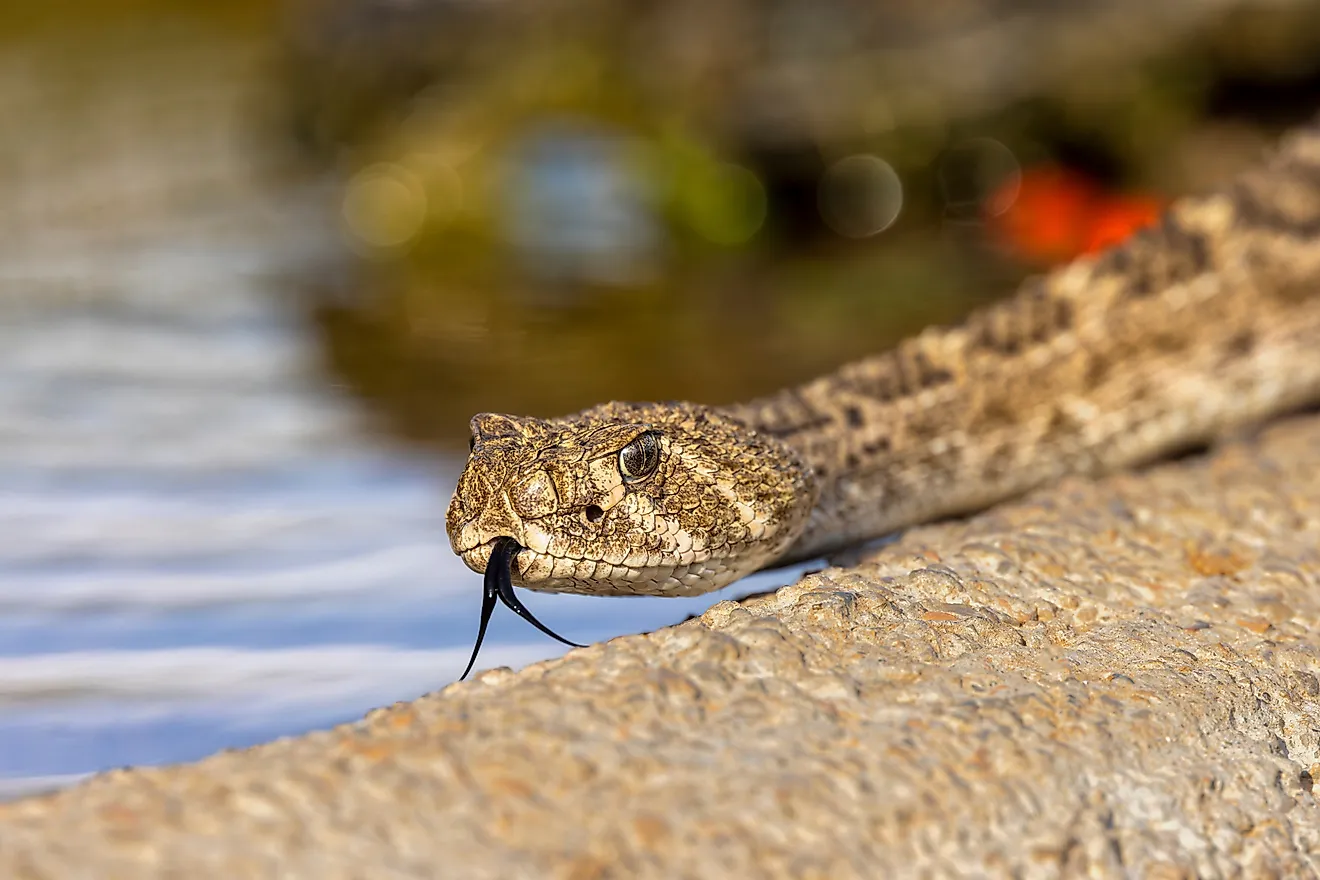
A few traits set these two apart, such as elliptical pupils and the sensory pits near their nostrils, features unique to the state's venomous snakes. Their arrow-shaped heads are another clear signal. However, neither snake is aggressive. As long as they have room to retreat, they rarely strike the anglers and hikers who share the forested shoreline with them. Each is also easy to name once you know the marking; the Northern Copperhead has a copper-colored head, while the Timber Rattlesnake ends in a light-colored rattle.
Summersville Lake

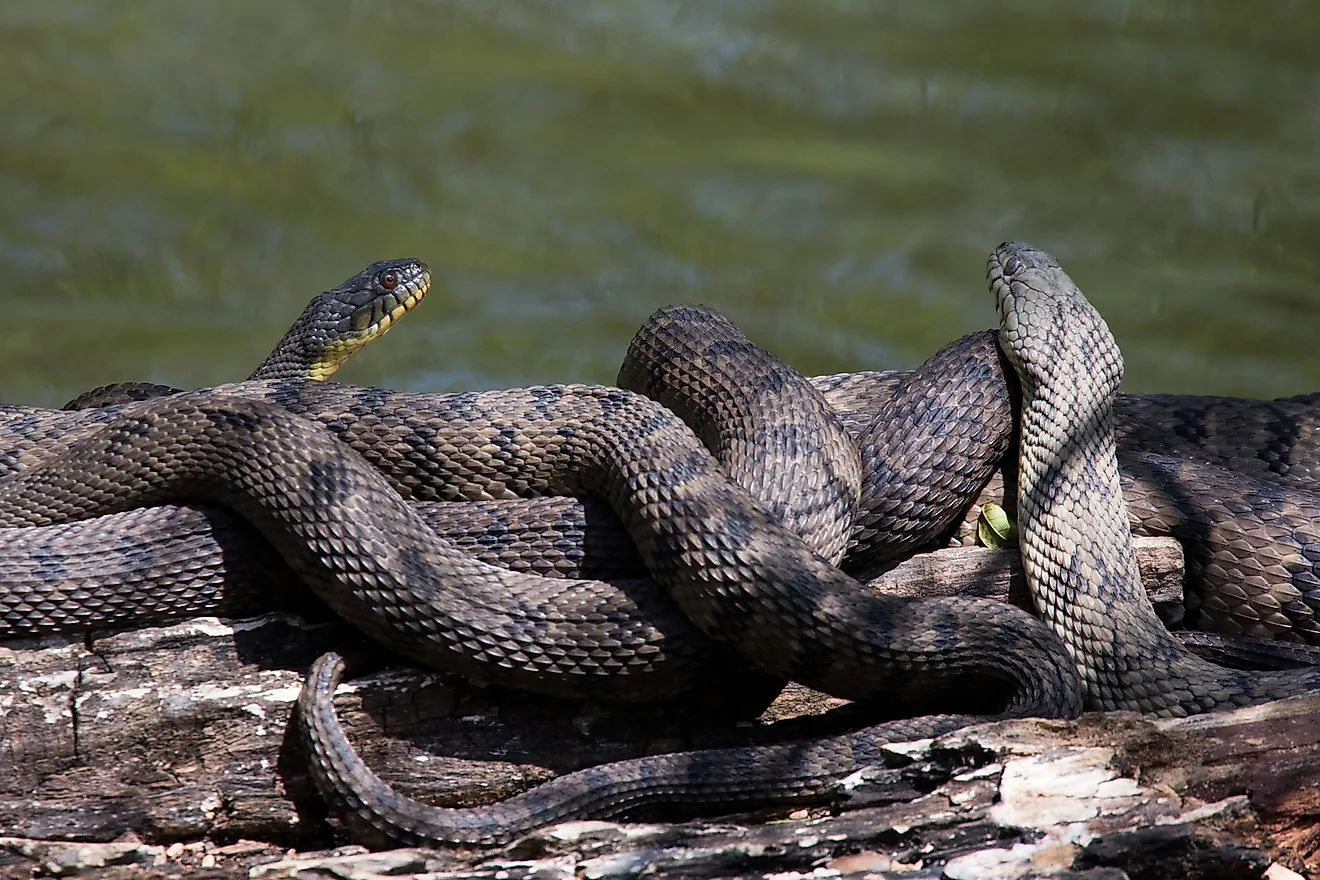
Framed by cliffs, coves, and 60 miles of shoreline, Summersville Lake is the largest in West Virginia and sits behind the second-largest rock-fill dam of its type in the Eastern US. The U.S. Army Corps of Engineers built the dam between 1960 and 1966 to manage flooding in the area. The cliffs draw climbers who scale the rock before jumping into the water below. That same water is home to Northern Watersnakes, which bask on lakeside boulders and cliff ledges after swimming and hunting in the lake.

These snakes are hard to identify, and people often mistake them for the cottonmouth, a venomous relative not found in West Virginia. Copperheads also swim through the water and move along the shoreline here. They are calm by nature, but they will strike if threatened. Only some strikes inject venom, which causes swelling and pain, and human fatalities are extremely rare. These vipers like to rest beneath logs, so use caution when stepping over fallen timber on the lakeside trails.
New River Gorge

New River Gorge follows one of the oldest rivers in the USA, but that isn't the park's only claim. The steel arch bridge over the river was once the longest of its kind in the world. The deck sits 876 feet above the water, and that drop creates microclimates that let snakes move between hot, dry clifftops and cool, damp riversides. Snakes also shelter in the crevices of the steep cliffs. The surrounding forest holds numerous small animals that make ideal prey for hungry vipers.

The Copperhead camouflages almost perfectly against the sandy cliffs, where it seeks shelter and food such as cicadas and small rodents. The Timber Rattlesnake also prefers the dry, rocky ledges of the park over the riverside. It suns itself on ledges such as the Endless Wall area before slithering into the forest to hunt. Black Rat Snakes are a far more common sight, often spotted on trailsides by hikers.
Stonewall Jackson Lake

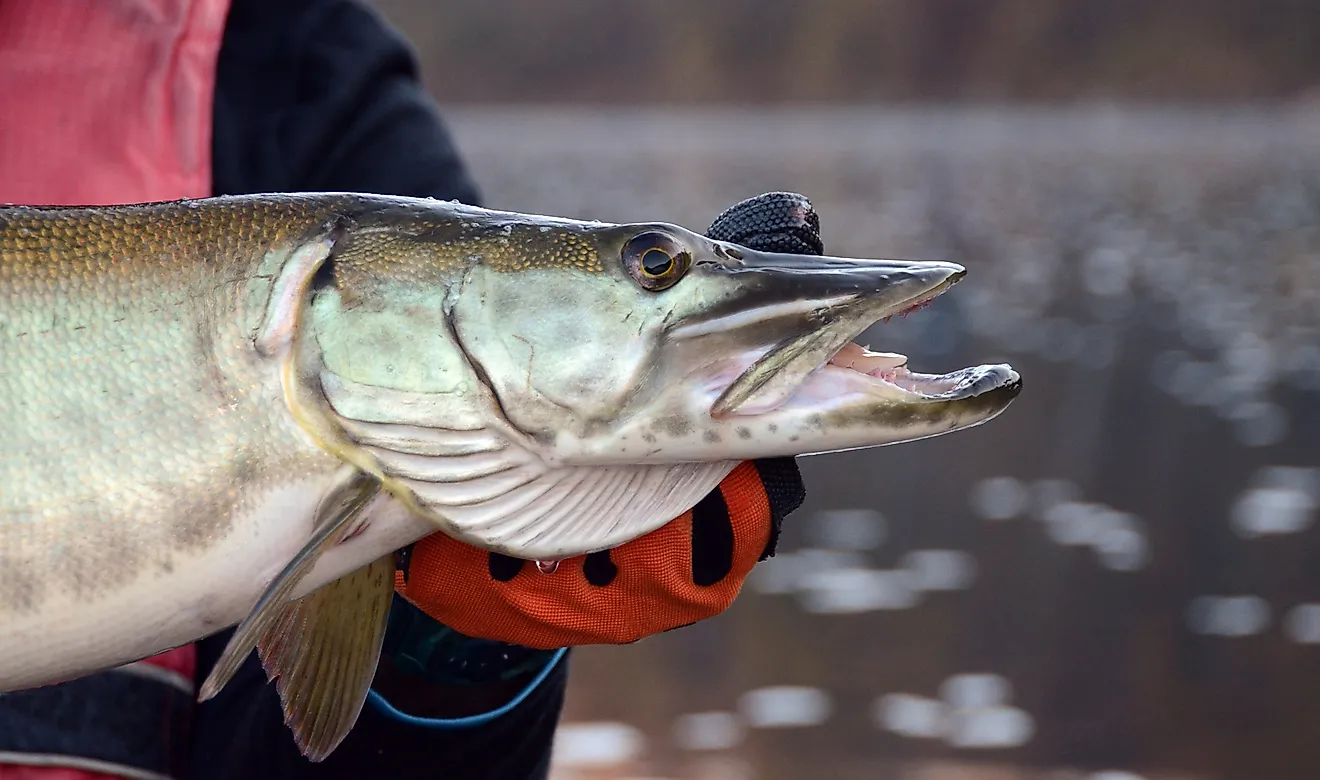
People explore Stonewall Jackson Lake for the rich ecology that comes with such an undeveloped plot of land. Fishing is a favorite pastime here, since the water holds muskellunge and crappie, and the lake ranks among the best bass spots in West Virginia. Those abundant fish populations help aquatic snakes thrive as well.

The Northern Watersnake feeds on the smallmouth bass that fill the lake, along with the frogs and toads around it. The Timber Rattlesnake also lives here, feeding on the small mammals in the brush beside the lake's edge. It is the largest venomous snake in West Virginia, with adults running about three to five feet long.
Tygart Lake

Tygart Lake ranks among the best fishing spots in the entire state. Managed in part for fish and wildlife, the habitat is abundant and supports many kinds of animals. Fish are stocked monthly, drawing anglers from across the state. The large numbers of bass, crappie, and bluegill also bring in snakes that live in the brush around the waterway. The Northern Watersnake is most common along the shoreline, where it hunts fish and amphibians while anglers cast their lines.

Many people who come to fish and boat also camp in Tygart Lake State Park, the ecologically rich space in the foothills of the Allegheny Mountains that surrounds the 10-mile-long lake. Corn Snakes live in the forests within the park, where they hunt small rodents. Spotting one in the wild is rare and a real treat, since their eye-catching pattern sets bright red dorsal blotches outlined in black against light brown scales.
Sharing The Water Safely
West Virginia park visitors use the same pathways and waterways as the snakes that live there, which makes a few safety habits worth keeping. Stay on marked paths, step around fallen logs and boulders rather than over them, and always give a snake room to escape if you meet one. Those simple rules let visitors and wildlife enjoy the state's lakes and rivers without trouble.