8 Most Rattlesnake Infested Areas in New York
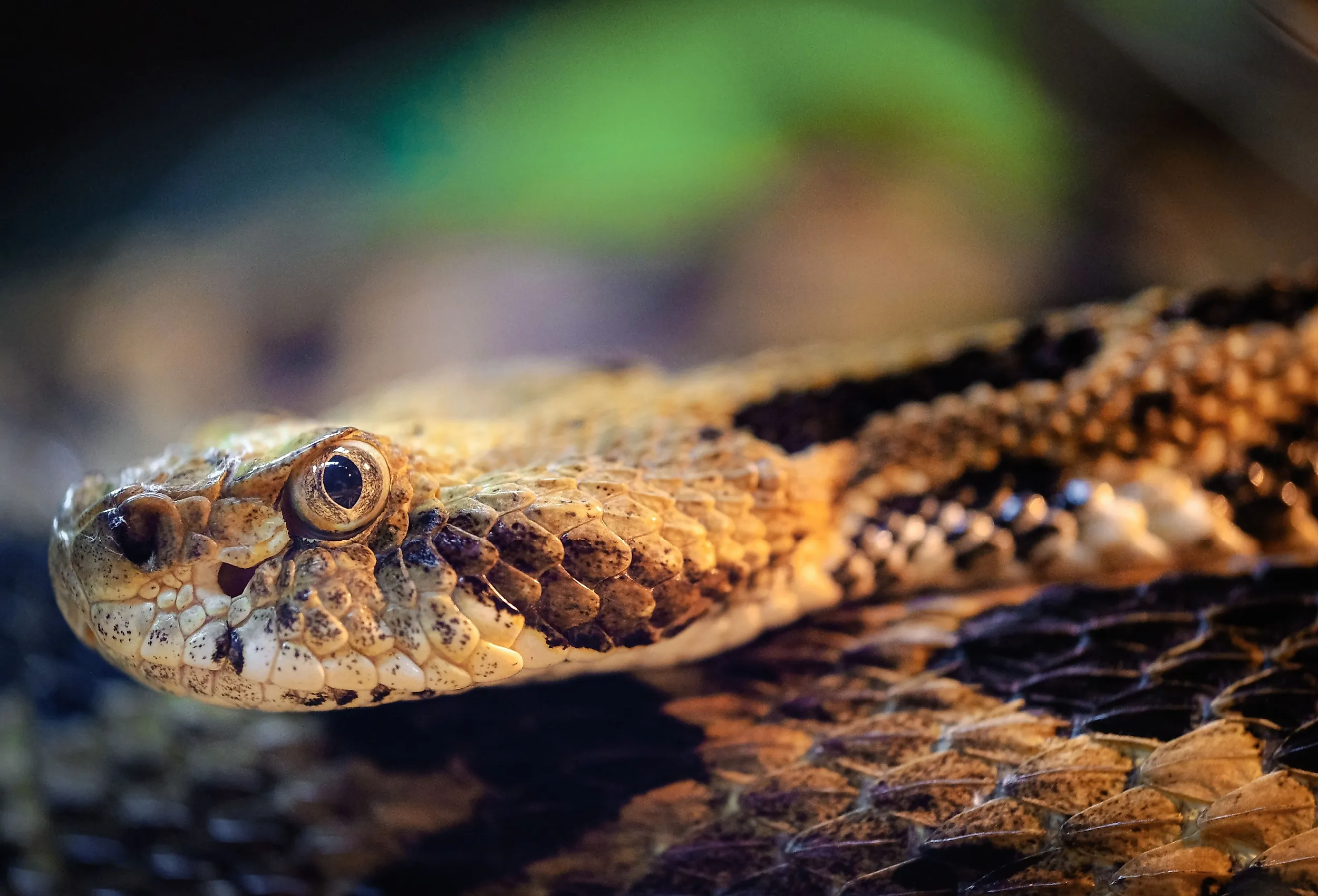
Although not widespread across the state, rattlesnakes are well established in certain regions of New York. The timber rattlesnake (Crotalus horridus) is the most common species, typically found in areas with rocky outcrops, forested hills, and undisturbed terrain. These conditions are most common in parts of the Hudson River Valley, the Adirondacks, and other upland regions where suitable shelter and basking sites are available. The eastern massasauga rattlesnake (Sistrurus catenatus) is listed as endangered in the state and inhabits only a few locations. The eight areas below are where New York's rattlesnake activity concentrates.
Split Rock Mountain Wild Forest

Split Rock Mountain Wild Forest on Lake Champlain holds the northernmost denning site of timber rattlesnakes in the Adirondack Mountains and one of the northernmost viable populations of the species in the US. Despite the long, cold Adirondack winters, the forest's rocky outcrops and crevices provide suitable denning conditions, while open tree canopies allow sunlight for basking. Encounters are possible while hiking, particularly where snakes may be basking on warm, rocky trail sections, though sightings are relatively uncommon. Timber rattlesnakes generally remain close to their dens but may travel some distance during the warmer months in search of prey such as chipmunks and mice.
Catskill Mountains

The Catskill Mountains are a subrange of the Appalachian Mountains in southeastern New York, bounded by the Hudson and Mohawk River valleys. Timber rattlesnakes favor rugged, forested terrain with rocky ledges for basking and denning. Sightings tie to specific habitats rather than spreading across all trails.

Tremper Mountain and Overlook Mountain are well-documented rattlesnake habitats, with known populations near ledges and former bluestone quarry sites. Timber rattlesnakes are a protected species in New York, and their populations have declined and become increasingly isolated, particularly along the eastern edges of the Catskills.
Hudson Valley

The Hudson Valley sprawls across eight counties along the east and west banks of the Hudson River from Albany down to Yonkers. The valley's rolling hills support hiking, and hikers may encounter rattlesnakes in rocky, sunlit areas, though sightings remain relatively uncommon.

The timber rattlesnake is the only rattlesnake species in the region and is generally non-aggressive toward humans. Timber rattlesnakes gather in communal dens during winter. In warmer seasons, pregnant females may congregate in suitable basking areas, where they remain through gestation before giving live birth (timber rattlesnakes bear 5-14 live young at a time).
Minnewaska State Park Preserve

Minnewaska State Park Preserve is located on the Shawangunk Mountain Ridge. The ridge rises over 2,000 feet (with high points near 2,289 feet at Sam's Point) and features rocky, rugged terrain. The park contains streams, waterfalls, glacial lakes, hardwood forests, and cliffs that support hiking, biking, and rock climbing.

The open rocky ledges of the park are favored by pregnant female timber rattlesnakes, where higher temperatures aid gestation, while non-pregnant females and males tend to occupy cooler, thicker hardwoods. Rattlesnakes are seldom seen in the climbing areas of the Shawangunk Ridge and are most commonly observed in the western area of Minnewaska State Park Preserve.
Harriman State Park

Harriman State Park is one of New York's largest state parks at 47,527 acres, containing 31 lakes and reservoirs, 200 miles of trails, two beaches, and two public camping areas. Although timber rattlesnakes live in the park, they primarily occur in the remote Ramapo Mountains. These hills have many ledges and rocky crevices forming denning areas where timber rattlesnakes can live undisturbed.

Timber rattlesnakes typically live in remote areas away from humans. They are non-confrontational: if encountered on a trail, they are more likely to retreat than to attack, though they may behave defensively by coiling and rattling until the perceived threat leaves.
Rattlesnake Hill Wildlife Management Area

The timber rattlesnake is the namesake of Rattlesnake Hill Wildlife Management Area, which comprises approximately 5,100 acres of upland habitat in Livingston County. The area contains multiple forest types, marshes, streams, and grassy fields supporting a variety of New York's threatened species. A habitat management plan implemented in 2016 focused on encouraging young forest growth, which supports timber rattlesnake populations that rely on a mix of open, sunlit areas for basking and adjacent forest for foraging. Invasive species such as honeysuckle and autumn olive can reduce light availability and hinder this habitat. The biggest threats to timber rattlesnake populations in New York include habitat fragmentation from development and illegal collection and persecution by humans.
Cicero Swamp

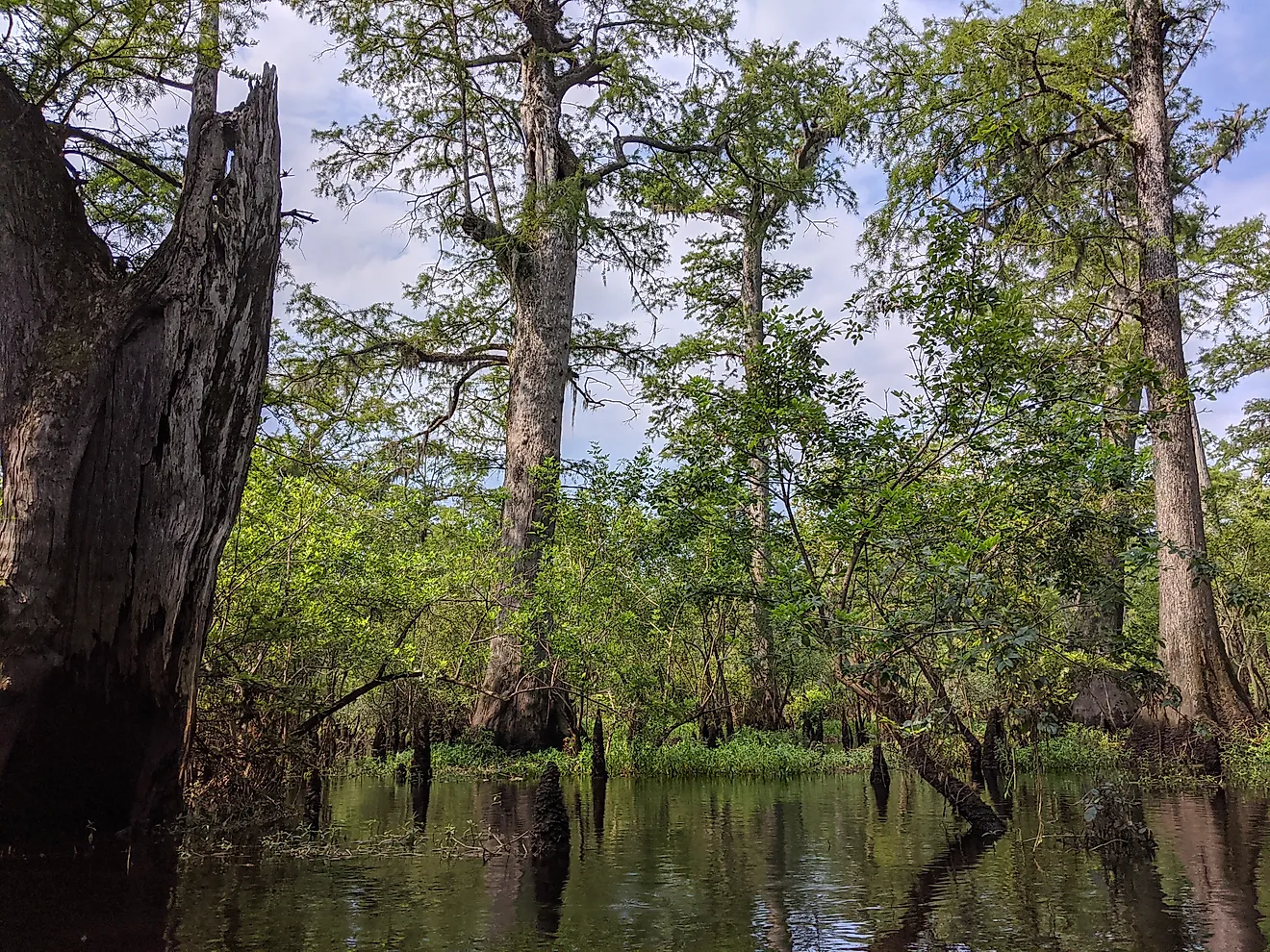
Cicero Swamp Wildlife Management Area in Onondaga County is home to one of the last remaining massasauga rattlesnake populations in New York. Massasaugas prefer wet, lowland habitats such as marshes and floodplains, earning them the nickname "swamp rattler." In New York, massasaugas typically hibernate from October until late April. Unlike timber rattlesnakes, massasaugas do not overwinter in large communal dens; they remain dispersed in wetland habitats, often hibernating in crayfish burrows at the water table. Cicero Swamp WMA spans about 3,400 acres with surrounding wetlands, and supports a variety of amphibians and small mammals that massasaugas prey on. Habitat changes from natural succession continue to threaten the population, along with historic unregulated hunting and illegal collection.
Finger Lakes

The Finger Lakes are a group of eleven narrow glacial lakes in west-central New York. Timber rattlesnakes occupy rocky outcroppings on south-facing hillsides in the region. Hikers should wear long pants and watch where they step when crossing logs and rocks, timber rattlesnakes commonly ambush prey from the far side of a fallen log.

While encounters with timber rattlesnakes are relatively uncommon, they are the most commonly seen venomous snake in the region. The massasauga rattlesnake is the other venomous species in the Finger Lakes, limited to wetland areas and far less frequently encountered by hikers due to its restricted distribution and preference for secluded marshes and swamps.
New York's Rattlesnake Strongholds
Rattlesnakes are not widespread across New York, but specific habitat conditions support firmly established populations. The timber rattlesnake occupies rocky, forested terrain where development is limited, while the massasauga is restricted to wetland habitats like Cicero Swamp. The timber rattlesnake lives in areas frequented by humans, such as hiking trails in the Catskills or Harriman State Park, so appropriate caution should always be exercised in these parts of the state.