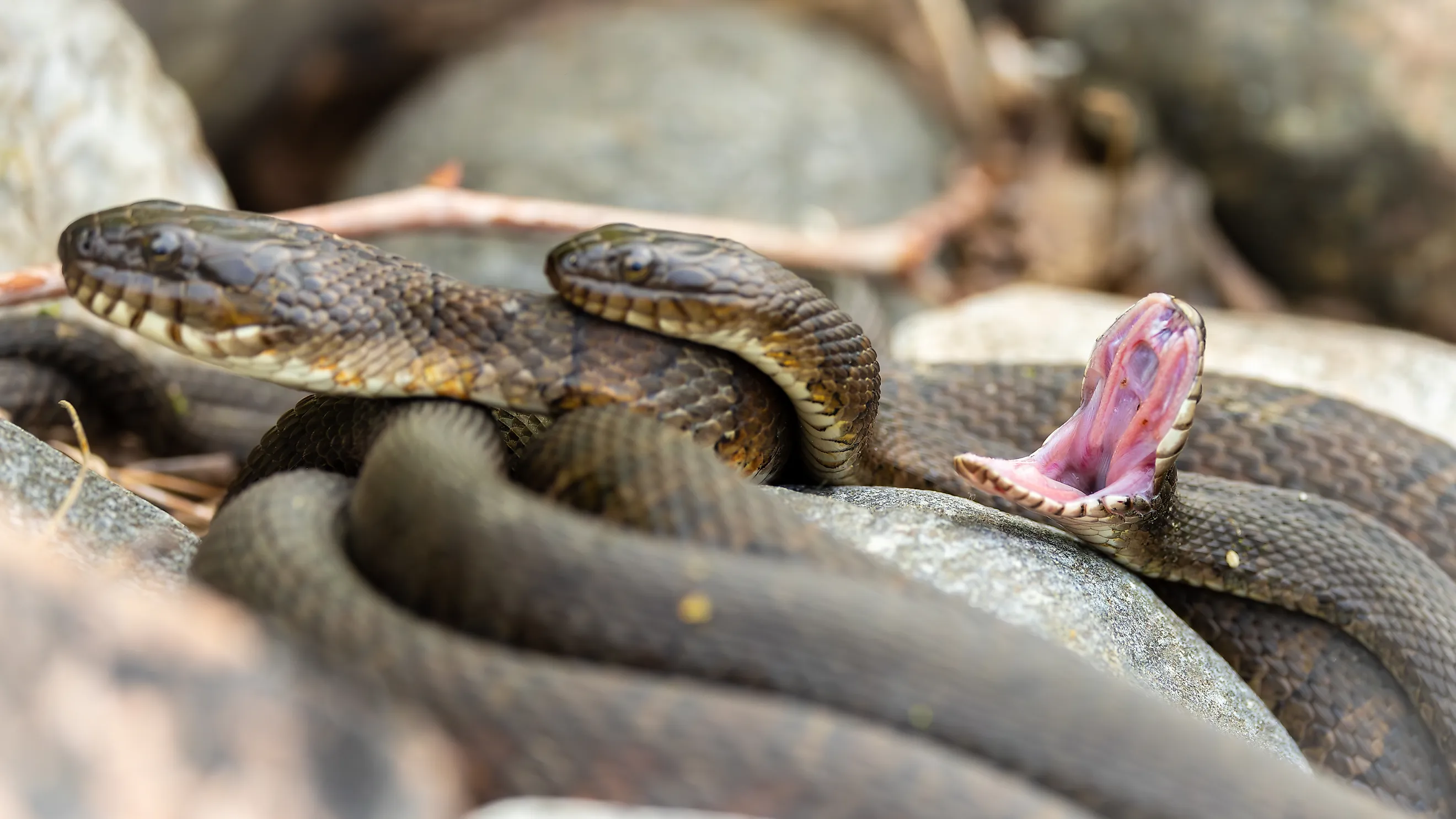
Why Alaska Has Almost No Snakes
Alaska is famous for its bears and moose and salmon and wolves and vast wilderness. One animal is notably missing from its landscapes: snakes. Snakes live in nearly every US state and occupy habitats from deserts to wetlands but Alaska's harsh climate makes survival extremely difficult. As cold-blooded reptiles snakes depend on external warmth to regulate their body temperature. The long winters and freezing temperatures up here leave them with few opportunities to stay active or reproduce or survive. This article explores why Alaska has almost no snakes and why scientists still keep watch for possible future sightings.
Snake Facts

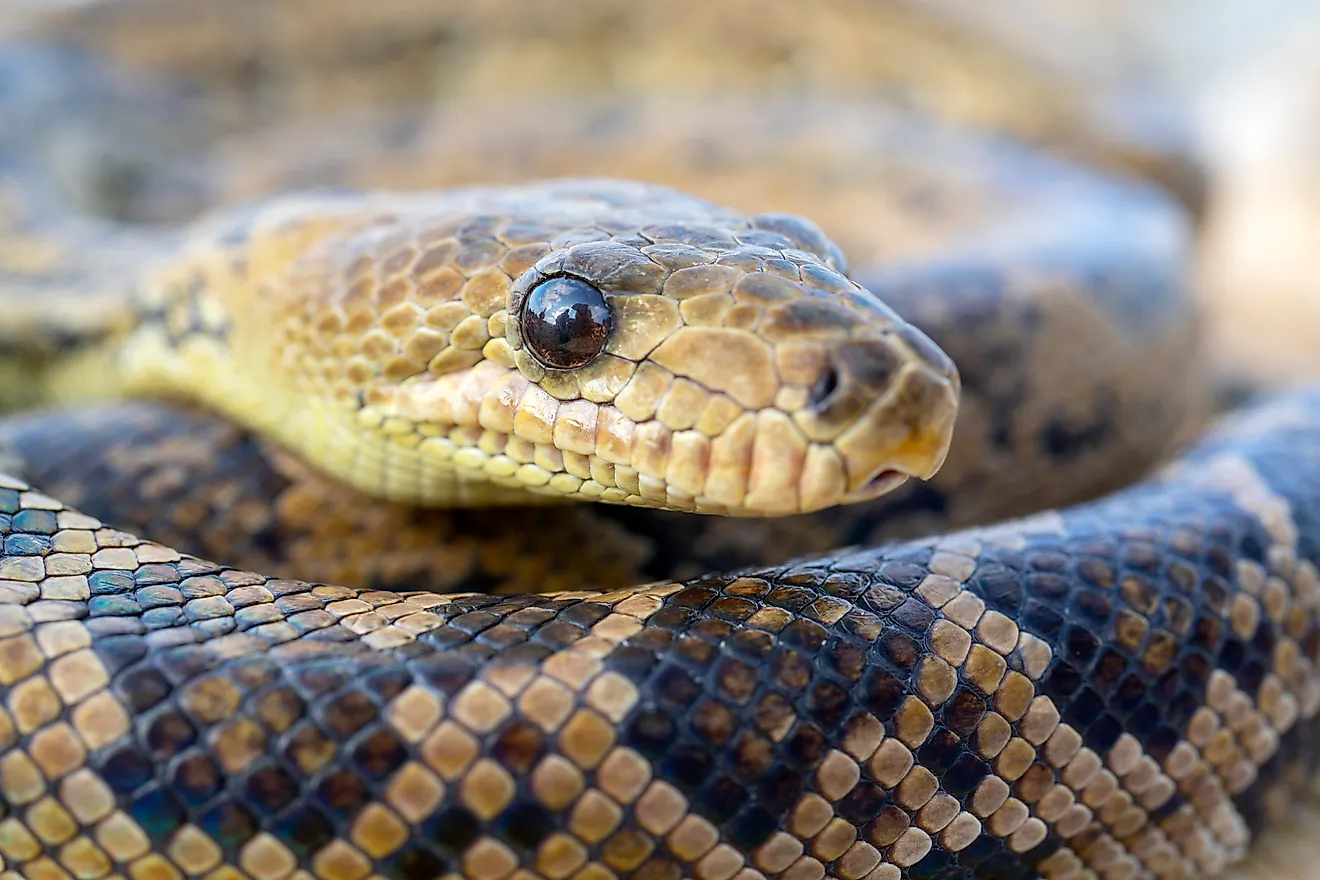
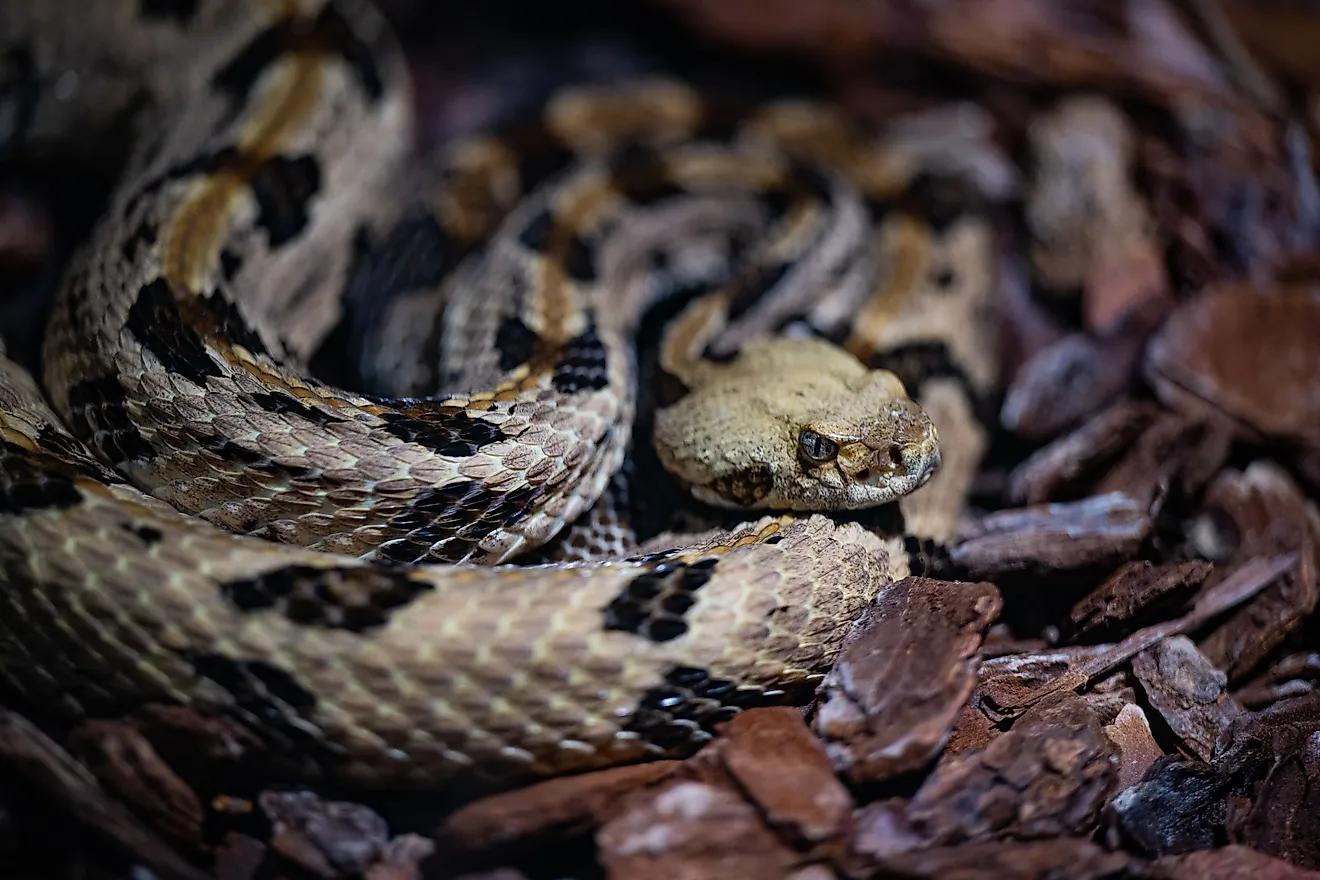
Snakes are a more diverse group than people think. There are over 3,000 species, found on every continent except Antarctica. They come in both venomous and nonvenomous varieties, with about 600 venomous species. Of those 600, only around 200 can actually kill or leave a serious wound.
Many snakes are nonvenomous and harmless, mostly killing their prey by constriction or by swallowing their food whole. A snake's diet is diverse but is normally limited to small mammals and fish. With that said, a snake can actually eat prey up to three times the size of its head because it can unhinge its lower jaw from its upper jaw. Due to their diverse diet, snakes can find a home in a range of settings if the temperatures suit their biology.
Where They Live

Where snakes live is as diverse as their diets. Given the many species of snakes, they can be found in all kinds of habitats, including deserts, bodies of water, forests, swamps, and grasslands. As cold-blooded animals, they gravitate to environments that help them regulate their body temperature. Many species do well in heat, but extreme heat still pushes them to find shade or burrow underground to avoid overheating. In the winter, they often hibernate in warm places until temperatures rise. Since they need specific conditions to thrive, there are certain parts of the world where it is difficult for them to make a home. Despite this, native snakes can be found in every state in the United States except for Hawaii and, of course, Alaska.
Biology

The lack of snakes in Alaska comes down to basic snake biology. Physically, snakes are similar to other reptiles, and residents of Alaska know there are no lizards or freshwater turtles in the state, either. The only reptiles one might find in Alaska can be spotted offshore, when sea turtles drift into the region.
So why do reptiles do so poorly in this part of the world? To answer that, you have to remember that snakes are cold-blooded, meaning they do poorly in extreme weather conditions. Cold-blooded animals find it difficult to regulate their temperature and do not generate their own internal heat.

When the environment is too warm, cold-blooded creatures can overheat and die if they do not cool down. Many retreat to the shade, go for a swim, or burrow to hide. When the environment is cool, cold-blooded animals will relax in the sun, which helps them raise their body temperature. If the temperature drops too much, cold-blooded creatures become sluggish and can outright freeze. Alaska is not known for its extreme heat, so it is the cold that reptiles have to be wary of.
Environment

Speaking of the cold, Alaska's climate is considered too severe for snakes. Alaska is a vast state made up of diverse terrain ranging from mountains to forests and wetlands. Still, across the entirety of the state, one of the consistent elements of the environment is that it gets pretty darn cold.
The temperature in Alaska can average as high as 70 degrees in the summer, but that is paired with temperatures that fall as low as 14 degrees on average in the winter. Because of the extremely cold temperatures for much of the year, Alaska is not an ideal place for snakes to live. Temperatures drop to levels where the cold-blooded snake becomes sluggish and can freeze to death, since there are few places for it to stay warm enough when temperatures plummet. These conditions have led Alaska to be one of only two states in the country that snakes avoid.
Risk

Since there are no snakes native to Alaska, the risk of being bitten by one is essentially zero. There are between 5,000 and 10,000 venomous snake bites annually in the United States, and only five to ten of those per year are fatal. A majority of fatal bites are from rattlesnakes, which, as you can imagine, do not call Alaska home. Other fatalities have come from copperheads, cottonmouths, and eastern coral snakes.

When you look at these types of snakes, you find that they are mostly located in the American South, though a few can be found further north. Rattlesnakes are abundant in the Southwest, toward Mexico. Cottonmouths are normally found in Florida, southern Georgia, and other states in the southeast. Eastern coral snakes are typically spotted from North Carolina southward. Of these species, copperheads can actually be found as far north as Massachusetts and as far west as Nebraska, making them one of the few venomous snakes that can be found in the U.S. across the north. Just by looking at this list, you can see that there is almost no chance of encountering any of the snakes responsible for lethal bites anywhere in Alaska. You can travel to the far north with the peace of mind of knowing you will be at almost zero risk.
Rare Sightings

For what it is worth, there have been very, very rare sightings of snakes in the state. The remains of one snake were found in a hay bale, but that bale had been shipped in from Washington state. It is likely the snake was simply a passenger along for the ride. Historical archives also mention one specimen that was found along the Taku River, a specimen that has mysteriously gone missing over the ensuing years. The larger point is that snakes are so rare in Alaska that even finding one is notable.
As a precaution and for scientific research, the University of Alaska Anchorage has a form that can be filled out if you do find a snake. The university plans to post posters with QR codes linking to that form in feed stores throughout the region. By doing so, the university hopes to continue monitoring in case any snake populations do manage to get a foothold this far north.
Environmental Changes

One question that comes up is, if there are no snakes in Alaska, why monitor for them at all? The answer lies in the changing global environment. Researchers have noted that climate change has impacted the natural environment and affected where wildlife can make a home. With changing temperatures making some parts of the world more hospitable, the University of Alaska Anchorage believes that snakes will eventually be able to make a home in the state.
No Snakes To Be Found
If you are heading to Alaska, you have nothing to fear as far as encountering venomous snakes or any snakes at all. The cold-blooded nature of snakes makes the cold environment too much of a threat to their survival, and no native populations have been found so far. The occasional snake is shipped into the state, and monitoring is ongoing for the development of any snake populations as climate change continues. As of right now, the fact remains: there are no snakes in Alaska.