Lion
Going on a safari and seeing a majestic lion in the wild is one of those experiences that can never be replicated by going to a zoo. It is an incredible feeling to observe lions in their natural habitat and see how the King of the Jungle earned its nickname. You might spot a golden-maned male stretched out in the shade beneath an acacia tree after a hard-fought meal. Or, you might see a pride of lionesses scanning the grasslands for prey. Just hearing the intimidating roar of a lion echo across the landscape is something that will stay with you forever.
But how much do you really know about the world's most iconic predator? From their evolution over millions of years to their surprisingly complex social interactions, lions are actually far more fascinating than fearsome. For instance, did you know that lions are the only true social big cats on Earth? Or that a male lion's deep roar can be heard over a distance of up to five miles? Keep reading to discover the incredible world of lions and what makes them a cultural symbol across continents.
Taxonomic Classification

Lions belong to the order Carnivora (which includes the carnivorous animals), family Felidae (commonly referred to as cats), and genus Panthera (which includes the big cats like lions, tigers, leopards, jaguars, and snow leopards). The scientific name of the lion is Panthera leo and is further subdivided into two subspecies, namely Panthera leo leo and Panthera leo melanochaita. The former, also called the Northern lion, includes lions found in Central and West Africa as well as those found in India. The latter, or Southern lions, refer to those living in Southern and East Africa.
General Physical Description Of A Lion

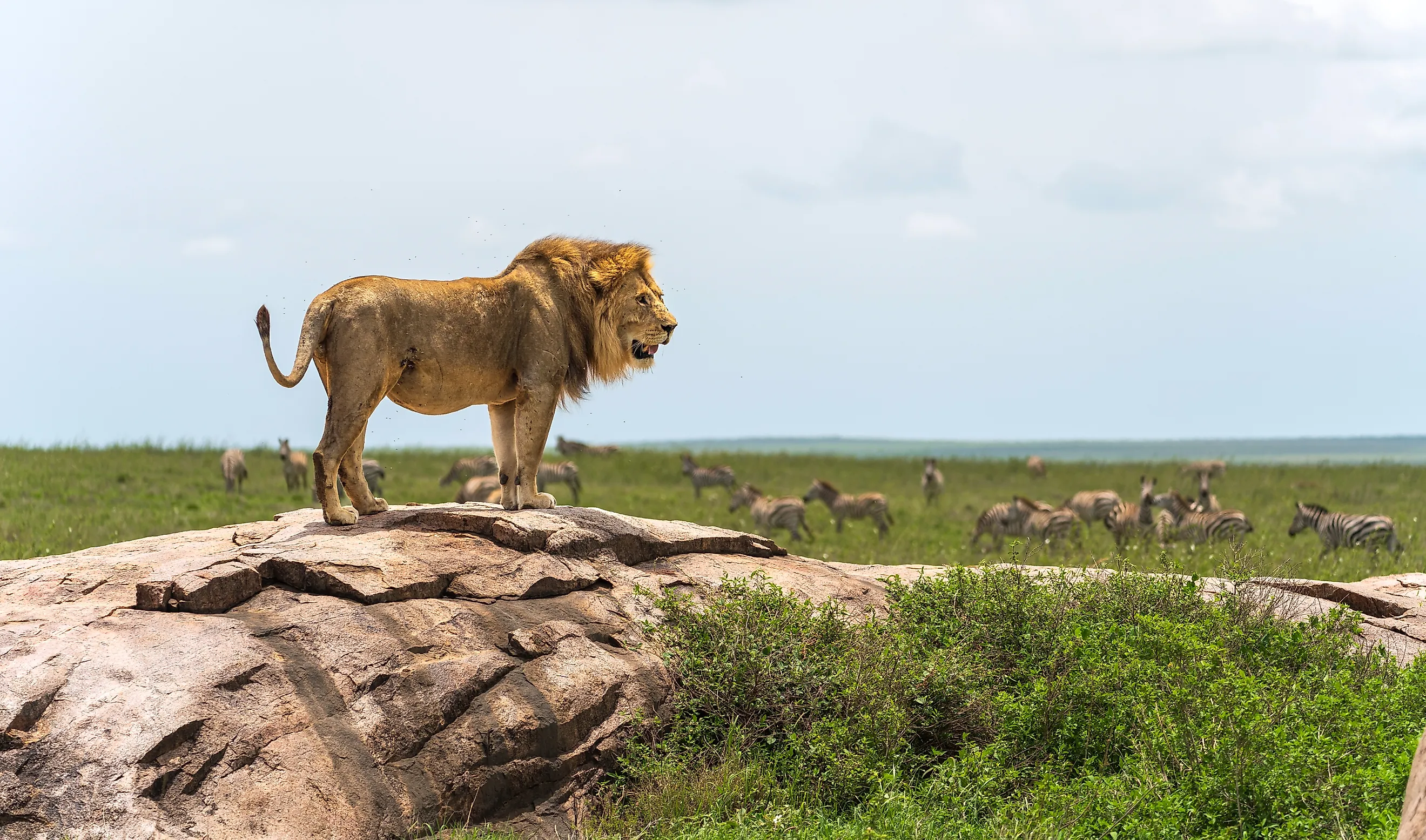
A lion is built to hunt and kill prey, which is why it has a strong body, powerful forelegs, sharp teeth, and solid jaws. Lions have retractable claws to aid them in hunting and climbing, and night vision to spot prey in low-light conditions. Lion coats are tawny or light buff, and males have large, shaggy manes that can take on a blond hue or be red or even black. Male lions can grow to lengths of up to 10 feet and stand up to 4 feet tall at the shoulder. Their tails can grow up to 3 feet, feature a black tuft at the end, and they can weigh anything from 330 to 550 pounds. Females are slightly smaller, growing to a length of 9 feet and weighing up to 395 pounds.
Habitat And Geographic Range Of Lions

Lions live just about anywhere. They have been found on beaches, mountain ridges, in the bush, on grasslands, and in woodlands. The only habitats they tend to avoid are arid deserts and tropical rainforests. As long as there is suitable prey and places to take cover when hunting, lions will inhabit an area. The area also needs sufficient water and shade, since lions sleep throughout most of the day.

In 2026, lions are found primarily in sub-Saharan Africa in populations concentrated in eastern and southern Africa. Tanzania is home to one of the largest lion populations in Africa, especially in the Selous ecosystem, which is part of Nyerere National Park and the Serengeti National Park. Neighboring Kenya supports important populations in the Maasai Mara National Reserve, which is part of the greater Serengeti-Mara ecosystem. In Southern Africa, the Kruger National Park and other private reserves sustain one of the African continent’s most closely monitored lion populations. Other significant habitats include Botswana’s Okavango Delta and Zambia’s South Luangwa ecosystem. There are still lions in West and Central Africa, but they exist in smaller and more isolated populations due to habitat fragmentation and human-wildlife conflict.

Outside of Africa, the only surviving wild population of Asiatic lions lives in Gir National Park and the surrounding Gir landscape. Hunting and habitat loss led to a decline in Asiatic lion numbers to a few dozen individuals by the early 20th century. Urgent legal protection by the Nawab of Junagadh in the early 1900s and government conservation measures allowed the population to recover somewhat. There are several hundred individuals, and some lions have moved beyond the park's boundaries into surrounding forests and coastal habitats.
Social Structure And Behavior Of Lions

Of all felines, lions are the most socially adapted. They live in tight-knit, complex groups known as prides, which can number up to 40 members. A pride typically consists of resident males, related females, and their cubs. Each pride has its own territory that the individuals protect against intruding lions. The territory's size depends on whether the prey is abundant. If it is, a territory is often as small as 20 square kilometers. As wildlife becomes scarce, territories can expand to 400 square kilometers or more. Territory is claimed and proclaimed through roaring and scent marking. A lion’s roar can be heard from a distance of up to five miles, and lions use their roar to scare off intruders or find scattered members of the pride.

When it comes to prey, lions hunt, kill, and eat several different animals. In Africa, they favor hoofed animals, including antelopes, zebras, and wildebeest. But, they have also been known to hunt buffalo, baboons, and hippopotamuses.They even try their luck with elephants and giraffes, but only when they are young or sick. In India, lions hunt prey like sambar, chital, nilgai, chinkara, wild boar, and other species.

It is common for lionesses to do the hunting, especially in open savannas. However, males that live in solitude hunt for their own food. Since lions quickly tire from running, they tend to stalk their prey while taking cover. When ready, they pounce, run in a short burst before lunging at the animal and taking them down by biting their neck until they are strangled. Even though lionesses lead the hunts, the males feed first, followed by the females and cubs. Lions have also been seen scavenging carcasses or stealing kills from other predators when opportunities arise.
Reproduction And Life Cycle

Both male and female lions are polygamous. Females are typically restricted to the adult males, who represent their pride and breed at least once every two years. Lions in captivity can breed every year. Females have variable reproductive cycles and mate only for three to four days during their cycle. Lions mate every thirty minutes or so during reproductive cycles, and copulations can reach up to 50 per day. When a female is impregnated, the gestation period is around 108 to 110 days, and most litters are between 2 and 4 cubs.

Cubs cannot survive on their own until they are around 2 years old and are weaned at around 7 months. There is a high mortality rate for cubs under the age of two, because lionesses often leave their cubs alone for up to 24 hours when they have to hunt. But the survival rates increase after cubs turn two. Lions reach sexual maturity around 4 years of age, and female cubs often stay in the same pride. Male cubs are expelled from prides when they turn three, and they live as nomads until they try to take over a different pride. If males take over a new pride, they often kill the young cubs in it. This is intended to shorten the time that the mothers need to mate again. However, females can successfully protect older cubs by hiding or defending them. Overall, lions have a short lifespan in the wild, typically only 10 years. In captivity, a lion can reach the age of 25 or grow even older.
Threats And Conservation

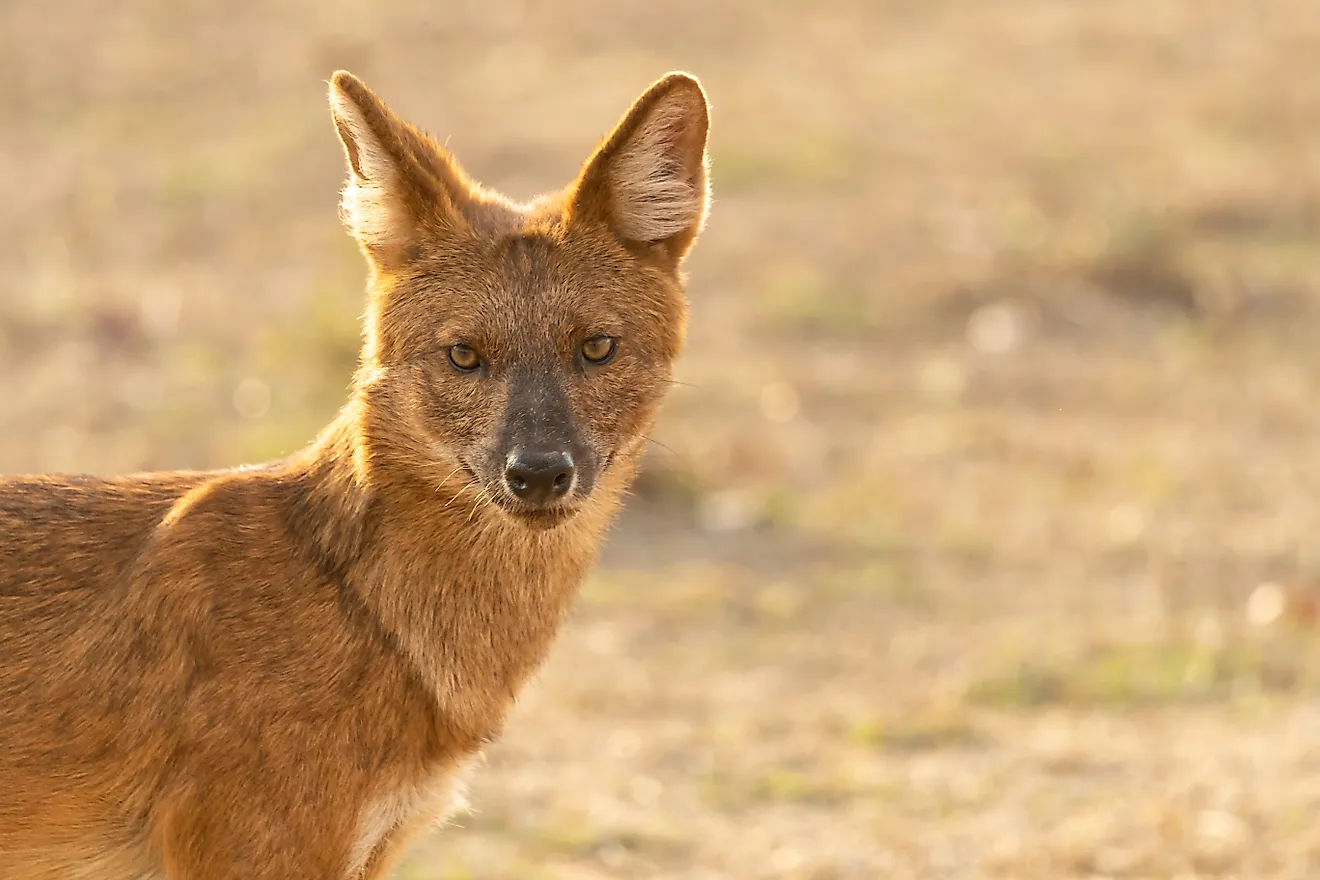
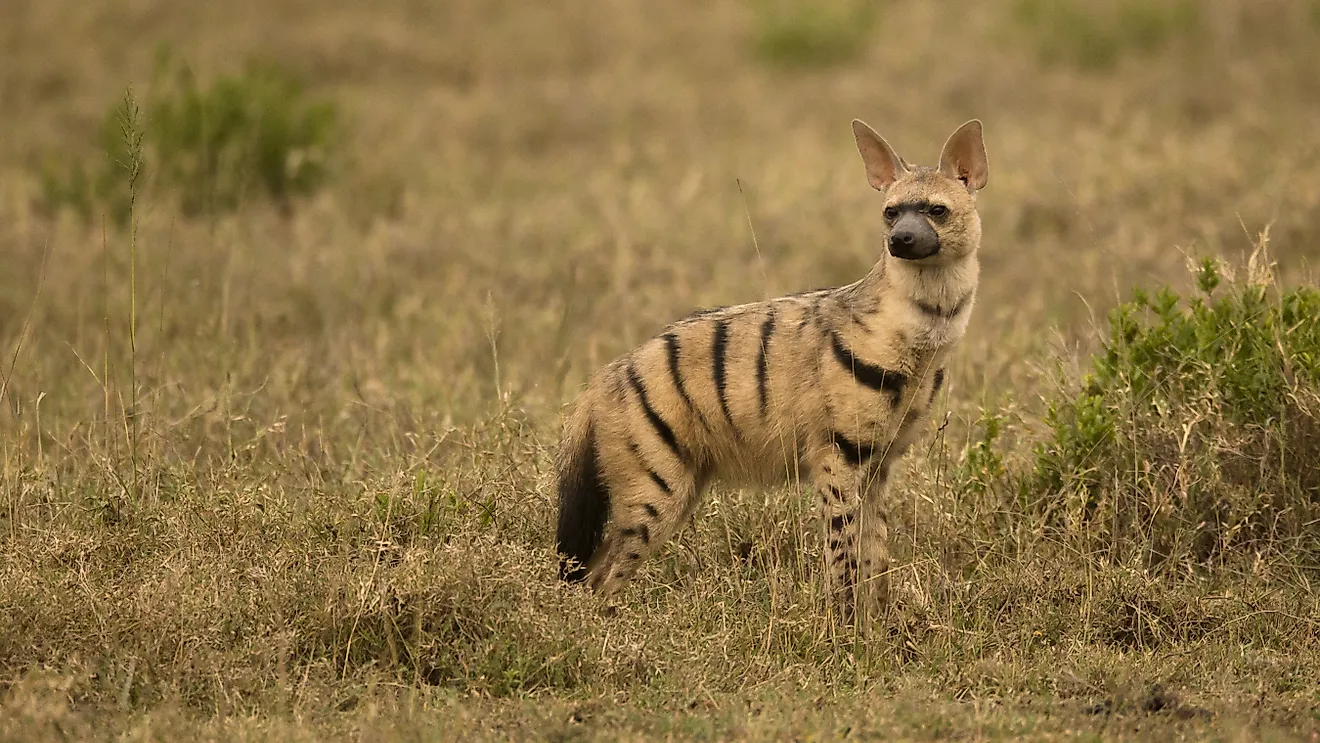
Lions are apex predators, which means they are at the top of the food chain. There are no natural predators that threaten them, but they do face severe threats from humans, including retaliatory killings, poaching, and habitat loss. At the same time, other animals can pose a threat to cubs or to sick or old lions. These animals include hyenas, elephants, wild dogs, Cape buffalo, hippos, crocodiles, rhinos, and porcupines.
Because of human-wildlife conflict, habitat loss, and poaching, lions have officially been listed as vulnerable on the IUCN Red List. There are only about 23,000 individuals left in the wild, and the overall lion population has shrunk by more than 90% over the past 100 years. Ongoing conservation efforts include mitigating and, in some cases, eliminating human-lion conflict, and waging a full-on war against poaching. There is also a strong push for community engagement and habitat protection.
Lion Symbolism

As efforts to protect the majestic lion increase, these beautiful animals remain a revered symbol of strength and courage. Many African tribes consider lions to be a personal symbol of bravery. The Maasai people who inhabit East Africa view lions as the ultimate test of manhood. Once upon a time, young Maasai warriors had to confront a lion to prove their valor.

Also, as depicted in the beloved animated classic The Lion King, African cultures consider lions to be connected to ancestral spirits. They believe these spirits protect entire villages and that a lion’s roar can ward off evil. The lion is also revered throughout Europe and Asia, appearing on royal emblems and in mythological tales. In Asia, in particular, lions represent good luck and wisdom, and their likeness is often installed in front of temples and palaces as guardians.
May The Lion’s Roar Continue To Echo Across The Wild

The lion will always be one of the planet’s most iconic wildlife species. The deep, resonant roar of a male lion is one of the most defining sounds of nature in the African wilderness. It is a call that signals strength, territory, and also survival. But lions are in trouble, and it is up to every one of us to help protect them. Lions help regulate herbivore populations and maintain the balance of a fragile ecosystem. Without them, these systems and populations will collapse, affecting the rest of nature. If we do not all put in the effort to protect the mighty lion, its roar might be silenced permanently in the not-too-distant future. And, we simply cannot afford for that to happen.