The 11 Most Snake Infested Areas In Virginia
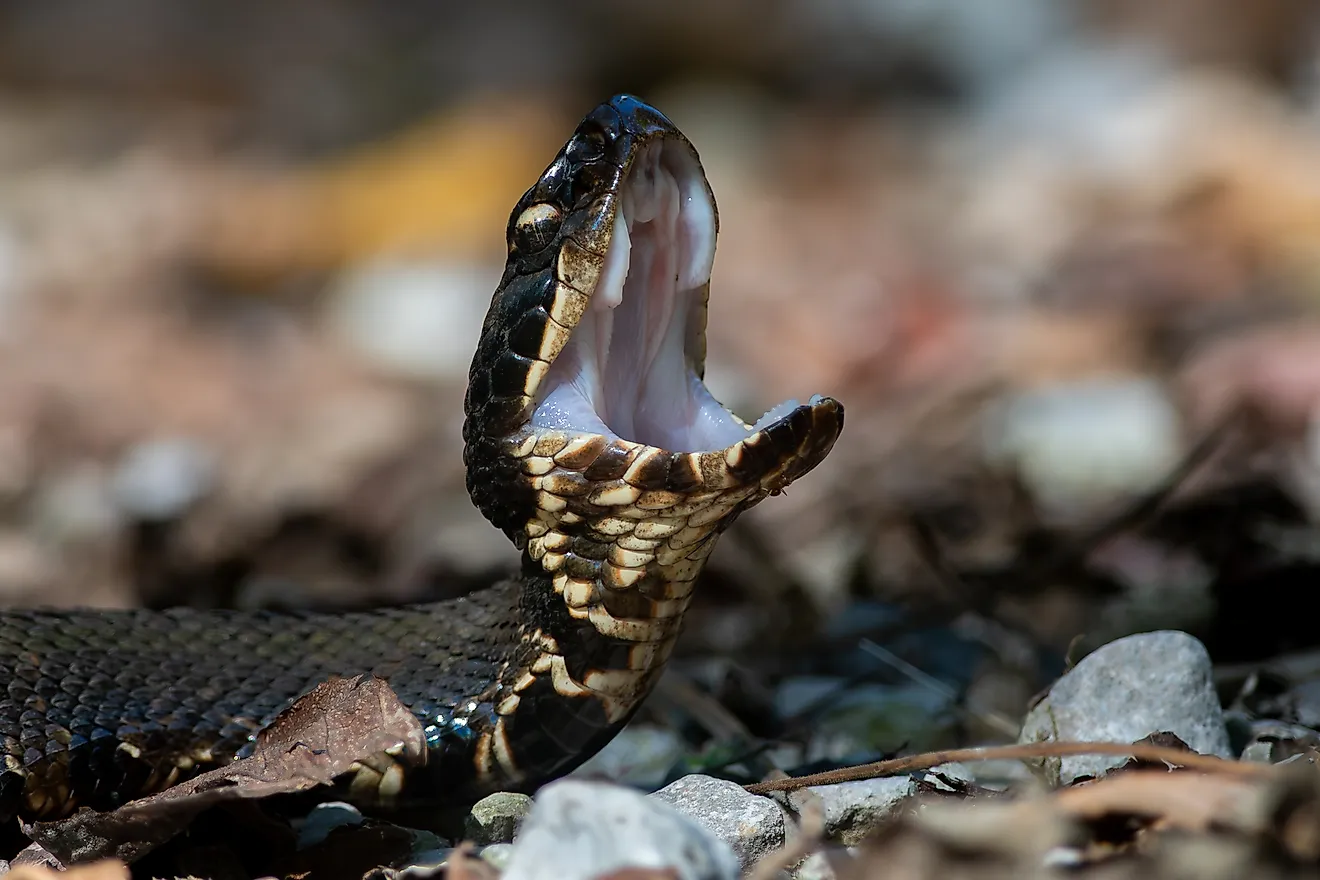
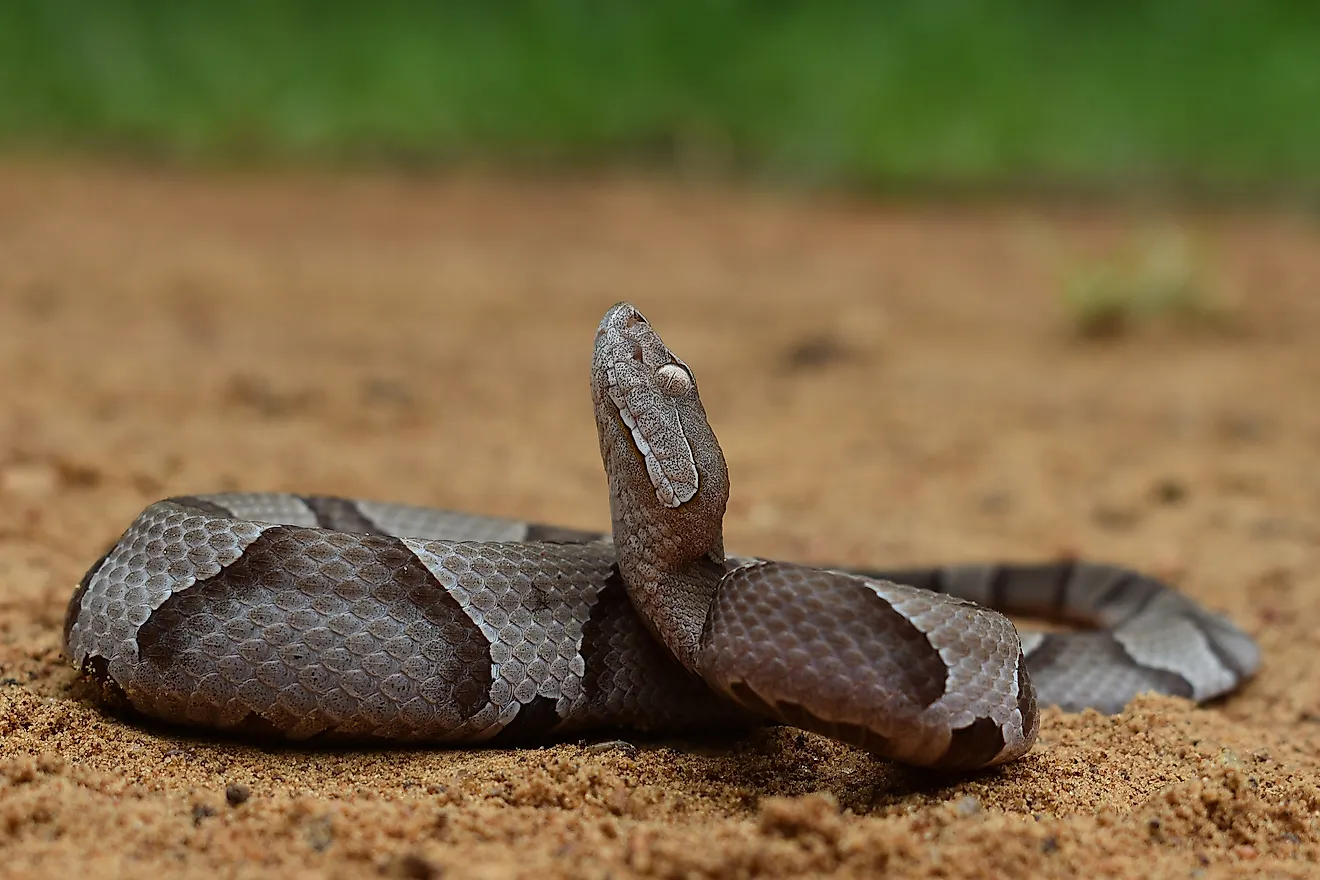
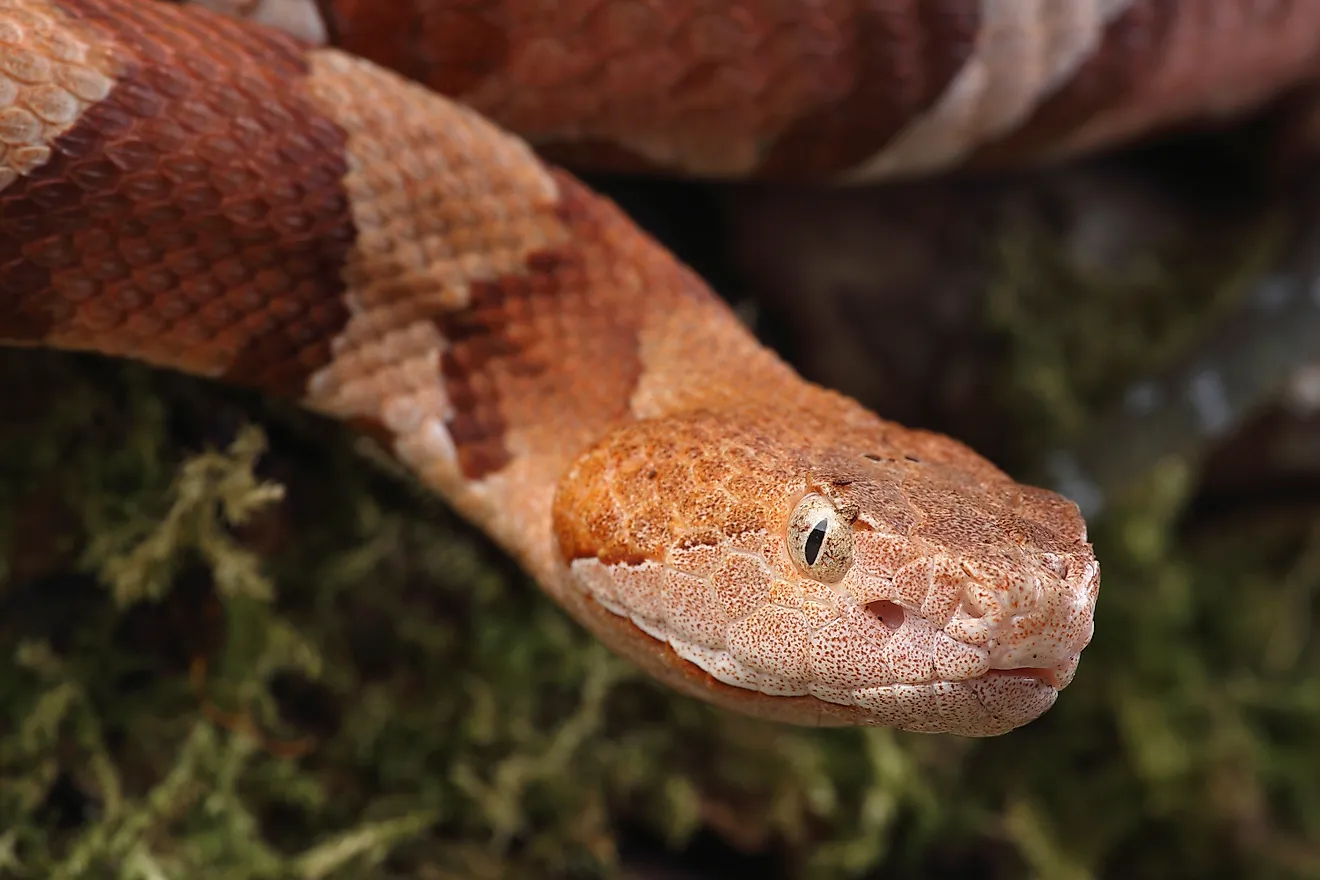
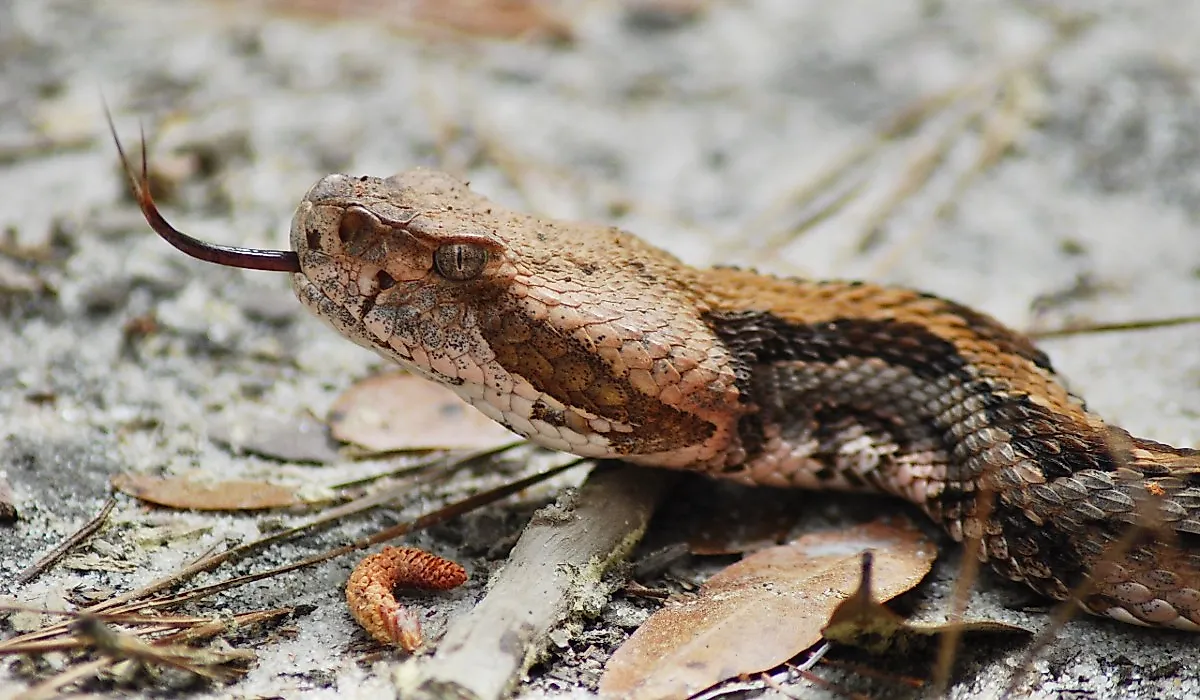
Virginia is home to around 30 species of snakes. Only three are venomous—the copperhead, timber rattlesnake, and northern cottonmouth (water moccasin)—and all three are pit vipers. In some parts of the state, habitat conditions like abundant prey, reliable water, warm basking spots, and dense cover can make snake sightings more common.
This article highlights places where encounters are more likely and explains what attracts snakes there. When hiking or camping, it helps to know how to react if you spot one: most snakes aren’t looking to bite people and will usually avoid you if given space.
Smith Mountain Lake

Smith Mountain Lake is a massive waterbody in Virginia’s Roanoke region and the state’s second-largest lake. It straddles the cities of Lynchburg and Roanoke, offering 500 miles of beautiful coastline for endless recreation. From swimming and fishing to boating and jet skiing, adventurers congregate here to take advantage of its diverse opportunities. Along the shores of the lake, you will find thick forests and shrubs inhabited by small animals like lizards and amphibians.
This abundance of prey and a readily accessible water source attracts a huge snake population to the area, such as the eastern hognose snake, eastern ribbon snake, northern water snake, and black rat snake. While these are not venomous, the copperhead and cottonmouth have been spotted in the Smith Mountain Lake region.
Douthat State Park

Douthat State Park is Virginia’s second-largest state park, covering over 4,500 acres in the beautiful Allegheny Mountains. It features a variety of landscapes, including a lovely 50-acre lake, making it a perfect spot for outdoor fun like hiking, camping, swimming, and bird watching. The expansive natural area also provides a home for many small animals, from rodents, amphibians, and reptiles to charming little birds. All these creatures support a healthy population of snake species, such as the eastern hog-nosed snake, the black snake, common water snakes, and the venomous timber rattlesnake.
Being a hub for different recreation activities, encounters between humans and snakes in Douthat State Park are a mainstay. While most of these snakes are not venomous, giving any snake you may stumble upon a wide berth is advised. The timber rattlesnake can be territorial and very aggressive when confronted by a perceived threat, resulting in a bite.
Dismal Swamp

The Great Dismal Swamp is a sprawling wetland located in the Coastal Plain Region, stretching across northeastern North Carolina and southeastern Virginia. Covering nearly 113,000 acres, it's an important sanctuary for wildlife along the East Coast, home to a diverse range of animals including deer, bears, raccoons, and river otters. The landscape features cypress swamps, lush forest floors, and marshes, which also attract many snake species such as northern water snakes, copperheads, cottonmouths, and pygmy rattlesnakes. These snakes are drawn to the area because of its abundant prey, which includes amphibians, small reptiles, animals, and birds.
The Dismal Swamp offers an array of recreation opportunities, which draw boaters, anglers, nature viewers, and hunters, making human-snake interactions inevitable. However, the best way to avoid these snakes is to stay on the boat and ignore venturing into the water, as this is where they reside.
Northwest River Natural Area Preserve

The Northwest River Natural Area Preserve is an expansive nature area in Chesapeake, spanning over 2,700 acres along the Northwest River. It features a rich mix of habitats, comprising wetlands, upland forests, marshes, and swamps, and presenting a paradise for different types of species, including ribbon snakes, northern water snakes, rough green snakes, and canebrake rattlesnakes. With no public access available to the preserve, the habitat remains undisturbed by human activity, allowing the snake population to grow exponentially.
Furthermore, enough prey, such as lizards, squirrels, and birds, is in the area to sustain the huge numbers comfortably. Snake bites are not so common here due to the remoteness of the area, but a few explorers managed to reach them by boat, curious about discovering the natural paradise.
Blackwater Ecologic Preserve

Located in Zuni, Virginia, the Blackwater Ecological Preserve covers over 300 acres of pristine wilderness and is proudly owned by Old Dominion University. The area features a lovely mix of flatwood forests, longleaf pine savannas, and lowland swamps, creating perfect habitats for a variety of snake species to flourish, especially along the woodland edges. Among these, the northern copperhead is quite common. Due to infrequent human visits, the snake population here has been able to avoid unnecessary persecution and continue to thrive, making this a special place for wildlife lovers.
This is because the public has to make prior arrangements with the university to tour the venue. With most tours being guided, the chances of human-snake conflicts are few and far between at the preserve, allowing for protection of the snake habitat.
Lake Gaston

Lake Gaston is nestled along the border between Virginia and North Carolina, offering a welcoming home to a variety of fish such as catfish, largemouth bass, and striped bass, making it a favorite among anglers eager to try their luck. This stunning lake, with its peaceful waters, draws in many visitors who enjoy swimming, boating, paddleboarding, and camping. While its natural beauty is truly inviting, it's important to be aware that Lake Gaston is also known for having a higher number of snakes, including venomous ones like copperheads and cottonmouths. Given how popular this spot is for outdoor adventures, it's quite common to see a few snakes during your visit, so a little caution can go a long way in ensuring an enjoyable experience.
According to the Virginia Department of Game and Inland Fisheries, the area records one of the highest snake bite cases in the state. Any unwarranted interactions that may threaten the snake, including stepping on or pestering them, regrettably end up with a bite. On the flip side, this also means the snakes are adversely persecuted by humans, who deem them to be an automatic threat upon encountering them.
Back Bay National Wildlife Refuge

Located on the southeastern edge of Virginia Beach, the Back Bay National Wildlife Refuge warmly welcomes visitors as a peaceful haven for migrating waterfowl. Its diverse habitats, including freshwater marshes, shrublands, beachfronts, scrublands, and upland forests, create a vibrant home for a variety of amphibians, mammals, reptiles, birds, and fish. These thriving creatures support a rich array of wildlife such as northern water snakes, eastern hognose snakes, saltmarsh snakes, black rat snakes, and the occasionally encountered venomous cottonmouths. Visitors can enjoy a multitude of outdoor activities like biking, hiking, kayaking, sightseeing, and surf fishing. While exploring this beautiful natural space, it’s common to encounter some snakes along the way—so the best approach is to keep your distance and remain calm if you come across any. This way, everyone can enjoy the refuge safely and harmoniously.
Prince William Forest Park

This expansive natural area in northern Virginia has been a favorite spot for thrill-seekers and adventure enthusiasts to enjoy the great outdoors since the 1930s. Tucked away from busy urban centers, it serves as a peaceful haven filled with diverse plant and animal life, including woodlands, flowing streams, and grassy meadows, creating a perfect environment for wildlife to flourish. Besides smaller mammals and amphibians, snakes are quite common here, often seen basking on the rocky outcrops along Quantico Creek. Some familiar species you might encounter include the venomous northern copperhead and timber rattlesnake, as well as non-venomous ones like the northern ringneck, eastern garter snake, and black rat snake.
With scenic biking and hiking trails, quiet picnic spots, and cozy camping cabins, the park welcomes many visitors who enjoy various outdoor activities. It’s not uncommon to come across snakes along the way. If you do see one, it's best to take a different route and give it some space, so everyone stays safe and happy.
Cherry Orchard Bog Natural Area

This 354-acre natural preserve spans the counties of Prince George and Sussex and is home to a wonderful variety of rare plants, including purple pitcher plants, large-flowered camass, and white-fringed orchids. Visitors can also enjoy the diverse habitats like wetlands, shrublands, and woodlands that support many wildlife species. The lush greenery attracts a lively array of rodents, amphibians, reptiles, and insects, creating a steady food source for the southern ring snakes and eastern hognose snakes that call this area home.
Thanks to its protected status as part of the Cherry Orchard Bog Natural Area Preserve, human activity is limited, giving the snake populations plenty of room to thrive. The good news is that the few visitors who come here don’t need to worry about venomous snakes during their visit.
Lake Anna

Lake Anna, one of Virginia’s largest freshwater lakes, spans nearly 13,000 acres with a lovely 200-mile shoreline. It’s a favorite spot for boaters, campers, water skiers, kayakers, and anyone looking to enjoy water fun. Located within Lake Anna State Park, the area is surrounded by beautiful woodlands, grasslands, and shrublands, offering a perfect habitat for a wide variety of wildlife—from fish and small mammals to reptiles and insects. Because of this rich environment, snakes are quite common around the lake, and visitors might see several species. These include the eastern rat snake, the northern water snake, and the copperhead. Most of these snakes are not venomous, but it’s good to be cautious because the copperhead does have venom that can cause harm if bitten. The good news is that they’re usually gentle, and most bites happen when curious pets get too close.
Assateague Island National Seashore

The Assateague Island National Seashore is a stunning natural area that gently stretches across the coastal lowlands of Virginia and Maryland, famous for its charming herd of wild horses. The landscape offers a delightful variety of habitats, from salt marshes and sandy beaches to coastal bays and lush marine forests. You might also spot several species of snakes on the island, including the black rat snake, the eastern hognose snake, and the northern water snake, which loves hanging out in freshwater and salt marshes. Because of its unique location and the salty waters, only a few snake species manage to thrive here. Thanks to the island’s protected status, human activities are kept minimal, giving these wonderful snakes plenty of space to flourish.
Final Thoughts
Virginia's varied landscapes, from swampland and coastal marshes to forested hills, offer prime snake habitat with diverse species found nowhere else. While the common reaction for most people upon encountering a snake is to take off or persecute it, it is important to note that snakes are not out hunting humans but prey. Furthermore, they play an important role in the ecosystem that helps balance the population of various small animals, hence the need to peacefully coexist with them. So take the initiative today to protect snake infested areas in Virginia habitats and prevent their persecution by spreading awareness among the public.