The Most Snake Infested Lakes in North Carolina
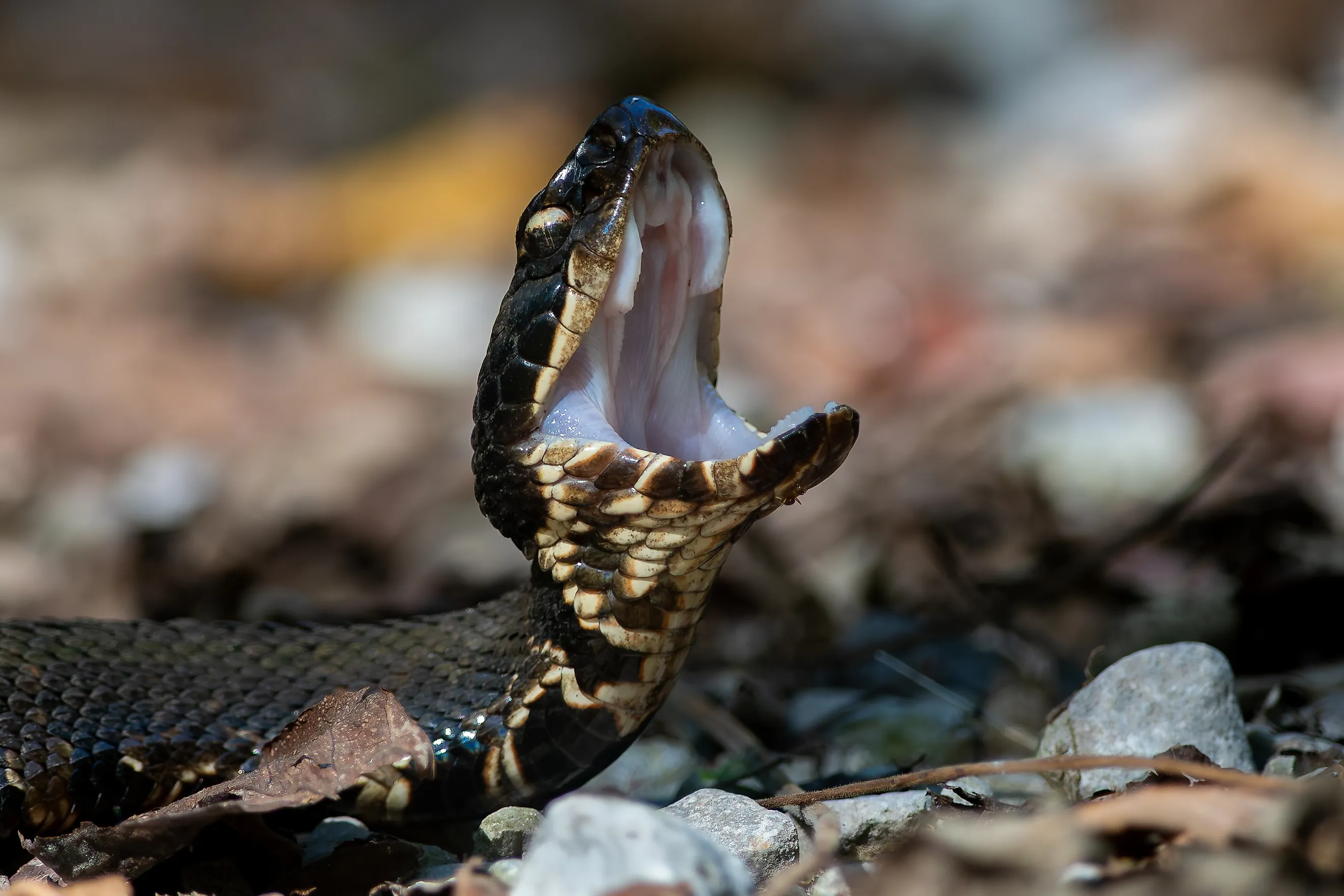
There are a few spots throughout North Carolina that provide ideal habitats for key snake species, including harmless water snakes, rat snakes, and garter snakes, as well as the venomous cottonmouth. Whether you are trying to avoid these slithering reptiles or are looking to spot one from a safe distance, the following 5 lakes should be on your radar. By respecting these areas and keeping safety in mind, outdoor enthusiasts can enjoy wild spaces like the cypress swamps of Lake Waccamaw and the marshy edges of Scuppernong Lake while ensuring vital ecosystems remain intact.
Lake Norman

Lake Norman, the largest artificial lake in North Carolina, is located just north of Charlotte and boasts a robust snake population, even with its status as a popular vacation and cottage destination. Activities such as boating, fishing, and hiking can increase the likelihood of encountering snakes. It’s recommended to stick to marked trails, refrain from reaching into brush or rock crevices without protection, and be cautious near the water’s edge. These practices not only ensure your safety but also help protect the local snake populations.

The 50-square-mile lake is bordered by residential neighborhoods, recreational areas, and natural habitats that support various snake species, including non-venomous ones like the northern water snake (Nerodia sipedon) and the eastern rat snake (Pantherophis alleghaniensis). These snakes are commonly found along the shallow shores, particularly in rocky regions and near docks.
Lake Mattamuskeet

Lake Mattamuskeet, situated in Hyde County, is the largest natural lake in the state, at over 40,000 acres. Its shallow, brackish waters and surrounding marshlands provide excellent habitats for various snakes. As part of the Mattamuskeet National Wildlife Refuge, it is renowned for waterfowl conservation and also serves as a haven for a wide range of reptile species.

Commonly seen along the lake's banks are water snakes, such as the non-venomous northern water snake (Nerodia sipedon), which prey on fish and small amphibians. Additionally, the wetlands host populations of venomous cottonmouths (Agkistrodon piscivorus), which thrive in the dense vegetation and humid conditions. To avoid disturbing these reptiles or having an unwanted encounter, it’s important to stay alert when walking through tall grasses, near the water, or along trails in the area.
Jordan Lake

Jordan Lake, near Raleigh, features 180 miles of shoreline that support more than just seasonal residents. The surrounding landscape includes thick forests, wetlands, and rocky banks, which create ideal habitats for a variety of snake species. As part of the Jordan Lake State Recreation Area, this site is a favored spot for activities such as boating, fishing, hiking, and camping, leading to frequent encounters with these snakes, which are typically harmless.

Commonly observed near the water and in wooded areas are snakes like the northern water snake (Nerodia sipedon) and the eastern rat snake (Pantherophis alleghaniensis). The northern water snake is often seen swimming or basking by the shore, while the eastern rat snake enjoys climbing trees and rocky surfaces. Both species are vital for managing rodent and amphibian populations around the lake.
Lake Waccamaw

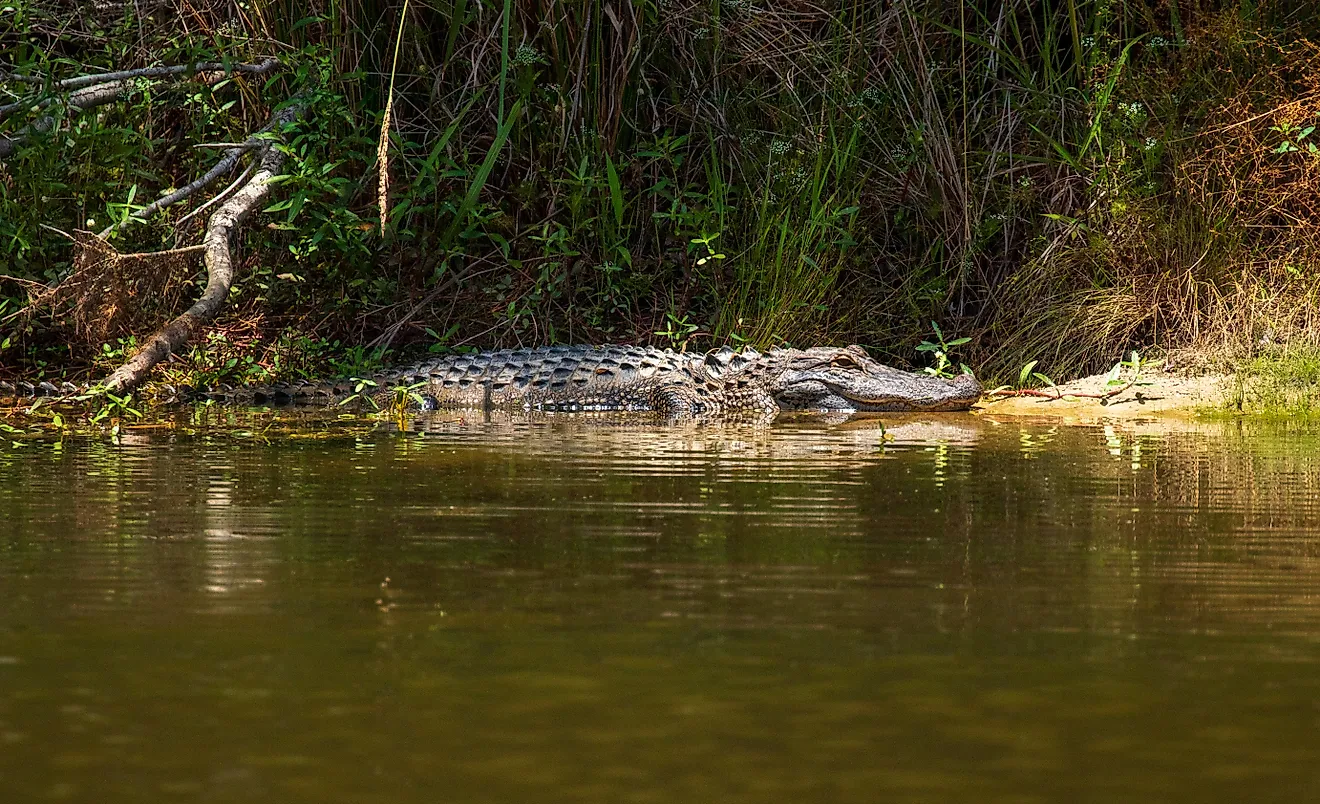
Lake Waccamaw, located in Columbus County at the southeastern tip of North Carolina, is an oval-shaped lake that spans about 9,000 acres within Lake Waccamaw State Park. Its distinctive water chemistry, which is more alkaline than that of other lakes in the state, supports a diverse ecosystem teeming with wildlife, including alligators and various snake species.

Among these is the venomous cottonmouth (Agkistrodon piscivorus), commonly found in wetland areas, often spotted swimming in the lake or sunbathing along the banks. Conversely, non-venomous species like the eastern garter snake (Thamnophis sirtalis) and the eastern rat snake (Pantherophis alleghaniensis) can frequently be seen near the shoreline and in the marshy regions surrounding the lake. The cypress swamps and lush aquatic vegetation by the lake offer plenty of shelter and food for local reptiles. While these snakes generally try to avoid human encounters, it’s wise to remain cautious while walking along the park trails or exploring the lake’s edges.
Pocosin Lakes

The Pocosin Lakes National Wildlife Refuge in northeastern North Carolina includes expansive wetlands and dense cypress swamps that typify the area. This extensive marshy habitat creates an excellent environment for a variety of snake species, making it a popular destination for reptile enthusiasts and wildlife watchers.

Some of the snakes found in the area include water moccasins (Agkistrodon piscivorus), eastern rat snakes (Pantherophis alleghaniensis), eastern garter snakes (Thamnophis sirtalis), and common watersnakes (Nerodia sipedon). These snakes are often spotted basking on logs, swimming in the water, or hunting along the shoreline. When exploring the lake and its surroundings, it’s advisable to stick to designated paths, wear suitable footwear, and avoid tall grasses to minimize the risk of snake encounters and to help preserve the natural environment.
Stay Educated About North Carolina's Snakes
North Carolina has many wonderful lakes, many of which offer natural beauty and recreation. However, due to their snake populations, these lakes also require caution. While dangerous encounters are generally rare in this state, understanding which lakes harbor higher snake activity can help you stay safe and aid in protecting these vital ecosystems.