7 Most Alligator Filled Places in North Carolina
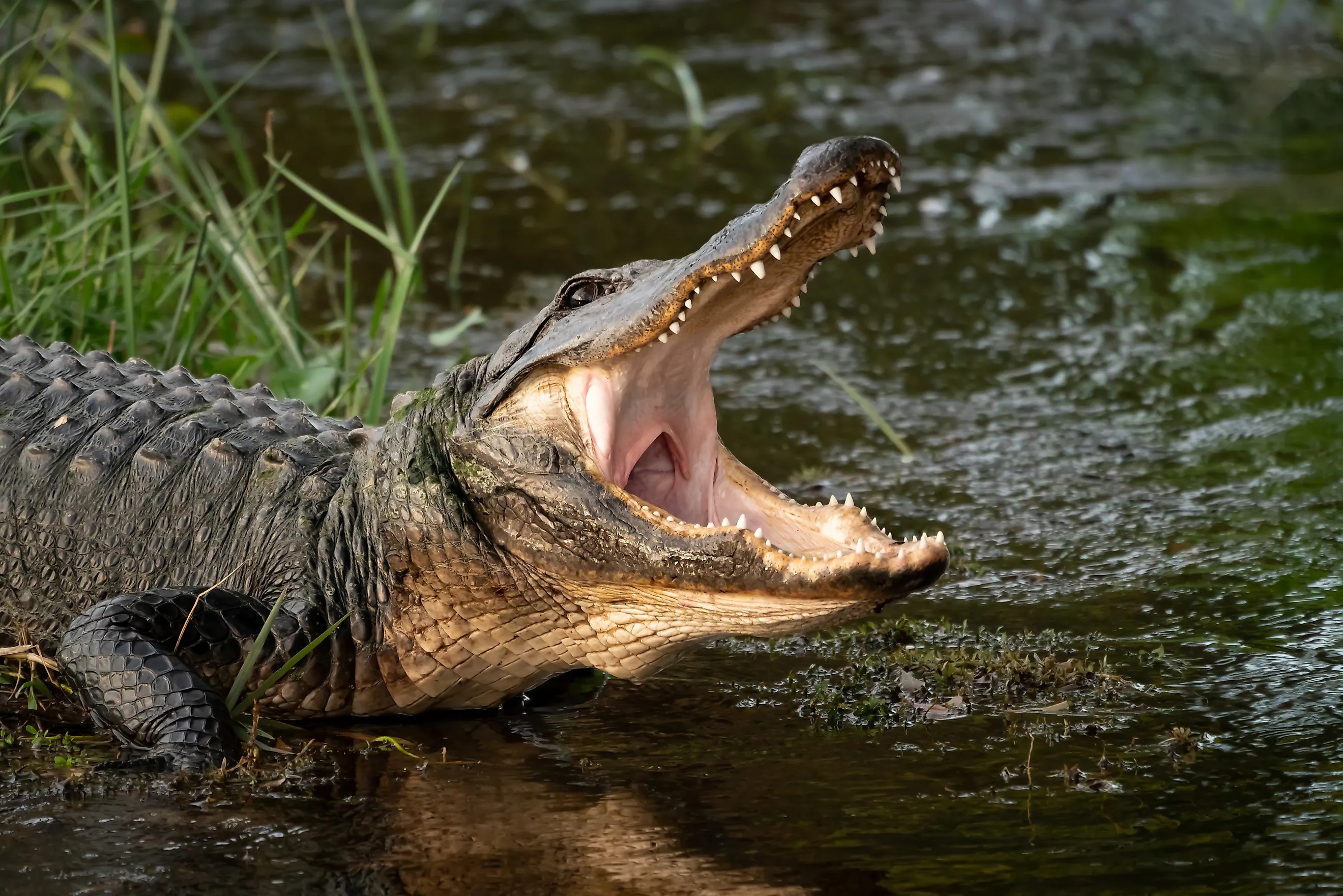
North Carolina sits at the edge of the American alligator's natural range, where marshes and slow rivers provide ideal habitats for these prehistoric reptiles. In the southeastern coastal plain, particularly along the lower Cape Fear River System, fresh backwaters teem with alligators from Brunswick County through New Hanover and Onslow counties, while vast wetlands like The Green Swamp hold water deep and warm enough for both breeding and feeding. Though population numbers here are far lower than in the Deep South, encounters do occur, meaning it's important to know exactly where one's most likely to run into this sizeable predator.
Alligator River Refuge

Few waterways in North Carolina carry a clearer connection to the reptile that rules the region than the Alligator River. This blackwater channel runs across the Albemarle Peninsula, beginning in swampy flats near Fairfield and emptying into Albemarle Sound at East Lake, opposite Roanoke Island in the Outer Banks. The river flows through vast pocosin wetlands protected within the Alligator River National Wildlife Refuge, a 154,000-acre preserve established in 1984 to safeguard one of the state’s richest coastal ecosystems. Peat-filled soils, dense shrub bogs, and flooded forest create exactly the quiet, warm water alligators favor, supporting one of the northernmost breeding populations of the species in the United States. The refuge also shelters black bears and the nation’s only wild population of red wolves, placing alligators within one of the most biologically significant wetland landscapes on the Atlantic coast.
Orton Pond

Just southwest of Wilmington, Orton Pond has one of the highest concentrations of alligators in the state. The lake in Brunswick County began as a reservoir for rice plantations and sits close to the Cape Fear River System’s tidal network, allowing these massive reptiles to thrive in its sheltered, fish-rich waters. The pond lies within the privately owned Orton Plantation property, limiting public access to private charters and leaving the ecosystem largely undisturbed. This presents near-perfect conditions for a species that can live for more than forty years and guard nests of between 30 and 60 eggs at a time. In a state that boasts around 1,000 alligators, this quiet lake stands out as one of North Carolina’s most gator-packed environments.
The Cape Fear River System

The Cape Fear River System is North Carolina's largest watershed and forms the backbone of alligator territory along the state's southeastern coast. Stretching roughly 200 miles from its formation by the Haw and Deep rivers near Moncure to the Atlantic between Bald Head Island and Southport, the river spills into tidal marshes, creeks, and estuaries as it approaches Wilmington. Alligator sightings occur along the lower river and the Northeast Cape Fear River, a 130-mile tributary that meets the main channel beside Eagles Island and the USS North Carolina Battleship Memorial. The restored national landmark, which took part in every major naval offensive during WWII, is a frequent hangout spot for a well-known resident gator nicknamed "Charlie," who has been observed for years. Nearby wetlands around Carolina Beach State Park also attract gators, occasionally even drawing them into the park’s marina.
Merchants Millpond State Park

Merchants Millpond State Park offers extensive hunting and foraging grounds for American alligators. The pond, created over 200 years ago by damming Bennetts Creek, covers more than 700 acres, creating shallow, nutrient-rich waters that support dense populations of fish and amphibians, as well as turtles, the primary prey for alligators. The submerged roots of cypress and tupelo trees create ideal ambush points, and seasonal flooding expands the pond's edges into wetlands where young alligators forage. The adult males patrol deeper channels where canoeing and kayaking take place. While alligators and humans have rarely been recorded interacting in Merchants Millpond State Park, it is one of the more reliable places to see them in the state.
Greenfield Lake

Alligators occur naturally in Greenfield Lake because of its proximity to the Cape Fear River. Sightings of these often massive predators occur in the 190-acre freshwater lake, most often in warmer months when they are active. Boaters, paddlers, and park visitors regularly see the reptiles swimming, basking along the shoreline, or even crossing nearby roads. One very large individual, estimated at 12 feet long, was captured and removed from the lake in 2010 after drawing local attention because of its size. Smaller alligators, often 6 to 8 feet long, have also been observed moving between the lake and adjacent ditches or creek channels. Local wildlife officials and signage at Greenfield Lake stress that feeding or harassing alligators is illegal and increases risk by diminishing their natural wariness, a reminder that coexisting with these creatures requires maintaining a safe distance.
Black River

The Black River winds through one of the most unusual swamp systems in the eastern United States, and its slow, tea-colored water provides reliable habitat for alligators. Formed where Great Coharie Creek and Six Runs Creek meet in Sampson County, the river flows roughly 60 miles through Sampson, Bladen, and Pender counties before joining the Cape Fear River. The lower parts of the river move slowly through broad floodplain swamps dominated by bald cypress and tupelo trees. Some of the cypress growing here are more than 2,600 years old, making them among the oldest known trees in eastern North America. Those deep, shaded backwaters are also well suited for alligators, which favor quiet freshwater channels and flooded forest edges. Paddlers regularly report sightings while moving through Three Sisters Swamp.
The Waccamaw River And The Green Swamp

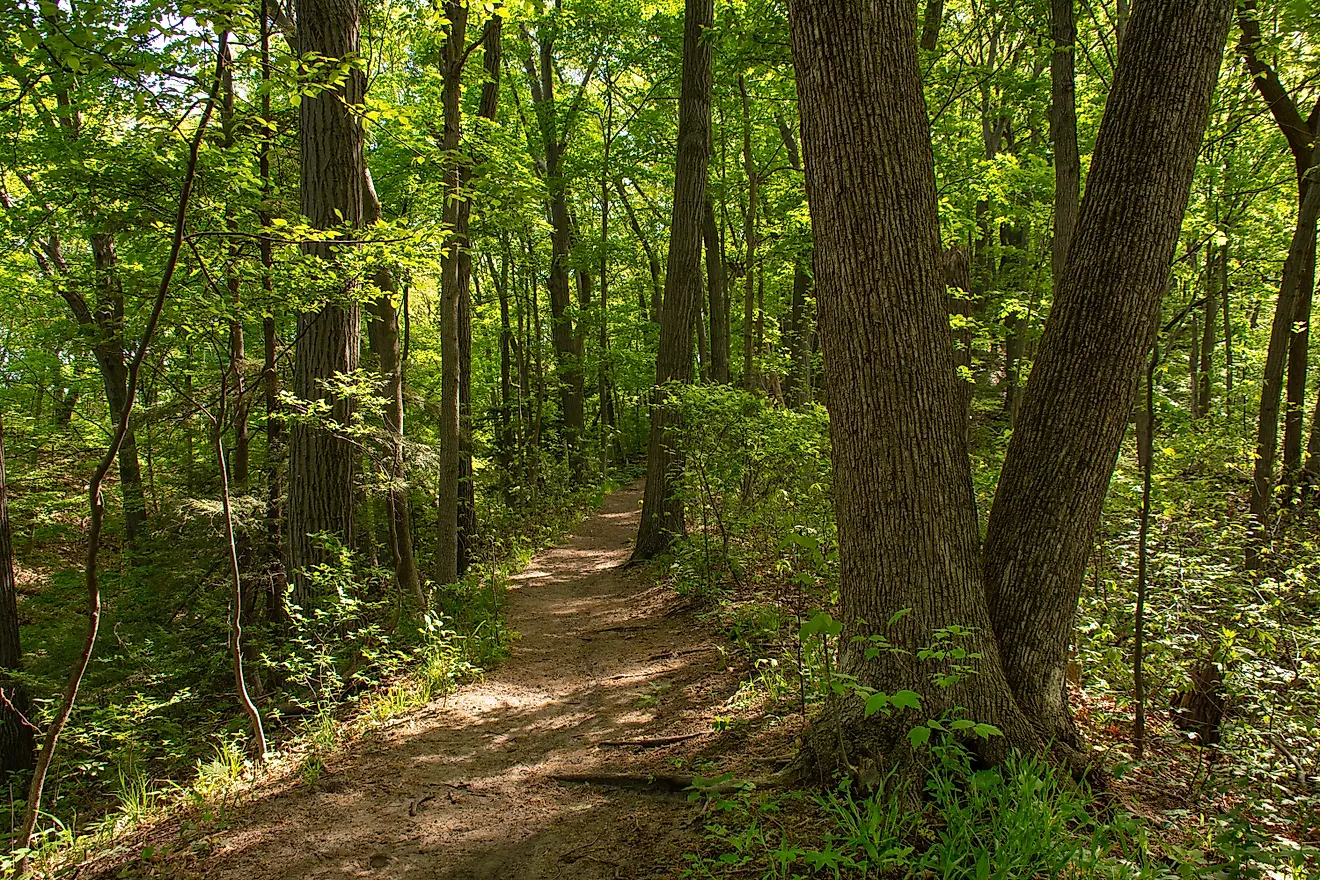
The Waccamaw River carries dark, slow water from southeastern North Carolina into South Carolina, forming one of the region’s most reliable alligator corridors. The river begins at Lake Waccamaw and travels roughly 140 miles south before merging with the Great Pee Dee River and entering Winyah Bay near Georgetown. Not far from Lake Waccamaw is the Green Swamp, a preserve managed by the Nature Conservancy that protects one of the best remaining longleaf pine savannas in the state across more than 15,000 acres. Because of its landscape and the unique plants found within, such as Venus flytraps and bladderworts, the Green Swamp Preserve is a well-liked hiking destination. But visitors should be wary of the presence of alligators in the area's dense evergreen shrub bog. Given that much of the swamp and the river that feeds it is untouched by development, alligators have free rein to bask in the sun, reproduce, and hunt without much human interference.
American alligators thrive in habitats shaped by cypress, tupelo trees, and slow-moving backwaters. From Orton Pond’s sheltered waters to Merchants Millpond’s nutrient-rich channels, the Black River’s ancient swamps, and the Alligator River Refuge’s vast pocosins, these reptiles hunt, bask, and nest all across North Carolina. Sightings range from 6 to 8-foot adults to occasional record-size individuals like Greenfield Lake’s 12-foot gator in 2010. While North Carolina's alligator population isn't as substantial as those in the Deep South, visitors to these specific places may get to see one of America's most beloved, feared, and respected reptiles.