The 6 Deadliest Animals In Southern California
Along with beautiful creatures of land and sea, Southern California is home to some of the most dangerous, deadly, and venomous creatures in the United States. Beyond the palm-lined highways and iconic surf breaks, rattlesnakes coil within rock crevices, sharks patrol the shore, and insects live among humans, almost too small to be detected. While most of the creatures on this list pose little threat when left undisturbed, understanding their behavior can help prevent negative encounters. Before exploring SoCal’s notoriously breathtaking landscapes, read this article to discover which animals might cross your path, and how to stay safe.
Mountain Lions

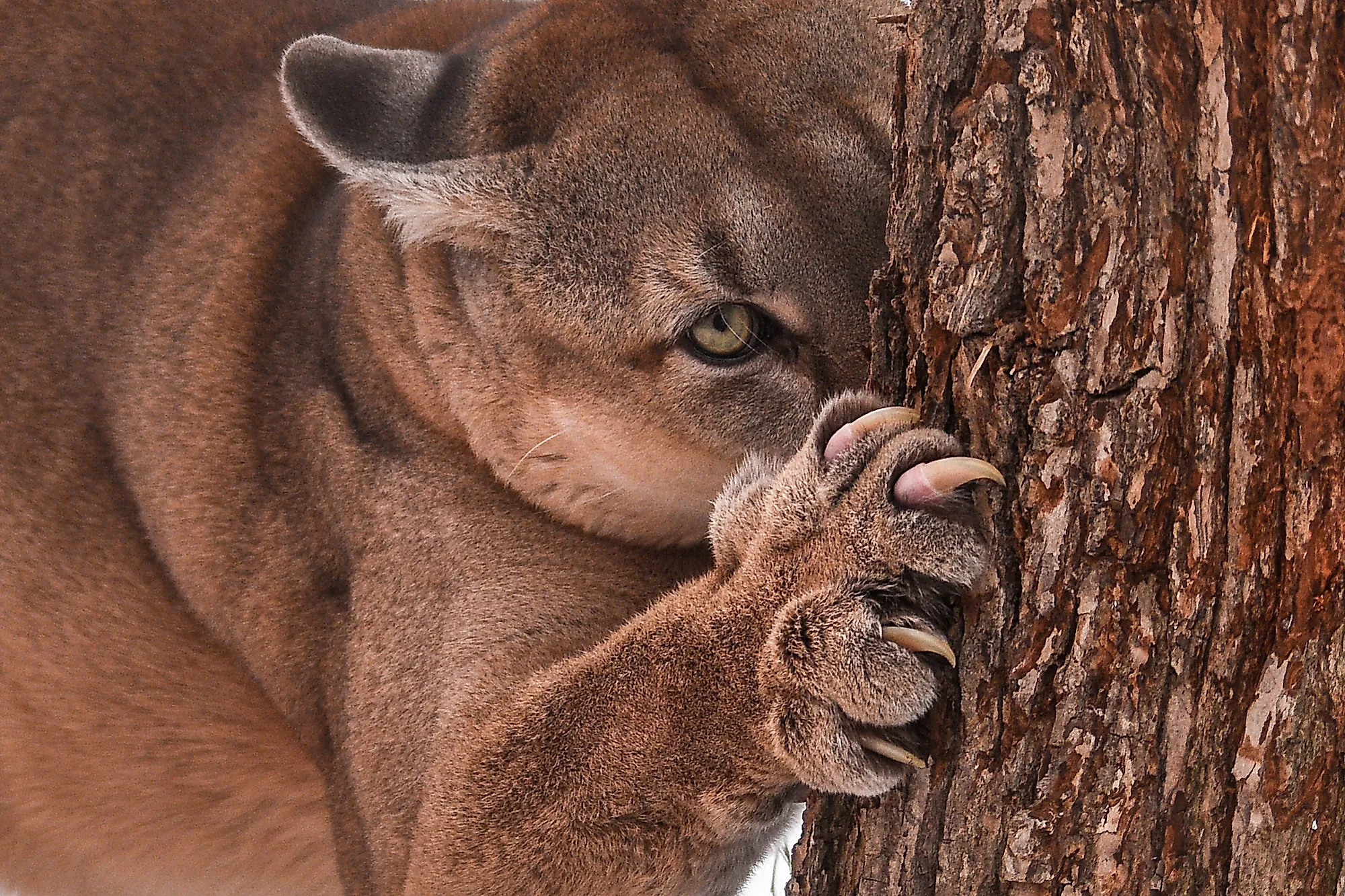
Mountain lions have made a home in the Santa Monica Mountains, as well as in Los Angeles. In fact, LA is one of the only two megacities in the world to have big cats living within city limits. While they go by different names in different regions (such as “cougar”, “puma”, and “panther”), they are fairly easy to distinguish. The ferocious felines have a tawny coat and black tipped noses, with a pale underbelly. They are 5-8 feet long and can weigh up to 170 pounds, making them the second-largest cat in North America, following the jaguar.
As urban life expands and compromises wildlife, mountain lions occasionally hunt in cities and suburbs, putting pets and livestock at risk. Attacks on humans are very rare, however. Since 1890, there have been six known human fatalities in the state of California. Mountain lions are reclusive and prefer to keep away from people. If hikers do encounter one of these wild cats, they should not turn their backs and run. Instead, they are advised to appear as large as possible and attempt to intimidate the anxious yet mighty creature by waving their arms and throwing rocks.
Great White Sharks

One of the ocean's primary predators is known to prowl the shores of Southern California. These predators are 15-foot sharks with charcoal-grey-white torpedo-shaped bodies and jaws packed full of serrated teeth. The great white shark is famously feared, though the species remains largely mysterious. Their life is so uncharted that no one has ever actually seen one give birth.
To date, there have been fewer than 200 known attacks and 16 fatalities that involved great white sharks since 1950. While some attacks occur between divers and sharks, attacks are more common on the surface, where sharks are believed to mistake humans for seals, their usual prey. Some scientists dispute this, saying that shark attacks are more often a case of “exploratory bites,” where they try to determine whether or not something is of nutritional value. If you do encounter a shark while in the water, it's best to stay calm, avoid turning your back on it, and slowly swim away.
Black Widow Spider

Named for their macabre mating rituals, the black widow spider is Southern California's most notorious venomous arachnid for good reason. There are actually several unique species of widow spiders, and some females do famously eat their mates after reproducing, though this is likely not as widespread or common as popular culture would have us believe. Males have a brown coloration, while females’ black bodies are typically marked with a bright red hourglass on the abdomen, giving them a distinct appearance and making them relatively easy to identify. The females are also far more venomous, as well as being larger than the males. They live in dark places, such as the corners of basements and outdoor woodpiles, and the silk they spin for their webs is stronger than high-grade steel and more durable than Kevlar.
The spider injects venom into its prey through its fangs. In animals, this causes paralysis and can be lethal. For humans, these bites typically cause symptoms such as nausea, muscle cramps, and difficulty breathing, though on rare occasions, people have died from a bite by a black widow. While this outcome is rare, it is best to be checked by a doctor if bitten.
Desert Recluse Spider

Found within the Mojave and Sonoran deserts, the desert recluse spider is the most common recluse in California. Their bodies are light brown, with six eyes, unlike most spiders, which typically have eight eyes. They have a distinct shape that many liken to a fiddle. These spiders are often mistaken for the far more deadly brown recluse, which has the same body shape and coloring but two additional eyes and more lethal venom.
Desert recluse spiders love to make a home in cacti or in rat nests, but will also move into homes if there is an opportunity to do so. Holes in the wall, cinder blocks, and even piles of clothing make alluring resting places, so be wary of accidentally creating the perfect habitat for these desert dwellers.
Scorpions

Many species of scorpions consider Southern California their home, including the giant desert hairy scorpion, the stripe-tail scorpion, and the most deadly of the group, the Arizona bark scorpion. With a body of two segments and a tail of five, complete with eight legs and a stinger, these 3-inch creatures look as dangerous as they are. Their bodies are yellow, but under ultraviolet light, the scorpions will glow green. Due to its ability to climb, the bark scorpion can be found in trees, high on rock walls, and within crevices. They are drawn to the moisture found within houses, as well as in piles of wood, bricks, or rocks.
Out of all the scorpions found in the US, the bark scorpion has the most toxic sting. Symptoms of a sting include swelling at the site, numbness, frothing at the mouth, muscle twitching, respiratory distress, and, in very rare instances, death. In the case of a sting, clean the wound with soap and water, apply a cold compress, and contact a medical care provider for scorpion anti-venom.
Rattlesnakes

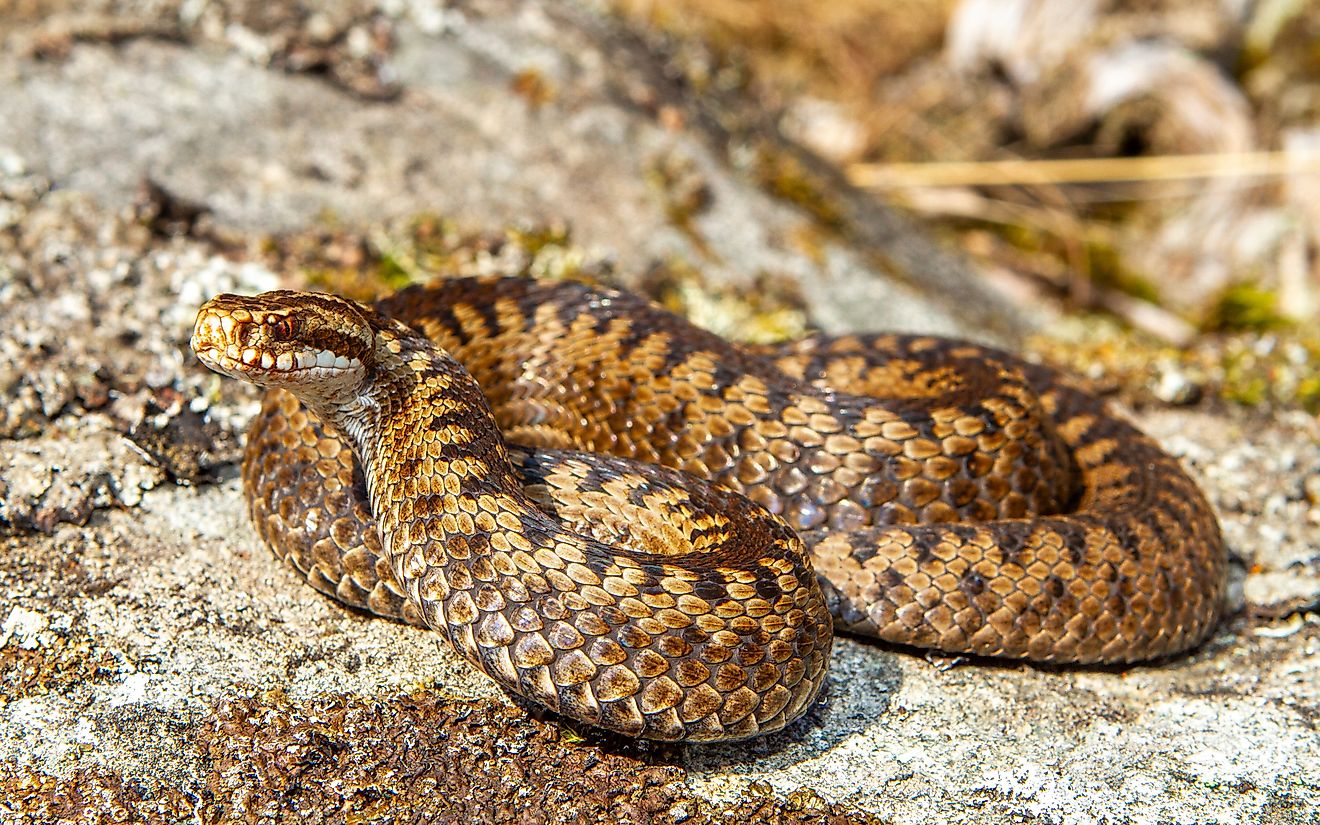
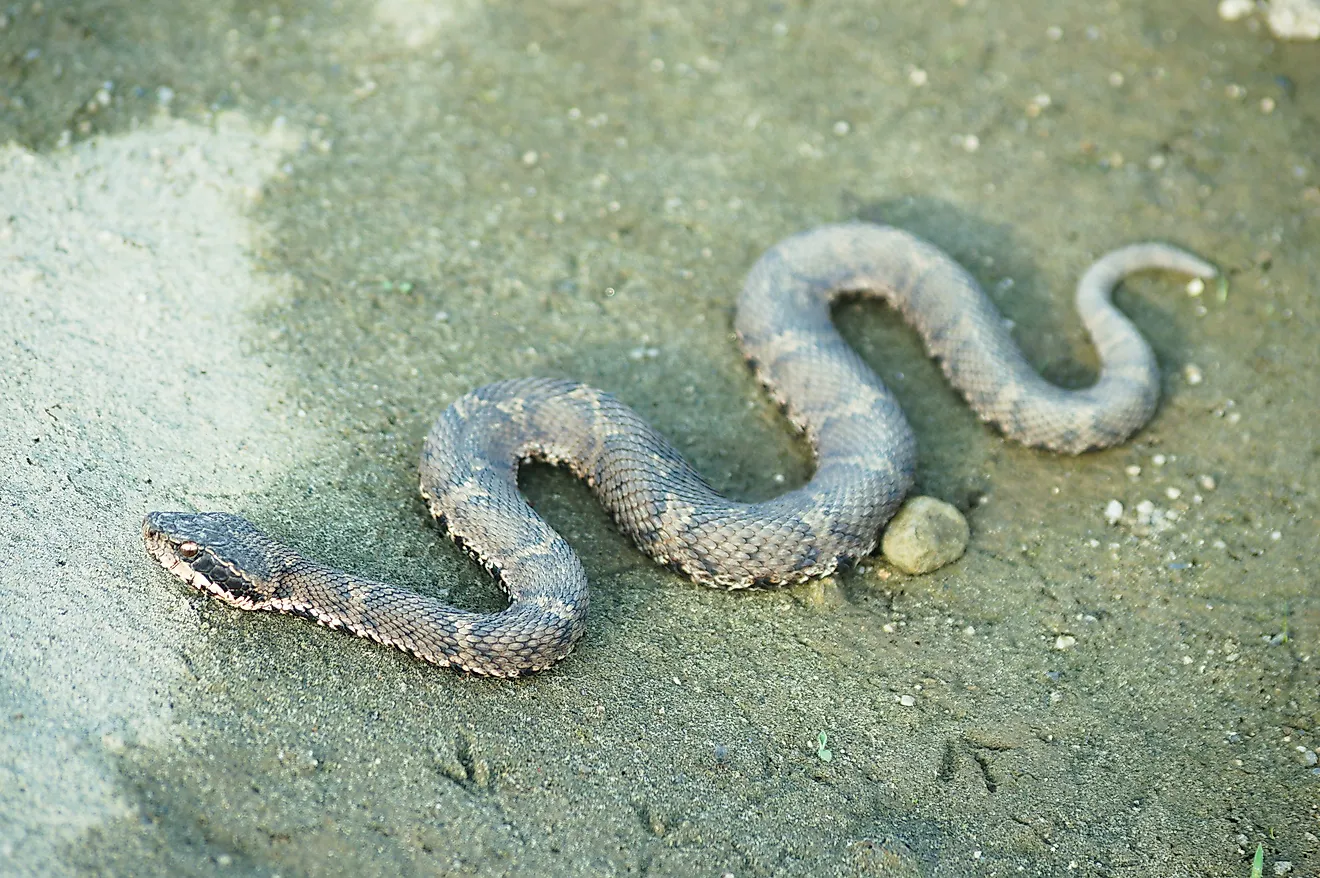
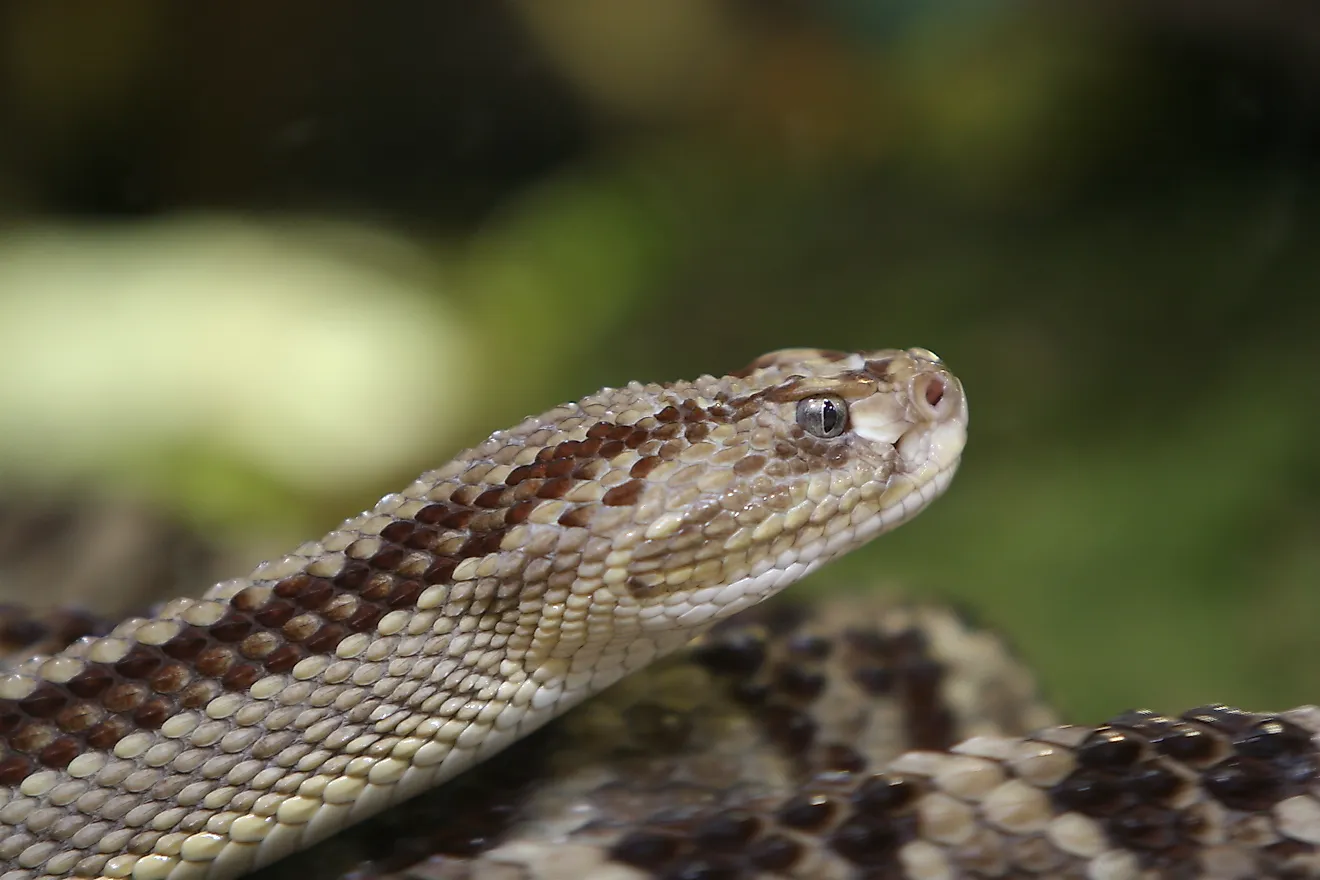
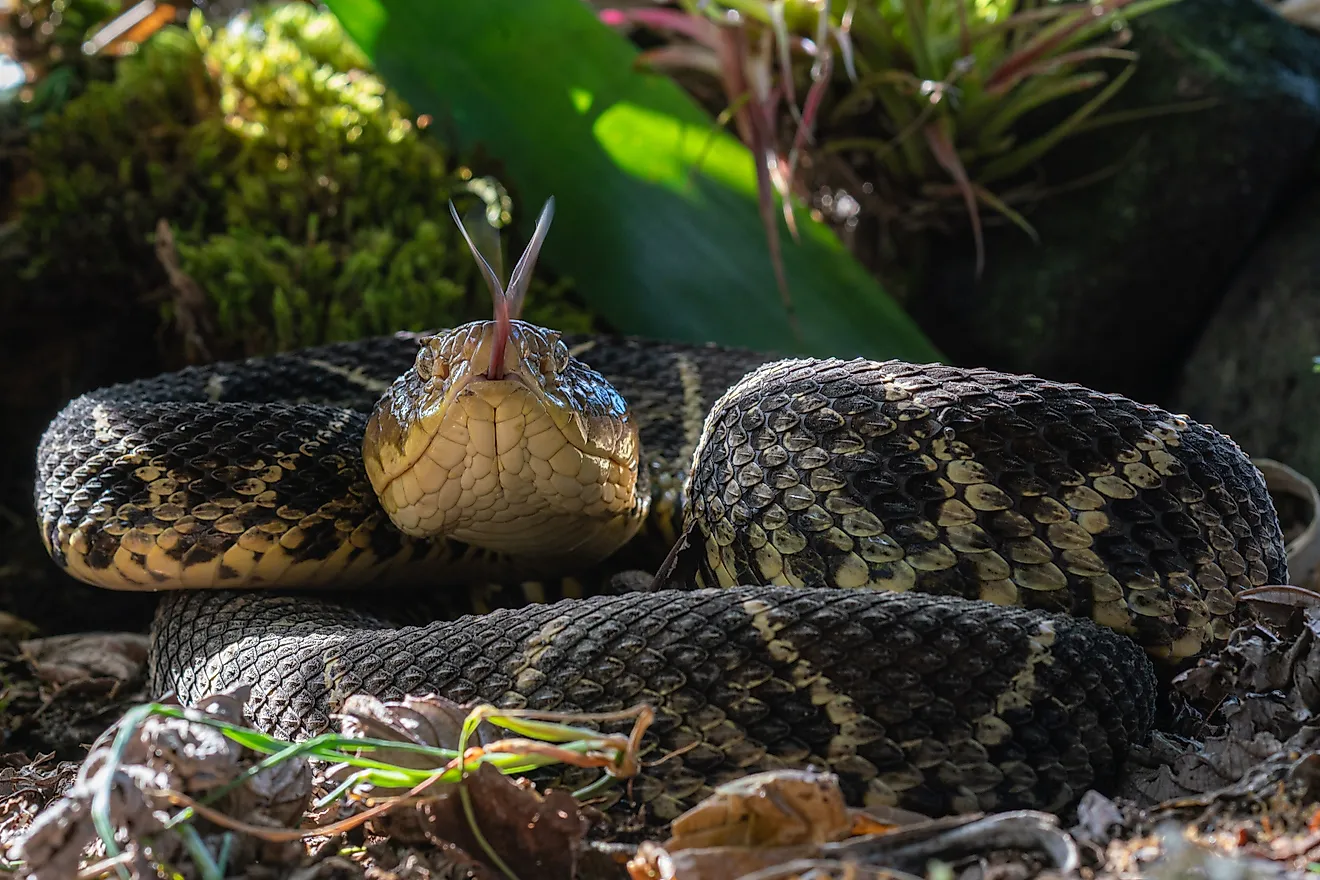
Southern California is home to many species of rattlesnake, all of which have a medically-significant amount of venom, making them a dangerous animal to come upon. This includes the western diamondback and Mojave rattlesnakes, which are both pit vipers that dwell in rock crevices, burrows, and under vegetation. They have triangular heads with various-colored rings around the tips of their tails. Unlike many other snakes, their heads are wider than their neck. A distinguishing feature between the western diamondback and the Mojave rattlesnake is that the former tends to have a more speckled or chain mail appearance, while the latter has cleaner, more defined patterns.
While wandering the deserts and grasslands these venomous reptiles call home, it is recommended to wear sturdy boots and loose-fitted pants, which help to block a snake's common striking point. Avoid tall grass and heavy underbush, and opt instead to walk on marked trails. Remain alert when traveling near streams. Rattlesnakes can also swim and are sometimes mistaken for sticks and logs. Most rattlesnake attacks are a result of humans handling the snake, rather than the snake approaching them. By nature, they are sensitive, fearful, and introverted. Therefore, if you see one, simply walk around it, giving the snake plenty of space. A bite from any rattlesnake can be fatal, so make sure to seek medical attention in the event of this unlikely occurrence.
Between rocky bluffs, vast wilderness, and seemingly endless deserts, Southern California’s varied landscapes may be a great vacation spot for tourists, but to many different animals, this is home. While these animals can pose risks, they are also vital parts of the region’s ecosystems, shaping the hills and coasts that make SoCal so unique. This list gives you tips to stay alert and give every creature the space it needs to survive. While first aid equipment and smart clothing can help, respect for wildlife is the simplest and most effective safety tool you can carry while exploring this beautiful state where wildness and wonder coexist.