10 Iconic Animals That Live Only In Costa Rica
Costa Rica is one of the most biologically diverse countries on Earth. It sits at the meeting point where shifting tectonic plates raised mountain chains and volcanoes divided climate zones within short distances. Caribbean winds drench one slope in rain and Pacific currents dry another. Elevation contrasts transform tropical heat into cool cloud forest within a few thousand feet.
Over millions of years, these natural barriers isolated populations and pushed species down unique evolutionary paths. The result is a concentration of animals found nowhere else on the planet. These animals are endemic to Costa Rica, meaning they only live within the country's borders. Each evolved within specific environmental boundaries and holds a distinct ecological role.
Black-Cheeked Ant Tanager

The black-cheeked ant tanager (Habia atrimaxillaris) lives only in the Golfo Dulce region of Costa Rica's southern Pacific lowlands. The entire range lies within a relatively small stretch of humid rainforest. This species is one of the country's most geographically restricted birds. Dense understory vegetation is its preferred habitat, where it moves deliberately through shaded forest layers in search of food.
This medium-sized songbird has a dark-gray body with a red tinge and a salmon-orange chest and throat. It feeds on insects and other small invertebrates gleaned from foliage. Fruit is also a small part of its diet. Ongoing deforestation within its narrow habitat has placed this species at risk.
Cocos Island Finch

The Cocos Island finch (Pinaroloxias inornata) lives exclusively on Cocos Island in the eastern Pacific Ocean. It technically isn't a true finch, and instead belongs to the tanager family. Its entire population exists on this isolated island of Costa Rica, creating a closed ecological system with limited external influence. One of the island's three native land bird species, it fills multiple feeding roles within the forest and coastal habitats.
Males are entirely black and females are streaked brown with paler undersides and a yellowish beak. This small songbird eats insects, seeds, fruits, and shoreline crustaceans. Its generalist feeding behavior supports survival in a confined environment with limited resources.
Mangrove Hummingbird

The mangrove hummingbird (Amazilia boucardi) is a rare and endangered species restricted to Costa Rica's northwestern Pacific coast. Its habitat is made up of mangrove forests and small coastal patches where flowering shrubs and trees give a steady supply of nectar. This tiny bird navigates dense branches with precision, hovering to sip nectar and probing flowers for sustenance.
Males show bright green plumage with subtle golden highlights. Their throats flash a faint blue in sunlight. Females appear slightly duller but share the same iridescent tones. Insects and spiders supplement their sugary diet, adding protein to support high-energy flight. Coastal development and mangrove deforestation threaten the survival of this vulnerable species.
Golfodulcean Poison Dart Frog

The Golfodulcean poison dart frog (Phyllobates vittatus) lives on the humid forest floor of Costa Rica's southern Pacific coast. It especially inhabits the Golfo Dulce region. Its body is black marked with vivid yellow or orange stripes down its back that signal toxicity to predators. A light blue stripe runs down its sides and the legs are speckled light blue. This small amphibian stays close to streams and damp leaf litter, where moisture supports skin respiration and breeding.
Its diet consists of small insects and arthropods, which contribute to its potent skin toxins. Breeding occurs during rainy periods, with adults transporting tadpoles to quiet nursery pools. Habitat loss has reduced the availability of suitable forest sites, making conservation efforts critical for continued survival.
Los Diamantes Worm Salamander

The Los Diamantes worm salamander (Oedipina carablanca) is a slender, lungless species. It is found in the Los Diamantes area near Guápiles in the Limón Province on the Caribbean slope.
Its elongated body and tiny limbs support efficient movement through leaf litter, the crevices of fallen logs, and soil. Dense forest canopy and consistently damp conditions are essential for survival, as it breathes entirely through its skin. Its body is dark brown to black with lighter mottling along the sides and white splotches near the head. This nocturnal amphibian feeds on small invertebrates, including insects, mites, and worms. It uses quick strikes to capture prey.
Habitat loss caused by deforestation and agricultural expansion has reduced its populations. Its fragile nature and strict habitat needs make this salamander especially vulnerable to environmental disturbance.
Talamanca Glass Frog

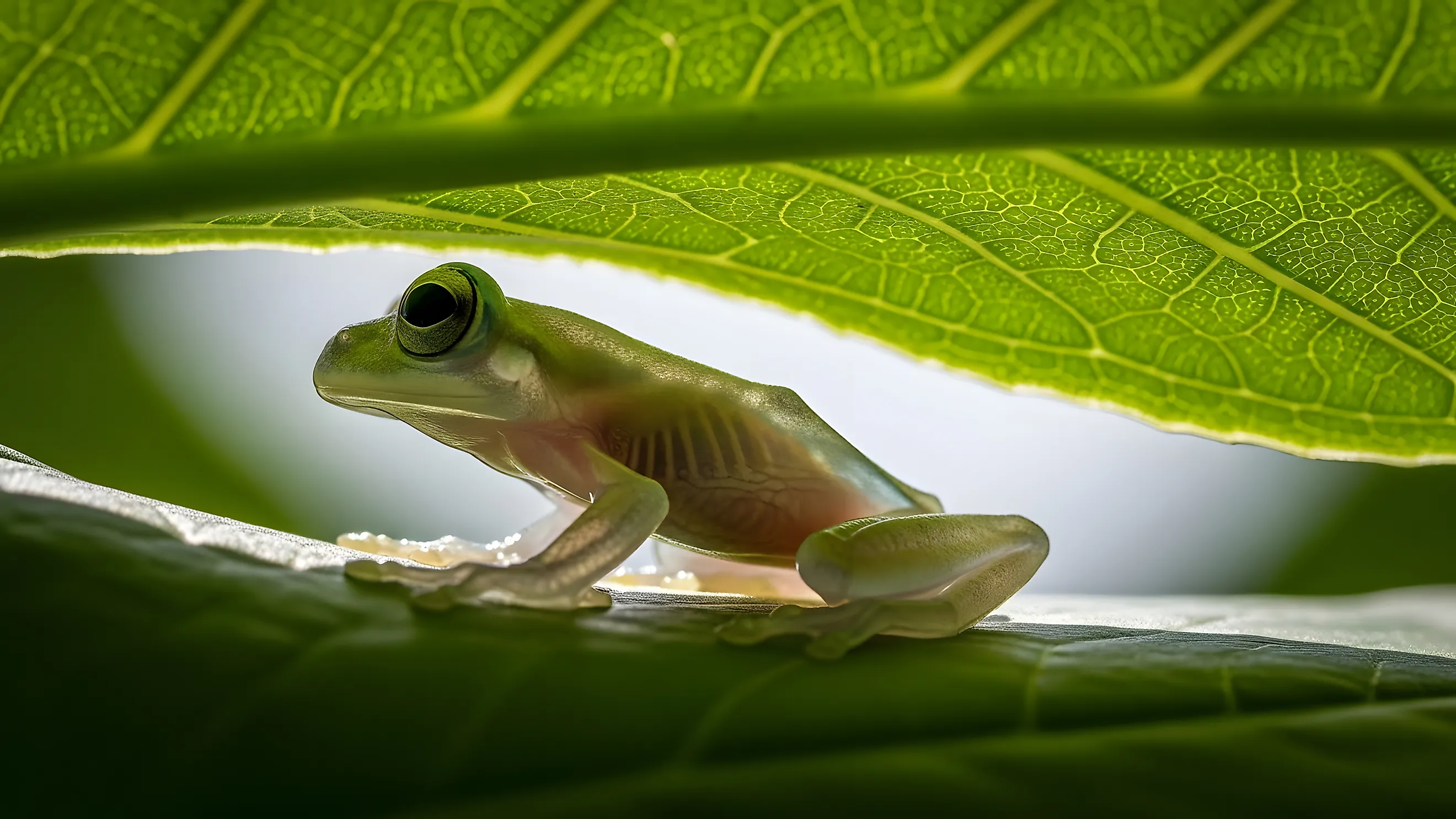
The Talamanca glass frog (Hyalinobatrachium talamancae) inhabits premontane wet forests in the Talamanca mountains. The dense riparian vegetation that lines the waterways supports this small amphibian. Its translucent underside reveals internal organs through the skin, a unique trait among glass frogs. It has light yellow and green coloration, with a darker green stripe down its back and yellow spots.
Males protect gelatinous egg clutches laid on leaves hanging over running water. After hatching, tadpoles drop directly into the stream below. The species depends on clean, stable aquatic systems for successful reproduction. Changes in precipitation patterns and stream quality threaten the delicate balance required for its life cycle.
Cocos Flycatcher

The Cocos flycatcher (Nesotriccus ridgwayi) is a small, slender songbird endemic to Cocos Island. It is about 5 inches long with an olive-brown body, a pale grayish throat and chest, and a slightly yellowish belly. Its narrow beak and subtle eye ring give this species a delicate appearance typical of many flycatchers.
This bird occupies humid tropical forest edges, clearings, and coastal vegetation where it feeds mostly on insects. It typically hunts by perching and making short aerial sallies to capture flying insects. The Cocos flycatcher plays an important role in balancing insect populations within the island's forest ecosystem.
Talamancan Palm Pitviper

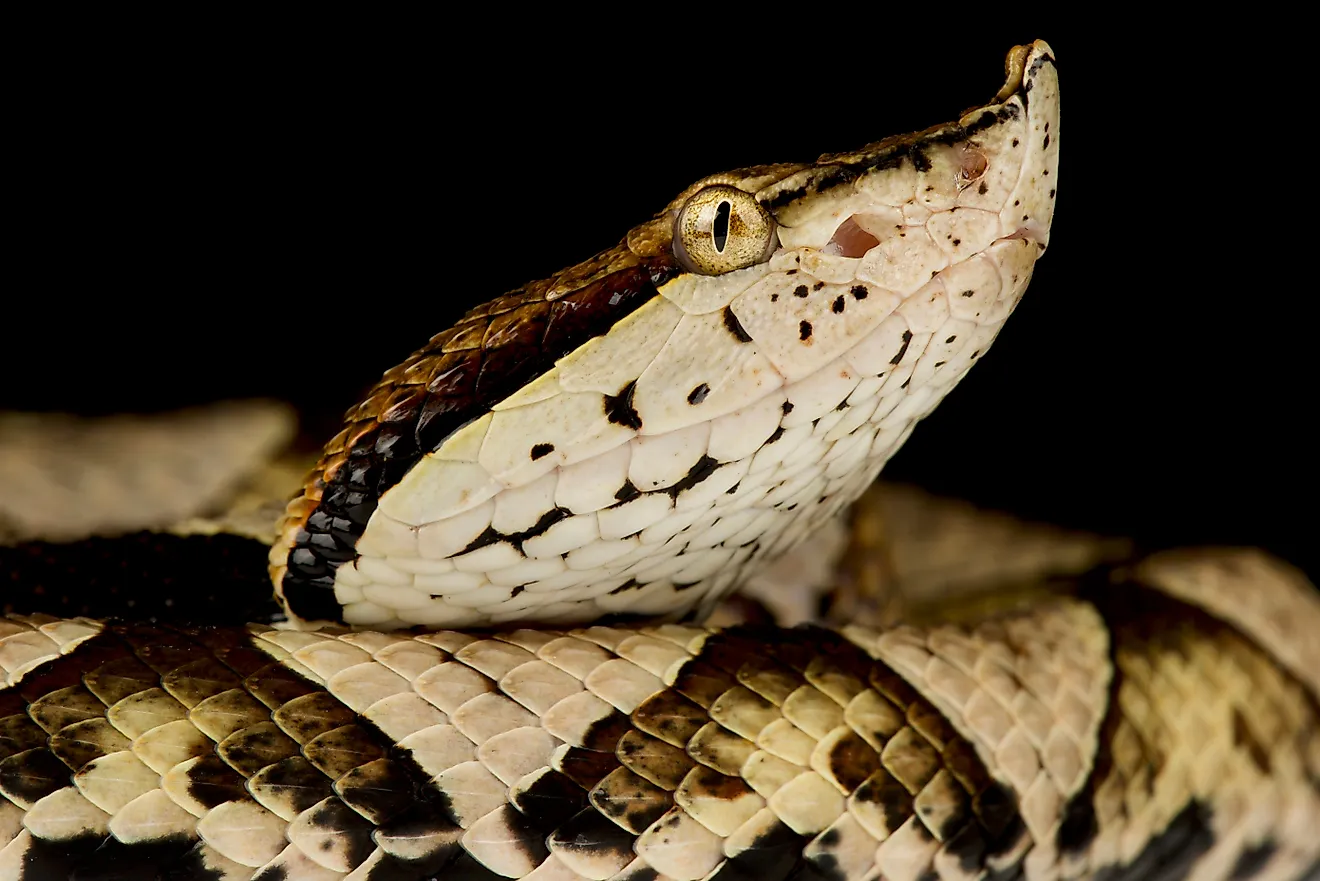
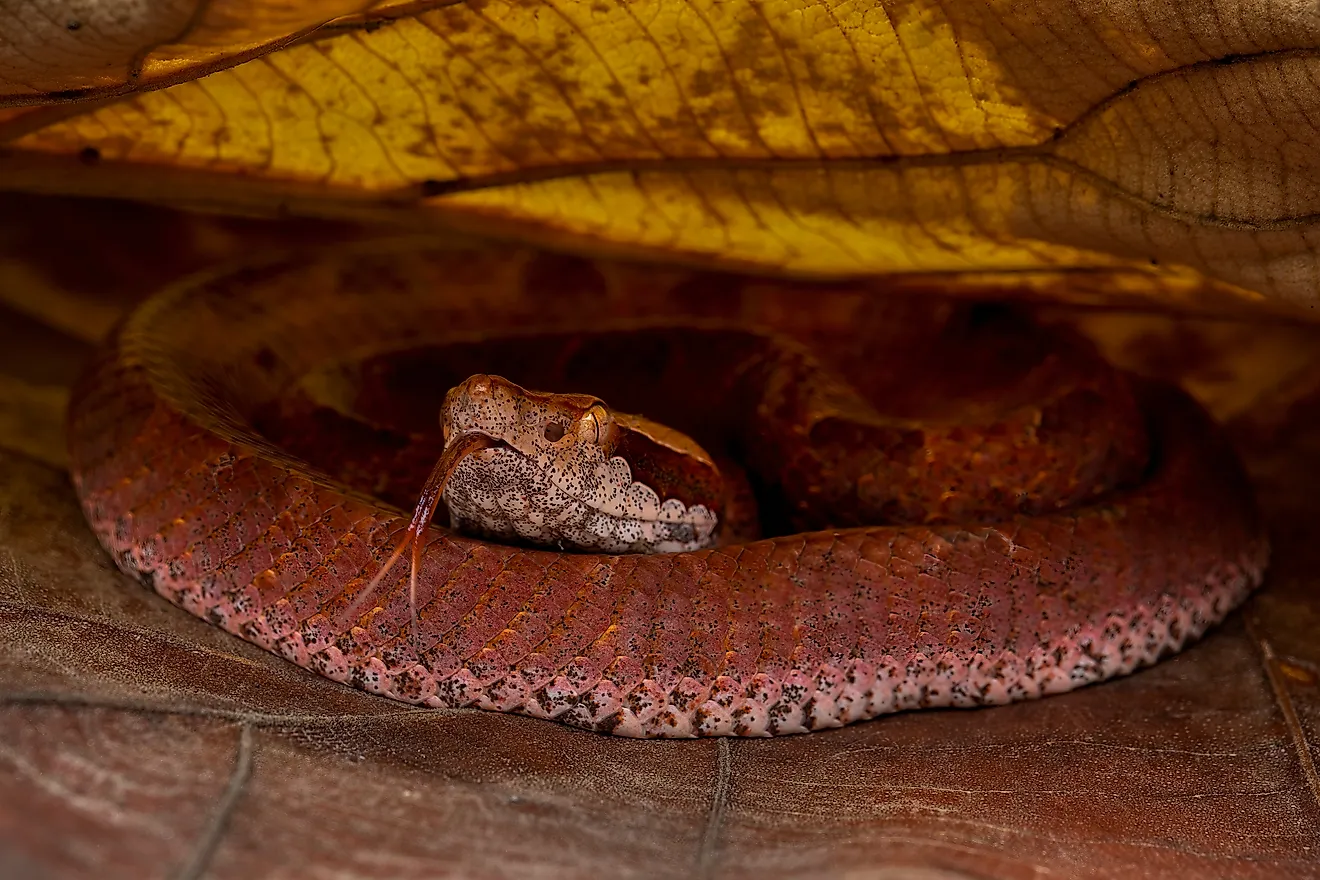
The Talamancan palm pitviper (Bothriechis nubestris) is a venomous snake found only in Costa Rica's montane and lower cloud forests, especially in the Talamanca mountains. Adults reach around 24 to 32 inches in length. It has a slender, muscular body covered in green or green-yellow scales that are excellent camouflage among ferns and palms. Its triangular head has heat-sensing pits that help locate prey in low-light conditions. Its flexible tail allows it to grasp and curl around branches while hunting.
This arboreal predator feeds on small mammals, birds, and frogs along tree limbs and understory vegetation. It is primarily nocturnal. Females give birth to live young, typically in small broods of four to 10. These babies immediately disperse into the forest canopy. This species relies on undisturbed forest with dense foliage for hunting, thermoregulation, and shelter.
Osa Anole

The Osa anole (Anolis osa) is a small arboreal lizard endemic to the tropical forests of the Osa Peninsula in southwestern Costa Rica. Adults are slender and relatively small, typically reaching around 2 to 3 inches in length. They have a brown to olive coloration that helps them blend into bark and foliage. Many individuals also have mottled patterning along the body and a lighter underside.
Like many anoles, males possess a throat fan, or dewlap, used for communication and territorial displays. This species dwells in the forest understory and low vegetation. It hunts small insects and other arthropods as it moves stealthily among leaves and branches.
Cabanis's Ground Sparrow

Cabanis's ground sparrow (Melozone cabanisi) is a small, terrestrial bird found in Costa Rica's Central Valley and surrounding foothills. Adults have a bright rusty-brown head, a white eyebrow stripe, and gray chest that fades into a buff-colored belly. Its sturdy beak is well suited for cracking seeds. Its strong legs support a life spent foraging on the ground rather than in the canopy. This little bird depends on dense shrubbery and thickets for protection.
This species feeds on seeds, insects, and small invertebrates gathered from leaf litter and low vegetation. It builds cup-shaped nests close to the ground within dense brush. Urban expansion across the Central Valley has reduced available habitat, placing pressure on remaining populations.
Costa Rica's Unique Wildlife
Costa Rica's endemic wildlife reflects the country's ecological depth within a relatively small national territory. Isolated mountain ridges create barriers that separate populations. Distinct Caribbean and Pacific watersheds produce varied rainfall patterns. Volcanic highlands, offshore islands, and mangrove-lined coasts further divide habitats. Together, these forces have fostered the development of species found nowhere else.
Costa Rica has built a global reputation for conservation leadership and environmental stewardship. Large portions of its land are protected within national parks and biological reserves. Even so, endemic species face pressures from development, climate shifts, and habitat fragmentation. Sustained national commitment to conservation is integral to the survival of these native animals.