The Role of Naval Power in the Peloponnesian War
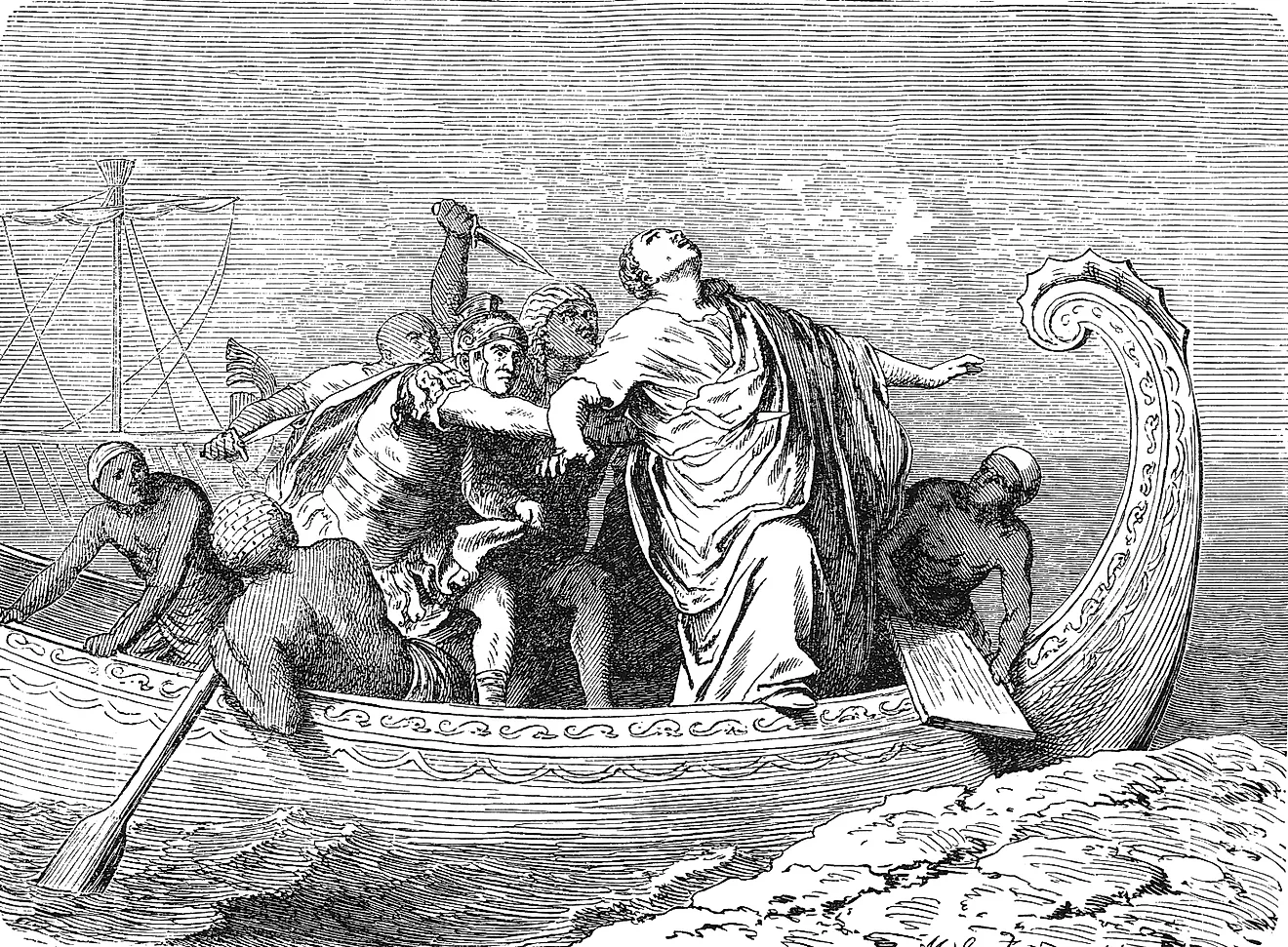
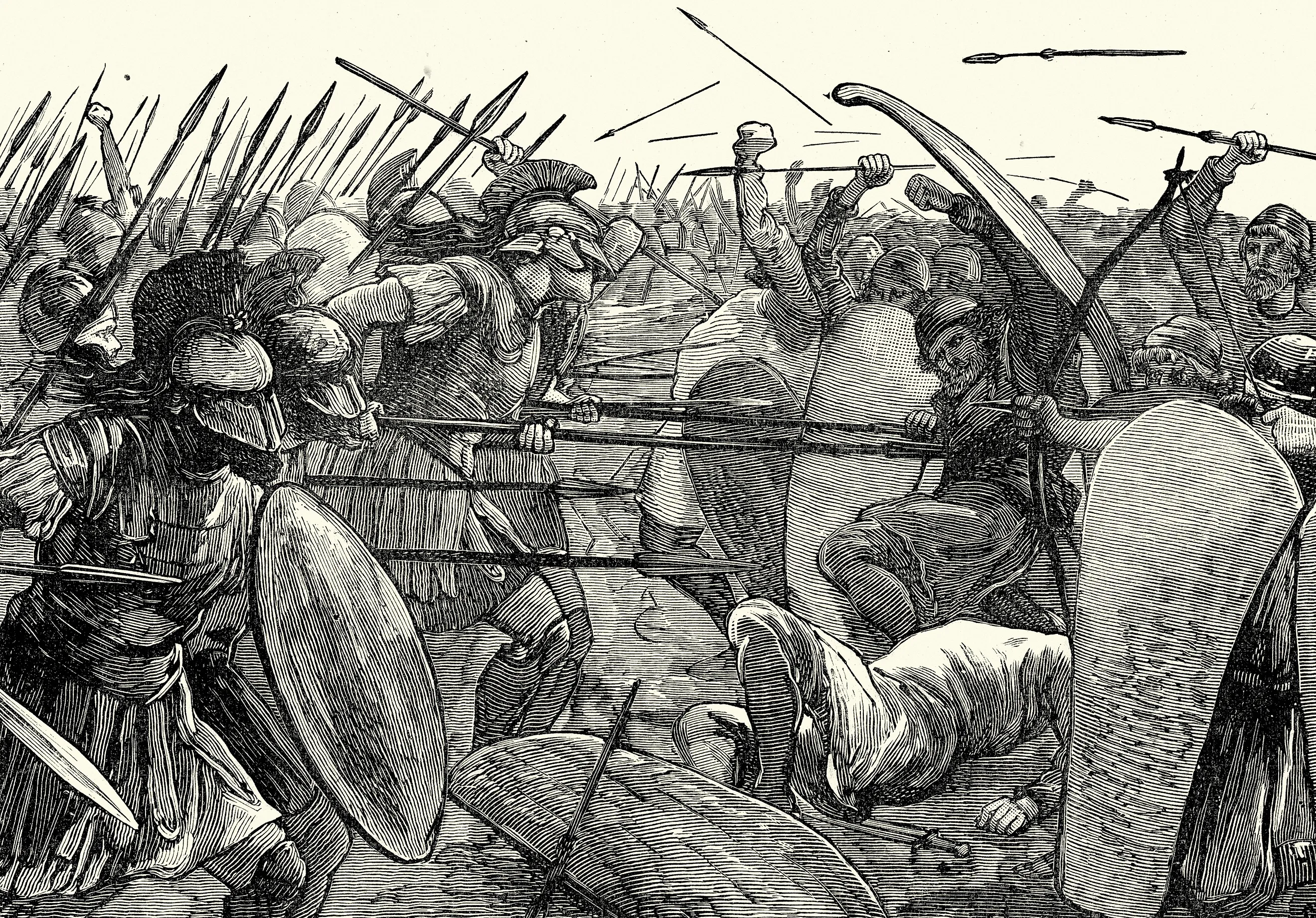
Naval power shaped the Peloponnesian War from beginning to end. Sparta's fear of Athenian dominance at sea helped drive the outbreak of war in 431 BCE, while Athens relied on its navy and the resources of the Delian League to hold its alliance together, secure supply routes, and win key successes such as Pylos and Sphacteria. That advantage began to unravel after the disaster at Syracuse in 413 BCE. By the time Sparta destroyed the Athenian fleet at Aegospotami in 405 BCE, Athens had lost the strength that had sustained it throughout the war.
Background

After the Greco-Persian Wars, which took place throughout the first half of the fifth century BCE, Athens emerged as a dominant player in Greece. This was largely due to its navy, which was by far the most powerful in the region. Funded by the Delian League, an alliance established to defend against the Persians, the Athenians grew in power through the collection of tribute and monetary payments. Sparta, the traditional dominant power in Greece, began to feel insecure about this growth in Athenian influence. This contributed to the First Peloponnesian War from 460 BCE to 445 BCE, which ended with the Thirty Years' Peace. Rather than addressing the problems that led to Sparta's concerns, the treaty effectively recognized Athens’ naval hegemony in the Aegean (Sparta retained control over the land). Thus, Athens continued to increase its naval strength. Anxiety about this development, combined with more immediate flashpoints such as the Corcyra Affair (433 BCE) and the Megarian Decree (432 BCE), led Sparta to declare war on Athens in 431 BCE.
Early Athenian Strength

Athens dominated the sea for the first ten or so years of the conflict. This was demonstrated by the Battle of Pylos and Sphacteria in 425 BCE. In this battle, the Spartans attempted to take an Athenian base on Pylos with a land-and-sea force. However, an Athenian fleet arrived and promptly destroyed the Spartan ships, leaving the land force stranded on the nearby island of Sphacteria. The Athenians subsequently stormed the island and defeated the Spartan force. This battle showed how the Athenians utilised their naval power to compensate for a weaker land force.
Nevertheless, Sparta still leveraged its land superiority by invading Attica, the region surrounding Athens, and burning its farmland. While this had substantial negative consequences (overcrowding in the city due to people fleeing from Attica contributed to the outbreak of a plague in 430 BCE), Athenian naval strength helped mitigate them. For instance, Athens still controlled key supply routes from the Black Sea. This meant that, even as Sparta put pressure on food supplies, shipments from Athenian ships enabled the city to survive.
Athenian Errors

After years of controlling the sea, Athens began to make some major errors in the second half of the Peloponnesian War. The most significant of these mistakes was the Sicilian Campaign, specifically the Siege of Syracuse in 413 BCE. In this battle, the Athenians attempted to capture the Spartan-allied city of Syracuse. However, the Athenian fleet got trapped in Syracuse's harbour, after which it was destroyed. Hundreds of sailors and ships were lost in this defeat, which seriously weakened the Athenian navy. Moreover, Athens' reputation as the dominant naval power in Greece was now in question, leading to revolts from several of its allies in the years that followed.
The Tide Turns
While the Athenian navy deteriorated, Sparta's navy improved. This was largely possible thanks to Persian financial aid, which supported Sparta in an attempt to regain control of the Greek cities of western Asia Minor from Athenian influence. When combined with the strength provided by effective commanders like Lysander, Sparta's navy rivaled Athens' by the end of the war. This shift became clear at the Battle of Aegospotami (405 BCE). The battle occurred near the Hellespont (Dardanelles), a vital link between the Mediterranean and the Black Sea, and saw Lysander and the Spartan navy almost completely destroy the Athenian navy. This resulted in Sparta now controlling the grain route that had allowed Athens to withstand so much pressure earlier in the war. Now, without any meaningful food supply, the Athenians were forced to surrender after Sparta laid siege to the city in 404 BCE, marking the end of the Peloponnesian War.
Impact and Legacy
Naval power was arguably the most decisive factor in the Peloponnesian War. It was the source of much of Athens’ strength before the conflict and thus contributed to Spartan anxiety about losing its position as Greece's leading power. Even so, naval power was not the only factor, as leadership, finances, plague, internal political decisions, and major strategic mistakes also shaped the war’s outcome. Once the war began, Athens’ navy helped it win major battles and withstand Sparta’s superior land force. However, as its naval power waned, so did its overall fortunes. Indeed, once Sparta matched Athenian naval strength, it finally won the war at Aegospotami.