The State Parks With The Most Western Diamondbacks
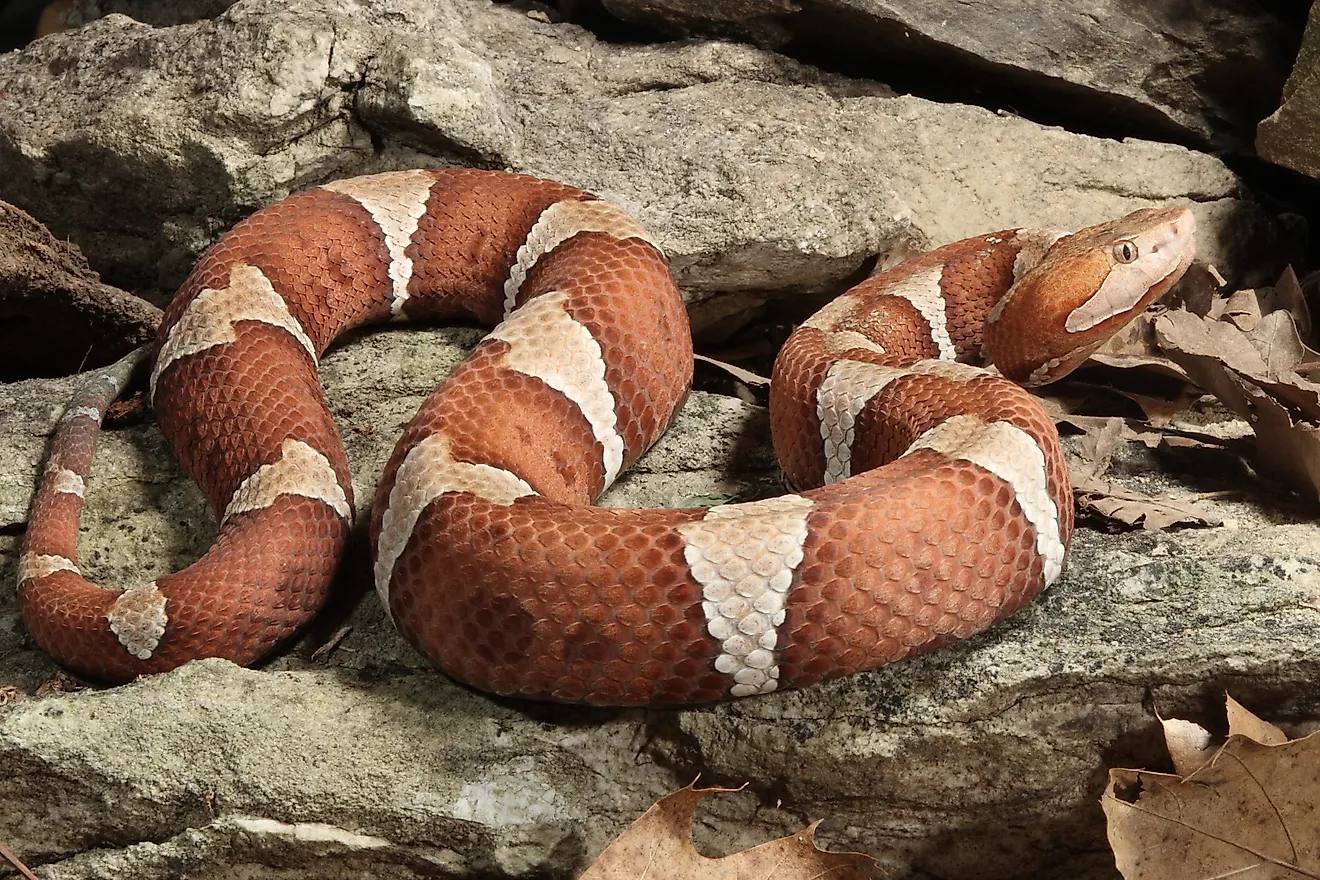
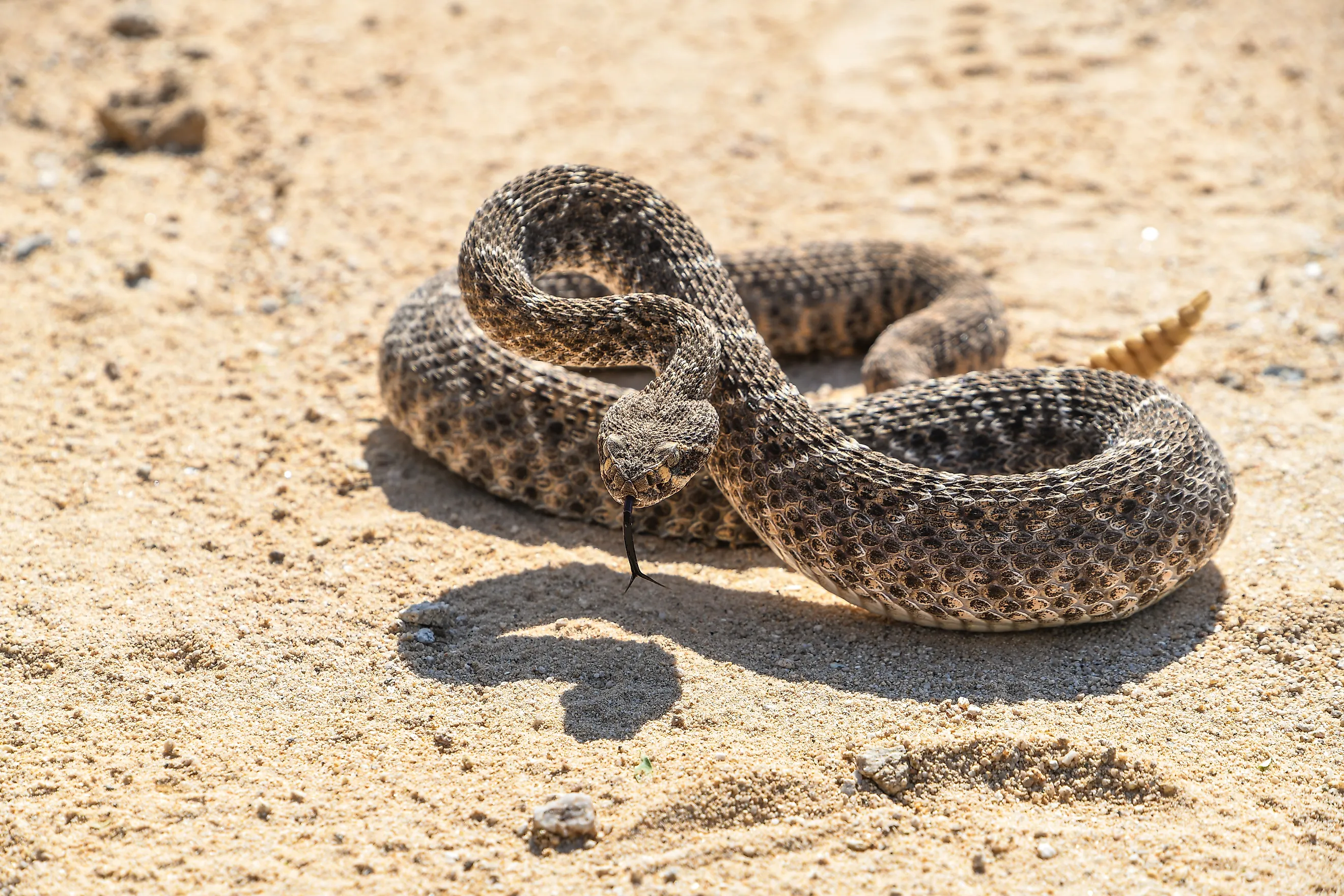
The western diamondback is one of the largest rattlesnakes in the American West, reaching lengths of more than five feet. In Texas, it is among the most widespread venomous snakes, occurring across much of the state. A western diamondback often hunts by waiting coiled along a rodent trail until prey comes within striking distance. The state parks where it is frequently observed provide very different places to wait. Catalina has washes descending from the Santa Catalina Mountains, while other parks have granite boulders in the Texas Hill Country, desert scrub along the Rio Grande, and canyon walls in the Texas Panhandle. In all eight of the following state parks across Arizona, New Mexico, and Texas, the western diamondback outnumbers every other rattlesnake in recorded sightings.
Catalina State Park, Arizona

The Birding Trail at Catalina is a 1-mile loop that passes through desert scrub and a mesquite bosque, then through riparian vegetation along a wash before crossing the wash itself. Desert willow, Arizona sycamore, and Arizona ash grow along the park's washes, which cut across 5,500 acres of foothills, canyons, and streams. The park also supports nearly 5,000 saguaros.

In desert areas, Arizona Game and Fish reports that rattlesnakes are generally most active from March through October. They are often encountered during daylight in spring and become more nocturnal as summer temperatures rise. During those months, the 2.3-mile Canyon Loop Trail crosses similar foothill habitat, with several wash crossings that can hold water after rainfall. The western diamondback is the most frequently documented rattlesnake at Catalina.
Kartchner Caverns State Park, Arizona

The Guindani Trail at Kartchner Caverns State Park, near Benson, starts at approximately 4,750 feet in semi-desert grassland with mesquite. Over 4.2 miles, it climbs onto the eastern flank of the Whetstone Mountains, passing 5,620 feet and entering open oak and juniper woodland. Western diamondbacks occur across a broad elevation range in Arizona, extending to approximately 6,500 feet, so the trail passes through elevations within their documented range. Approximately two-thirds of the park's recorded rattlesnake observations are western diamondbacks.

The shorter Foothills Loop, approximately 2.5 miles, climbs a limestone hill north of the cave and descends into a wash through ocotillo, creosote, and mesquite. Several rattlesnake species inhabit the park, and visitors are advised to avoid disturbing them, particularly during warmer months. Staying on designated trails, watching where feet are placed, and avoiding overgrown areas can reduce the likelihood of an unexpected encounter.
Elephant Butte Lake State Park, New Mexico

Elephant Butte Lake State Park, the largest state park in New Mexico, extends along a reservoir on the Rio Grande in the northern Chihuahuan Desert, where vegetation includes several cactus species. The park has 173 developed campsites, with camping areas distributed around the reservoir. South Monticello Campground is accessible by Rock Canyon Road, while Lions Beach and Quail Run provide additional lakeside recreation and camping areas. Western diamondbacks inhabit rocky areas and desert habitats across much of New Mexico. Of 44 rattlesnake observations recorded at the park, 40 are western diamondbacks.

Western diamondbacks often shelter in rocky areas, beneath vegetation, and in animal burrows during the hottest parts of the day. In warm weather, they frequently become more active after sunset. Campers may encounter suitable rattlesnake habitat around rocky shorelines, desert vegetation, and campground edges. Keeping tents and camping equipment away from dense brush and checking the ground before walking at night are sensible precautions in these areas.
Big Bend Ranch State Park, Texas

During the warmer months, temperatures in direct sunlight at Big Bend Ranch State Park can reach 130°F, and park officials advise visitors to avoid hiking during the afternoon. Mixed desert scrub is the most widespread plant community across the park, which rises from approximately 2,300 feet along the Rio Grande to 5,135 feet at Oso Mountain. Western diamondbacks are among the rattlesnakes documented in this environment, and the species appears more often than any other rattlesnake in the park's recorded observations.

During the hottest hours, western diamondbacks may shelter in the shade beneath low shrubs or among rocks. In summer, cooler mornings and evenings are often better for hiking, but they can also coincide with increased snake activity. Off the Sauceda Road, the Cinco Tinajas Trail leads toward an overlook of a deep canyon containing rock pools. Along the Rio Grande, the approximately 1-mile Hoodoos Trail passes unusual rock formations shaped by erosion. Both routes cross desert environments where watching the ground and avoiding concealed spaces are important precautions.
Bentsen-Rio Grande Valley State Park, Texas

Private vehicles stop at the headquarters of Bentsen-Rio Grande Valley State Park, in Mission near the lower Rio Grande. Visitors explore the park on foot, by bicycle, or aboard a shuttle tram. The 797-acre park is surrounded by approximately 1,900 acres of protected native habitat, including wetlands, thornscrub, riparian vegetation, and woodland. All 65 rattlesnake observations recorded at the park are western diamondbacks.

Recorded sightings are concentrated in spring and fall, particularly from March through May and again in September and October, with three during June and July combined. The 1.7-mile Rio Grande Trail passes the Hawk Tower, which provides elevated views over the park, before continuing through woodland habitat. Visitors walking these shaded sections may encounter vegetation and ground cover suitable for snakes.
Enchanted Rock State Natural Area, Texas

Western diamondbacks account for 76 of the 79 rattlesnake observations recorded at Enchanted Rock State Natural Area, where a massive dome of pink granite rises 425 feet above the surrounding Texas Hill Country. Exposed granite and the vegetation growing around rocky slopes create suitable habitat for reptiles. The 4.6-mile Loop Trail circles the park's central rock formations, passing the main dome and smaller granite peaks.

The Echo Canyon Trail branches from the loop, passes near Moss Lake, and climbs approximately 0.7 miles into the saddle between Little Rock and Enchanted Rock. The park rates the trail moderate to challenging. Turkey Pass, approximately 0.7 miles long, lies between Enchanted Rock and the surrounding formations of Turkey Peak and Freshman Mountain. Reported western diamondback observations continue into autumn, with October approaching May's total in the park's recorded sightings. The Loop Trail remains accessible after sunset until 10 p.m., overlapping with hours when western diamondbacks may be active during hot weather.
Palo Duro Canyon State Park, Texas

The road into Palo Duro Canyon State Park, in the Texas Panhandle, descends approximately 500 feet from shortgrass prairie on the rim to the canyon floor. The canyon reaches depths of 800 feet, and its floor contains floodplain vegetation supported by greater moisture than the surrounding uplands. More than 30 miles of trails cross the park, including the 5.5-mile round-trip Lighthouse Trail. Trails may close during periods of excessive heat.

Texas Parks and Wildlife lists western diamondback rattlesnakes among the park's wildlife, and 63 observations of the species have been documented within the park. The canyon walls also provide habitat for the Palo Duro mouse, a small rodent that shelters among rocks. According to Texas Parks and Wildlife, the rocky terrain helps protect these mice from many predators, although rattlesnakes can still reach them. The combination of rocky shelter and available prey makes portions of the canyon suitable habitat for western diamondbacks.
Caprock Canyons State Park, Texas
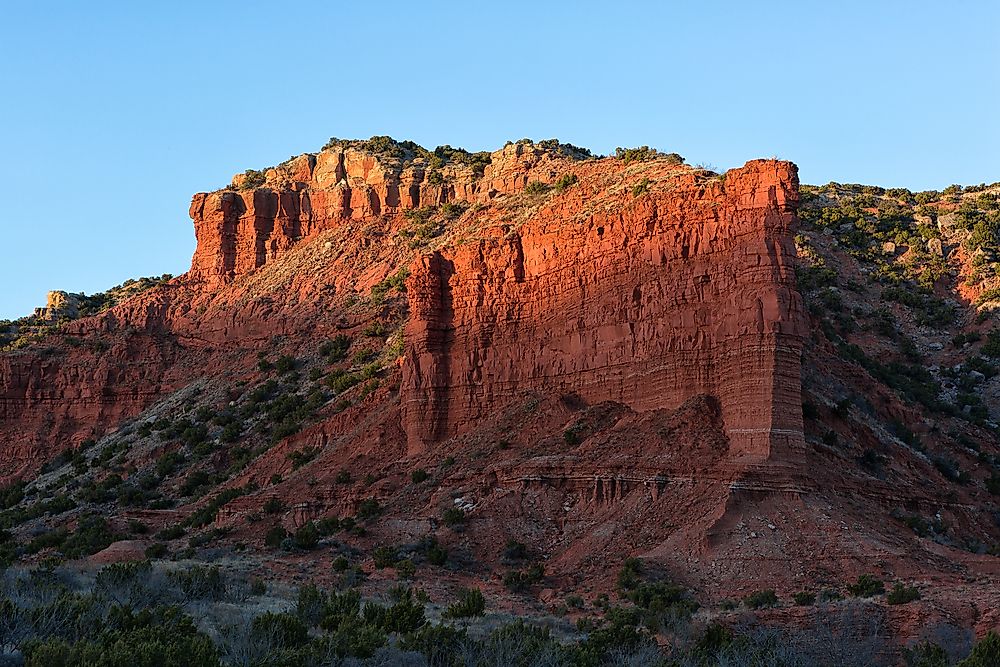
Southeast of Palo Duro Canyon, prairie dogs occupy the shortgrass prairie of Caprock Canyons State Park. Western diamondbacks use rocky areas and may shelter in burrows excavated by other animals. Juniper and scrub oak grow in the park's western canyons, while the Lower South Prong Trail follows part of the Little Red River through terrain marked by white gypsum deposits. The park's nature information identifies prairie rattlesnakes among its snake species, while western diamondbacks lead recorded sightings, with 46 observations to the prairie rattlesnake's three.

In Texas, western diamondbacks may emerge from winter shelters during warm periods in late winter and early spring. April accounts for more of the park's recorded western diamondback sightings than any other month. Rocky slopes, canyon bottoms, and areas around animal burrows provide suitable shelter. Hikers should avoid reaching into crevices or stepping over rocks without checking the ground beyond them.
Staying Safe Around Western Diamondbacks
The University of Arizona's poison center reported in 2020 that it helped hospitals manage an average of approximately 147 rattlesnake bites annually, and many bites occur when people attempt to handle, capture, or harm snakes. Arizona Game and Fish advises backing away and giving a rattlesnake plenty of room to leave, while Texas Parks and Wildlife recommends avoiding places where hands cannot be seen and checking carefully before stepping over logs or rocks. Western diamondbacks play an important role in controlling rodent populations, and state park regulations protect them along with other native wildlife. Staying on designated trails, watching where hands and feet are placed, and leaving rattlesnakes alone are the best ways to explore these eight parks safely.