The State Parks With The Most Rattlesnakes
Rattlesnakes are not distributed evenly across the United States. Their greatest diversity is concentrated in the warm and dry landscapes of the Southwest. Deserts and canyons there provide abundant shelter and prey. State parks in Texas and Arizona hold many of the country's most notable rattlesnake habitats. So do those in California, Nevada, Utah and Colorado. Determining which parks contain the most snakes is difficult because wildlife agencies rarely conduct comparable population counts. The strongest evidence instead comes from documented species diversity and repeated sightings. These ten parks stand out across those measures.
Big Bend Ranch State Park, Texas

Big Bend Ranch State Park is probably the strongest candidate for the state park with the greatest overall rattlesnake presence. Wildlife officials describe rattlesnakes as especially common in the park, which is unusually direct language for a state agency. At least four species occur in the area. These are the western diamondback, Mojave rattlesnake, black-tailed rattlesnake, and mottled rock rattlesnake. The park covers more than 300,000 acres of Chihuahuan Desert, mountains, rocky slopes, canyons, springs, and dry flats. That enormous range of habitats supports more than 30 snake species overall. Its combination of size, rattlesnake diversity, and documented frequency makes Big Bend Ranch the strongest choice for the top position.
Anza-Borrego Desert State Park, California

Anza-Borrego Desert State Park combines enormous size with exceptional rattlesnake diversity. California's largest state park protects a vast section of the Colorado Desert, where high temperatures, rocky slopes, washes, and open desert provide ideal snake habitat. At least four rattlesnake taxa have been documented there. They are the sidewinder, speckled rattlesnake, western rattlesnake, and red diamond rattlesnake. Several of these species have been described as common within the park. Anza-Borrego also supports an unusually rich reptile community overall, with dozens of reptile taxa recorded. The combination of extensive undisturbed habitat and several regularly encountered rattlesnake species makes it one of the most important rattlesnake locations in the US state park system.
Chino Hills State Park, California

Chino Hills State Park stands out because its rattlesnake populations have been studied in unusual scientific detail. The two principal species are the Southern Pacific rattlesnake and the red diamond rattlesnake, both of which are considered common in the park. Researchers also conducted a multi-year investigation using radio telemetry and mark-recapture methods to study their movements and ecology. That makes the evidence for established populations at Chino Hills much stronger than simple wildlife checklists or occasional visitor reports. The park's grasslands, scrub, ridges, and warm slopes provide suitable habitat close to heavily populated Southern California. Although it has fewer rattlesnake species than some desert parks, the documentation of its populations is exceptionally strong.
Catalina State Park, Arizona

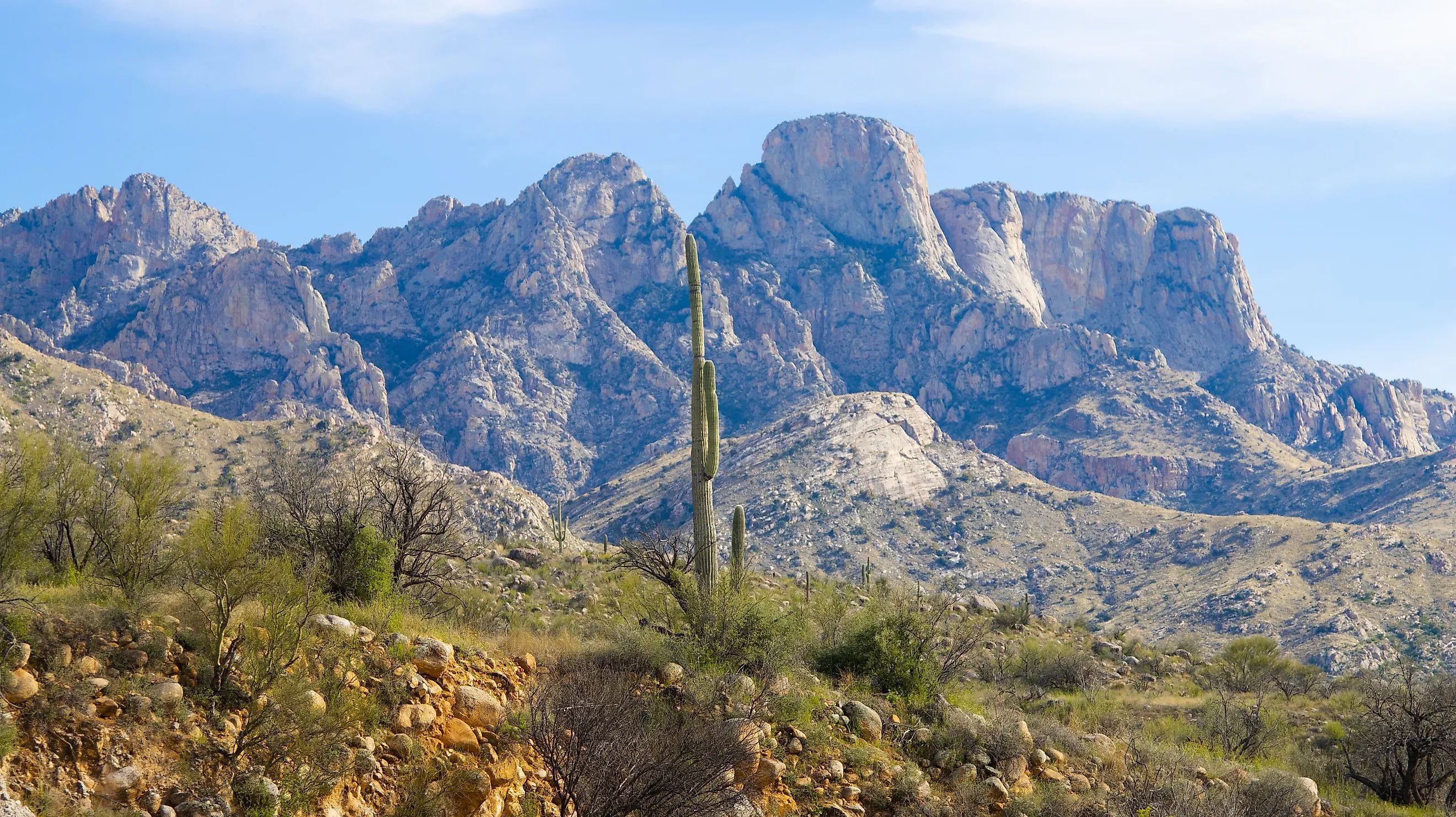
Catalina State Park lies at the base of the Santa Catalina Mountains within the Sonoran Desert, one of North America's richest regions for rattlesnake diversity. At least four species have been observed in and around the park. These are the western diamondback, western black-tailed rattlesnake, tiger rattlesnake, and sidewinder. The park contains desert flats, rocky foothills, washes, and increasingly rugged terrain toward the mountains, creating habitats suitable for several species with different ecological preferences. Catalina ranks highly primarily because of its rattlesnake species richness rather than a measured population estimate. Its position at the meeting point of desert and mountain environments helps explain why such a variety of rattlesnakes can occur within a relatively concentrated area.
Valley of Fire State Park, Nevada

Valley of Fire State Park contains extensive Mojave Desert habitat dominated by sandstone formations, rocky slopes, washes, and sparsely vegetated open ground. These conditions provide shelter, basking sites, and hunting areas for rattlesnakes. The speckled rattlesnake and sidewinder are both documented in the park, and snakes are regularly associated with its desert landscape. Sidewinders are especially well adapted to loose sand and extreme heat, while speckled rattlesnakes often use rocky terrain where their coloration provides effective camouflage. Valley of Fire does not appear to match the rattlesnake species diversity of Big Bend Ranch or Anza-Borrego, but its large amount of suitable Mojave habitat makes encounters sufficiently regular to justify its place among the strongest candidates.
Oracle State Park, Arizona

Oracle State Park lies in a transitional landscape where desert vegetation meets higher-elevation grassland and woodland. Rattlesnakes are considered common in the park, with the western diamondback particularly prominent. Tall grasses and rocky ground can make the snakes difficult to see, especially during warmer periods when they are more active. Oracle is important to this ranking because the evidence concerns frequency rather than merely confirming that rattlesnakes occur there. A park containing one or two common species may support more individual snakes than another park with a longer species list but lower densities. Oracle therefore demonstrates why rattlesnake abundance and rattlesnake species richness need to be treated as separate measures when comparing parks.
Cheyenne Mountain State Park, Colorado

Cheyenne Mountain State Park represents a different rattlesnake environment from the desert parks of Arizona, California, Nevada, and Texas. The principal species is the prairie rattlesnake, which occupies grasslands and open terrain along Colorado's Front Range. Visitors frequently report rattlesnakes crossing trails, providing evidence that encounters are a regular feature of the park rather than exceptional events. The park's lower elevations, rocky areas, and open grasslands provide suitable habitat, particularly during warm weather. Cheyenne Mountain has much lower rattlesnake species richness than the southwestern desert parks, but the apparent frequency of prairie rattlesnake encounters makes it one of the more notable state parks for rattlesnake activity outside the hottest parts of the Southwest.
Mount Diablo State Park, California

Rattlesnakes are a regular part of the wildlife community at Mount Diablo State Park, particularly during the warmer months. The park's dry grasslands, chaparral, oak woodland, rocky outcrops, and steep slopes create extensive habitat where snakes can find both cover and prey. Mount Diablo is therefore a useful example of a park where the evidence for rattlesnake abundance is stronger than its species count might suggest. It does not possess the same rattlesnake diversity as the great desert parks farther south and east, but visitors can encounter rattlesnakes with enough regularity that they are an important part of park safety guidance. Seasonal temperature changes strongly influence when the animals are most active and visible.
Lost Creek State Park, Utah

Lost Creek State Park in northern Utah contains rocky terrain, dry slopes, shrubland, and reservoir-edge habitat suitable for rattlesnakes. The snakes are often reported in rocky sections of the park, where crevices provide shelter and surfaces exposed to sunlight allow them to regulate their body temperature. Lost Creek is not known for exceptional rattlesnake species diversity, but repeated sightings provide evidence of an established and noticeable local population. This distinction is important because a list based only on the number of species would overlook parks where a single rattlesnake species occurs frequently. Lost Creek therefore earns its position through encounter frequency and habitat suitability rather than through an unusually large number of different rattlesnake species.
Caprock Canyons State Park And Trailway, Texas
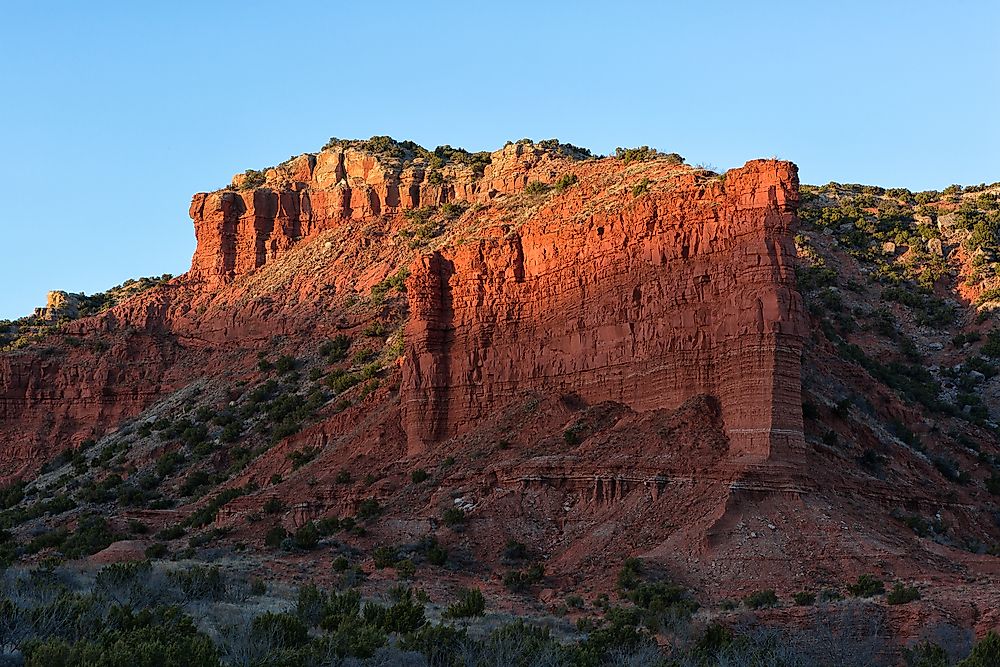
Caprock Canyons State Park and Trailway supports one of the more diverse snake communities in Texas, with more than 30 snake species recorded in the broader park environment. The prairie rattlesnake and western diamondback are among the rattlesnakes documented there. The landscape includes open plains, dry grasslands, rocky escarpments, steep canyon walls, and broken terrain that provides a wide range of shelters and hunting areas. Its position along the Caprock Escarpment also creates sharp changes in elevation and habitat over relatively short distances. Although available evidence does not establish a numerical rattlesnake population, the park's large snake community, multiple rattlesnake species, and extensive suitable habitat make it a strong candidate for inclusion.
Understanding The Ranking
These parks should not be described as definitively having the ten largest rattlesnake populations in the United States because comparable population estimates do not exist. A scientifically accurate description is that they are among the US state parks with the strongest evidence for high rattlesnake abundance, frequent encounters, or high rattlesnake species richness. Those measurements are not interchangeable. A park with four species may contain fewer individual rattlesnakes than a park dominated by one very abundant species. Visitor observations can also be affected by park attendance, trail locations, season, weather, and reporting effort. Big Bend Ranch and Anza-Borrego nevertheless stand out because they combine extensive habitat with unusually high rattlesnake diversity and strong evidence of regular occurrence.