The 9 Can't-Miss Towns In Upstate New York
Plenty of people in upstate New York have spent an afternoon at the races in Saratoga Springs. Far fewer have driven to North Blenheim to see Mine Kill Falls drop 80 feet through a narrow gorge. Fewer still have toured the 28-room castle a Singer sewing machine president built on an island in Chippewa Bay. The best small-town stops in the region are often an easy day trip away, and easy to skip for exactly that reason. Each of these nine towns has one place you should stop putting off, and a few are in towns most people only know as an exit sign.
Whitehall

Sasquatch sightings around Whitehall date back to an era when the Iroquois and Algonquin nations ruled upstate New York, but the mythical creatures were not protected by law until 2004 when the town passed a resolution establishing a Bigfoot Sanctuary. Hunting the creatures is banned, and with good reason. The town hosts the annual Whitehall Sasquatch Festival & Calling Contest. The festival includes a beer garden serving local brews, big foot researchers presenting their findings, and an annual calling contest to test out who can make the best Sasquatch impersonation.
Whitehall is also home to the Victorian Gothic Skene Manor, a gilded-age mansion built in 1874. A century later, the building was placed on the National Register of Historic Places. After serving as a restaurant in the post-war years, Skene Manor Preservation took control of the building and has been restoring it ever since. Today, the historic building is open to tours and hosts tea service.
The town also serves as the entrance to the Adirondack Park just across South Bay, the southern terminus of Lake Champlain. The remains of the Old South Bay Bridge provides a viewing area with benches overlooking the scenery, next to the state run South Bay Boat Launch.
Glens Falls

Works by Degas and Rembrandt remain locked away in a vault in Glens Falls. The Hyde Collection contains more than 5,000 works from master artists, but the museum only displays about 500 at a time with the rest kept in storage to protect the fragile art from light and damage. Collected by Charlotte and Louis Hyde, the museum hosts the exhibitions at the historic Hyde House where the broad collection of works are rotated through the galleries including can't miss works from Rubens, Botticelli, Courbet, and Picasso.
For more contemporary art, the Shirt Factory houses artists' studios and shops. Once a clothing manufacturing plant, the century-old complex was converted into studio spaces for artists beginning in 1999. Today more than 100 creative professionals call the space home. Galleries feature works from local artists in a variety of mediums like paintings and pottery, and locally manufactured goods. On Thursdays from spring to fall, the complex hosts live music and food trucks.
There is unique outdoor recreation here too, like hiking on the Glens Falls Feeder Canal system. Built in the early 19th century, the canal system and towpath carried goods and people connecting them with the Hudson River. Today the paths are open for walking and biking and include 9 miles of trails, while the canals themselves are open for canoeing and kayaking for about 5 miles up into Queensbury.
Saratoga Springs

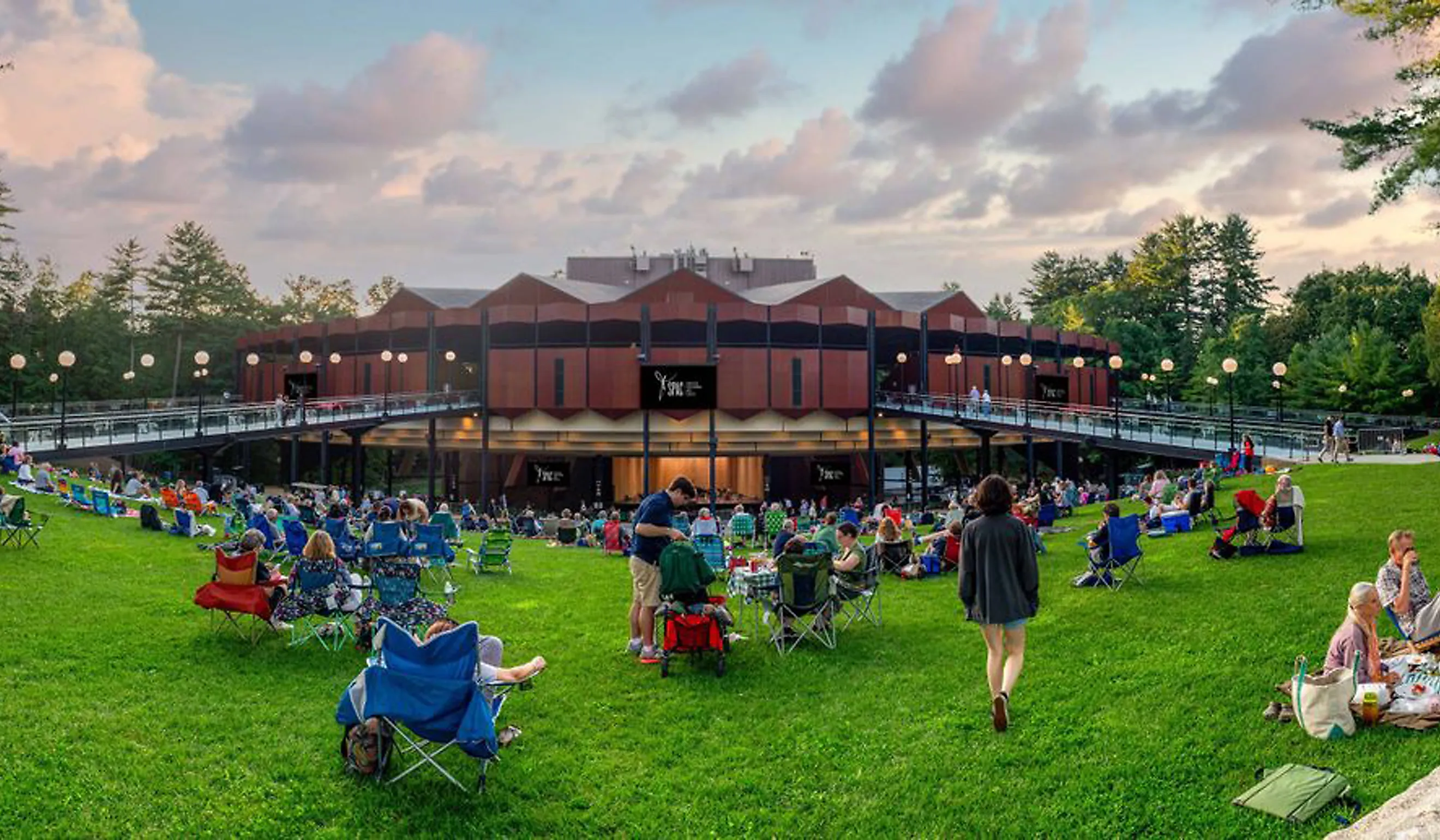
The natural mineral springs that give Saratoga Springs its name include "spouters," springs that squirt water like geysers. The Geyser Island Spouter may not be a true geyser, but water does shoot up out of a large rock visible from the Geyser Creek Trail in the Saratoga Spa State Park. Another unique formation along the trail is the Orenda spring where water tumbles down a large tufa, a type of limestone formation created by flowing mineral water.
The hot springs attracted tourism to the region in the early 19th century, and by the midcentury, had become a summer destination for wealthy socialites. To entertain these seasonal visitors, casino owner John Morrissey organized a thoroughbred horse race in 1863, and eventually invested in a permanent racing track. The Saratoga Race Course is now the third oldest race track in the country, and Saratoga Springs is home to the National Museum of Racing and Hall of Fame. Inductees to the Hall of Fame include horses like Secretariat and Man o' War, as well as jockeys, trainers, and community members involved in the sport like veterinarians. The museum's permanent collection includes a horse skeleton to illustrate anatomy and many prize cups throughout the years, with temporary exhibits on horse artwork and history.
The Saratoga Automobile Museum honors racing of a different type. The car-focused museum celebrates New York State's auto racing heritage with a permanent collection of cars, interactive simulators, and temporary exhibits featuring historic vehicles like Mercedes racing.
North Blenheim

An 80-foot high waterfall tumbles through a narrow gorge in Mine Kill State Park in North Blenheim. Three trails provide access to viewing platforms of the Mine Kill Falls, with the Long Trail passing by both the top and lower portions of the waterfall. In the summer, the park includes an Olympic-size pool open for swimming and boating in the Blenheim-Gilboa Lower Reservoir, while winter activities include ice skating and snow shoeing.
Just to the south in nearby Gilboa, the Gilboa Museum houses a unique collection of local fossils, many collected from the area now under the Blenheim-Gilboa reservoir. The first of these was discovered in 1869, including the remains of a roughly 380-million year old forest. The construction of the dam along the Schoharie Creek in 1917 revealed more of these petrified stumps. These and fossilized remains of early plants, corals, fish and scorpions can be viewed at the museum.
North Blenheim is also home to the Old Blenheim Covered Bridge, first built in 1855. The span over the Schoharie Creek reached 210 feet long, one of the longest, single-span covered bridges in the world, built using a patented truss system. Unfortunately, the historic designation was withdrawn after floods from Tropical Storm Irene washed it out in 2011. However, a new replica bridge replaced the original in 2017.
Gloversville

Once known as the "Glove Capital of the World," Gloversville was once home to over a hundred glove factories and leather tanneries. Today, the factories are gone, but one museum celebrating the importance of a special type of glove remains, the New York State Baseball Hall of Fame. Not to be confused with the Baseball Hall of Fame in Cooperstown, this state-focused hall of fame started out exclusively highlighting the successes of upstate New York baseball. The hall of fame has since expanded its focus statewide with memorabilia honoring inductees and exhibits that acknowledge contributions from every level of play across the state.
Downtown, the Glove Theatre has been entertaining Gloversville since 1913. Slated for demolition in the 1990s, this unique architectural building at the center of the downtown has been restored and now serves the southern Adirondacks as a live performing arts venue with live music, tribute bands, and film screenings.
The Knox Mansion in nearby Johnstown is another unique local destination. The 42-room building once belonged to Charles Knox, owner of the Knox Gelatine Factory, but today locals say the building is haunted. The adventurous can book an overnight stay, and haunted house tours are offered annually in October.
Herkimer

Quartz crystals known as Herkimer Diamonds can be found in Herkimer, and visitors can search for their own treasures at the Herkimer Diamond Mines. These unique, double terminated quartz crystals are not diamonds, but are a rare geologic deposit and popular among collectors of crystals. The 500-million year old crystals can be found on the surface using a hammer, or try out sluice mining where gravity and water help reveal the hidden stones.
On the south side of the Mohawk River, the Mohawk To Fort Herkimer Bike Path connects historic sites such as the 18th century Fort Herkimer Church, the oldest building in Herkimer County. Tours of the interior are by appointment only, but the grounds are open to the public. The path continues as part of the Empire State Trail, connecting with other sites along Erie Canal and across the state.
Nearby, the Herkimer Home State Historic Site, a Georgian-Style mansion built in 1764 is also accessible from the canal trail. Guided tours of the home are available on weekends Memorial Day through Labor Day, but the grounds are open year round. General Nicholas Herkimer assembled 800 militiamen to fight in the Revolutionary war, and his estate served as an encampment for soldiers.
Chittenango

A unique, endangered snail species lives in Chittenango. The Chittenango Ovate Amber Snail can exclusively be found in Chittenango Falls State Park. The park is also home to a 167-foot high waterfall created by glacial activity 400 million years earlier. A looping trail provides access to the top and bottom of the gorge, and a wooden footbridge offers stunning views of the cascading water.
Chittenango is also the birthplace of L. Frank Baum, author of The Wonderful Wizard of Oz, and to honor him, the town's sidewalks are paved in yellow brick. The All Things Oz Museum celebrates the world Baum created and exhibits include costumes, ruby slippers, Dorothy dolls, and memorabilia from the film.
On the edge of town, the Yellow Brick Road Casino and Sports Book has slots, table games, and sports betting, along with entertainment like bowling and golf. The Lanes at YBR Casino offers adults-only bowling, food service, and drinks. The golf suites have 120 real-life golf courses to play in simulators.
Chippewa Bay

Singer Castle in Chippewa Bay stands on Dark Island, one of the 1,864 islands in the Thousand Islands Archipelago. The 28-room castle includes a 4-story tower, underground tunnels, and workshops for the steam-powered boats once used to connect to the island. The castle, originally known as The Towers, was built by Frederick Gilbert Bourne as a summer retreat for his family. Bourne served as Director and President of the Singer Sewing Machine Company that ultimately lent its name to the castle. This unique architectural complex is open to tours and can be rented for weddings. Private boaters are welcome to visit too, with 600 feet of free dockage, but remember that visitors from Canada must check in with Customs and Immigration.
In town, the Chippewa Bay Maritime Museum houses antique boats, maritime artifacts like lanterns, and exhibits on powerboat racing. The museum also highlights local residents including Frederick Bourne who served as Commodore at the New York Yacht Club.
For visitors looking to explore the banks of the St. Lawrence River, Riverbay Boat and Kayak Rentals offer guided kayak tours of the bay. Pontoon boats are also available for rent, as well as non-motorized kayaks, canoes, and paddle boards that can explore the Chippewa Bay Preserve at the edge of town. The 60 acres of forest and wetland habitats is a great place for birdwatching and is home to bald eagles and osprey.
Ogdensburg

Frederic Remington Art Museum in Ogdensburg has the world's largest collection of work from American artist Frederic Remington. The museum boasts both personal artifacts from the artists, as well as a wide variety of his work from paintings to sculptures. Remington moved to Ogdensburg as a child, before heading west to Montana and Kansas. Though he moved back east, time in the west informed much of his work, and he is perhaps best known for his depictions of cowboys, horses, and the old American west. Remington was for a time neighbors of the Bourne family, and wrote about hearing the construction crews working on the Singer Castle.
Along the waterfront, the Fort de La Présentation marks an early fortification built by the French to fortify their position along the St. Lawrence River. The fort was active during the French and Indian War and eventually captured by the British. Reenactment battles are regular occurrences at the fort, like February, 1813 Battle of Ogdensburg. The reenactors dress up in period costumes and fire canons and muskets.
On the edge of town, the Eel Weir State Park is located along the Oswegatchie River. Though there are no hiking trails, the park has become a destination for bass fishing because of its secluded location. Campsites are also available at the park.
Exploring New York's Must-see Destinations
There are plenty of small towns in upstate New York worth visiting, but some are extra special because they have a can't-miss feature. Whether it's the historic Sasquatch Sanctuary in Whitehall or the 167-foot tall waterfall in Chittenango Falls State Park, these unique places have something that can't be seen anywhere else. The ancient fossilized trees near North Blenheim are 380-million years old. Herkimer has unique crystals that grew in the shape of diamonds, and few other places let visitors mine their own gemstones. These unique destinations are upstate New York's can't-miss spots.