The State Parks With Free Camping
If you type "free camping in state parks" into a search engine, dozens of lists appear promising a plethora of options, most of which are wrong, or at best misleading. A state that charges no entrance fee is not the same as a state park that charges no camping fee. In fact, a lot of "free" campgrounds are on state forest or wildlife-agency land located next to a park rather than inside one. Genuinely free camping, run by an actual state parks agency, inside an actual state park boundary, is rarer than it looks online. The four parks below cleared that bar according to the agencies that manage them. Pack a headlamp, because none of these sites come with hookups, and bring cash for gas, because the money you save on a campsite will likely go toward the drive to reach one.
Anza-Borrego Desert State Park, California

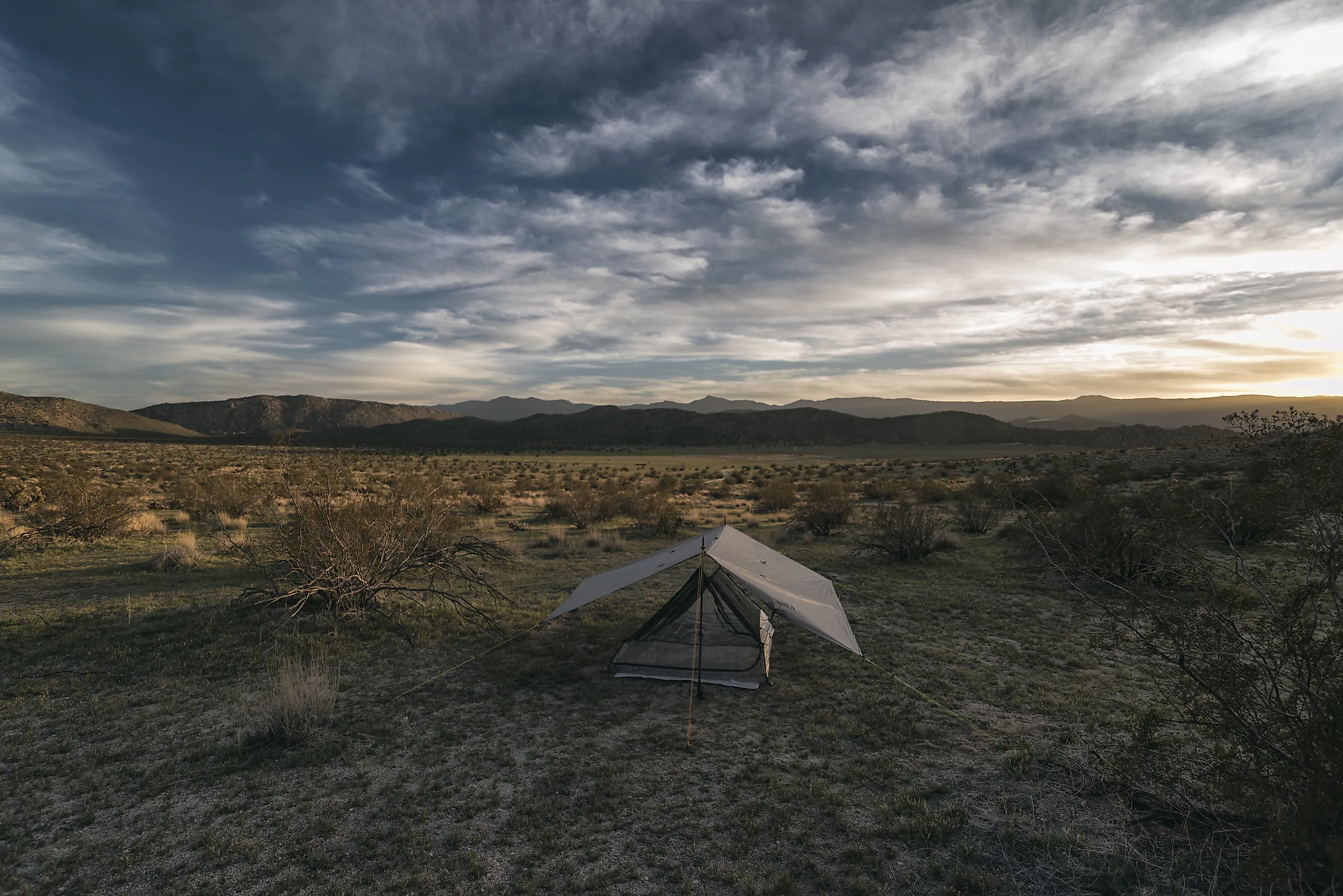
California's largest state park, at nearly 586,000 acres (237,000 hectares), draws crowds every spring when wildflowers carpet the desert floor, but its camping is where the park quietly outshines almost everywhere else in California. Several of its primitive campgrounds, including Culp Valley, Blair Valley, and Arroyo Salado, charge nothing at all. They're first-come, first-served, with vault toilets and little else, so a shovel and extra water belong on the packing list. The developed campgrounds with hookups and showers, like Borrego Palm Canyon Campground, come with a nightly rate. Anza-Borrego is also one of the last parks in the country where dispersed camping, meaning pitching a tent well off any established site, is permitted outright across much of the backcountry, provided campers stay on existing roads and out of posted closures. The payoff for the lack of amenities is solitude that's hard to find in San Diego-area parks closer to the coast. Culp Valley sits at 3,350 feet (1,021 meters), high enough to be noticeably cooler than the desert floor below, a big bonus in a park where summer highs regularly clear 100 degrees Fahrenheit (38 degrees Celsius).
Adirondack Park, New York

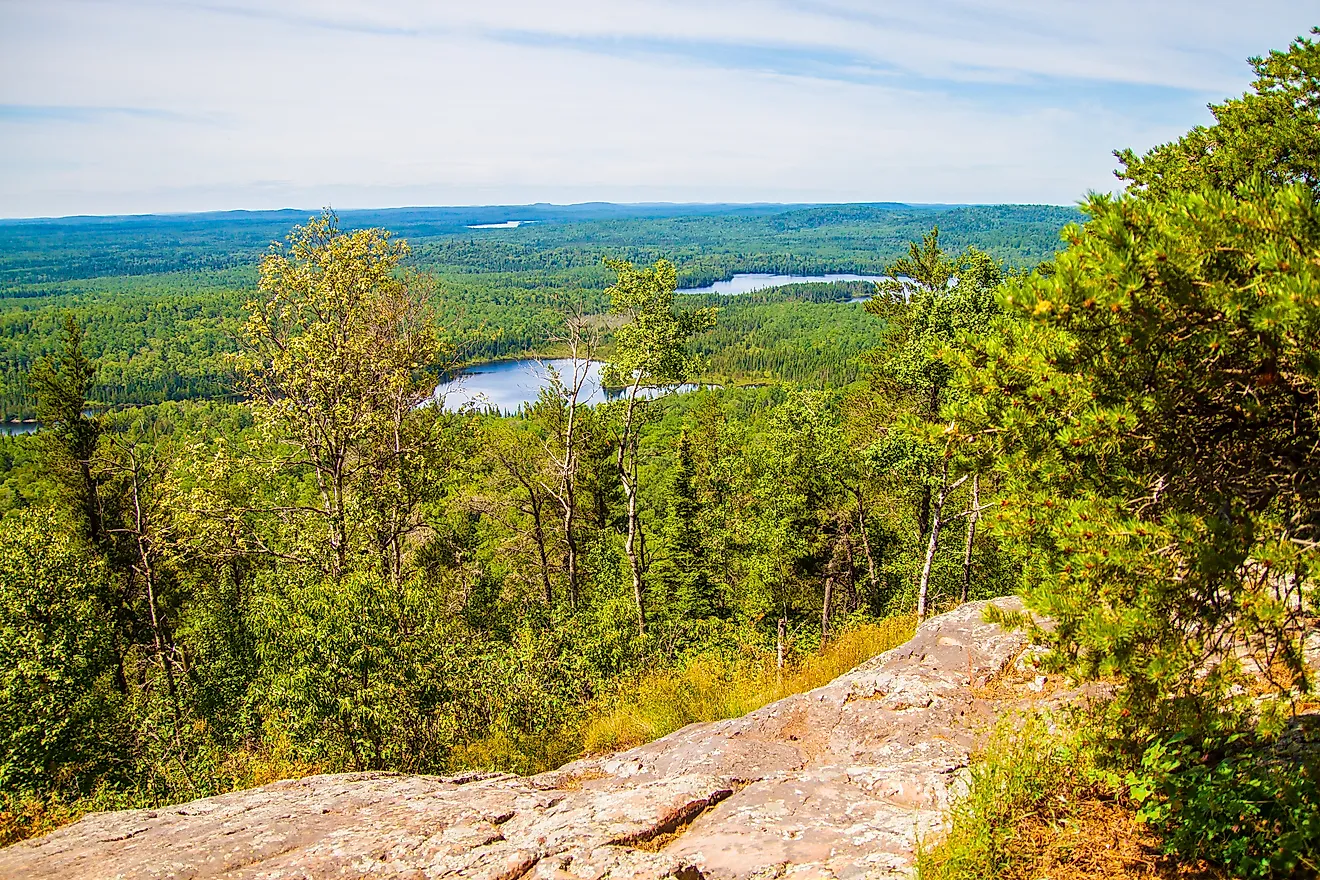
Six million acres (2.4 million hectares) puts Adirondack Park at more than twice the size of the next-largest park on this list combined, but the acreage comes with an asterisk worth knowing before booking a trip. More than half of it is privately owned, and the park contains 102 towns, so it functions less like a single traditional state park and more like a protected region layered over existing communities. The free camping applies specifically to the roughly 2.6 million acres (1 million hectares) of state-owned Forest Preserve land inside the park's boundary. That land is protected as "forever wild" under the New York State Constitution and managed by the state's Department of Environmental Conservation. On it, primitive tent sites are free and first-come, first-served, no permit needed for stays under three nights or groups under ten people. That's a different arrangement from the DEC's staffed campgrounds elsewhere in the Adirondack Mountains, which do charge nightly fees. Campers must pitch at least 150 feet (46 meters) from any trail, road, or body of water, and camping above 4,000 feet (1,219 meters) is prohibited except in an emergency. Mount Marcy, the range's highest peak at 5,344 feet (1,629 meters), sits well within that restricted zone, so anyone hoping to camp near the summit should plan a lower basecamp instead.
Greenleaf State Park, Oklahoma
The 18-mile (29-kilometer) Ankle Express Trail loops through Greenleaf State Park near Braggs, crossing a swinging bridge and climbing past Greenleaf Lake before splitting into a north and south loop. Backpackers who hike it can camp free of charge at either of two designated sites along the way, Mary's Cove Campground and the North Primitive Campground, according to Oklahoma's state tourism office. No permit or reservation is required, though hikers are asked to sign in at the trailhead register with a departure and return time before setting out. That's a contrast with the park's main campground on the lake, which takes reservations and charges standard fees for its 200-plus RV and tent sites. Greenleaf sits in the hills of eastern Oklahoma, not far from the Arkansas River valley near Muskogee. The terrain along the trail is uneven, with some steep grades, and Oklahoma's own trail guide recommends hikers be in reasonably good physical condition. Open fires aren't allowed on the trail, so a camp stove is worth packing if you're planning a hot meal.
Mary Minerva McCroskey State Park, Idaho

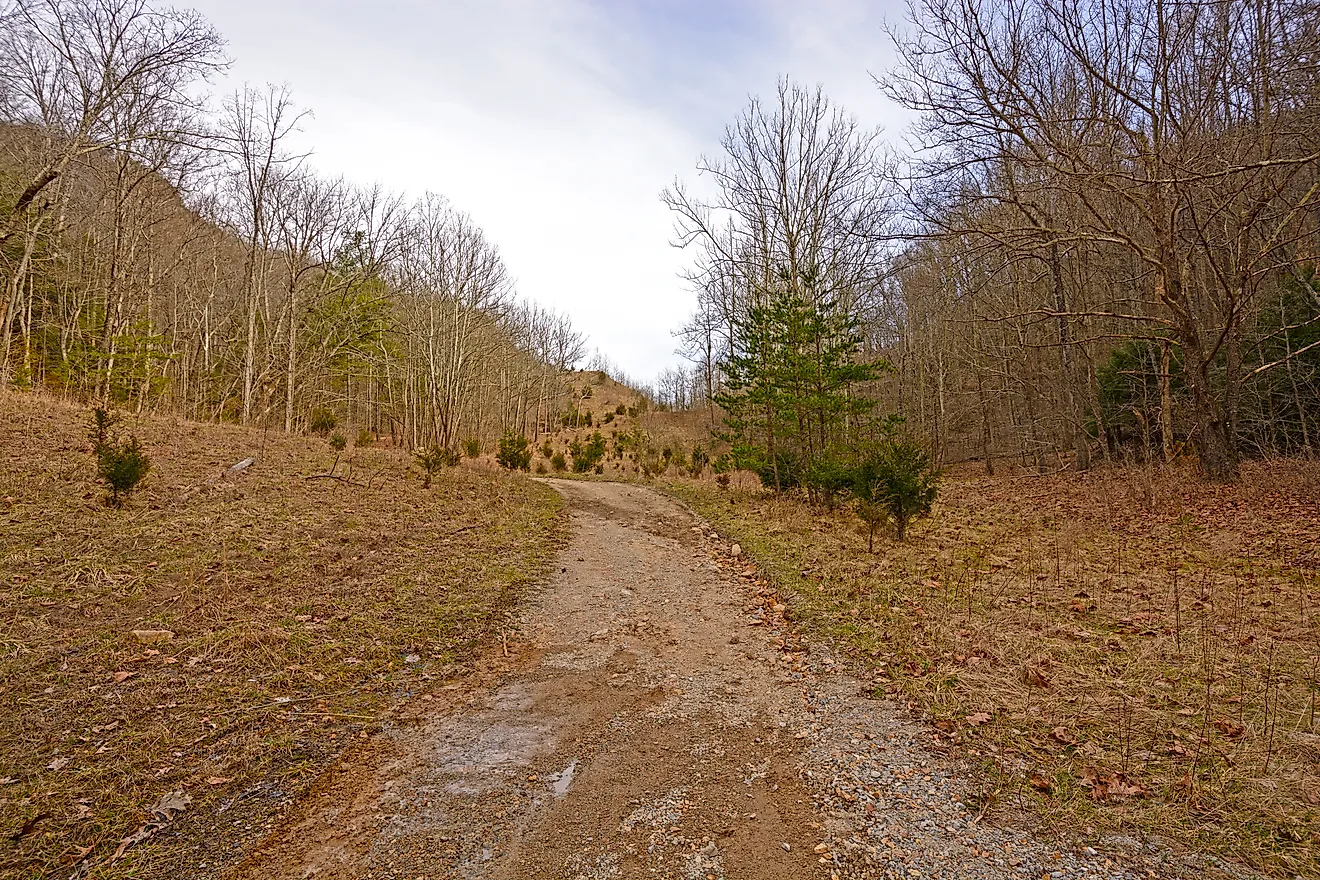
Every other state park in Idaho charges an entrance fee. This 5,300-acre (2,145-hectare) ridgeline park near Tensed does not, and the free-of-charge policy extends to its camping as well. The park's main feature is Skyline Drive, an 18-mile (29-kilometer) unimproved gravel road that climbs through cedar and ponderosa pine forest to sweeping views of the Palouse prairie below. Along and near that road sit several primitive, roadside campsites, plus developed sites at Iron Mountain Campground and the Fireplace area, none of which carry a nightly fee. The park was donated to Idaho in 1955 by conservationist Virgil McCroskey, who dedicated it to the memory of frontier women, including his own mother. There's no potable water except seasonally at a few points along the road, and no trash service anywhere in the park, so the rule here is the same one that applies at most free campsites. Pack it in, pack it out. Skyline Drive is not recommended for RVs or wide trailers, and low-clearance passenger cars have scraped bottom on the rougher stretches, so a higher-clearance vehicle makes for an easier visit.
Do Your Homework Before You Pitch a Tent
Free camping in a state park is almost always synonymous with primitive camping, meaning no water, no hookups, and often no cell signal. That trade-off is the appeal for travelers chasing quiet over convenience, but it also means fire restrictions, road conditions, and site availability can change quickly and without much notice. A quick call to the park office before setting out will save a wasted drive, and it's the same call worth making even at the four parks above, since policies do shift between seasons.