The National Forests With The Most Mojave Rattlesnakes
The Mojave rattlesnake typically isn't found in national forests, due to its preference for flat deserts free of most tree cover, other than low-lying shrubs. However, there are national forests in Arizona where islands of trees stand amid drier deserts, which overlap directly with Mojave rattlesnake territory.
To get out of this snake's territory, you have to follow them up the trees. Before we discuss which national forests are Mojave rattlesnake hotspots, we have to discuss what makes these snakes so feared: their venom.
The fearsome venom of a Mojave

As their name suggests, these snakes are found in the Mojave Desert, but that isn't their only region. They also extend into other deserts such as the Sonoran and can be found in southern California, Arizona, New Mexico, and small sections of Nevada, Utah, and Texas. Out of all the states, Arizona has the one of biggest geographical ranges for these snakes, throughout southern, central, and the northwestern regions of Arizona.
With most venomous snakes, their venom will mainly impact the bloodstream, destroy cells, or both. With Mojave rattlesnakes, they can potentially do both of these, as well as target a prey's or a human's nervous system.
The scientific terms for these venoms are hemotoxins, cytotoxins, and neurotoxins. The neurotoxin in particular comes from the Mojave Toxin, which can interrupt muscle movement by targeting the nervous system. Mojave rattlesnakes also have snake venom metalloproteases that impact blood cells and can cause hemorrhaging.

Not all Mojave rattlesnakes have this mixture, as some studies have shown that those in central Arizona have large amounts of neurotoxins, hemotoxins, and cytotoxins, while others have no neurotoxin at all. Scientists often categorize Mojave rattlesnakes into three categories: type A with high neurotoxins and low hemotoxins, type B with no neurotoxins, and Type A+B, which have all three toxins.
If bitten by a Mojave rattlesnake, a person could experience bleeding, nausea, difficulty breathing, and other symptoms, and it could potentially cause death. Deaths and bites from Mojave rattlesnakes are fairly rare, and there's no official count on how many Mojave rattlesnakes bite vs. other rattlesnakes. In Arizona, for example, they see about 200 to 250 rattlesnake bites annually. That being said, it does mean one should show caution in these two national forests where Mojave and other rattlesnakes are found.
Coronado National Forest

The Coronado National Forest is a series of "islands" in and around Tucson and southeastern Arizona. Covering 1.7 million acres, it features 16 isolated mountain ranges in the Sonoran Desert. The Sonoran Desert itself is known for its diverse environments, such as mountains, grasslands, and valleys.
In this forest itself, one can find the Pinaleño Mountains (including the 10,720-foot-tall Mount Graham), Sabino Canyon Recreation Area, and the Chiricahua Mountains (just outside of the forest is the newest national park, Chiricahua National Park). The canyons and valleys also contain many varieties of rattlesnakes, ranging from the western diamondback to the black-tailed rattlesnake to the Mojave rattlesnake.

The Mojave rattlesnake can live anywhere from 500 to 5,000 feet in elevation in desert environments. It can be found at higher elevations, but unlike other snakes, it favors flatter deserts instead of rocky hills or canyons, meaning one is most likely to encounter them in the valleys of the Coronado National Forest. In addition, Mojave rattlesnakes do not hide in any wooded areas, and will instead either be out in the open in the shrublands or desert, or cooling off in burrows or under brush while waiting for prey.
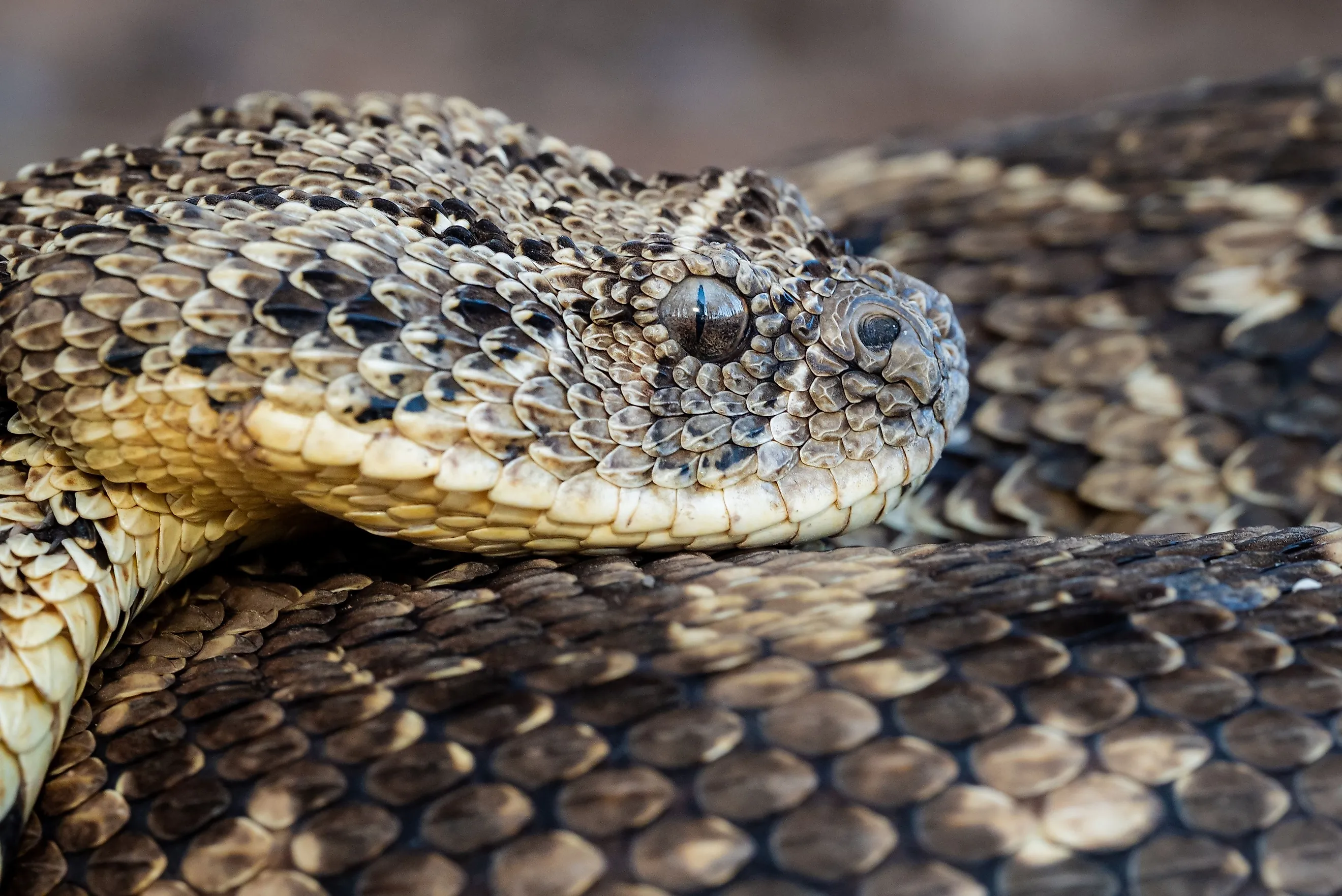
Due to their green tint, they sometimes are referred to as Mojave green rattlesnakes. Hikers have reported spotting them on the edges of the Finger Rock Canyon close to the Finger Rock Trail, which goes through the Santa Catalina Mountains.
Mojave rattlesnakes breed in a bimodal fashion, with one in spring from March to May and a second from July to September. Males will move about further distances during breeding seasons, increasing the risk of an encounter with a person.
Prescott National Forest

Prescott National Forest is smaller than Coronado, only covering close to 1.25 million acres to the east and west of the city of Prescott, Arizona. Within this forest are four habitats: the lower Sonoran Desert, the shrub-covered chaparral, Pinyon Pine and juniper in the middle, and ponderosa pine at the highest elevation. With this mixture of desert and pine trees, it is one of the few national forests that can support Mojave rattlesnakes.
Mojave rattlesnakes are most likely to be found in the valleys just outside of the forest or within the desert regions at lower elevations, such as the districts closer to Verde Valley, like the Verde Ranger District in the southeast.
At times, these rattlesnakes can move to populated areas such as the town of Prescott Valley. A cyclist reported seeing a Mojave rattlesnake just off of a mountain biking trail by the town. Some are known to wander close to homes as they traverse the shrublands and desert flats.

As hikers or bikers go higher up into the mountain pines, they likely won't find Mojave rattlesnakes, but they may run into black-tailed rattlesnakes, which hide in rocky slopes.
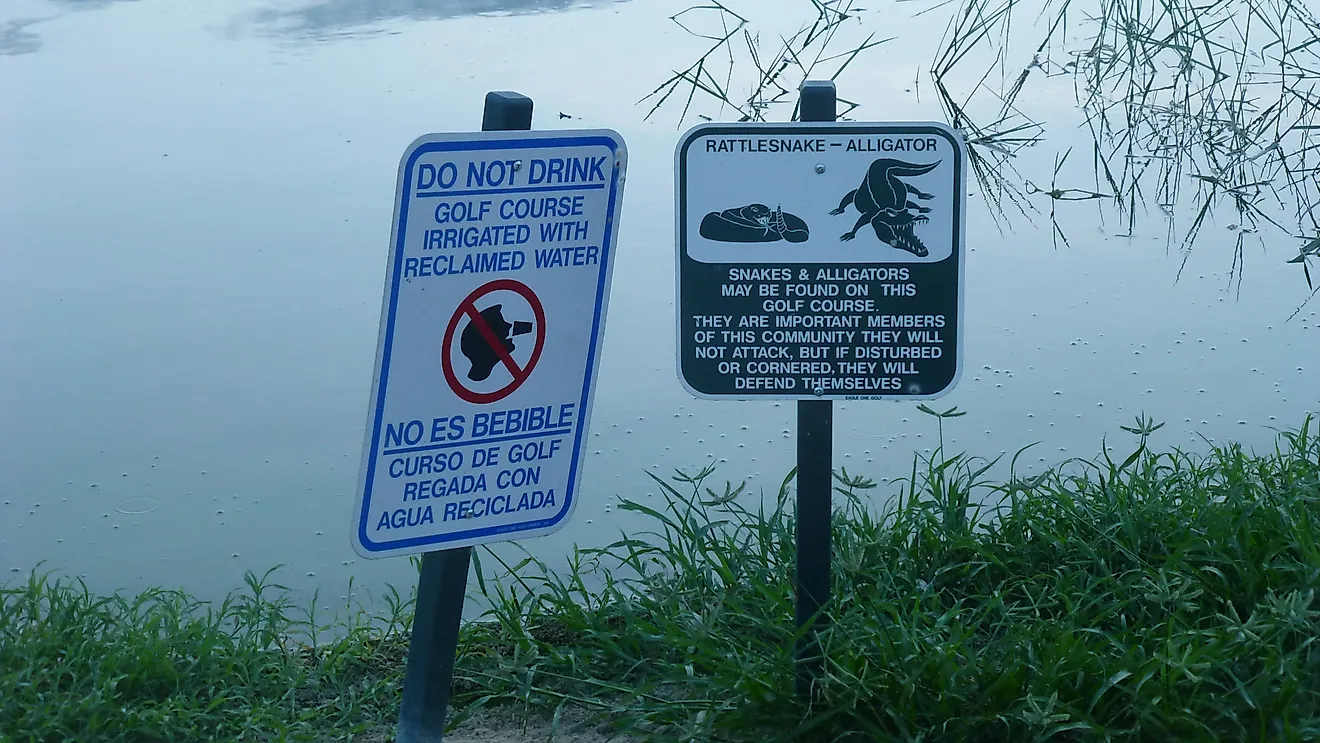
People often mistakenly identify Mojave rattlesnakes as being aggressive, but in reality their behavior is defensive. They do not see humans as prey, but may view them as a threat if they approach them, toss items at them, or try to handle them directly.
Awareness is key

A study by the Wilderness Medical Society showed that in snakebites, the vast majority of people were unaware of the snake's presence when they were bitten. This is due to a common snake behavior of hiding in the shade during the hot hours of the day, a behavior shared by the Mojave rattlesnake. As a result, humans may accidentally step on them or reach down into a hole and wind up with a venomous snake bite.
The best way to avoid becoming a victim of a Mojave rattlesnake bite in these national forests is to be aware of their preferred habitat and carefully watch where one steps or touches. In addition, harming a Mojave rattlesnake is illegal (unless there is immediate danger) because it plays an important role in the ecosystem of these forests, clearing out populations of rodents. Their toxins, after all, aren't meant for humans; they are meant for prey.