The Largest State Park In The United States
Bigger than any other state park in the United States, Wood-Tikchik State Park spans over a whopping 1.6 million acres of land and water. Sparsely populated compared to just about anywhere else in the world, it is instead filled with seemingly endless forests, snow-capped mountains, pristine waterways, and ample opportunities for outdoor recreation that draw in less than a thousand annual visitors on average. Let's take a better look at this immense state-run parkland in southwestern Alaska and see what makes it not only the country's biggest, but one of its quietest too.
A Hardy Coastal Alaskan Landscape

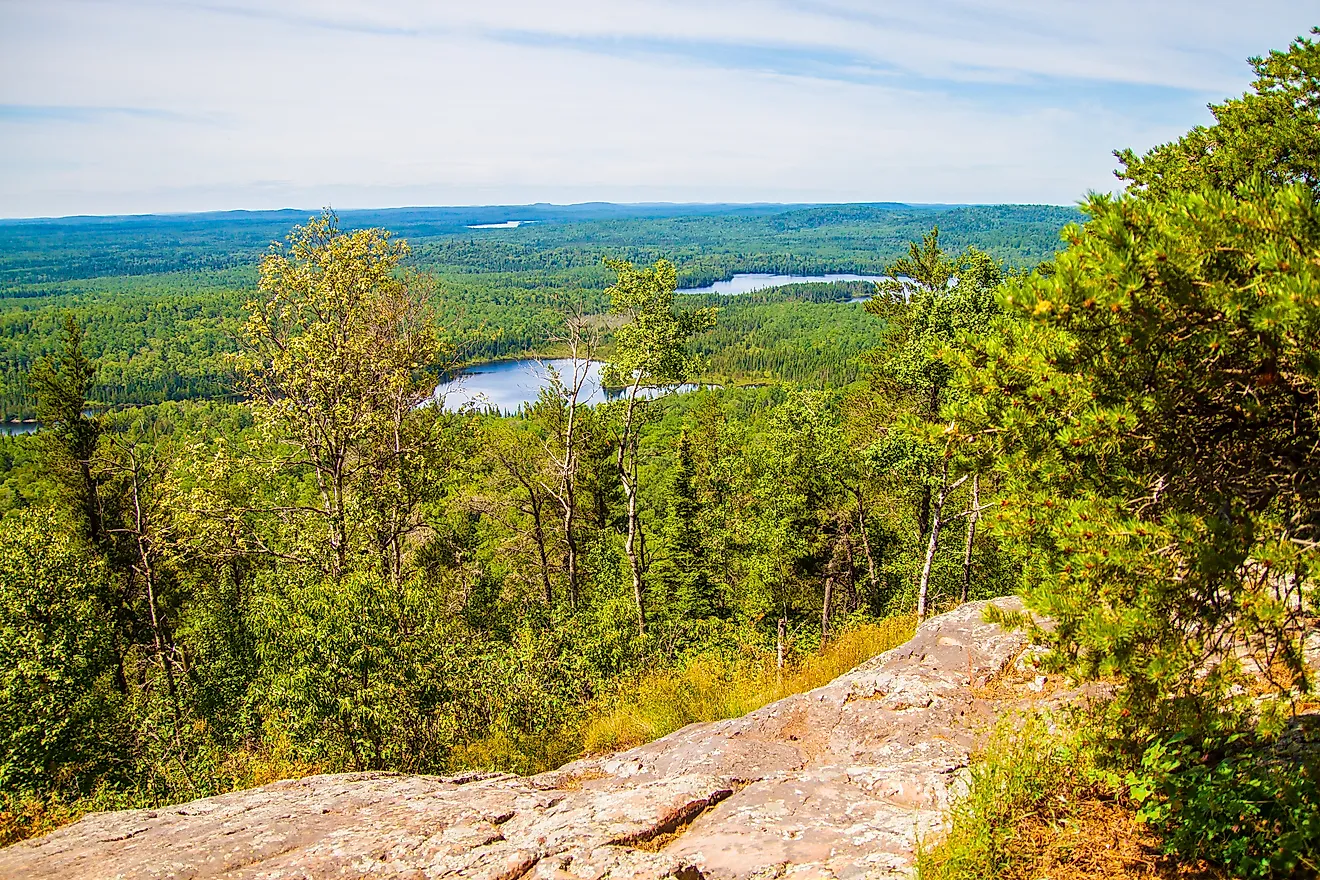
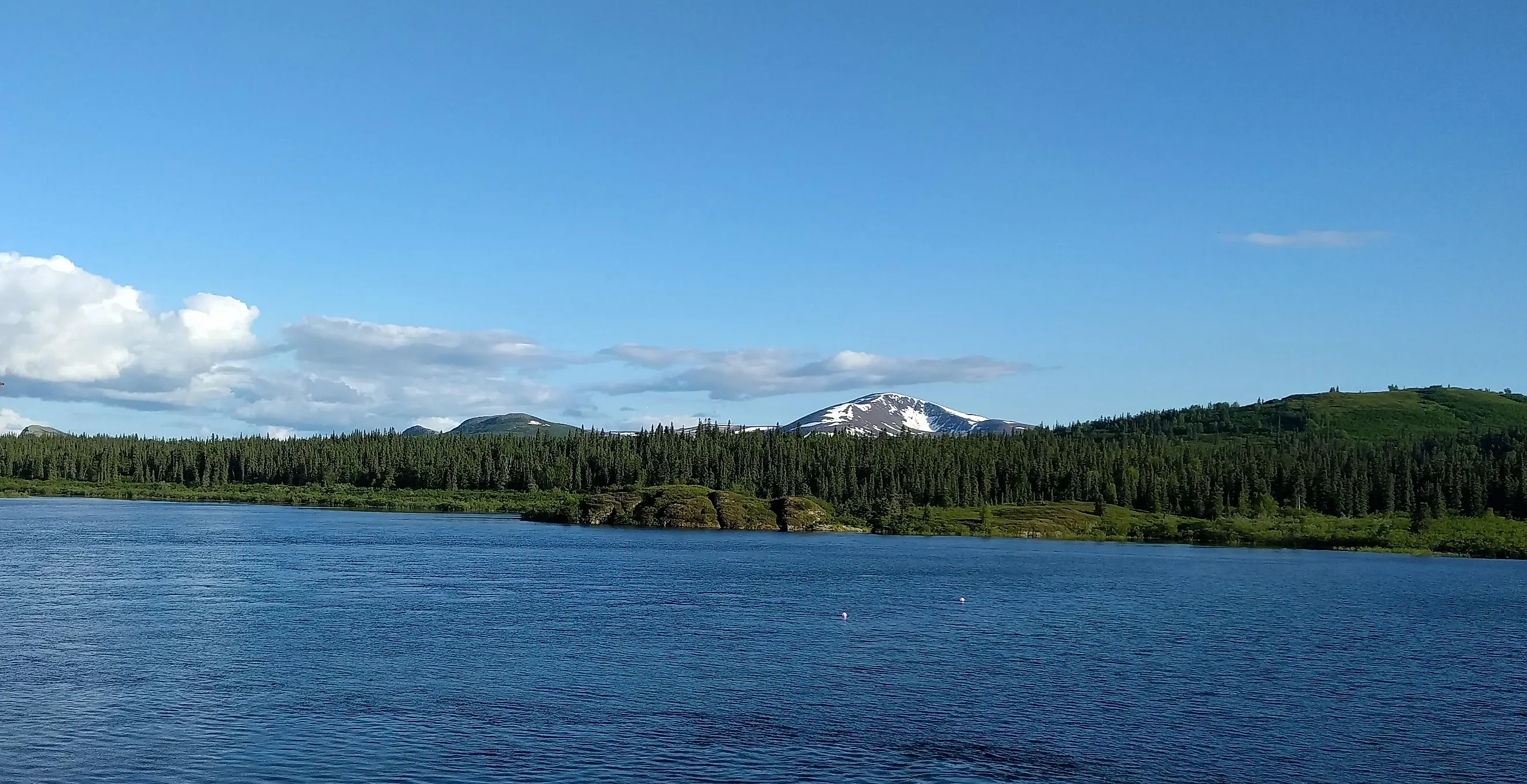
At roughly 1.6 million acres in size, Wood-Tikchik State Park occupies a vast section of southwestern Alaska near the city of Dillingham on the edge of Bristol Bay. The Wood River and Tikchik River systems cut through the park, which connect a chain of a dozen large glacial lakes, including Lake Aleknagik, Lake Beverley, Lake Nerka, and Tikchik Lake. These deep, clear bodies of water were carved by repeated glaciation and are separated by rolling ridges, wetlands, and dense boreal forests.
Much of this landscape remains roadless and can be reached only by floatplane or boat, making it not the easiest state park to visit either. Furthermore, elevations range from near sea level around the lower river valleys to lofty mountains that rise along the eastern edge of the park.
This highly scenic blend of interconnected waterways, tundra, spruce forest, and alpine terrain creates one of the largest intact natural drainage systems in North America, let alone just the U.S., supporting abundant salmon runs, bear populations, and plenty of other flora/fauna along with it.
A Quick History of the Park

For thousands of years, the Yup'ik, Dena'ina, and Alutiiq peoples used the Wood and Tikchik lake systems for fishing, hunting, and seasonal travel. The rivers formed natural transportation corridors linking inland Alaska with the Bristol Bay coast and the Pacific Ocean beyond. Salmon and other aquatic life from these waters were central to local subsistence traditions.
Then, Russian traders reached the broader Bristol Bay region in the 18th century, followed later by American explorers, missionaries, and commercial fishing interests after the United States purchased Alaska in 1867. But despite these outside influences, the Wood-Tikchik area remained little populated and largely undeveloped because of its hard-to-reach location and lack of road access. This also allowed for the massive amount of space later to be used as a nature preserve.
Recognizing the sheer ecological importance of its aquatic habitats and the wildlife in and around them, the State of Alaska officially established Wood-Tikchik State Park in 1978. The designation instantly created the largest state park in the country by landmass, protecting an immense wilderness while allowing continued traditional subsistence use by nearby Alaska Native communities.
Landmarks and Attractions to Visit while in Wood-Tikchik
While there may not be all the facilities and creature comforts you'll expect in other, more visited parks, particularly ones in the Lower 48, Wood-Tikchik's allure lies in its truly wild, off-grid feel. With that in mind, here are a few local points of interest that are definitely worth checking out if you do actually manage to make the trip out.
Tikchik Lake

Tikchik Lake is the largest and most prominent of the lakes in Wood-Tikchik State Park. Covering roughly 160,000 acres, it sits within a stretch of mountains, forest, tundra, and smaller connected waterways. The lake is particularly important for its salmon fisheries, with sockeye, Chinook, chum, coho, and pink varieties moving through the surrounding river system.
Visitors can typically reach Tikchik Lake by boat and/or floatplane, with fishing being the clear main attraction. Boating, wildlife viewing, and simply exploring the remote shoreline also draw many, giving this body of water a reputation as a multi-use destination.
Lake Aleknagik

Lake Aleknagik is a major gateway to Wood-Tikchik State Park and one of the most accessible lakes in the park system. It encompasses a still pretty respectable 85,000 acres and is surrounded by low-lying mountains, lush woodlands, rocky shorelines, and sizable wetlands.
Its waters also connect with the Wood River drainage system, creating a healthy living space for several species of Pacific salmon and other fish. Because of that, the lake is another renowned spot for sport fishing, too, particularly for sockeye salmon, rainbow trout, and Arctic char. But if you don't bring your tackle box, wildlife photography is a common activity here as well, with bush planes providing the best access to more remote sections of the lake and surrounding wilderness.
Because of its proximity to Dillingham, Lake Aleknagik is widely regarded by locals and visitors alike as an important starting point for exploring the park and a top choice for more casual guests.
Bear Viewing

Bear viewing is another major draw for nature lovers in Wood-Tikchik State Park, particularly during the summer salmon runs. Resident brown bears tend to gather along rivers, streams, and lake shorelines where they feed on migrating salmon, with the greatest activity, of course, occurring around productive fishing areas.
The park's far-flung setting means encounters generally take place in untouched backcountry environments. Best experienced from a distance for safety purposes, it is also highly recommended that you hire a guide for such an activity if you're not familiar with the area.
Planning a Stay in Wood-Tikchik State Park?
Reaching Wood-Tikchik State Park requires lots of planning since, as said, there are no roads leading into the park and not very much urban development at all. Most visitors begin in Dillingham, then travel by bush plane, boat, or, in some circumstances, on foot.
By air is generally the most practical option for reaching Wood-Tikchik's lakes and rivers, while Lake Aleknagik State Recreation Site, about 25 miles north of Dillingham, serves as the main access point for boatcraft. Once actually inside the park, you should always be prepared for a true backcountry experience, bringing along necessary clothing for the weather, camping gear, food supplies, and bear deterrents.
With that, overnight stays are possible through backcountry camping, with much of the park open to camping, though often subject to specific permit requirements in several areas. On the other hand, the Agulukpak River Campground provides a more developed option, although please note that stays are limited to three nights. There are also private lodges within the park, but they operate by reservation and do not accept drop-in visitors.