8 Snake Infested State Parks In California
California has approximately 280 state park units, making it home to one of the largest and most diverse state park systems in the United States. The state also supports nearly 50 species of snakes, many of which inhabit its protected landscapes. In Anza-Borrego Desert State Park, warm desert conditions allow some species to remain active for much of the year, while the coastal wetlands of Año Nuevo State Park provide habitat for the endangered San Francisco garter snake (Thamnophis sirtalis tetrataenia). Across desert canyons and coastal grasslands, these eight California parks protect an impressive variety of snake habitats.
Anza-Borrego Desert State Park

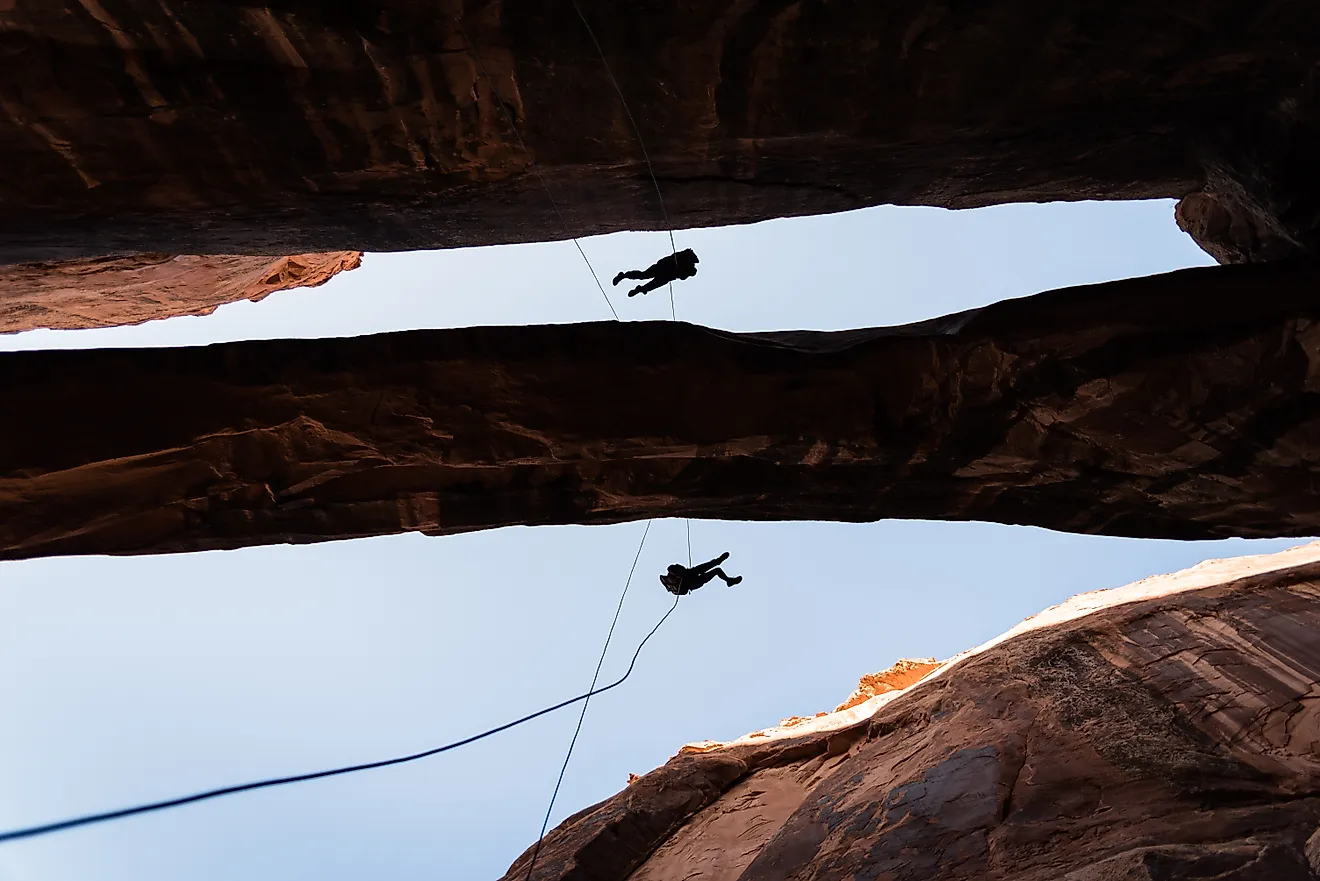
Anza-Borrego Desert State Park is California's largest state park, encompassing more than 600,000 acres of desert terrain. Its landscape includes badlands, palm oases, slot canyons, and cactus-covered slopes. This variety of habitats supports exceptional reptile diversity. The park's diverse habitats fall within the geographic ranges of 24 snake species and four additional subspecies-level taxa.

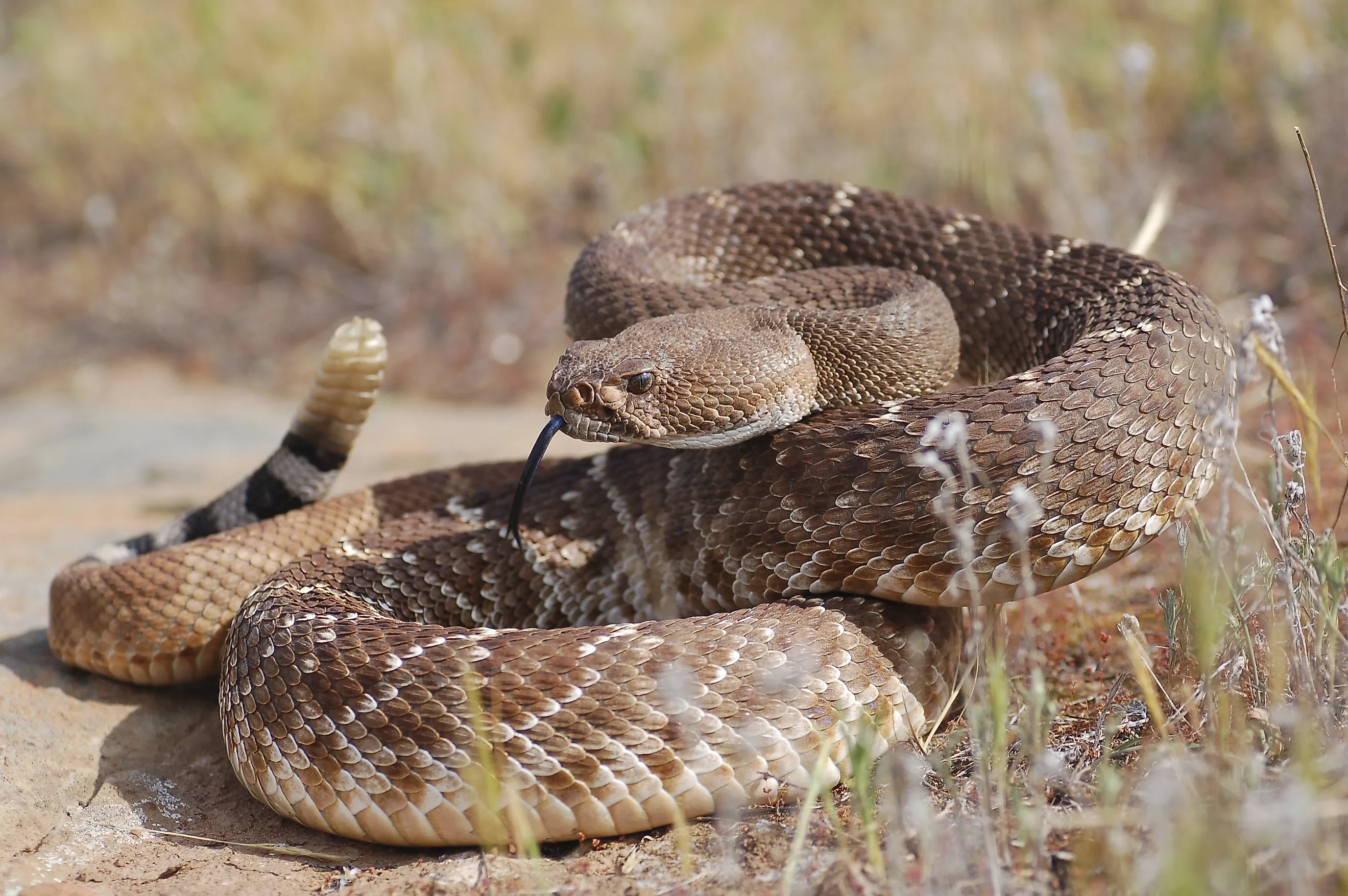
Snakes found in the park include the California night snake (Hypsiglena ochrorhyncha), red diamond rattlesnake (Crotalus ruber), Colorado Desert sidewinder (Crotalus cerastes laterorepens), southwestern speckled rattlesnake (Crotalus pyrrhus), and Sonoran gopher snake (Pituophis catenifer affinis). As ectotherms, snakes depend on environmental temperatures to regulate their body heat. The desert's relatively mild winters allow some species, including red diamond rattlesnakes, to remain active for much of the year. During extreme summer heat, however, snakes often retreat underground or become more active at night to avoid overheating.
Torrey Pines State Natural Reserve

Torrey Pines State Natural Reserve protects approximately 1,750 acres of coastal habitat within San Diego. The reserve is known for its rare Torrey pine trees, maritime chaparral, sandstone canyons, and cliffs overlooking the Pacific Ocean. At least eight snake species occur in the reserve, although most visitors rarely encounter them.

Among the reserve's snakes are the California striped racer (Masticophis lateralis) and California kingsnake (Lampropeltis californiae). The striped racer has a dark body with pale longitudinal stripes, while California kingsnakes commonly display alternating dark and light bands. Southern Pacific rattlesnakes (Crotalus helleri) and gopher snakes (Pituophis catenifer) also inhabit the reserve. Gopher snakes are sometimes mistaken for rattlesnakes because of their similar coloration and defensive behavior, including vibrating their tails when threatened.
Henry W. Coe State Park

Covering approximately 87,000 acres, Henry W. Coe State Park is the largest state park in Northern California. Its rugged landscape includes deep canyons, rolling hills, and mountain ridges within the Diablo Range. Elevations range from approximately 710 to 3,560 feet, creating habitats for numerous plants and animals. The park's wildlife guide identifies 14 regularly occurring snake species.

Many of these snakes are seldom encountered despite their presence throughout the park. Sharp-tailed snakes (Contia tenuis) favor sheltered areas, particularly wooded drainages, while ring-necked snakes (Diadophis punctatus) inhabit moist environments and often remain concealed beneath rocks, logs, and leaf litter. Racers (Coluber constrictor) are more frequently observed in open habitats, especially during warm spring weather when they emerge to bask and hunt.
Malibu Creek State Park

Malibu Creek State Park encompasses more than 8,000 acres of canyons, meadows, and rocky hillsides in the Santa Monica Mountains. Its Mediterranean climate produces hot, dry summers and mild, wetter winters. Malibu Creek flows through oak and sycamore woodlands, while surrounding slopes support chaparral and grassland habitats. These varied environments provide suitable conditions for 14 documented snake species.

The California mountain kingsnake (Lampropeltis multifasciata) inhabits rocky areas and wooded canyons, while the two-striped garter snake (Thamnophis hammondii) favors streams and other aquatic habitats. The California kingsnake is another resident, occurring in grasslands, chaparral, and woodland edges. The park's combination of freshwater habitats and relatively dry uplands allows species with different ecological requirements to occupy the same protected landscape.
Mount Diablo State Park

Mount Diablo State Park protects approximately 20,000 acres of grasslands, chaparral, and oak woodlands surrounding one of the Bay Area's most prominent peaks. The summit reaches 3,849 feet above sea level and offers extensive views across Northern California. The park's varied elevations and habitats support numerous reptiles, including gopher snakes, rattlesnakes, and striped racers.

Gopher snakes and northern Pacific rattlesnakes (Crotalus oreganus) occur throughout suitable habitats in the park, particularly in rocky areas and open grasslands. Mount Diablo also provides important habitat for the Alameda striped racer (Masticophis lateralis euryxanthus), a federally threatened subspecies of the California striped racer. This slender, fast-moving snake inhabits chaparral and scrublands, often using nearby rock outcrops for shelter. The park forms part of its limited remaining range in the East Bay region.
Chino Hills State Park

Chino Hills State Park protects more than 14,000 acres of rolling hills, wooded valleys, and open grasslands near Santa Ana Canyon. More than 90 miles of trails cross oak woodlands, coastal sage scrub, and ridgelines, providing access to a landscape that supports numerous reptiles. Open slopes and sunny trails create basking opportunities for snakes, particularly during mild spring weather.

Gopher snakes thrive in the park's grasslands and scrub habitats, where they hunt rodents and other small animals. Southern Pacific rattlesnakes and red diamond rattlesnakes also occur in the park, using rocky slopes and vegetation for shelter. Red-tailed hawks are among the predators capable of taking snakes, while California kingsnakes sometimes prey on other snake species, including rattlesnakes. Their resistance to rattlesnake venom allows them to subdue venomous prey.
Año Nuevo State Park

Año Nuevo State Park protects more than 4,000 acres of coastal habitat along California's central coast. Its beaches, coastal terrace prairies, dunes, and wetlands support a variety of wildlife. The park is particularly famous for its northern elephant seals, which gather along the coast to breed, give birth, and molt. Beyond the beaches, freshwater marshes and coastal scrub provide habitat for several snake species, including the endangered San Francisco garter snake.

The park's wetlands support aquatic garter snakes (Thamnophis atratus) and San Francisco garter snakes (Thamnophis sirtalis tetrataenia). Both use freshwater habitats and feed on aquatic prey, including amphibians and small fish. Adjacent grasslands and scrublands provide additional habitat where ring-necked snakes, gopher snakes, and rattlesnakes may occur. The San Francisco garter snake is protected under both federal and California endangered species laws, making the preservation of suitable wetland habitat especially important.
Silverwood Lake State Recreation Area

Silverwood Lake State Recreation Area lies in the foothills of the San Bernardino Mountains. Its centerpiece is Silverwood Lake, a 976-acre reservoir situated approximately 3,350 feet above sea level. The reservoir is the highest in California's State Water Project. Surrounding habitats include woodland, chaparral, grassland, and mountain slopes, creating suitable conditions for several snake species.

The California striped racer and southern Pacific rattlesnake are among the snakes found in the recreation area. Rocky outcrops and exposed slopes provide opportunities for basking, while dense vegetation offers shelter from predators and extreme temperatures. The combination of wooded areas, open slopes, and lakeside vegetation provides a variety of habitats for reptiles within the recreation area.
California's Snake-Filled Parks
California's state parks protect snakes across a wide range of environments, including desert scrublands, mountain woodlands, coastal wetlands, and grasslands. Some species, such as gopher snakes and California kingsnakes, occupy many different habitats, while others, including the San Francisco garter snake and Alameda striped racer, depend on more specialized environments. Snakes play an important ecological role by preying on rodents and other small animals. Protecting them and their habitats helps maintain natural food webs within California's parks and surrounding landscapes.