8 Snake Infested State Parks In The Pacific Northwest
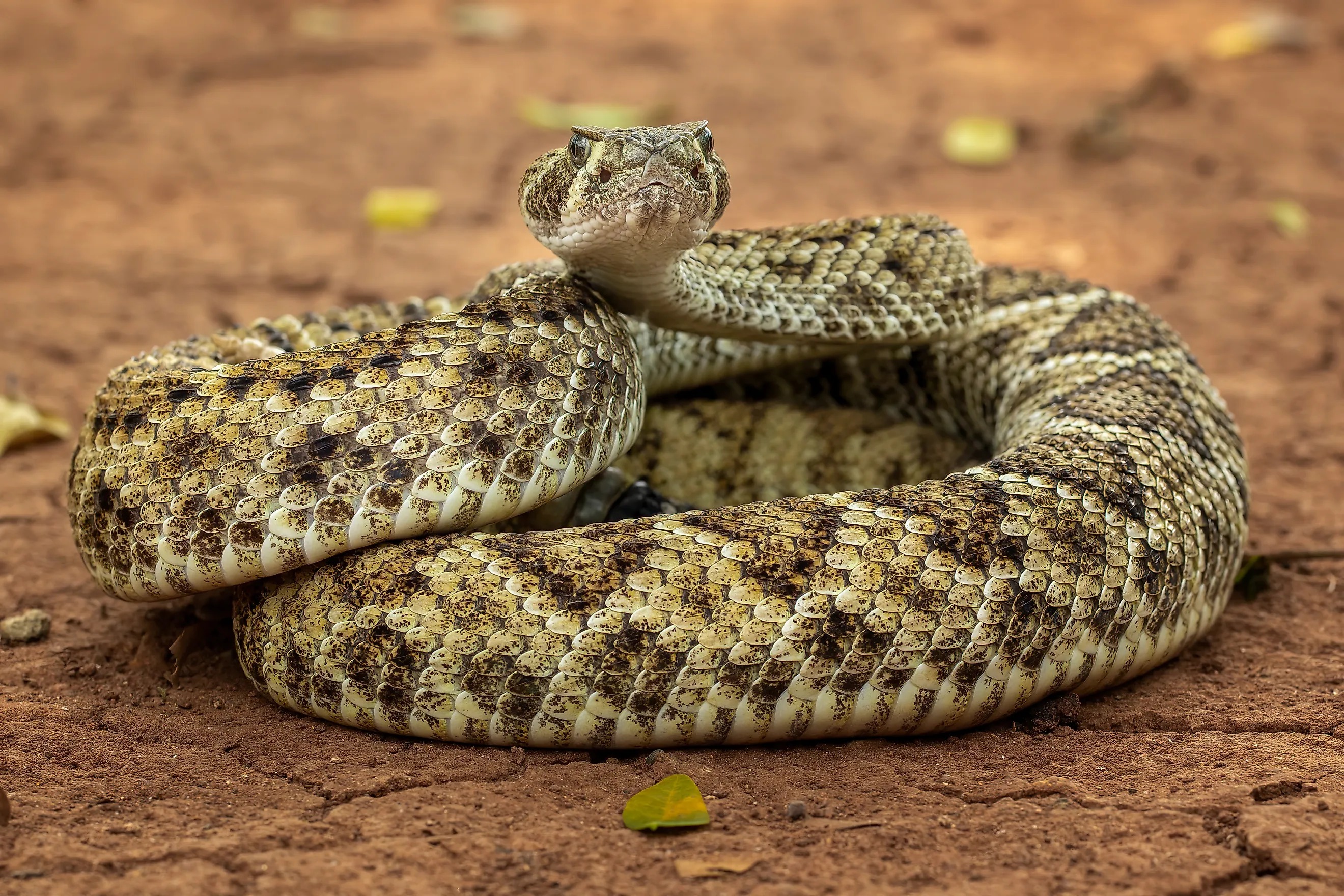
Several snake populations are widespread across the diverse habitats of Washington, Idaho, and Oregon. The valleys and canyons of the Pacific Northwest are home to the only native dangerously venomous snake in this region, the western rattlesnake (Crotalus oreganus). These snakes can be found in shrubsteppe grasslands and rocky slopes during active months, and talus fields and basalt outcroppings during overwintering. Many non-venomous snakes can also be found slithering through these landscapes. Gopher snakes (Pituophis catenifer catenifer) share similar habitat preferences with western rattlesnakes. Several garter snake species (Thamnophis spp.) are common in wetlands and riparian zones near the edges of bodies of water.
Many state parks in the Pacific Northwest preserve these snake-friendly habitats. These parks are known for having consistent sightings.
Columbia Hills State Park

Columbia Hills State Park in southern Washington State includes a mixture of shrubsteppe terrain and basalt ridges near the Columbia River. It covers more than 3,300 acres of land. Western rattlesnakes and gopher snakes are regularly seen in the park. They favor sunlit areas for thermoregulation and brushy areas for cover.
The Crawford Oaks Trailhead passes through both shrubsteppe terrain and wildflower meadows. Rocky slopes alongside portions of the trail are a favorite spot of the western rattlesnake, though encounters with them are rare. Gopher snakes are more commonly seen. Hikers sometimes see them moving across sunny surfaces. The Tsagaglalal ("She Who Watches" in the Wasco-Wishram language) Trail leads to basalt cliffs above the river and adjacent talus fields. These spots create overwintering shelters for both western rattlesnakes and gopher snakes. The combination of open, sunny rocks and dark crevices makes this trail a suitable environment for snakes to bask and hunt.
Potholes State Park

Potholes State Park covers around 773 acres within the Columbia Basin of central Washington State. Shrubsteppe habitat and riparian shoreline along Potholes Reservoir make up the majority of the park. The park is ecologically diverse despite its relatively compact footprint. It provides habitats for both water-dependent and dry-adapted snake species.
This area marks the northernmost territory of the desert striped whipsnake (Coluber [Masticophis] taeniatus taeniatus), a shrubsteppe specialist that thrives in the driest areas of the Columbia Basin. The Frenchman Hills Trail loops through portions of shrubsteppe and along riparian zones bordering the reservoir. Garter snakes live in the wetter areas along the water's edge, where they move through the grasses in search of small prey.
Ginkgo Petrified Forest State Park

Ginkgo Petrified Forest State Park covers around 7,124 acres on the west side of the Columbia River in central Washington State. Prime snake habitat makes up a large section of the park, in the form of dry shrubsteppe terrain above Wanapum Reservoir. Western rattlesnakes and gopher snakes frequent these environments.
The west side of the park has the Trees of Stone Interpretive Trailhead. This trail crosses dry, rocky ground that is dotted with chunks of petrified wood. These rocks warm quickly during spring and early summer, creating microhabitats where snakes like to coil. Western rattlesnakes use the terrain both for basking and for hunting small mammals, whereas gopher snakes occupy crevices and brush for cover.
Valley of the Rogue State Park

Valley of the Rogue State Park runs along approximately three miles of the Rogue River shoreline in southwest Oregon. The park is about 270 acres in total. Within the park, forested slopes border the river, and dense vegetation grows thickly along the water's edge.
The Rogue River Greenway Trail runs along the northern side of the river. The path continues upstream toward the small community also named Rogue River. The riparian vegetation growing along the shoreline provides suitable habitat for several garter snake species. Snakes move through the grass, leaf litter, and low shrubs near the water's edge. Sections of this trail pass close to these areas, increasing the likelihood of snake sightings.
Succor Creek State Natural Area

Succor Creek State Natural Area is a stretch of desert canyon in eastern Oregon, near the Idaho border. Shrubsteppe grassland spreads across the canyon floor and along the hillsides surrounding Succor Creek. The remote area attracts rockhounders searching for agate and jasper within the volcanic terrain, increasing the chance of encounters with snakes.
Primitive hiking trails cross sections of exposed rock across the canyon benches. These sun-exposed rock shelves warm up quickly during the day, letting western rattlesnakes and gopher snakes thermoregulate effectively. Both species make regular use of rocky ground and nearby vegetation for shelter and hunting.
Farewell Bend State Recreation Area

Farewell Bend State Recreation Area is beside the Snake River's Brownlee Reservoir, near the Oregon-Idaho border. Basalt slopes rise above the corridor, and shrubsteppe vegetation dominates the surrounding hillsides. Western rattlesnakes and gopher snakes live in these dry slopes. Cracks in the rock and sun-exposed surfaces make for useful thermoregulation sites.
Along the river's northern shoreline, vegetation attracts several garter snake species. These snakes regularly move throughout the grass and leaf litter alongside the riverbank. Trails that cross near the shoreline bring hikers into proximity with this habitat, creating opportunities to observe snakes without disturbing them. Despite its small size, the dry slopes and riparian zones let multiple snake species coexist within a small area of the park.
Ponderosa State Park

Ponderosa State Park occupies a peninsula that extends out into Payette Lake in central Idaho. The park's ecology includes a varied mixture of pine forest, shrubsteppe flats, and marshland habitat. It is more than 1,000 acres.
Garter snakes can be seen near the Meadow Marsh Loop and the Lily Marsh Trailhead. The damp soil and leaf litter in these marshes support the prey populations that snakes rely on. Ridgeline Trail crosses higher ground along the park's ridges, away from the wetter lowland areas. Western rattlesnakes appear sporadically in the drier sections. Sun-exposed rock throughout the area provides suitable basking habitat for the snakes during warmer months.
Thousand Springs State Park

Thousand Springs State Park is located along the Snake River and sits between two great springs. The Billingsley Creek unit centers on a spring-fed creek corridor where wet meadows and riparian vegetation occur throughout the Hagerman Valley. Earl M. Hardy Box Canyon Springs has a volcanic canyon where a large aquifer-fed spring and waterfall run through the basalt cliffs. Western rattlesnakes and gopher snakes inhabit the basalt ledges and outcrops.
Ritter Island features springs that flow into the Snake River around the island. It has an abundance of wetlands and riparian vegetation. Garter snakes are common along the wetland edges.
Snake Country in the Pacific Northwest
The state parks of the Pacific Northwest are a good example of how varied terrain can support a diversity of snake species. Dry shrubsteppe and rocky slopes are essential habitats for some. Riparian corridors and wetlands offer shelter and rich foraging grounds for others. Western rattlesnakes, gopher snakes, and several species of garter snakes can be found in numbers throughout these environments.
Knowing where snakes of the area bask and forage can improve the chances of spotting one. With a careful eye, you might see one of the many snakes of the Pacific Northwest resting on a warm canyon rock or moving quietly through dense riverside vegetation.