Why Voyager 1 Keeps Sending Strange Data From Interstellar Space
It's straight from the plot of a blockbuster sci-fi film: Voyager 1, a vintage 1970's space probe, exits the solar system and begins transmitting strings of very strange, almost frantic data sets, as if it were under the control of an alien species. Meanwhile, everyone is waiting on the edge of their seats for a sensational bit of information to drop. Of course, the truth is far more mundane. But don't get the wrong idea; the fact that a man-made machine has actually traveled more than 16 billion miles (172 AU) from Earth and is still able to do anything, let alone communicate, is still groundbreaking. The Voyager mission has served to increase the general interest in cosmology and related space phenomena. It is, after all, literally going where no man-made object has gone before.
A Bit Of Context

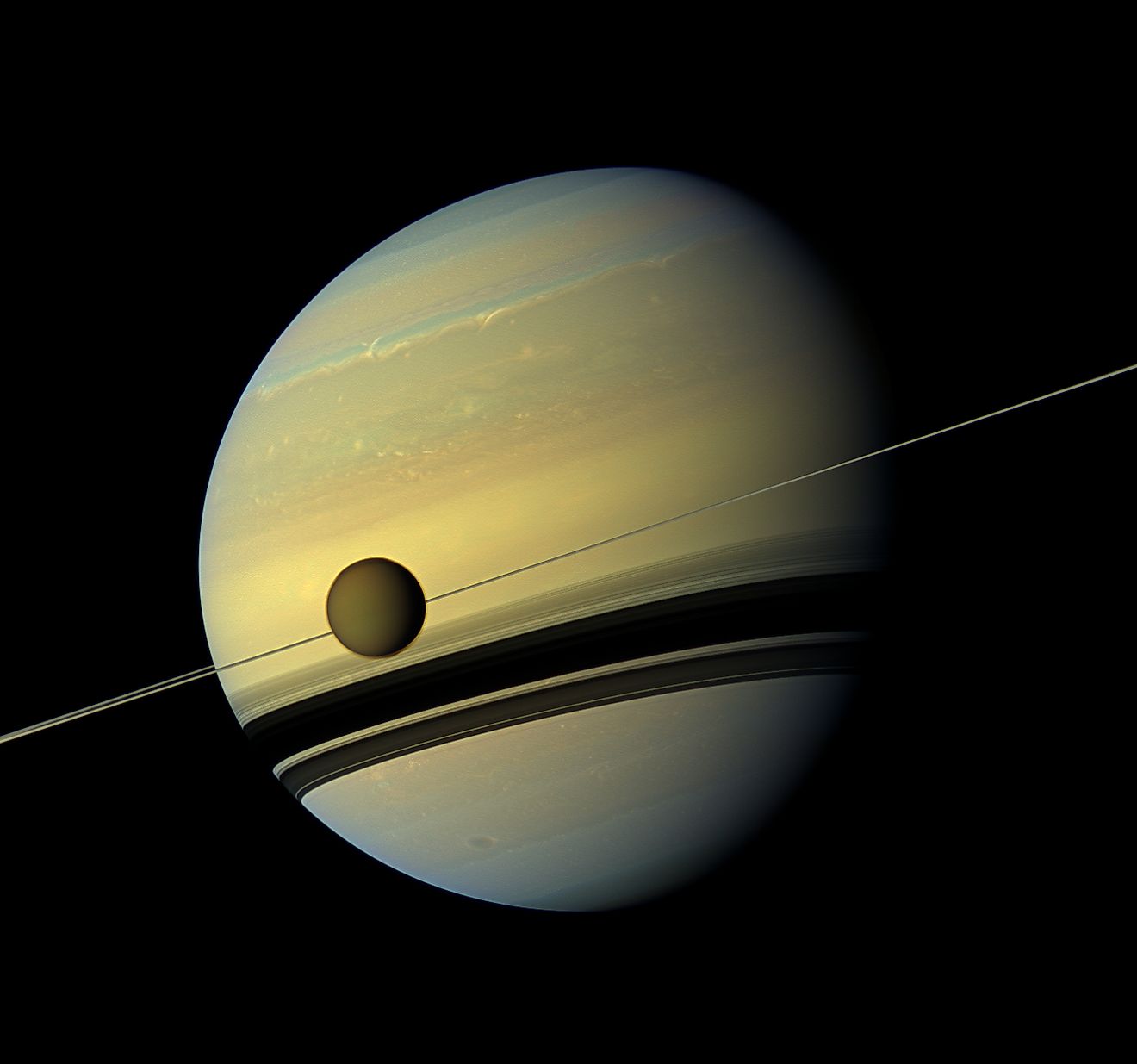
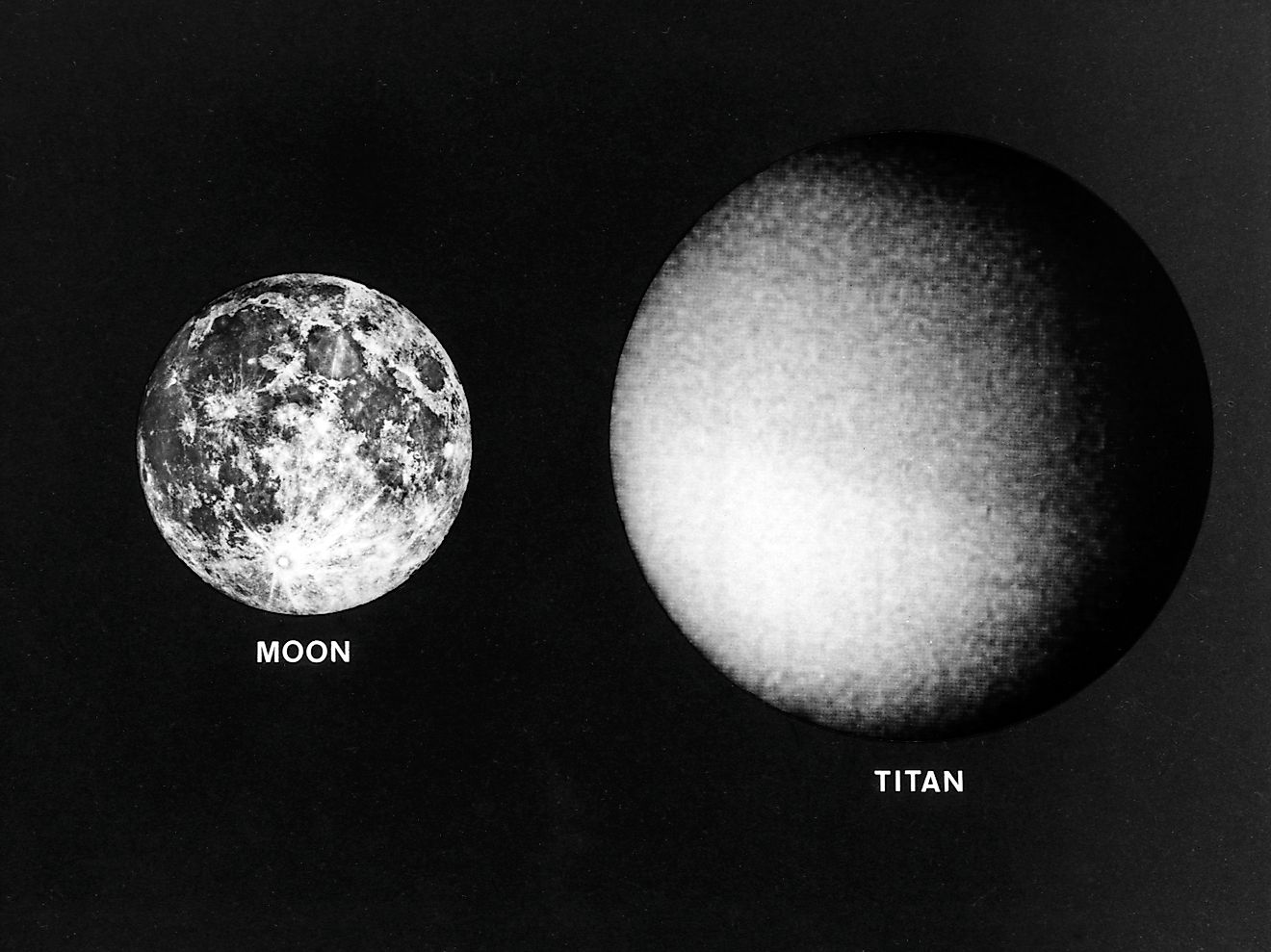
NASA actually launched two nearly identical Voyager spacecraft as part of the same mission. Voyager 2 launched first on August 20, 1977, while Voyager 1 followed on September 5. Voyager 1 was assigned the faster trajectory, however, allowing it to reach Jupiter and Saturn sooner and conduct a crucial flyby of Saturn's moon Titan before heading onto an escape path out of the solar system.
Voyager 2, meanwhile, embarked on what became known as the "Grand Tour" of the outer planets. After visiting Jupiter and Saturn, it continued on to Uranus and Neptune, becoming the first, and still the only, spacecraft to visit both worlds. Along the way, Voyager 2 discovered 10 previously unknown moons orbiting Uranus and revealed new details about the planet's rings, magnetic field, and unusual rotation. Its encounter with Neptune also led to the discovery of additional moons and provided the first detailed observations of the planet's ring system, atmosphere, and largest moon, Triton.

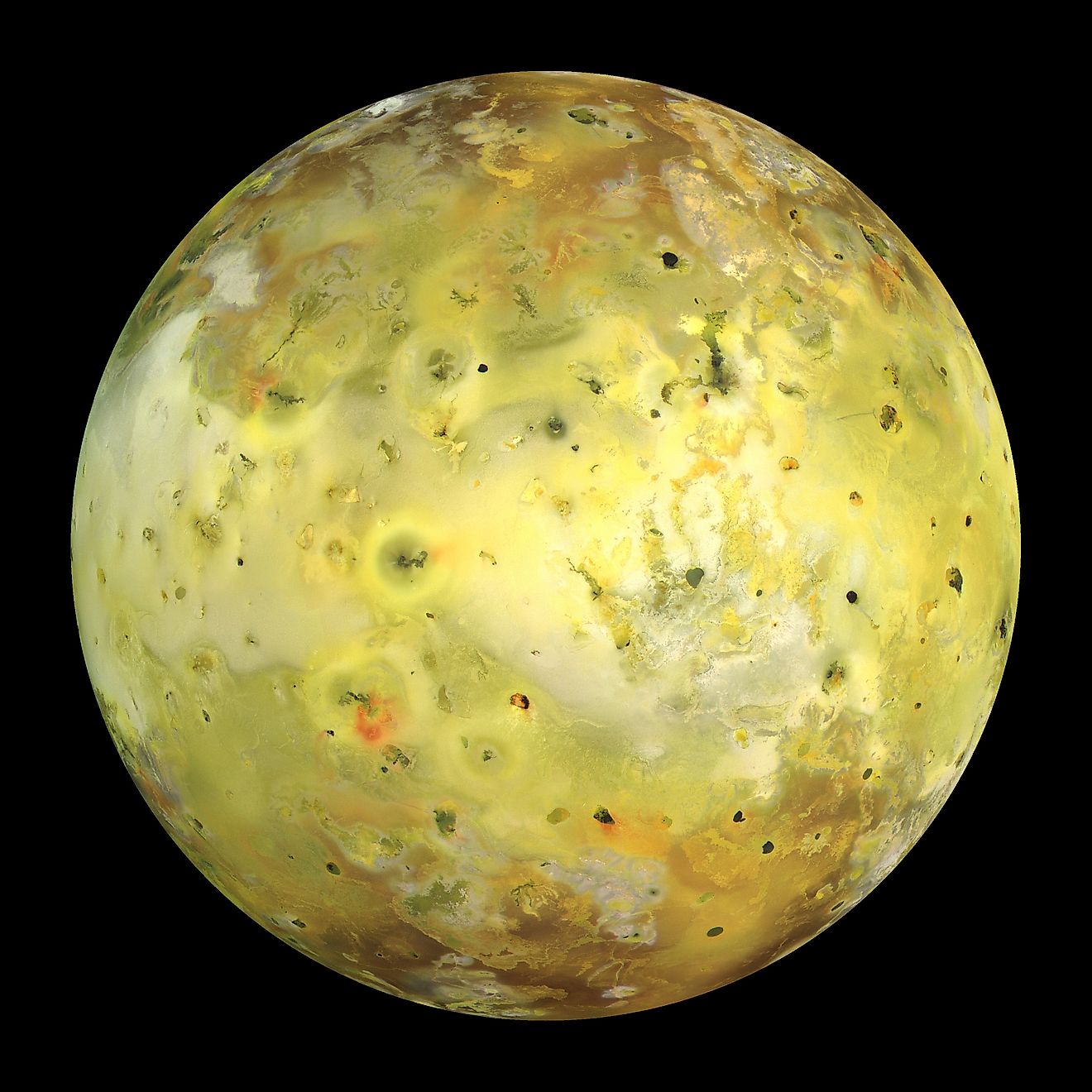
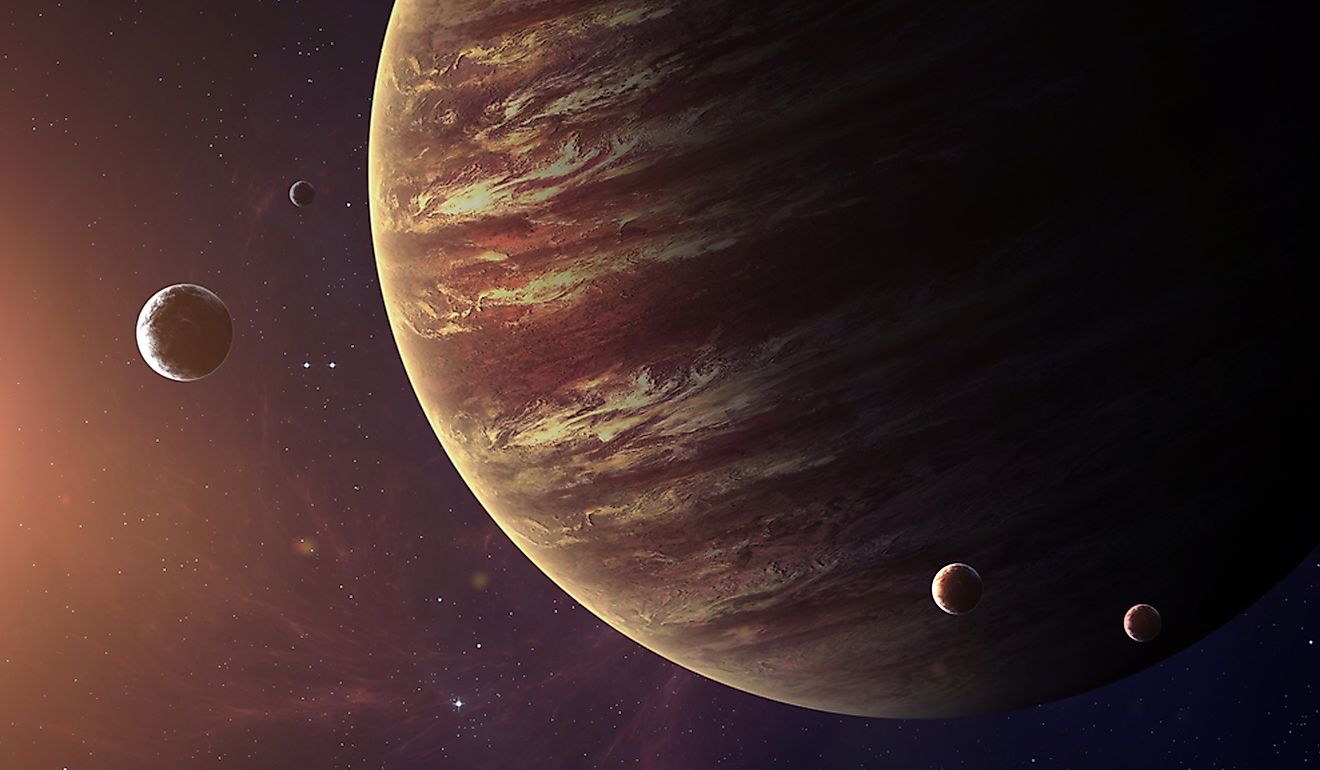
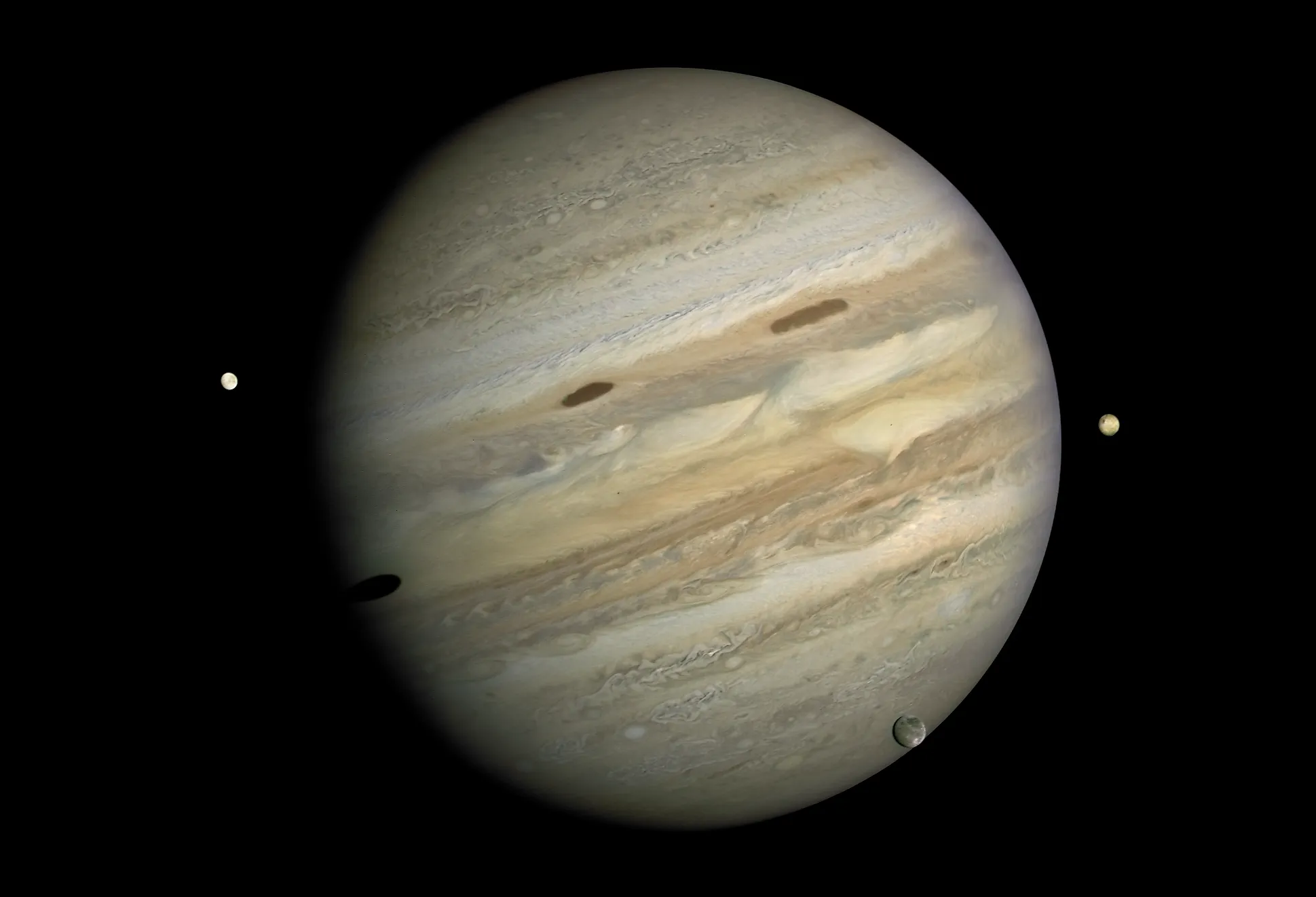
Voyager 1's mission was no less scientifically significant. During its encounters with Jupiter and Saturn, it studied the planets' atmospheres, magnetic fields, and ring systems. Among its most important discoveries was the detection of active volcanoes on Jupiter's moon Io, marking the first confirmed observation of ongoing volcanic activity on another world.
There is still some debate around whether Voyager 1 is still in the solar system. Most conventional science says the probe has indeed entered interstellar space by exiting the sun's heliosphere. Others argue that the Oort Cloud represents the outermost region of the solar system and therefore a more meaningful boundary. According to NASA, it will take about 300 years for Voyager 1 to reach the inner edge of the Oort Cloud and possibly about 30,000 years to fly beyond it. By that measurement, the probe has a long way to go before it truly leaves the solar system.
Communication Breakdown

Like all digital computers, Voyager 1 communicates using binary data. In late 2023 and early 2024, engineers noticed that portions of the spacecraft's transmissions no longer matched the expected telemetry format. The actual reason behind Voyager 1's strange transmissions was far less mysterious than many headlines suggested. Engineers ultimately traced the problem to corrupted memory within the spacecraft's Flight Data Subsystem (FDS), one of the Voyager's three onboard computer systems. The FDS is responsible for packaging engineering and scientific data before sending it back to Earth. When part of its memory became unusable, Voyager 1 continued to receive commands and operate normally, but the telemetry it transmitted appeared garbled and difficult to interpret. NASA has suggested the fault may have resulted from a malfunctioning memory chip, long-term radiation exposure, or simply the effects of operating in deep space for nearly five decades.
What's Under The Hood?

In terms of computing power, Voyager 1 operates on technology that seems almost unbelievable by modern standards. In fact, some have compared its 1970s hardware and systems to those of a modern-day digital watch or 8-track era computer chips. Yet, it continues to function nearly five decades after launch. Its fault-protection system was particularly advanced for its time, incorporating seven major automated routines capable of responding to a wide range of onboard problems. If a serious issue is detected, the spacecraft can place itself into a protective "safe mode" within seconds or minutes, helping ensure its survival even when it is billions of miles from Earth.
Nevertheless, Voyager's hardware reflects the limitations of its age. Across its computer systems, the spacecraft has only about 69.6 kilobytes of memory and processing capabilities measured in tens of thousands of instructions per second. These are tiny fractions of what even inexpensive modern electronics can achieve. For comparison, today's processors routinely execute billions of instructions every second.
Voyager 1 Is (Still) A Big Deal

It has been stated many times that Voyager 1 has helped to reshape our view of the universe at large, perhaps more than any other space mission to date. Along with returning some of the first detailed close-up images of Jupiter, Saturn, and their moons, the spacecraft helped scientists better understand the heliosphere, the vast bubble created by the Sun's influence that helps shield the solar system from some interstellar radiation. It also became the first human-made object to cross into interstellar space, a milestone that remains astonishing when you consider the distances involved.
Likewise, as previously mentioned, Voyager 1 also marked the first time any active volcanism was ever observed on another planetary body (Jupiter's moon Io). Perhaps most famously within popular culture, it also snapped the legendary "Pale Blue Dot" photo in 1990, a view of Earth from about 4 billion miles away, made even more culturally significant by astronomer and author Carl Sagan. Still to this day, it continues to marvel and intrigue, and who knows what wonders it might unexpectedly uncover. Its future discoveries may be limited by its dwindling power supply, but its journey will continue long after its instruments fall silent.