What Would Jupiter Look Like as a Star?
Jupiter is 318 times as massive as Earth, yet it would still need to gain the mass of another 80 planets exactly like itself before it could ignite into a star. That gap sits at the center of a common question in popular astronomy: how close does the solar system's largest planet actually come to being a second sun, and what would the sky look like if it crossed that line?
The Instant of Ignition

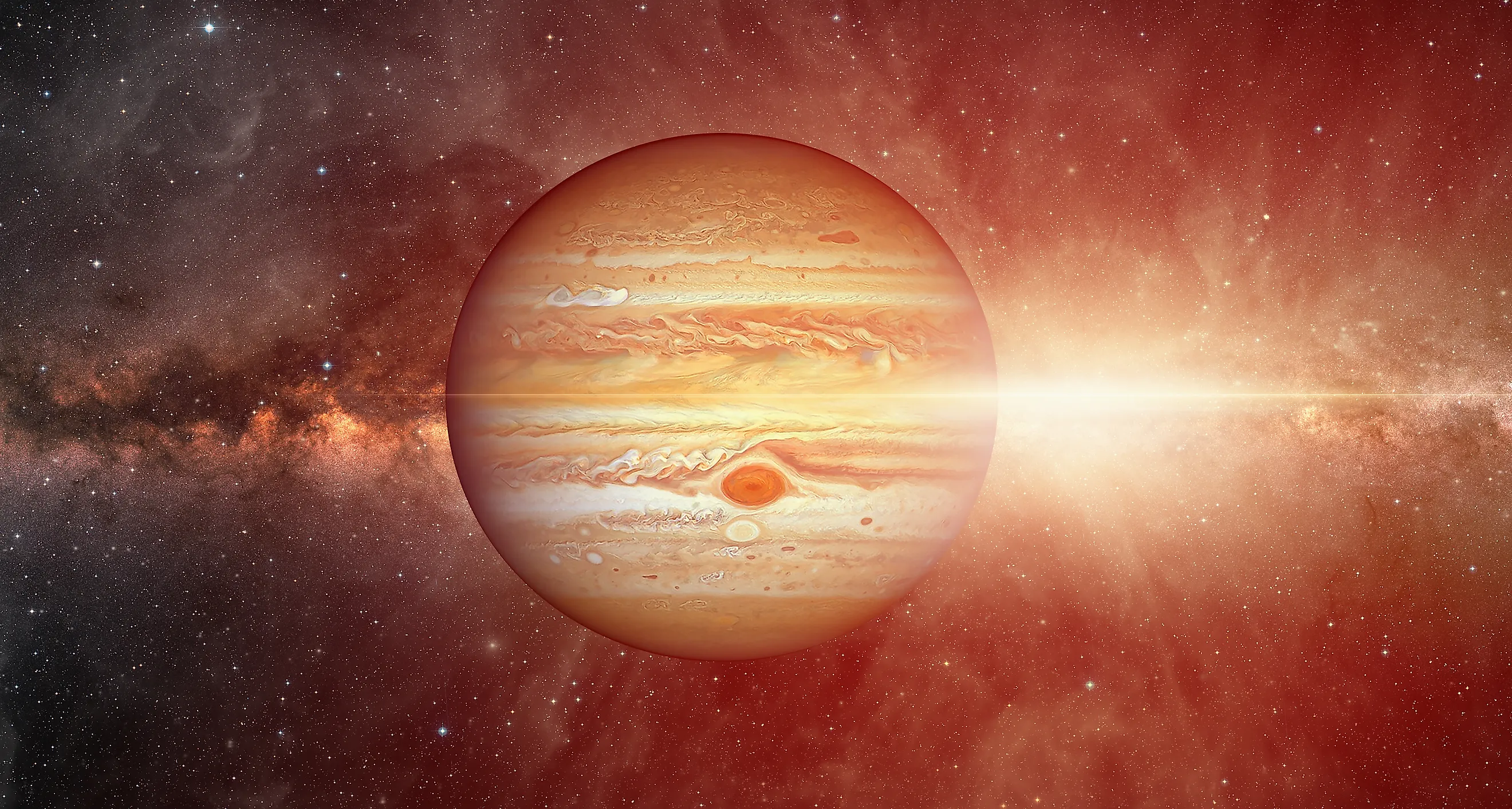
If Jupiter were to suddenly bypass the laws of physics and ignite into a red dwarf star, its elegant, familiar face would quickly dissolve. The gas giant, painted with orange and cream cloud bands and anchored by the brick-red swirl of the Great Red Spot, would be replaced by a self-luminous furnace.
At the moment of nuclear ignition, the planet's cold ammonia and ammonium hydrosulfide clouds, the very bands that give Jupiter its striped, marbled beauty, would flash to vapor in a fraction of a second. There would be no gradual heating, no slow burn. The onset of fusion in the core would send a shockwave of energy racing outward through thousands of miles of hydrogen and helium, and the atmosphere would have no chance to adjust gracefully. The organized, horizontal jet streams that had existed for billions of years, bands moving in opposite directions at hundreds of miles per hour, would shear apart and dissolve into a chaotic, roiling sea of superheated plasma.
As the surface temperature rocketed past 2,100 Kelvin (over 3,300 degrees Fahrenheit), Jupiter would transition from a light brown to a smoldering, deep ember. This color wouldn't be reflected sunlight anymore; it would be self-illuminating radiation, light generated by the object itself. Where Jupiter once shone by borrowing the sun's light and scattering it off ammonia crystals, it would now radiate its own heat and light out into the solar system.
The Needed Mass

A star produces its own light through nuclear fusion, a process in which the extreme pressure at an object's core forces hydrogen atoms to combine into helium and release energy. Jupiter is a gaseous planet made of the same hydrogen and helium found inside the Sun. NASA's Jet Propulsion Laboratory notes that Jupiter would have become a star instead of a planet had it formed with about 80 times more mass. As it stands Jupiter falls short by a wide margin, with about 1,048 times less mass than the Sun.
The shortfall breaks down into two thresholds. Adding about 13 times Jupiter's current mass would be enough to fuse deuterium, a heavier form of hydrogen, and transform into a dim, almost-star celestial body called a brown dwarf. To reach true classification as a star, Jupiter would need enough mass to fuse ordinary hydrogen and qualify as a red dwarf, the smallest and coolest class of true stars. Piling on 1,000 times Jupiter's current mass would be necessary to match the Sun itself.
Star Jupiter Would Be Much More Massive

The strangest part of this scenario is the relation between the added mass Jupiter would need to become a star versus how large it would grow. A red dwarf star built from a more massive Jupiter would barely grow in size at all, adding only about 20 percent to its current diameter, according to estimates based on known low-mass stars such as OGLE-TR-122b. That comparison star carries about 96 times the mass of Jupiter packed into a celestial body only slightly larger than Jupiter is right now.
The reason lies in how gravity behaves at extreme densities. Past a certain point, adding mass to a hydrogen-rich body compresses its interior faster than it expands its outer layers. So, the object grows more massive without growing much larger. A Jupiter turned into a star would look, from a distance, like a deep-crimson sphere radiating with its own faint glow; because its surface temperature would range between 2,100 to 3,800 Kelvin, it would emit most of its energy as invisible infrared wavelengths. At its upper end, this temperature range is roughly three times hotter than a fresh lava flow, which usually tops out around 2,200 degrees Fahrenheit (1,200 degrees Celsius).

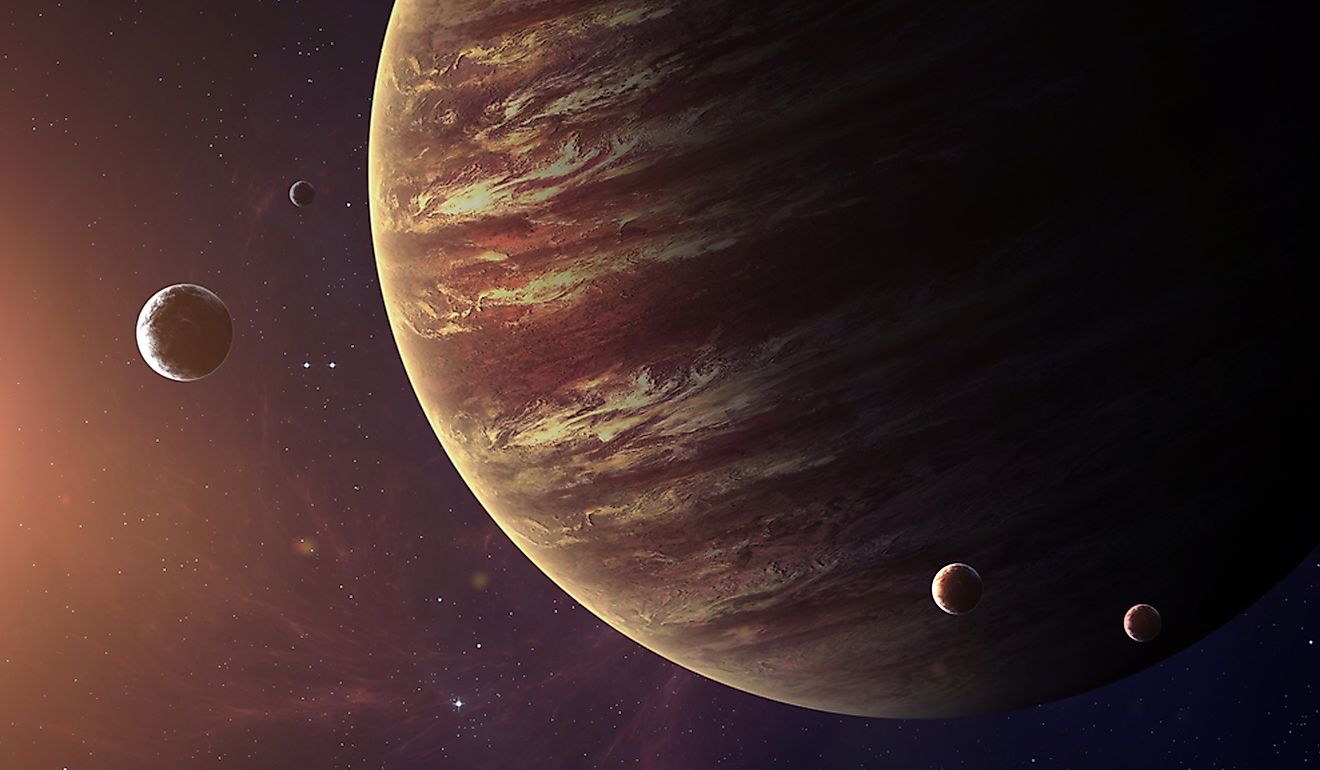
Amateur astronomers pointing a telescope toward the transformed world would no longer see the iconic, brightly colored cloud bands or the Great Red Spot, a colossal, high-pressure storm in Jupiter's southern hemisphere raging for centuries at a strength more than double a Category 5 hurricane. The intense internal heat of nuclear fusion would completely alter the atmospheric conditions. Instead a telescope would reveal a stark, deep crimson sphere churning with violent, high-energy plasma storms. Its major moons would likely cast sharp silhouettes against a self-illuminating background rather than one reflecting the sun's light.
Despite being so enormous that Jupiter has about 2.5 times as much mass as all the other planets, moons, and asteroids in the Solar System combined, it is still an absolute drop in the bucket compared to what it needs to match the mass of the Sun. It would need to multiply its current mass by 1,000 times just to equal the mass of the Solar System's ultimate celestial body.
A Second Sun Destabilizing the Solar System

If this transformed Jupiter suddenly appeared in the night sky, observers on Earth would notice it immediately, but not from its heat. According to calculations from the physics blog "Ask a Mathematician, Ask a Physicist," a red dwarf Jupiter modeled on OGLE-TR-122b, at about 100 times Jupiter's current mass (somewhat more than the roughly 80 needed to ignite), would produce only about 0.3 percent of the Sun's brightness. Because Jupiter sits nearly five times farther from Earth than the Sun does, the additional energy reaching Earth would amount to about one part in 5,000. This fraction is so incredibly minute that it represents a far smaller shift in total solar energy than the natural 6.5 percent seasonal swing Earth already experiences as its elliptical orbit carries it closer to and farther from the Sun.
Visually, the effect would be dramatic even without any change in temperature. The same calculations suggest this new star would appear around 80 times brighter than a full moon, staining the night sky a deep red and remaining visible even during daylight hours.
However, Jupiter's rise to stardom would not just create a visual change. The sudden addition of at least 80 times Jupiter's mass would shatter the Solar System's stability, transforming our planetary neighborhood into a chaotic binary star system. Rather than a peaceful orbital transition, this massive gravity surge would instantly destabilize the asteroid belt, sending millions of space rocks hurtling toward the inner planets. Over millennia, the gravitational tug-of-war between our yellow Sun and this newborn red star would warp Earth's circular path into a highly stretched, eccentric orbit, which would pull the once stable Earth out of a habitable zone.
Jupiter as a star would be a turbulent, deep-crimson furnace churning with high-energy plasma storms. These roiling storms would generate immense magnetic fields and intense ultraviolet flares, blasting neighboring Saturn, Uranus, and Neptune with fierce stellar winds. This relentless radiation would act like a cosmic blowtorch, heating the upper atmospheres of nearby gas giants until their protective gaseous envelopes slowly evaporate and bleed away into the vacuum of space.
The Moons Sitting Closest to the Fire

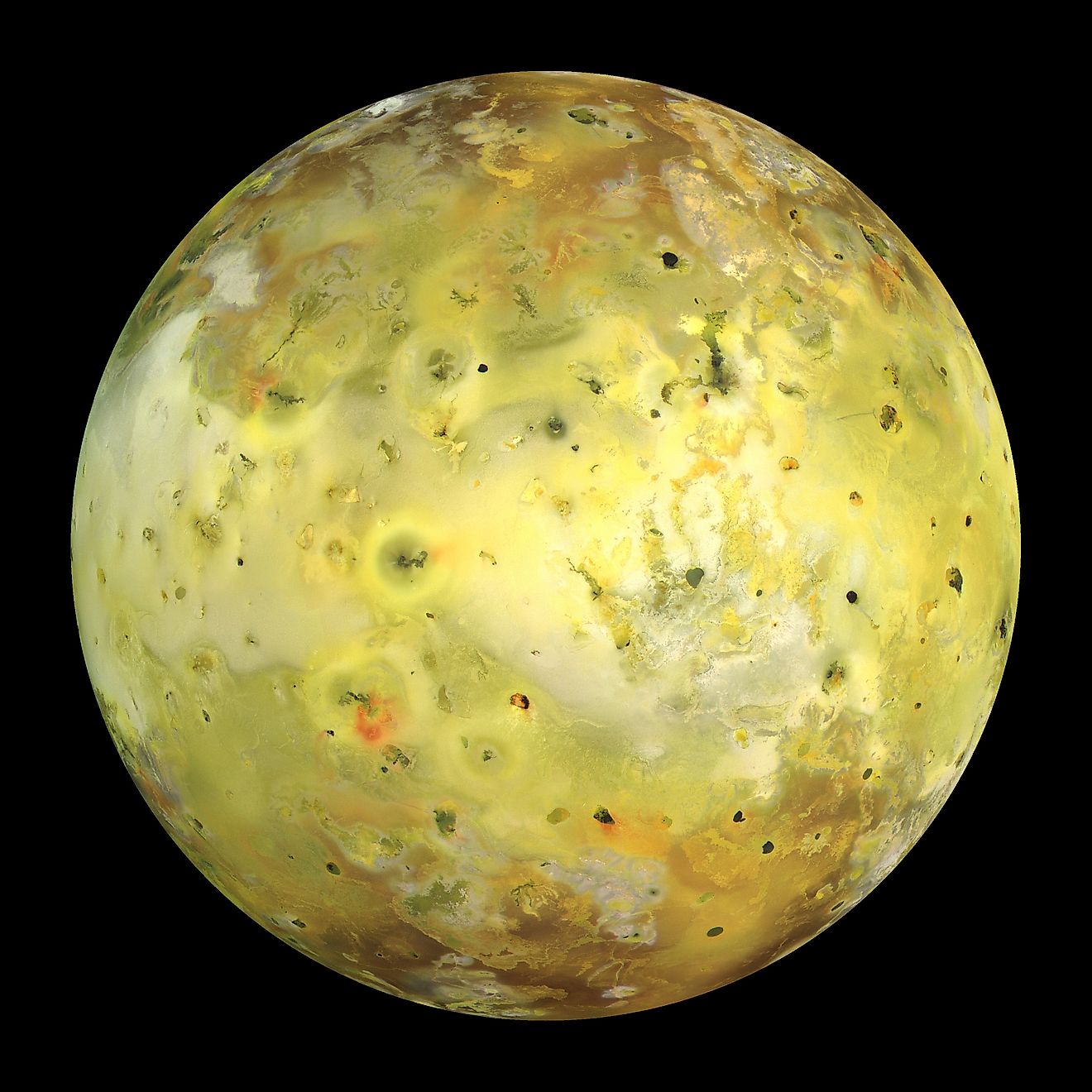
No object in this scenario would experience a bigger transformation than Jupiter's own moons. Europa, an icy world already suspected of holding a liquid ocean beneath its frozen crust, sits at the center of one of astronomy's most persistent debates about extraterrestrial life. Arthur C. Clarke's novel "2010: Odyssey Two" imagined an alien intelligence deliberately igniting Jupiter into a star for exactly this reason: to warm Europa enough for life to emerge on its surface.
A dim red dwarf glowing at close range could deliver meaningfully more warmth to Europa than reflected sunlight ever has, though scientists have not established whether the shift would be enough to thaw Europa's ice or simply cook off the very conditions that keep its ocean intact today. Either way, the moons of Jupiter, not Jupiter itself, would likely show the most visible and least predictable consequences of the transformation.
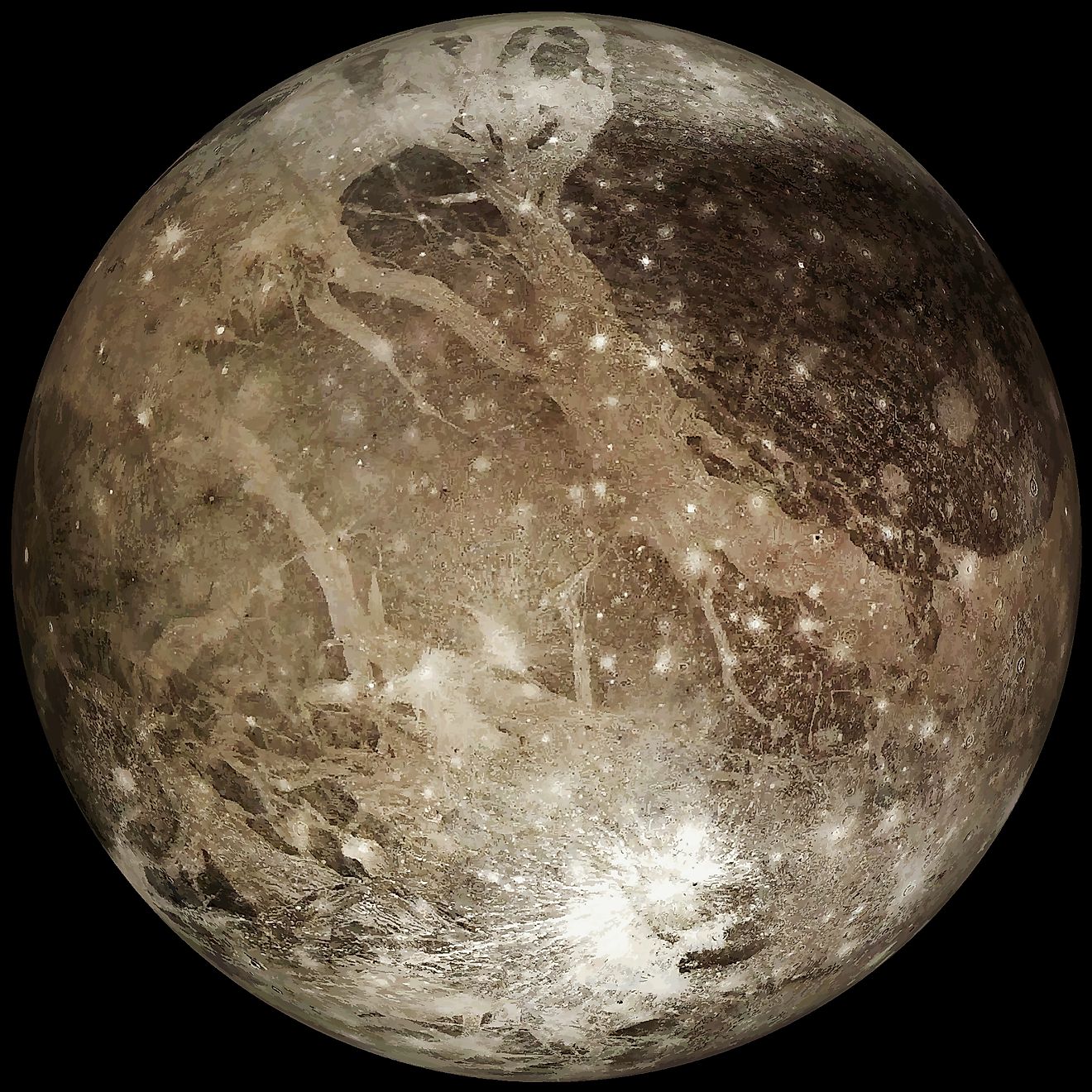
The unpredictability stems from a complex tug-of-war between a potential biosphere and extreme stellar radiation. While an ignited Jupiter could theoretically melt the icy shells of Europa or Ganymede to create vast, surface-level oceans, it would also bombard these moons with intense stellar flares and ionized particles. Without a protective global magnetic field or a thick, resilient atmosphere to shield them, any newly melted oceans might simply be evaporated into space, turning these liquid worlds into barren, dry rocks.
A Star Named Jupiter

Jupiter as a star would mean an Earth with two suns in the sky, one blazing white and one glowing a deep red. A red dwarf Jupiter would appear as a bright, crimson disc roiling with plasma storms and casting the Earth's night sky in an eerie, red twilight.
The mass Jupiter would need to cross that threshold amounts to accumulating over 25,000 Earths, a gap large enough that the solar system's fifth planet remains a gas giant that never made the leap into stardom. Instead, because it lacked the colossal mass required to ignite, Jupiter remains a masterpiece of colorful cloud bands and sweeping storms, beautifully reflecting the brilliant light of our only Sun.